Castillo de Butron
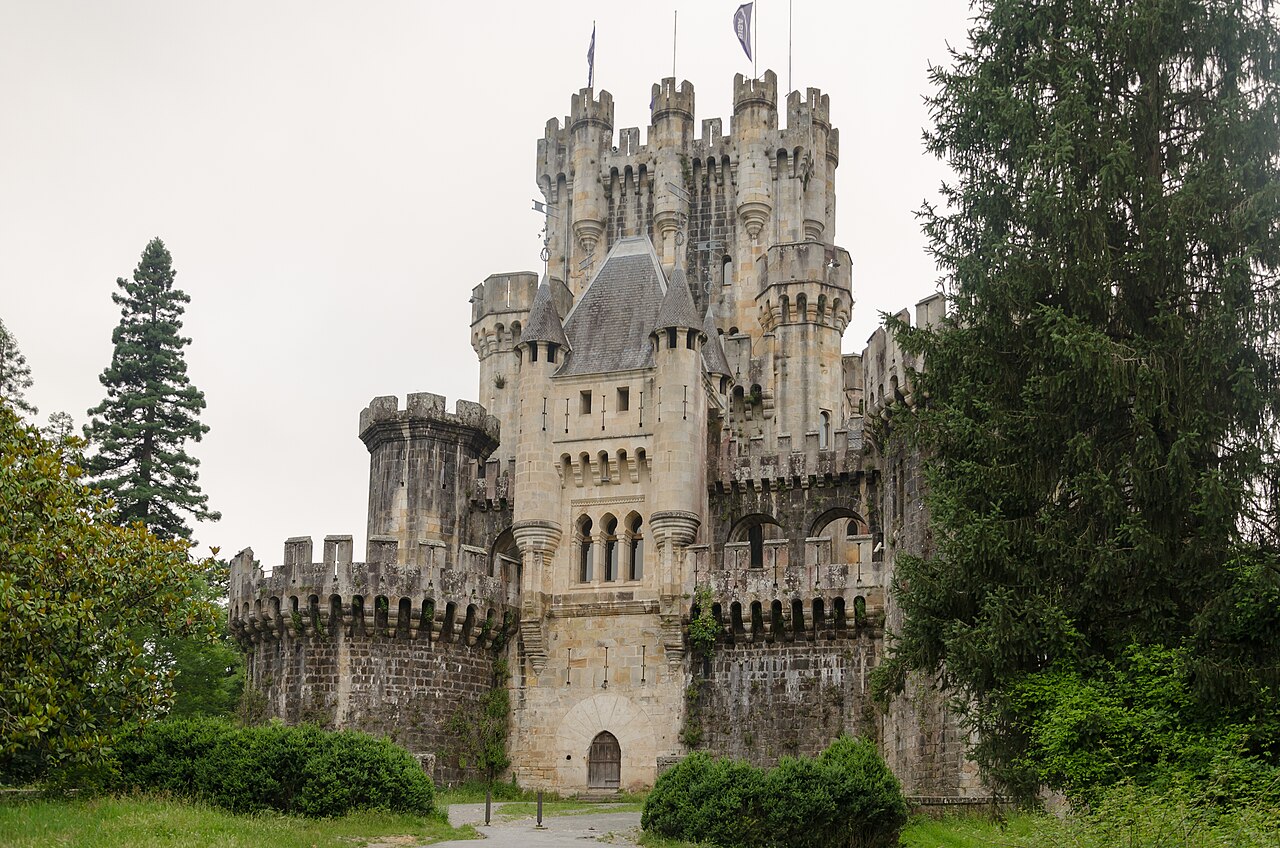
Castillo de Butron is a striking example of a 19th-century castle that blends historical roots with romantic revival architecture. Originally dating back to the Middle Ages, the castle underwent an extensive reconstruction starting in 1878 under the direction of Francisco de Cubas, Marques de Cubas, a prominent architect known for his work in the Romantic Neo-Gothic style. This reconstruction transformed the castle into a fairy-tale-like structure inspired by the grand Bavarian castles, making it a unique landmark in the Basque Country.
Historical background and medieval origins
The site of Butron Castle has medieval origins, with the first fortifications likely established during the Middle Ages. It served as a defensive stronghold for the local nobility in the region of Gatika, in the province of Biscay, Spain. Although the original medieval castle was largely supplanted by the 19th-century rebuilding, the location and some foundational elements preserve its historical significance.
Architectural transformation in the 19th century
Francisco de Cubas and the romantic neo-Gothic revival
The dramatic transformation of Butron Castle began in 1878, when Francisco de Cubas, also known as the Marques de Cubas, undertook an almost complete rebuilding of the structure. Cubas was an architect deeply influenced by the Romantic Neo-Gothic movement, which sought to revive medieval Gothic architectural elements in a highly decorative and imaginative manner. His vision for Butron was not to create a practical residence but rather a spectacular architectural fantasy.
Bavarian castle inspiration and fairy-tale aesthetics
The rebuilt castle draws heavily on the aesthetics of Bavarian castles, such as the famous Neuschwanstein Castle, with its ornate towers, turrets, and battlements. The design emphasizes verticality and romanticism, featuring conical roofs, decorative stonework, and an irregular silhouette that enhances its fairy-tale appearance. The castle's layout includes multiple towers and battlements that evoke the grandeur and mystique of medieval fortresses, though primarily for visual impact.
Architectural features and surroundings
The castle is surrounded by a lush park that includes palms and exotic plants, creating a dramatic natural setting that complements the castle's romantic style. The grounds add to the overall atmosphere, making the site a picturesque destination for visitors interested in architecture and landscape design.
Structural elements and layout
Butron Castle’s structure features stone walls with intricate detailing, arrow slits, and decorative battlements. The castle's towers vary in height and shape, contributing to its dynamic skyline. Although the castle was rebuilt more for aesthetic purposes than for defense or habitation, it retains elements reminiscent of a medieval fortress, such as a gatehouse and courtyards.
Current status and cultural significance
Today, Castillo de Butron stands as a well-preserved example of Romantic Neo-Gothic architecture in Spain. It is a popular attraction for tourists exploring the Basque region, admired for its unique blend of medieval inspiration and 19th-century romanticism. The castle's fairy-tale appearance makes it a favorite subject for photographers and history enthusiasts alike.
Visiting and tourism
While the castle itself is privately owned and not always open to the public, the exterior and surrounding park can be viewed by visitors. The castle’s distinctive appearance and scenic setting in Gatika make it a rewarding stop for those interested in historic architecture and picturesque landscapes.
Frequently asked questions (FAQ)
- What is the historical significance of Castillo de Butron?
- Castillo de Butron, located in Gatika, Spain, dates back to the 13th century and is a remarkable example of medieval architecture in the Basque Country. Originally built as a fortress, it has undergone various renovations and is now a symbol of local heritage and history.
- When was Castillo de Butron built?
- The construction of Castillo de Butron began in the 13th century, with its first recorded mention in 1209. Over the centuries, it has transformed in style and function, reflecting the changes in architectural trends and the region's history.
- Can I visit Castillo de Butron?
- Yes, Castillo de Butron is open to visitors, offering a glimpse into its rich history and stunning architecture. Guided tours are available, allowing guests to explore the castle's impressive towers and learn about its past.
- What are the opening hours for Castillo de Butron?
- Castillo de Butron typically opens to the public from 10:00 AM to 6:00 PM, with varying hours depending on the season. It is recommended to check the official website for the most current information before planning your visit.
- Is it possible to access Castillo de Butron with a wheelchair?
- Unfortunately, Castillo de Butron has limited accessibility for visitors with mobility challenges. The castle's historic structure includes many stairs and uneven surfaces, which may make it difficult for wheelchair users to navigate.
- What is the best time to visit Castillo de Butron?
- The best time to visit Castillo de Butron is during the spring and fall when the weather is mild and the landscapes surrounding the castle are particularly beautiful. Summer can be crowded, while winter may bring cooler temperatures.
- Are there any nearby attractions to visit while at Castillo de Butron?
- Yes, nearby attractions include the charming town of Gatika and the beautiful landscapes of the Basque Country. Additionally, the coastal city of Getxo and the bustling city of Bilbao are just a short drive away, offering more cultural and scenic experiences.
- What are the ticket prices for visiting Castillo de Butron?
- Ticket prices for Castillo de Butron are generally affordable, with discounts available for children and seniors. It is advisable to check the official site for the most up-to-date pricing and any special offers that may be available.
Information
Website
Visit websiteSources & official resources
Verify the information above using these authoritative references.
Loading map...
Visitor reviews
No reviews yet. Been here? Write the first review and help other travelers!
Write the first reviewVisited this castle? Share your experience
Your review helps other travelers and adds first-hand knowledge to our encyclopedia.