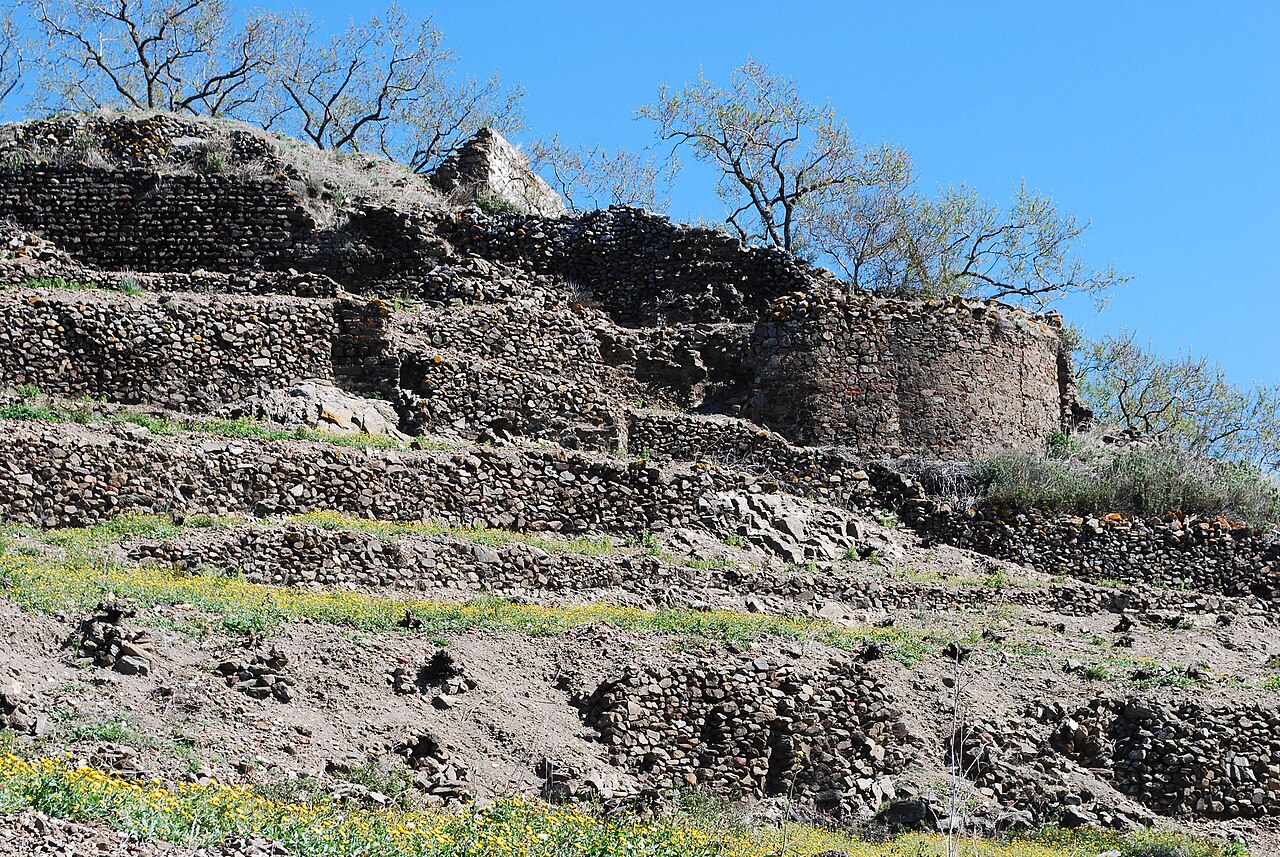
Castillo de Alhama de Granada
The Castillo de Alhama de Granada stands as a significant hill castle located in the town of Alhama de Granada, Spain. Constructed originally by the Arabs during the Islamic presence on the Iberian Peninsula, this fortress played a crucial role throughout the medieval period, especially during the Reconquista. Its name, "Alcazaba," derives from the Arabic term for a fortified enclosure, underscoring its military purpose and Islamic architectural origins.
Historical background and strategic importance
The Castillo de Alhama de Granada was initially established as a defensive stronghold by the Moors to protect the territories of the Kingdom of Granada. This castle was a vital military bastion during the late medieval period when Christian forces from the Catholic Monarchs, Ferdinand and Isabella, sought to reclaim the Iberian Peninsula from Muslim rule. The fortress's strategic location on a hill provided commanding views over the surrounding landscape, making it a key point for controlling access routes and defending the region.
In February 1482, the castle fell to Christian forces after a surprise assault led by Rodrigo Ponce de León, a prominent noble and military leader serving the Catholic Monarchs. This capture was a decisive moment in the Reconquista, halting Moorish attempts to regain control of Alhama and paving the way for the eventual fall of the Alhambra palace in Granada. The conquest of this fortress marked a turning point in the Christian reconquest of southern Spain.
Architectural features and remains
Although the original fortress has largely been obscured by modern urban development, the layout of the castle is still discernible through the arrangement of the surrounding streets in Alhama de Granada’s historic center. The most prominent surviving feature is a tower located at the northwest corner of the former enclosure. This tower measures approximately 8.5 meters in length and height and is constructed using ashlar masonry, characterized by finely cut and fitted stone blocks.
The tower’s design includes reinforced corners to enhance structural stability and a double-sloped base made from carefully arranged masonry to support the tower’s weight. A later addition of small stone masonry around 1.5 meters above ground level suggests efforts to reinforce the foundation or adapt to changes in street level over time.
To the southeast of the castle site, the natural rock has been vertically cut to about one meter high, serving as a foundation for a fence enclosing a small palace built in more recent centuries. This palace replaced the original fortress structure, illustrating the site's evolution from a military stronghold to a residential area. The old tower has been integrated into a residential terrace, now featuring modern utility installations such as thick hoses running horizontally across its surface.
The castle’s cultural and heritage significance
The Castillo de Alhama de Granada holds considerable cultural value as a monument reflecting the complex history of Islamic rule and Christian reconquest in Spain. Its preservation is protected under Spanish historical heritage laws enacted in the mid-20th century and reinforced by legislation passed in 1985. These protections ensure that the castle remains a tangible link to the region’s medieval past and serves as an important site for understanding the military and political struggles of the era.
Despite the limited visible remains, the castle’s surviving tower and the urban layout offer insights into the architectural techniques and defensive strategies employed by the Moors. The site also exemplifies the transformation of military fortifications into civilian spaces over time, highlighting the dynamic history of Alhama de Granada.
Visiting the site and exploring Alhama de Granada
Today, visitors to Alhama de Granada can explore the historic town and view the remnants of the Castillo de Alhama de Granada, particularly the surviving tower integrated into the modern urban fabric. While the fortress itself is mostly hidden beneath contemporary buildings, the site’s historical significance and the visible architectural fragment attract those interested in medieval military architecture and Spanish history.
The town offers additional attractions, including traditional Andalusian streets, thermal baths, and scenic views of the surrounding mountainous landscape. The castle’s location on a hill provides a vantage point that once served strategic military purposes and now offers visitors a glimpse into the region’s layered past.
Frequently asked questions (FAQ)
- When was Castillo de Alhama de Granada built?
- The castle was originally constructed by the Arabs during the Islamic period on the Iberian Peninsula, with its most significant historical role occurring during the late medieval period.
- What is the historical significance of Castillo de Alhama de Granada?
- The castle was a key Moorish fortress in the Kingdom of Granada and played a crucial role during the Reconquista, particularly in the Christian conquest led by Ferdinand and Isabella.
- Can visitors see the original castle structures?
- Most of the original fortress has been obscured by modern development, but a well-preserved tower at the northwest corner remains visible and integrated into a residential terrace.
- Why is the castle called Alcazaba?
- The name "Alcazaba" comes from the Arabic word for a fortified enclosure, reflecting its origins as a Muslim military fortress.
- Is the castle protected as a cultural heritage site?
- Yes, the site is protected under Spanish historical heritage laws enacted in the mid-20th century and reinforced by legislation from 1985.
Information
Loading map...
Visitor reviews
No reviews yet. Been here? Write the first review and help other travelers!
Write the first reviewVisited this castle? Share your experience
Your review helps other travelers and adds first-hand knowledge to our encyclopedia.