Castillo de Albalat dels Sorells
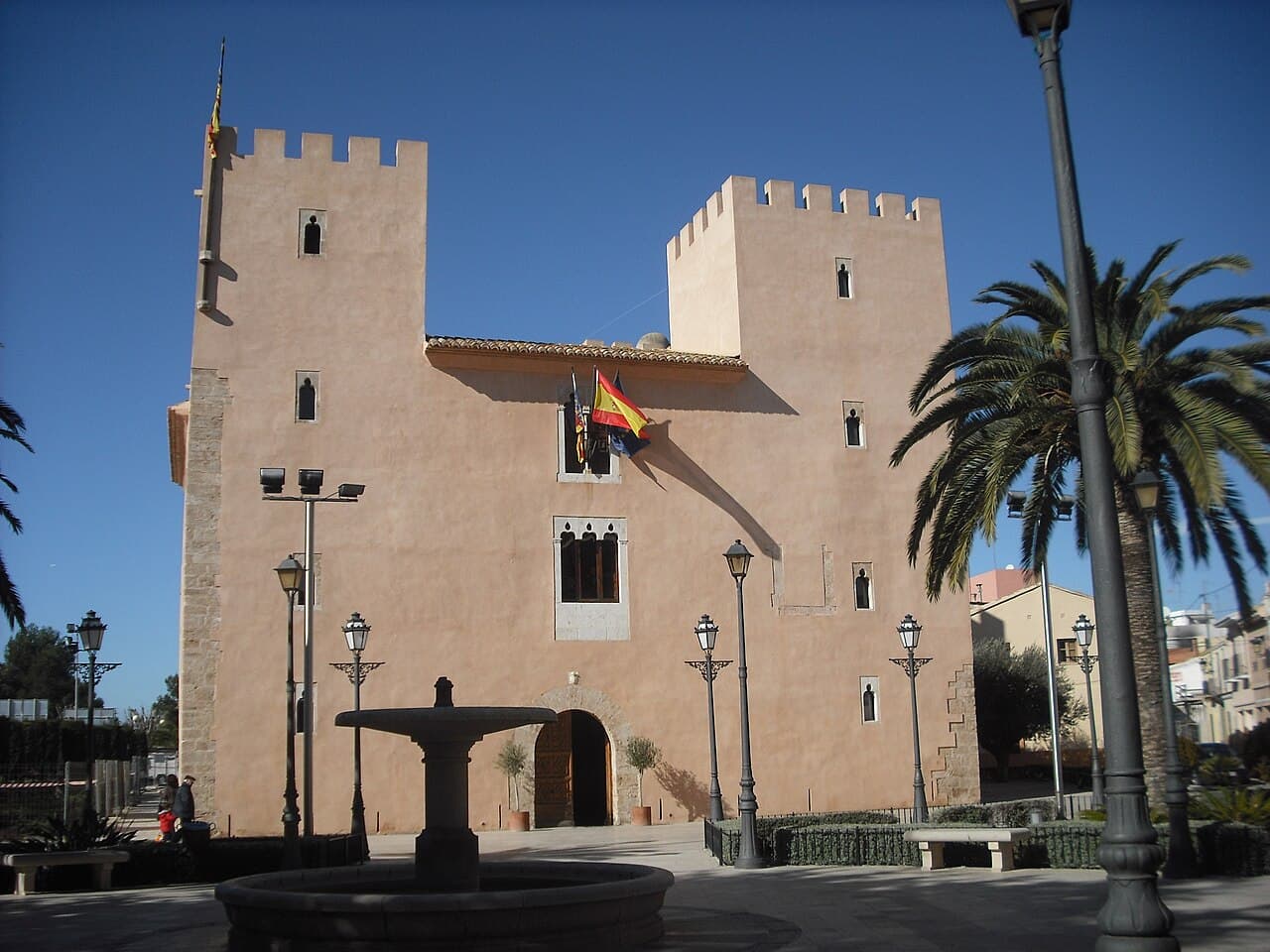
The Castillo de Albalat dels Sorells stands as a remarkable example of a medieval hill castle located in the municipality of Albalat dels Sorells, within the metropolitan area of Valencia, Spain. This fortified rural residence reflects centuries of architectural evolution and noble heritage, illustrating the complex social and political history of the region. Its enduring presence and distinctive features make it an important cultural landmark, attracting interest for both its historical significance and architectural character.
Historical background and noble ownership
The origins of the castle date back to the 14th century, when a dwelling existed on the site under the ownership of Berenguer de Codinats, the Master Rationale of the Crown. This title indicates his prominent administrative role within the Crown’s territories, suggesting that the estate held considerable importance beyond mere residence. During this period, the property was known as Albalat de Codinats, marking the association with its noble proprietor.
At the close of the 15th century, the estate changed hands to Tomás Sorells Segarriga, initiating a significant phase of construction and redesign. These efforts introduced elaborate decorative elements and structural modifications that enhanced both the functionality and status of the residence. Over the following centuries, the castle underwent numerous adaptations, reflecting changing architectural trends and the evolving needs of its occupants.
In recognition of its cultural and historical value, the castle was officially declared a protected heritage site in 1985. Since then, conservation and restoration projects have sought to preserve its fabric and adapt parts of the building for contemporary use, including local government offices.
Architectural layout and structural features
The Castillo de Albalat dels Sorells is characterized by a distinctive rectangular plan measuring approximately 22 meters per side. The main building rises to about 13 meters in height, while the four corner towers extend to 18 meters, providing a commanding presence and defensive advantage. This arrangement encloses a central courtyard that forms the heart of the residence.
Surrounding the courtyard are four wings containing various halls and chambers, connected by a gallery that facilitates movement throughout the castle. A particularly elegant architectural feature within the courtyard is a finely crafted stone arch that supports a staircase, offering a graceful transition between different levels.
The main entrance on the façade is marked by a semicircular arch doorway constructed with large stone wedges known as voussoirs. This classical masonry technique ensures both stability and aesthetic appeal. The castle is surrounded by extensive gardens on most sides, except where the façade directly faces the adjacent plaza, integrating the structure with its urban surroundings.
Gothic and moorish architectural influences
The castle’s windows display elements of the Gothic style, characterized by pointed arches and an emphasis on verticality. Although many of the current window features are later additions or restorations, the surviving ceilings retain the simplicity typical of the Valencian Gothic tradition, with their unadorned, austere appearance.
The roof is pitched outward and covered with tiles fashioned in the Moorish style, reflecting the historical influence of Islamic architecture in the region. This blend of Gothic and Moorish elements illustrates the cultural layering that defines much of Valencia’s architectural heritage.
Cultural significance and preservation efforts
As one of the principal rural noble residences in the Valencia metropolitan area, alongside estates such as the Castillo de Alacuás, the Castillo de Albalat dels Sorells embodies a complex tapestry of architectural styles and historical phases. Its preservation offers valuable insights into the lifestyle, social hierarchy, and defensive needs of the medieval and early modern nobility.
Recent restoration initiatives have focused on maintaining the castle’s structural integrity and aesthetic qualities, allowing it to serve both as a heritage site and a functional space for local government activities. These efforts ensure that the castle remains a vibrant part of the community and a testament to the region’s rich historical narrative.
Architectural details and unique features
The castle’s four corner towers are notable for their height and defensive capability, rising significantly above the main building to provide vantage points for surveillance and protection. The central courtyard not only serves as a social and functional core but also enhances the castle’s internal lighting and ventilation.
The use of voussoirs in the main entrance archway is a classical technique that underscores the builders’ skill and the importance of the castle’s façade as a symbol of power. The stone arch staircase within the courtyard adds both structural support and an element of refined craftsmanship.
The Valencian Gothic ceilings and Moorish tiled roof together create a distinctive aesthetic that reflects the region’s diverse cultural influences. The surrounding gardens contribute to the castle’s setting, providing a green buffer and enhancing its visual appeal within the urban context.
Frequently asked questions (FAQ)
- How do I get to Castillo de Albalat dels Sorells?
- Castillo de Albalat dels Sorells is conveniently located near Valencia, making it accessible by car and public transport. You can take a train or bus from Valencia to Albalat dels Sorells, followed by a short walk to the castle. Parking is available nearby for those visiting by car.
- What is the historical significance of Castillo de Albalat dels Sorells?
- The castle dates back to the 13th century and was built during the Reconquista, reflecting the region's tumultuous history. It served as a defensive fortress and has witnessed various historical events, making it a key landmark in the area. Its architecture showcases the influence of both Moorish and Christian styles, highlighting its cultural significance.
- When was Castillo de Albalat dels Sorells built?
- Construction of the Castillo de Albalat dels Sorells began in the early 13th century, around 1238, shortly after the Christian conquest of Valencia. The castle underwent several renovations and expansions over the centuries, adapting to various military needs. Today, it stands as a testament to medieval architecture and history.
- Can I take photos inside Castillo de Albalat dels Sorells?
- Yes, visitors are welcome to take photos inside Castillo de Albalat dels Sorells, allowing you to capture the stunning architecture and beautiful views. However, it's important to be respectful of the site and other visitors while doing so. Some areas may have restrictions, so be sure to check for any signage.
- Why is Castillo de Albalat dels Sorells a popular tourist destination?
- The castle's rich history, impressive architecture, and scenic location make it a popular spot for tourists and history enthusiasts alike. Its proximity to Valencia also adds to its appeal as a day trip destination. Visitors appreciate the opportunity to explore the castle grounds and learn about the local heritage.
- Is it possible to book guided tours at Castillo de Albalat dels Sorells?
- Yes, guided tours are available at Castillo de Albalat dels Sorells, providing a deeper understanding of its history and architectural features. It's recommended to book in advance, especially during peak tourist seasons. These tours often include access to areas not open to the general public.
- What are the opening hours for Castillo de Albalat dels Sorells?
- Castillo de Albalat dels Sorells typically opens from 10 AM to 6 PM, with extended hours during the summer months. However, hours may vary on public holidays, so it's best to check the official website for the latest information. Planning your visit during weekdays can also help you avoid larger crowds.
- What are the ticket prices for visiting Castillo de Albalat dels Sorells?
- General admission tickets for Castillo de Albalat dels Sorells are usually priced at around 5 euros, with discounts available for children, students, and seniors. Special family packages may also be offered. Always check the official site for the most current pricing and any promotions.
- What is the best time to visit Castillo de Albalat dels Sorells?
- The best time to visit Castillo de Albalat dels Sorells is during the spring (April to June) and fall (September to October) when the weather is mild and pleasant. Avoiding the peak summer heat will enhance your experience as you explore the castle and its surroundings. Additionally, visiting during weekdays can provide a quieter atmosphere.
- Are there any nearby attractions to visit along with Castillo de Albalat dels Sorells?
- Yes, there are several nearby attractions worth visiting, including the scenic beaches of Valencia and the historic city center. The nearby Albufera Natural Park offers stunning landscapes and opportunities for birdwatching. Combining your visit to the castle with these attractions will create a fulfilling day trip experience.
Photo gallery

Information
Website
Visit websiteSources & official resources
Verify the information above using these authoritative references.
Loading map...
Visitor reviews
No reviews yet. Been here? Write the first review and help other travelers!
Write the first reviewVisited this castle? Share your experience
Your review helps other travelers and adds first-hand knowledge to our encyclopedia.