Castillo Castro Ferraz
Castillo Castro Ferraz is a significant hill castle located near Santa Elena in Spain, embodying a rich history shaped by the complex military and cultural dynamics of the Iberian Peninsula during the Middle Ages. Originally established by Muslim builders during the period of Islamic presence, this fortress was known by its Arabic name Hisn el ‘Iqáb, as recorded in medieval chronicles. Its strategic position made it a valuable defensive site throughout the centuries, especially during the turbulent times of the Reconquista.
Historical significance and military role
The earliest documented mention of Castillo Castro Ferraz dates to 1169, when the fortress was seized by the Order of Calatrava, a prominent Christian military and religious order active in the Iberian Peninsula during the Reconquista. This event marked the castle's transition into the contested borderlands between Christian and Muslim forces. However, the castle soon returned to Muslim control, illustrating the fluid and volatile nature of territorial control in medieval Spain.
Later, the castle was garrisoned by Almohad troops, representatives of the powerful North African Muslim dynasty that ruled parts of Iberia during the 12th and 13th centuries. The castle's fate was closely tied to the broader military campaigns of the period, especially leading up to the pivotal Battle of Las Navas de Tolosa in 1212. As Christian forces advanced, the defenders abandoned Castillo Castro Ferraz, reflecting the shifting balance of power.
Despite frequent confusion with the nearby fortress of Las Navas de Tolosa, Castillo Castro Ferraz is a distinct site with its own unique historical trajectory. Its proximity to key battlefields and its role in the military struggles of the Reconquista underscore its importance as a fortified site in medieval Spain.
In recognition of its cultural and historical value, the castle was declared a protected cultural monument in 1949, ensuring its preservation as part of Spain's national heritage.
Architectural features and construction techniques
The remains of Castillo Castro Ferraz offer valuable insights into medieval fortification techniques. The fortress was constructed using a combination of earthworks, rammed earth (tapia), and mampuesto masonry. Rammed earth, a method involving compacted layers of soil mixed with binding agents, was a common technique in Islamic military architecture for creating durable walls. Mampuesto masonry, consisting of roughly shaped stones bonded with mortar, complemented these earthworks to provide structural strength.
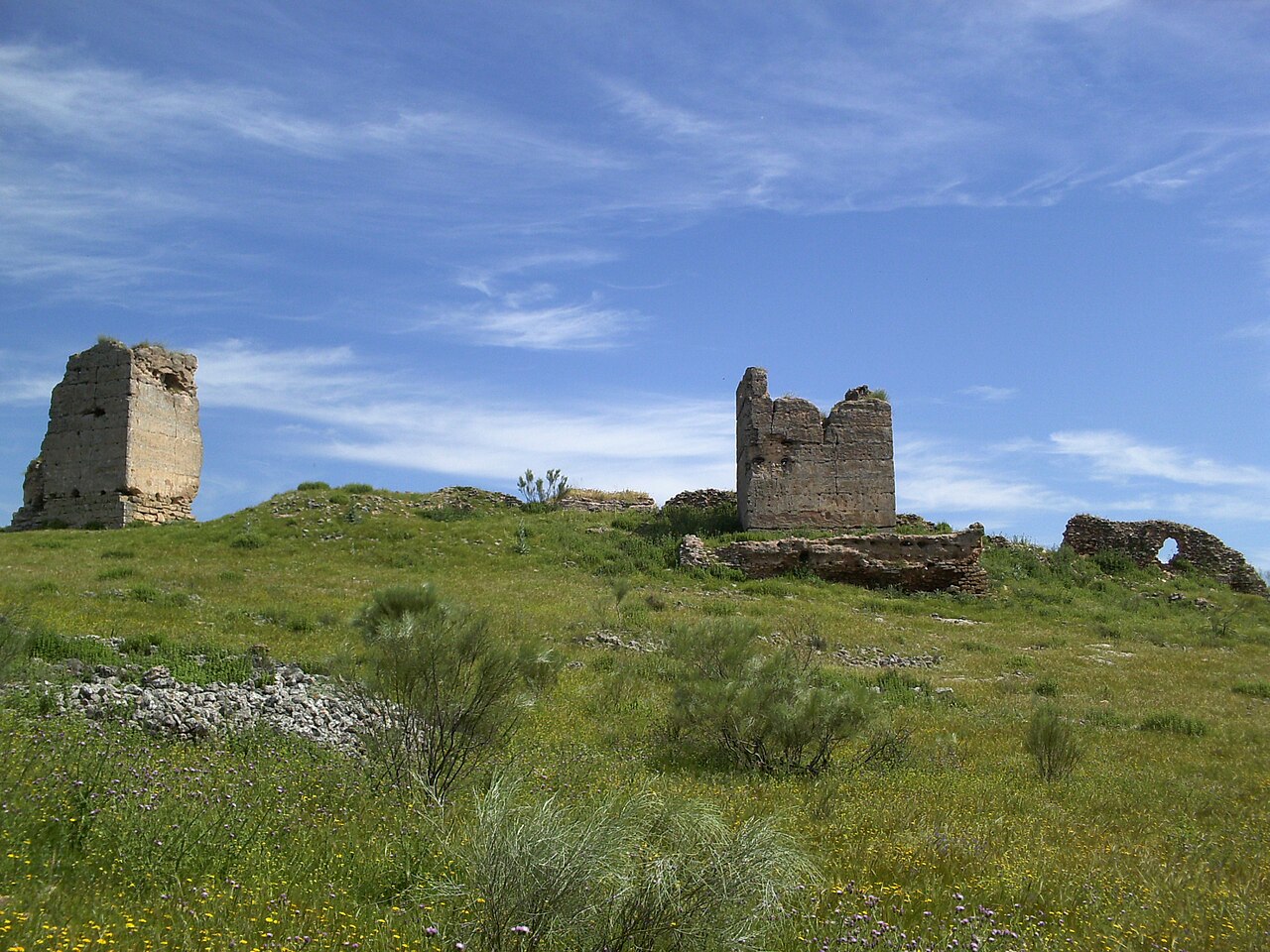
Most surviving structures are concentrated along the western and southwestern perimeters of the site, where fragments of defensive walls and towers still stand. The central enclosure features walls approximately 1.65 meters thick, built from a mixture of lime and sand, demonstrating the robust construction methods employed to withstand sieges.
Within the castle's enclosure, archaeologists have uncovered the remains of storage areas and a small cistern (aljibe). This water reservoir was essential for sustaining the garrison during prolonged sieges, a typical feature of Islamic fortifications designed to secure internal water supplies.
Some scholars propose that the oldest sections of the castle, particularly those constructed from earth materials, may predate the Almohad period. This suggests that the site experienced multiple phases of occupation and construction, reflecting the evolving military needs and architectural styles over time.
The castle's strategic location and landscape
Castillo Castro Ferraz occupies a commanding position on a hill, offering natural defensive advantages and extensive views of the surrounding terrain. This elevated location was crucial for monitoring movements and controlling access routes during the medieval period. The castle's placement near the town of Santa Elena situates it within a historically contested border region between Christian and Muslim territories.
The surrounding landscape, characterized by rugged hills and valleys, further enhanced the castle's defensibility. The combination of natural topography and man-made fortifications made Castillo Castro Ferraz a formidable obstacle for any attacking force.
Preservation and archaeological importance
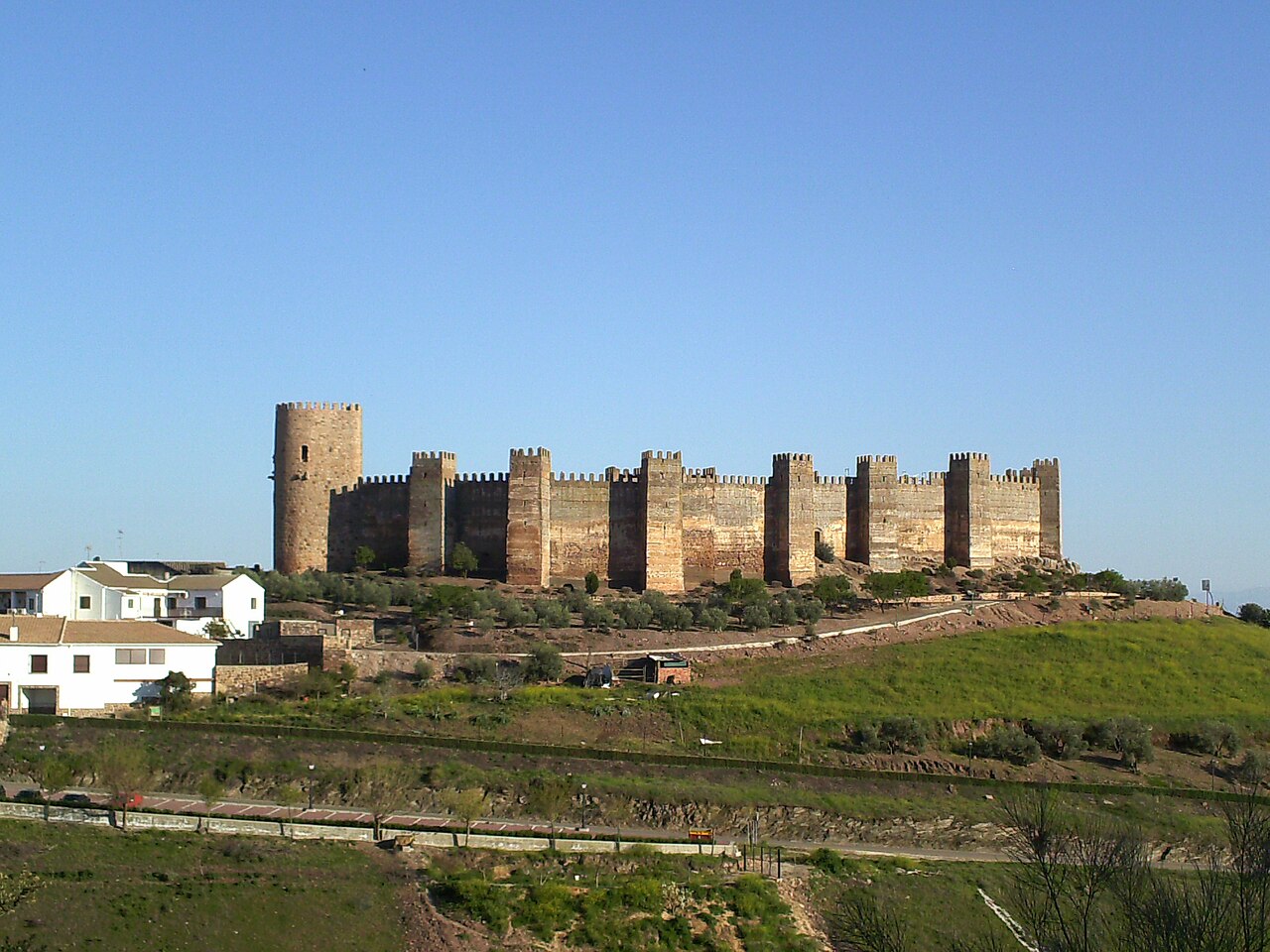
Today, Castillo Castro Ferraz remains primarily as archaeological ruins, with many original structures partially preserved. The site provides an important window into the military architecture of the Islamic and Christian periods in Spain, illustrating the use of diverse construction materials and techniques adapted to local conditions.
The castle's designation as a protected cultural monument since 1949 has helped safeguard its remains from further deterioration. Ongoing archaeological investigations continue to reveal new information about the castle's layout, construction phases, and historical context.
Visitors to the site can explore the remnants of its defensive walls, towers, and internal features such as the cistern, gaining a tangible sense of the fortress's historical significance and architectural ingenuity.
Legacy and cultural heritage
Castillo Castro Ferraz stands as a testament to the complex history of medieval Spain, reflecting the cultural interplay between Islamic and Christian civilizations. Its layered history of conquest, defense, and abandonment encapsulates the broader narrative of the Reconquista and the shifting frontiers of medieval Iberia.
The castle's ruins continue to attract historians, archaeologists, and visitors interested in the military history and architectural heritage of Spain. As a protected monument, it contributes to the preservation of national identity and cultural memory, offering insights into the strategic and architectural practices of past societies.
Frequently asked questions (FAQ)
- When was Castillo Castro Ferraz first mentioned in historical records?
- The earliest known reference to Castillo Castro Ferraz dates back to the year 1169, during the period of the Reconquista.
- What construction techniques were used to build Castillo Castro Ferraz?
- The castle was built using a combination of earthworks, rammed earth (tapia), and mampuesto masonry, reflecting typical Islamic military architecture.
- Is Castillo Castro Ferraz the same as Las Navas de Tolosa castle?
- No, Castillo Castro Ferraz is a distinct fortress often confused with Las Navas de Tolosa due to their proximity and related historical events.
- What is the current condition of Castillo Castro Ferraz?
- The castle exists today primarily as archaeological ruins with partially preserved walls and towers.
- Why was Castillo Castro Ferraz abandoned by its defenders?
- The castle was abandoned by its Almohad defenders as Christian forces advanced before the Battle of Las Navas de Tolosa in 1212.
Information
Loading map...
Visitor reviews
No reviews yet. Been here? Write the first review and help other travelers!
Write the first reviewVisited this castle? Share your experience
Your review helps other travelers and adds first-hand knowledge to our encyclopedia.