Castelo de Germanelo
Castelo de Germanelo stands as a significant medieval hill castle located in the municipality of Penela, Portugal. Its origins trace back to an ancient fortified settlement known as a castro, established during the period of Roman influence in the region. This early foundation laid the groundwork for the later medieval fortress, reflecting a continuity of strategic importance on this wooded hilltop overlooking the Mondego River valley.
The early origins and Roman influence
The site of Castelo de Germanelo was originally occupied by a castro settlement, a type of fortified village common in the Iberian Peninsula during the Roman era. These early fortifications were typically constructed with stone walls and earthworks, designed to protect local populations against raids and invasions. The location was carefully chosen for its natural defensive advantages, commanding views of the surrounding landscape and control over important valley routes.
This Roman-era fortification established a strategic foothold that would later influence the positioning and design of the medieval castle. The continuity of occupation illustrates the long-term military and administrative significance of the site throughout different historical periods.
The medieval castle and its defensive role in the 12th century
During the reign of King Afonso Henriques, the first monarch of Portugal, the castle gained renewed importance as a military stronghold. Around 1142, the king granted a Foral (royal charter) to the municipality of Germanelo, encouraging settlement and agricultural development by offering tax exemptions and legal protections. This charter was part of a broader strategy to secure the kingdom's borders and promote the defense of frontier territories.
Castelo de Germanelo served as an advanced military outpost protecting the then Portuguese capital of Coimbra from Moorish incursions. Positioned strategically along the valley route connecting Ansião and Condeixa, the castle was reinforced or rebuilt during this period to strengthen the kingdom’s defensive line along the Mondego River. Its fortifications were designed to control movement through the valley and delay enemy advances.
Architectural features of the medieval fortress
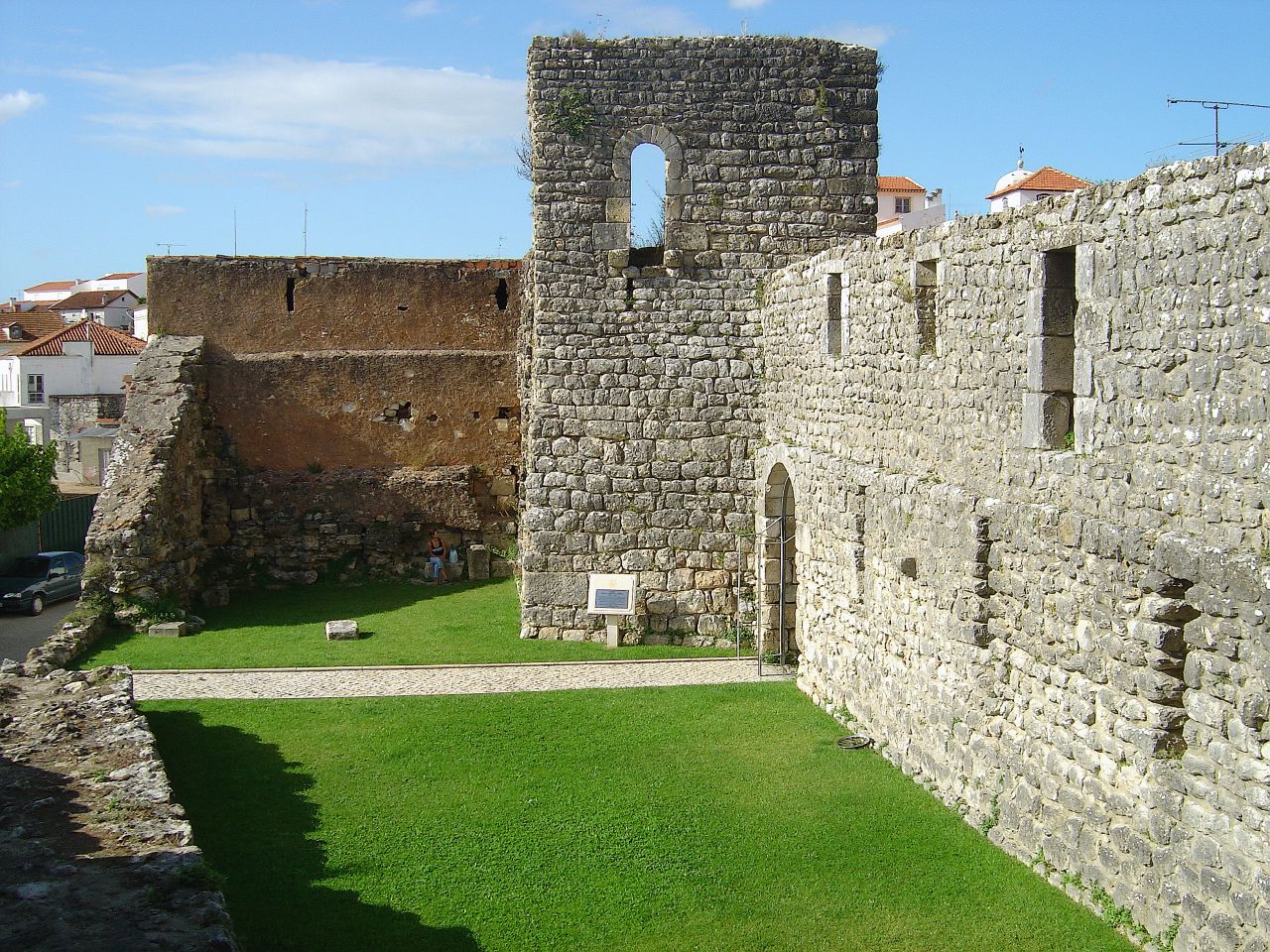
The castle's layout reflects its military purpose, with crenellated walls that provided defenders with protected firing positions through battlements. The walls were constructed using traditional Romanesque stone masonry, employing durable local materials such as granite. The fortress covered an area of approximately 80,000 square meters, a considerable size for a frontier castle of its time.
The design included defensive elements typical of the Romanesque period, such as thick walls and limited entrance points, aimed at resisting siege weaponry and infantry assaults. The castle's position on a wooded hilltop further enhanced its defensive capabilities, offering natural barriers and vantage points.
The castle's decline and modern preservation efforts
As Portuguese forces expanded southward during the Reconquista, pushing the frontier beyond the Mondego Valley, Castelo de Germanelo gradually lost its strategic military importance. The castle was eventually abandoned and fell into ruin over the centuries, reflecting the shifting political and military landscape of Portugal.
In the 20th century, historian Professor Salvador Dias Arnaut initiated efforts to partially restore the castle’s northern walls, using the original medieval footprint as a guide. This reconstruction aimed to preserve the castle’s historical fabric and to highlight its architectural significance. After the professor's death, ownership passed to his son, who attempted to sell the property in 2000. This spurred local initiatives to protect the site from real estate development.
These efforts culminated in the designation of Castelo de Germanelo as a Site of Public Interest in 2014, ensuring legal protection and recognition of its cultural heritage. Today, the castle remains a valuable archaeological and historical site, with its reconstructed walls and ruins offering insight into medieval fortification techniques.
Geodetic marker and modern relevance
Interestingly, the castle’s walls incorporate a geodetic marker, a fixed surveying point used in modern land mapping and measurements. This feature connects the site’s historical military function with contemporary scientific practices, demonstrating the ongoing relevance of the location.
Architectural and environmental context
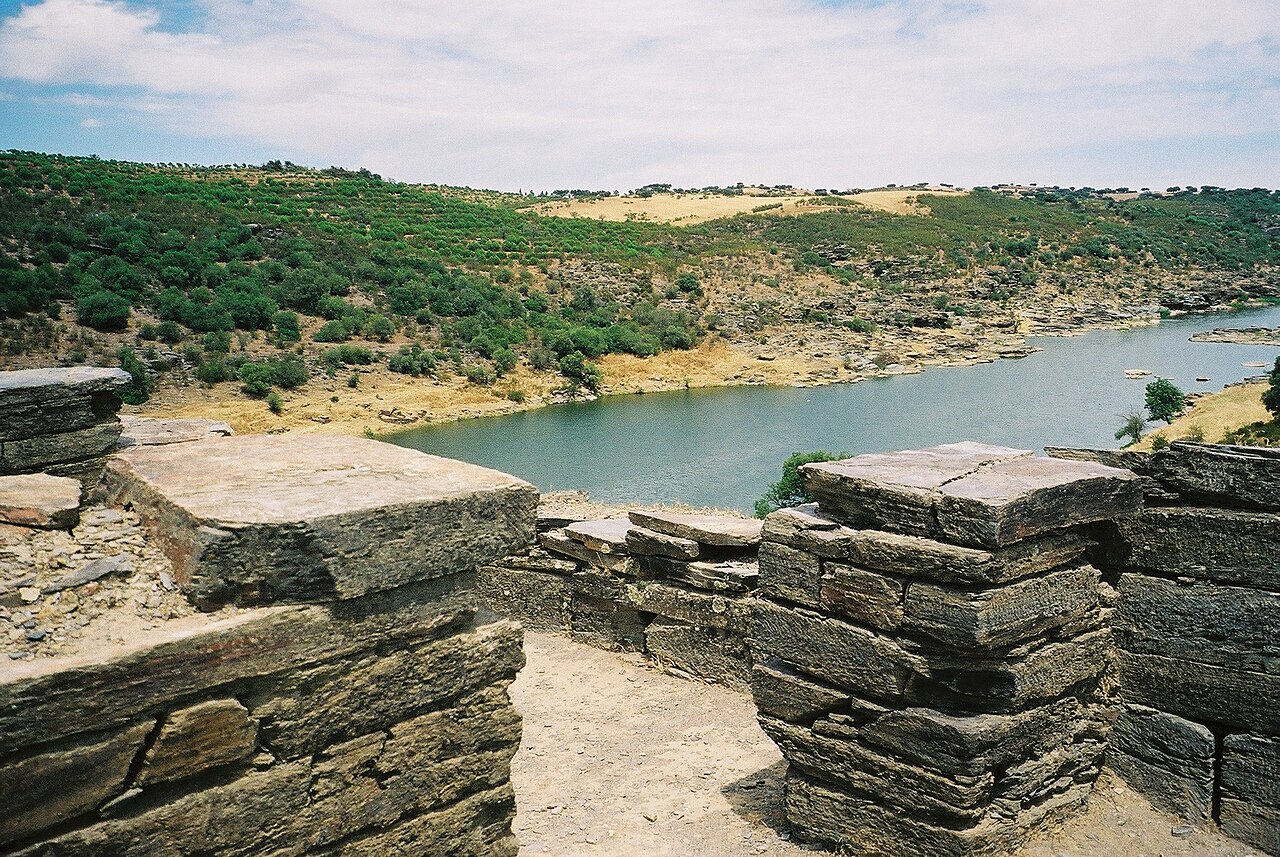
The castle is situated on a wooded hilltop, which contributes both to its defensive advantages and its integration into the natural landscape. The surrounding woodland provides a scenic backdrop, while the elevated position commands views over the valley route that was historically crucial for controlling movement and trade.
The surviving crenellated walls and partial reconstructions reveal the castle’s original Romanesque character, with stone masonry techniques that emphasize solidity and durability. The castle’s layout and construction reflect the military architecture of the 12th century, designed to withstand the warfare tactics of the period.
Current condition and visitor experience
Today, Castelo de Germanelo is classified as partially preserved, with significant ruins that convey its historical importance. Visitors can explore the remains of the walls and appreciate the strategic location that once made the castle a key defensive site. The site’s designation as a protected heritage monument helps maintain its condition and promotes awareness of its historical value.
While not extensively developed for tourism, the castle offers a unique glimpse into medieval military architecture and the early history of Portugal’s territorial formation. Its combination of Roman-era origins and medieval fortifications makes it a notable example of cultural continuity and historical layering.
Frequently asked questions (FAQ)
- How do I get to Castelo de Germanelo?
- You can reach Castelo de Germanelo by car, as it is conveniently located near major roadways in Portugal. Public transportation options may also be available, but it's advisable to check local schedules for the best times to visit.
- What is the historical significance of Castelo de Germanelo?
- Castelo de Germanelo holds a significant place in Portuguese history, reflecting the architectural style and strategic military importance of the medieval period. It has witnessed various historical events and has been preserved as a symbol of national heritage.
- When was Castelo de Germanelo built?
- The construction of Castelo de Germanelo dates back to the 12th century, during the reign of the early Portuguese kings. Its design and materials showcase the defensive architecture of that era.
- Can I take a guided tour of Castelo de Germanelo?
- Yes, guided tours are available at Castelo de Germanelo, offering visitors in-depth insights into its history and architecture. It's recommended to check the schedule ahead of your visit to join a tour group.
- Why is the architecture of Castelo de Germanelo unique?
- The architecture of Castelo de Germanelo is unique due to its blend of Romanesque and Gothic elements, reflecting the evolution of castle designs over time. Its imposing walls and towers are not only visually striking but also provide a glimpse into the defensive strategies of the past.
- Is it possible to visit Castelo de Germanelo year-round?
- Yes, Castelo de Germanelo is open to visitors year-round, although specific opening hours may vary by season. It's best to check the official website for the most current information on visiting days and hours.
- What are the ticket prices for Castelo de Germanelo?
- Ticket prices for Castelo de Germanelo are generally affordable, making it accessible for various visitors. Discounts may be available for students, seniors, or groups, so be sure to inquire at the ticket office.
- When is the best time to visit Castelo de Germanelo?
- The best time to visit Castelo de Germanelo is during the spring and early autumn months when the weather is mild and the landscape is at its most vibrant. These seasons often see fewer crowds, allowing for a more enjoyable experience.
- Are there any nearby attractions to visit along with Castelo de Germanelo?
- Yes, there are several attractions near Castelo de Germanelo, including charming villages, beautiful nature trails, and other historical sites. Exploring the surrounding area can enhance your visit and provide a fuller experience of the region's culture and history.
Information
Loading map...
Visitor reviews
No reviews yet. Been here? Write the first review and help other travelers!
Write the first reviewVisited this castle? Share your experience
Your review helps other travelers and adds first-hand knowledge to our encyclopedia.