Castelmur Palace
Castelmur Palace is an architecturally significant mansion located in the Bregaglia valley of Switzerland. The palace was originally constructed in 1723 for Johannes Redolfi, representing the post-Renaissance period of architecture. It gained its current distinctive character in the mid-19th century through a major renovation that introduced a striking Neo-Gothic style with Moorish revival influences.
Historical background and ownership
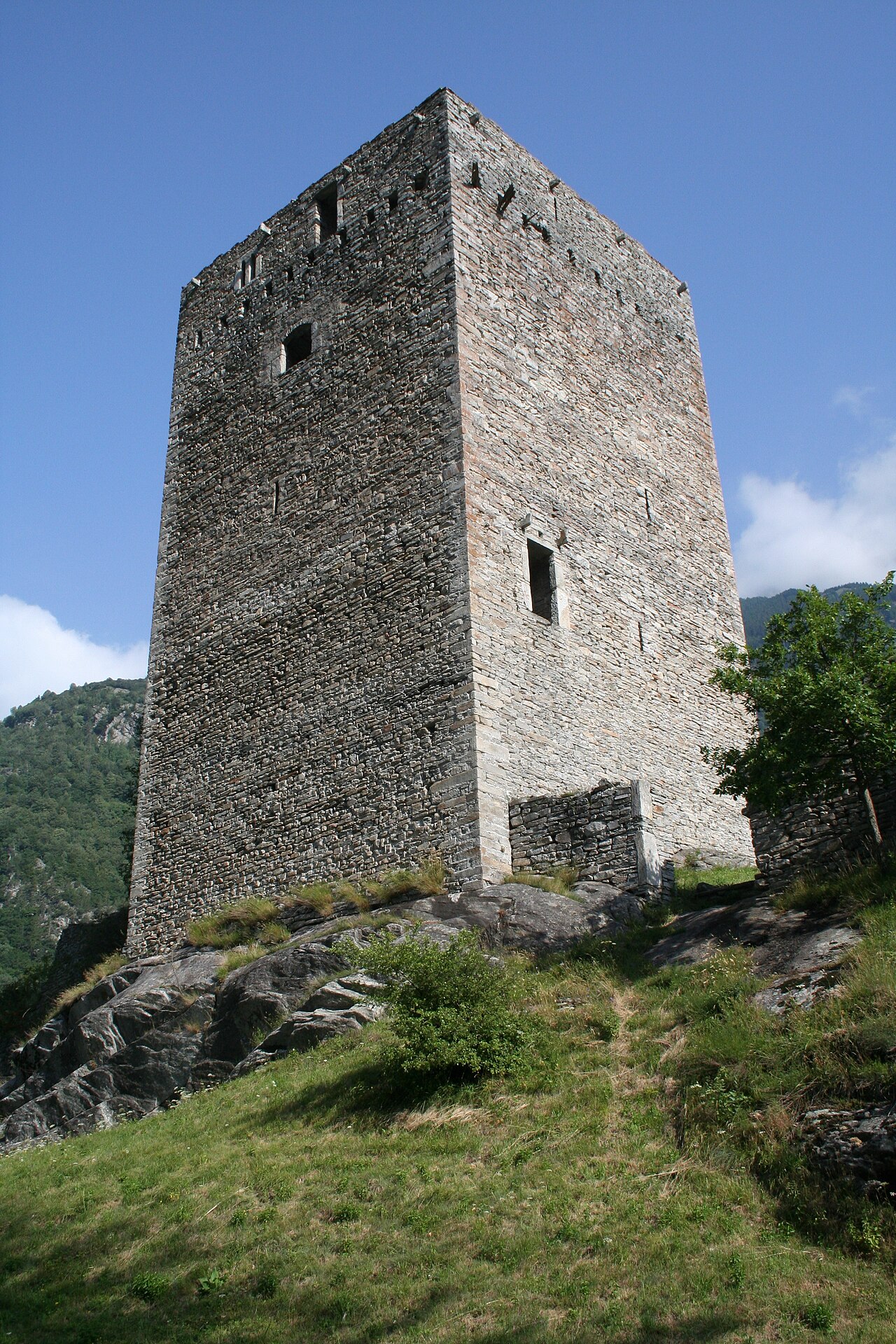
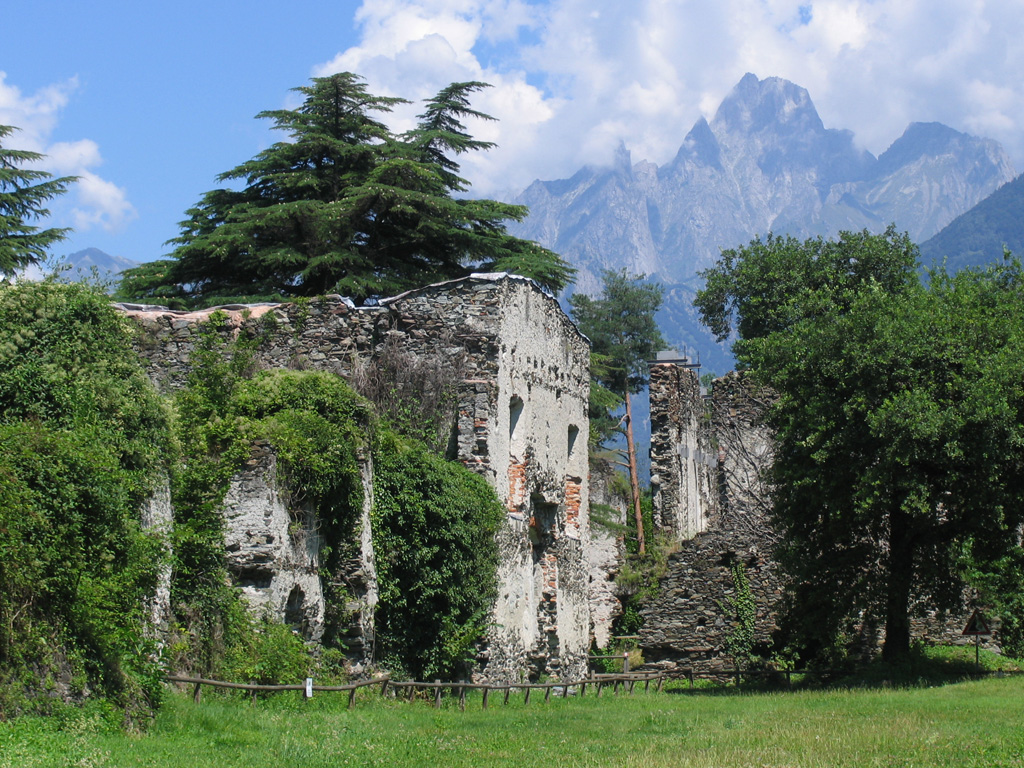
The palace's history is closely tied to the Castelmur family, an influential lineage in the region. Around 1850, Baron Giovanni de Castelmur (1800-1871), a descendant of the family from the nearby Castelmur Castle ruins in Bondo, acquired the palazzo along with the castle ruins. Giovanni, the son of a prosperous pastry shop owner from Marseille, returned to his ancestral village after achieving business success abroad. His acquisition of the property marked a significant moment in the preservation and transformation of the family estate.
In 1840, Giovanni married his cousin Anna Castelmur (1813-1892) from the nearby village of Vicosoprano. The couple, who had no children, were known patrons of the arts and benefactors to local cultural organizations. After Anna's death, the palazzo passed to other relatives until it was sold in 1961 to the local government of the Circolo di Bregaglia, which converted the building into a museum and cultural center.
Architectural transformation and style
The renovation initiated by Giovanni and Anna Castelmur in the mid-19th century was directed by the Milanese architect Giovanni Crassi Marliani. The project transformed the palazzo's exterior with a distinctive Moorish-inspired Neo-Gothic style. The front façade features red brickwork and is framed by two imposing towers, each topped with machicolations and corbels, architectural elements typical of medieval fortifications but here adapted for decorative effect.
The older sections of the mansion retained their post-Renaissance paneling and wallpaper, while the new additions embraced the Louis Philippe style enriched with Rococo and Biedermeier elements. Interiors are lavishly decorated with ornate murals and silk wallpaper. The ceilings feature trompe l'oeil paintings by the artist Gaspare Tirinanzi and wall paintings by Zaverio Tessera, showcasing an elaborate decorative program characteristic of the period's eclectic tastes.
Exterior and gardens
The palazzo is enclosed by a two-meter tall wall and surrounded by an English garden, reflecting the 19th-century fashion for landscaped grounds that complemented the romantic revivalist architecture. The garden and wall contribute to the estate's sense of enclosure and privacy, enhancing its status as a noble residence.
Current use and cultural significance
Today, Castelmur Palace functions as a museum and cultural hub managed by the local government. It houses the Archivio Storico on the second floor, a historical archive dedicated to the documentation and research of the Val Bregaglia region. This archive serves as an important resource for scholars and visitors interested in the area's history.
Additionally, the palace features a permanent exhibition honoring the pastry bakers of Graubünden, a tribute to Giovanni de Castelmur's familial roots in the pastry trade. This exhibit highlights the unique cultural heritage of the region and the personal history behind the palace's owners.
Architectural and historical importance
The palazzo's eclectic style, combining post-Renaissance foundations with Neo-Gothic Moorish revival elements, makes it a rare example of 19th-century architectural adaptation in the Swiss Alps. Its preservation as a museum allows visitors to explore both the artistic tastes of the period and the complex history of the Castelmur family and their impact on the region.
Castelmur Palace remains a significant cultural landmark in Bregaglia, reflecting the intersection of local heritage, architectural innovation, and the philanthropic spirit of its 19th-century owners.
Frequently asked questions (FAQ)
- How do I get to Castelmur Palace?
- Castelmur Palace is located in the picturesque Bregaglia Valley in Switzerland. You can reach it by car or public transport, with regular bus services connecting it to nearby towns. Once you arrive, the castle is a short walk from the nearest bus stop, providing easy access for visitors.
- What is the historical significance of Castelmur Palace?
- Castelmur Palace dates back to the 13th century and is a remarkable example of medieval architecture. It has served various purposes throughout its history, including being a residence for noble families. Today, it stands as a testament to the region's rich cultural heritage and is a popular site for history enthusiasts.
- When was Castelmur Palace last renovated?
- The last significant renovation of Castelmur Palace took place in the early 21st century, focusing on preserving its historical integrity while improving visitor access. These renovations have allowed the palace to maintain its charming medieval features while providing a more enjoyable experience for tourists.
- Can I take guided tours of Castelmur Palace?
- Yes, guided tours of Castelmur Palace are available and highly recommended for visitors. These tours provide in-depth insights into the history, architecture, and significance of the palace, enhancing your overall experience. Be sure to check the schedule in advance, as tours may vary throughout the year.
- Why is Castelmur Palace considered an architectural gem?
- Castelmur Palace is considered an architectural gem due to its stunning blend of medieval and local architectural styles. The intricate stonework, elegant towers, and well-preserved interiors reflect the craftsmanship of the time. Visitors often admire the way the palace harmonizes with the breathtaking natural scenery of the Bregaglia Valley.
- Is it possible to visit Castelmur Palace year-round?
- Yes, Castelmur Palace is open to visitors year-round, although opening hours may vary depending on the season. It is advisable to check the official website for current opening times and any special events that may affect visitor access. Each season offers a unique perspective on the castle and its surroundings.
- What are the ticket prices for visiting Castelmur Palace?
- Ticket prices for Castelmur Palace are reasonably priced, making it accessible for visitors of all ages. Discounts are often available for children, students, and seniors. Be sure to check the official website for the most up-to-date pricing and any special offers.
- What is the best time to visit Castelmur Palace?
- The best time to visit Castelmur Palace is during the spring and early autumn when the weather is mild and the surrounding landscapes are particularly beautiful. These seasons also tend to have fewer tourists, allowing for a more intimate experience. Summer can be busy, but the vibrant greenery and warm weather make it a popular time as well.
- Are there nearby attractions to explore while visiting Castelmur Palace?
- Yes, there are several nearby attractions worth exploring, including the stunning landscapes of the Bregaglia Valley and the charming village of Soglio, known as the "Gateway to Paradise." Additionally, the region offers numerous hiking trails, art galleries, and local restaurants where you can savor traditional Swiss cuisine. Plan to spend a day or more to fully enjoy the area.
Information
Loading map...
Visitor reviews
No reviews yet. Been here? Write the first review and help other travelers!
Write the first reviewVisited this castle? Share your experience
Your review helps other travelers and adds first-hand knowledge to our encyclopedia.