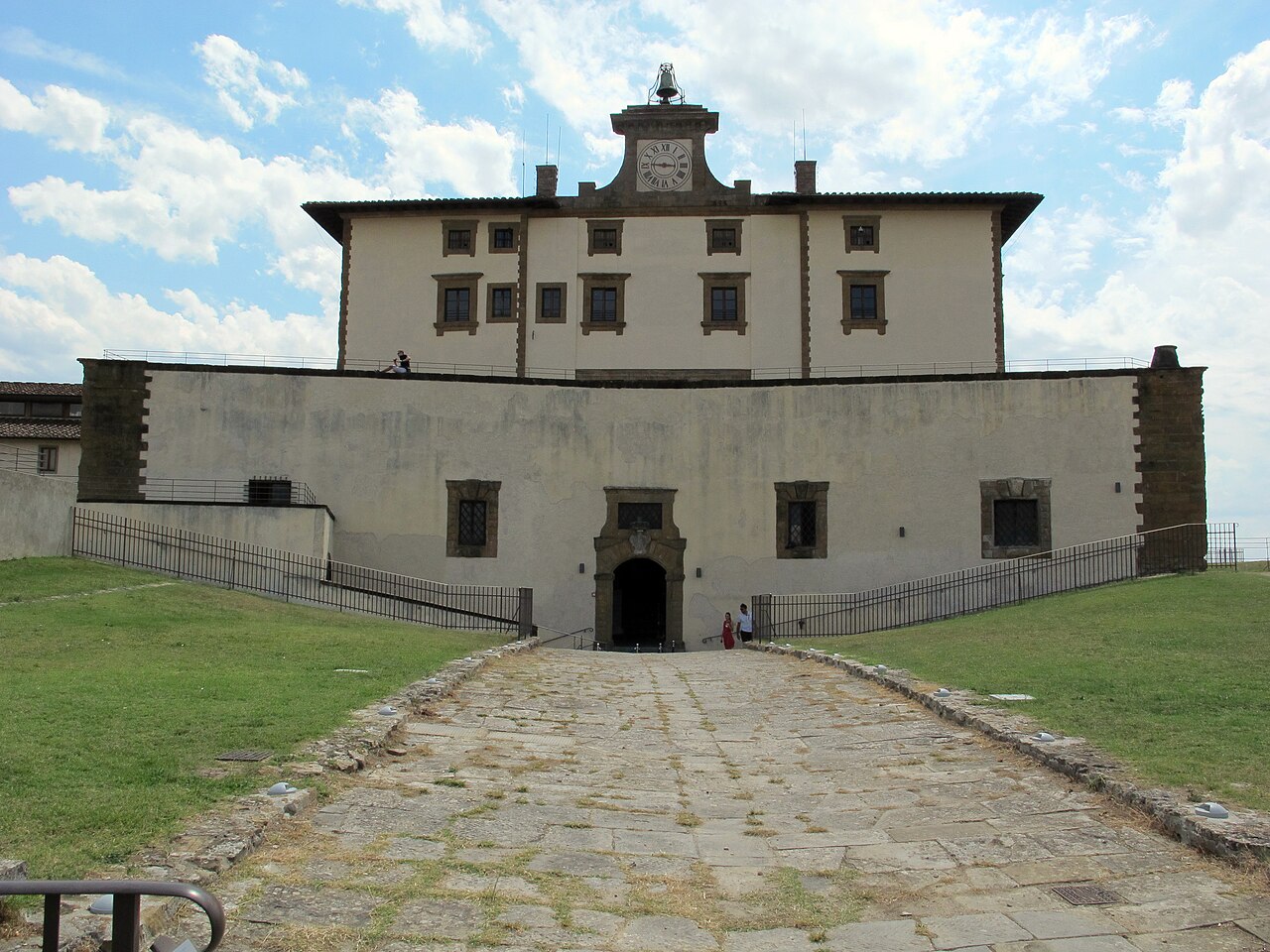
Cerbaia Fortress
Cerbaia Fortress, known locally as Rocca di Cerbaia, stands as a remarkable example of medieval military architecture in the heart of Tuscany. Constructed in the 13th century, this hill castle was strategically positioned to oversee and protect the surrounding countryside. Its elevated location provided commanding panoramic views that were crucial for monitoring enemy movements and securing the territory during turbulent times in medieval Italy.
Historical significance and role
The fortress was built during a period marked by frequent conflicts among the city-states and feudal lords of Tuscany. As a defensive stronghold, Cerbaia Fortress played a vital role in the territorial disputes that shaped the region's history. It served as both a military bastion and a symbol of power for the controlling authorities, likely contributing to the defense network protecting nearby towns and trade routes.
Medieval conflicts and ownership
While specific records of the fortress's owners are limited, it is known that many Tuscan fortifications of this era were controlled by noble families or city-states such as Florence or Siena. The fortress’s robust design reflects the need to withstand sieges and attacks common during the High medieval period. Its walls and towers would have been manned by soldiers tasked with defending the stronghold against rival factions.
Architectural features and construction
Rocca di Cerbaia exhibits typical features of a hill castle from the High medieval period. The fortress is characterized by its thick stone walls, which provided formidable protection against siege engines and infantry assaults. The structure includes multiple towers that offered vantage points for lookouts and archers, as well as a courtyard that would have served as a central gathering and operational area.
Defensive elements
The fortress’s defensive design likely included battlements and crenellations along the walls, enabling defenders to repel attackers while remaining shielded. The entrance would have been heavily fortified, possibly featuring a gatehouse with a portcullis and murder holes to deter invaders. The strategic placement of the fortress on elevated terrain enhanced its natural defenses, making direct assaults difficult.
Materials and construction techniques
The construction utilized local stone, typical of Tuscan fortifications, providing durability and blending the fortress into its natural surroundings. The masonry work demonstrates the skilled craftsmanship of medieval builders who balanced functionality with imposing aesthetics. Over time, the fortress may have undergone repairs and modifications to adapt to evolving military technologies and needs.
Present-day condition and visitor experience
Today, Cerbaia Fortress is partially preserved and accessible to the public. Visitors can explore the surviving walls and towers, gaining insight into medieval defensive architecture and the historical context of the region. The site offers educational opportunities through guided tours and informational displays that recount the fortress’s role in Tuscan history.
Tourism and cultural importance
The fortress attracts history enthusiasts and tourists interested in medieval architecture and Tuscan heritage. Its location amidst the picturesque Tuscan landscape adds to the appeal, providing a scenic backdrop for photography and exploration. Cultural events and historical reenactments occasionally take place within the fortress grounds, enhancing visitor engagement and preserving the site's legacy.
Access and facilities
While the fortress retains much of its medieval character, modern amenities are limited, preserving its authentic atmosphere. Visitors are advised to wear suitable footwear for uneven terrain and check opening times in advance. The site contributes to the broader network of Tuscan castles that collectively narrate the region's rich medieval past.
Frequently asked questions (FAQ)
- What is the best time to visit Cerbaia Fortress?
- The best time to visit Cerbaia Fortress is during the spring and autumn months when the weather is mild and the Tuscan landscape is particularly beautiful. These seasons offer comfortable conditions for exploring the fortress and enjoying panoramic views.
- Is Cerbaia Fortress accessible to visitors with limited mobility?
- Due to its medieval hilltop location and uneven terrain, Cerbaia Fortress may present challenges for visitors with limited mobility. It is recommended to inquire in advance about accessibility options and facilities.
- Can I join guided tours at Cerbaia Fortress?
- Guided tours are occasionally available at Cerbaia Fortress, providing detailed historical and architectural insights. Visitors should check with local tourism offices or the fortress management for tour schedules and availability.
- Are there any nearby attractions to visit after Cerbaia Fortress?
- Nearby Tuscan towns and villages offer rich cultural experiences, including historic centers, vineyards, and art galleries. Visitors often combine a trip to Cerbaia Fortress with visits to Florence, Siena, or other regional highlights.
- What defensive features does Cerbaia Fortress have?
- Cerbaia Fortress features thick stone walls, defensive towers, battlements, and a fortified gatehouse typical of 13th-century hill castles. These elements were designed to protect against sieges and provide strategic advantages during conflicts.
Information
Loading map...
Visitor reviews
No reviews yet. Been here? Write the first review and help other travelers!
Write the first reviewVisited this castle? Share your experience
Your review helps other travelers and adds first-hand knowledge to our encyclopedia.