Castello di Torcrescenza
The Castello di Torcrescenza stands as a remarkable example of medieval and Renaissance architecture nestled in the Roman countryside near Rome, Italy. Originating in the 11th century during the High Medieval period, it was initially constructed as a defensive watchtower along the ancient Via Flaminia, an important Roman road. This strategic location allowed it to serve as a crucial lookout point overseeing the surrounding landscape, likely forming part of an extensive communication network of towers designed to relay messages swiftly across the region.
Over the course of the 12th and 13th centuries, the original tower underwent significant expansion. Builders added multi-level structures around the initial core, resulting in an irregular plan that transformed the site from a simple military outpost into a more complex fortified residence. By the 16th century, the castle had acquired its distinctive Renaissance architectural style, which remains largely intact today. This evolution reflects the changing needs of its owners, shifting from pure defense towards a more comfortable rural villa setting.
Architectural evolution and features
Original medieval tower and materials
The earliest element of the castle is the original tuff stone tower, characteristic of medieval Roman construction. Tuff, a volcanic rock, was widely used for its durability and local availability. This tower formed the nucleus around which the rest of the complex gradually developed. Its square plan and battlemented parapets are typical of high medieval military architecture, designed to provide both defense and surveillance.
Expansion into a fortified complex
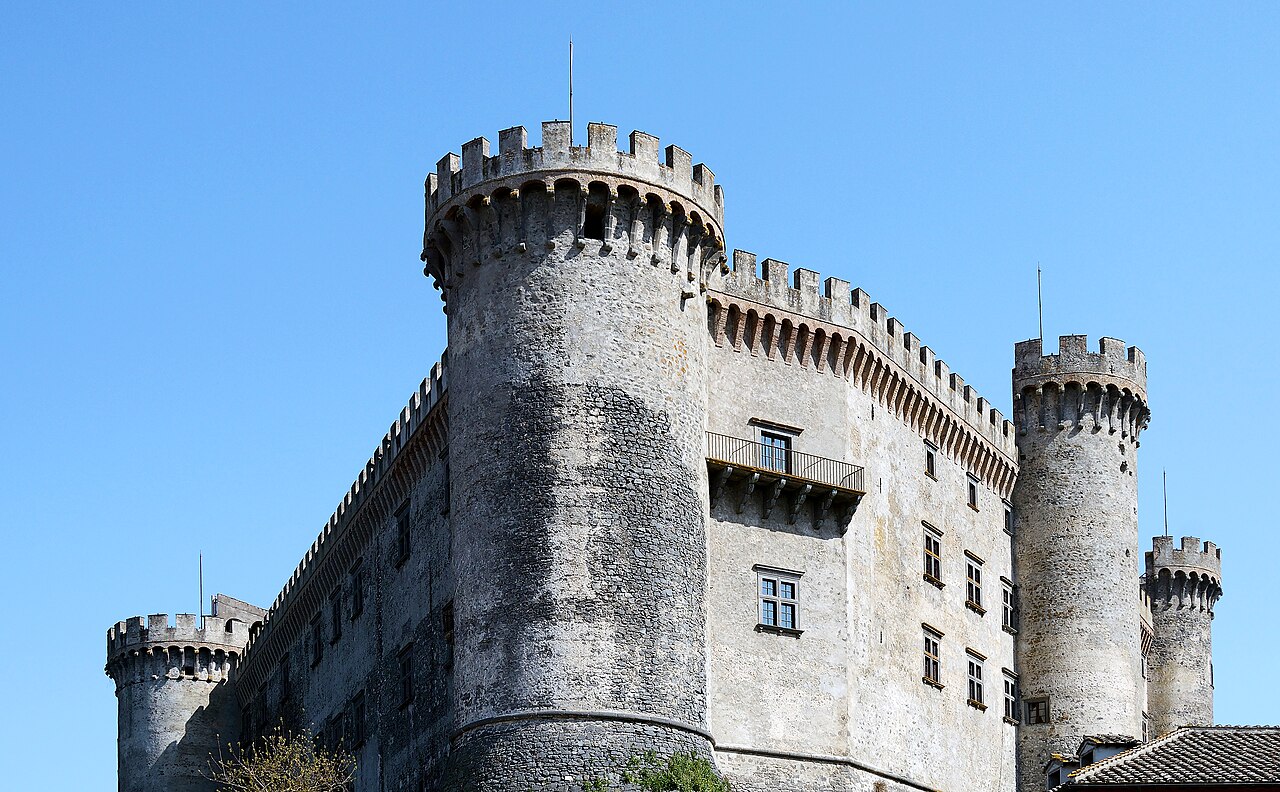
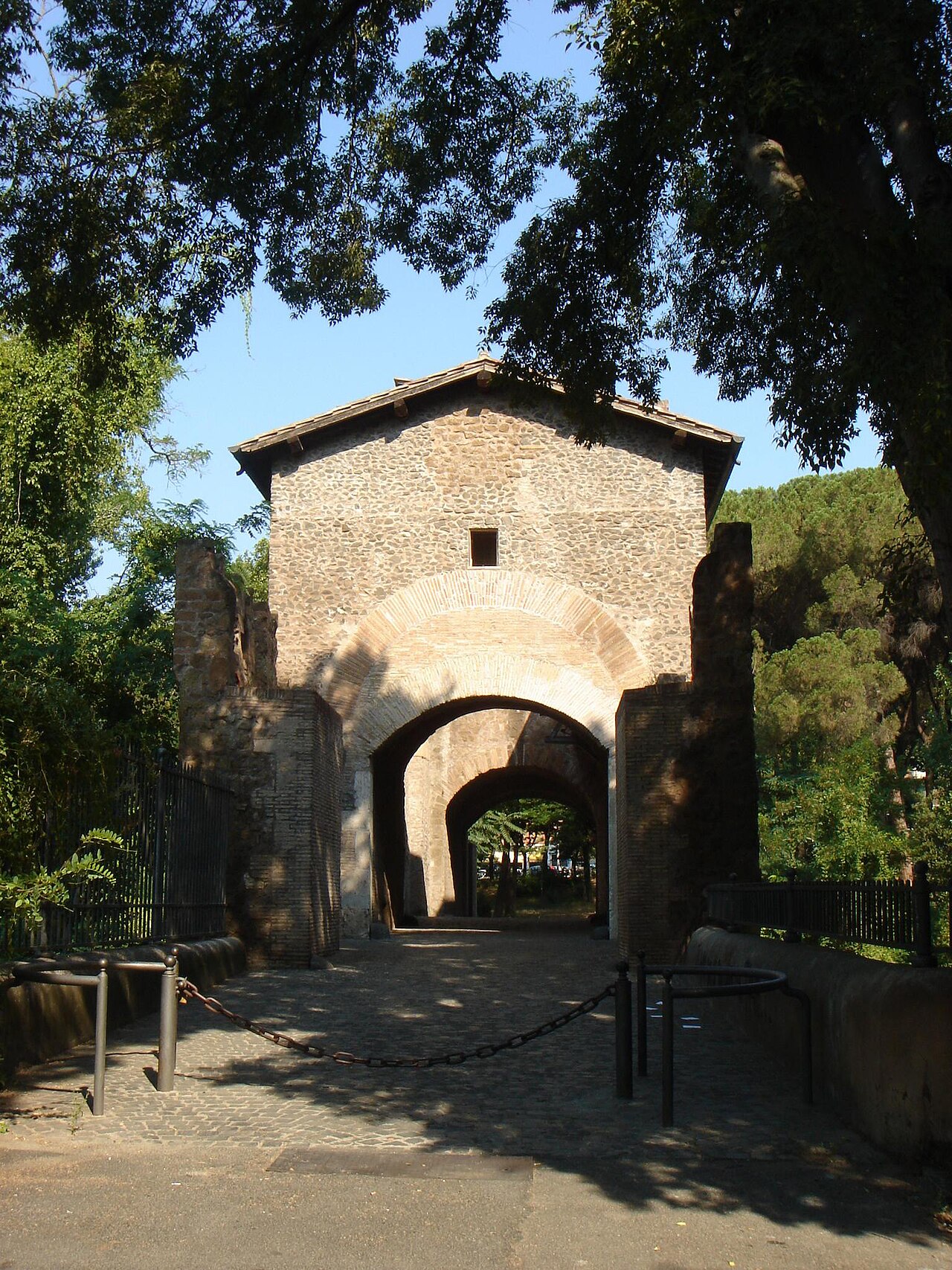
Subsequent centuries saw the addition of various buildings of differing heights, creating an irregular but cohesive hill castle complex. The castle's layout includes two prominent square towers flanking the main façade, each built during different construction phases culminating in the Renaissance period. These towers are linked by a masonry bridge that replaced the original medieval drawbridge, spanning the former defensive moat which was later filled in. The main entrance is marked by a rounded central arch beneath this bridge, emphasizing the blend of military and residential functions.
Renaissance transformation
In the 16th century, the castle's appearance was refined into its current Renaissance form. This period introduced architectural elements that balanced fortification with aesthetic appeal, reflecting the castle’s role as a countryside villa rather than a purely military fortress. The Renaissance style is evident in the harmonious proportions, symmetrical features, and the elegant design of the entrance arch and connecting bridge.
Historical context and usage
Medieval defensive role
Initially, the Castello di Torcrescenza played a strategic role in regional defense and communication during the medieval period. Its position along the Via Flaminia was critical for monitoring movement and relaying signals between towers. However, historical records suggest that its military function was somewhat limited, serving more as a lookout than a heavily fortified stronghold.
Transition to rural villa and agricultural estate
By the 16th century, the castle had transitioned into a rural villa, as documented in a 1547 map by Eufrosino della Volpaia, which refers to the site as the "Torre dei Crescenzi" within a rural estate complementing the owner's urban residence. Later accounts from the 17th and early 18th centuries, including references by Giovanni Battista Cingolani in 1692 and Domenico De Rossi in 1704, describe the property as an agricultural farmhouse called "Crefcentia." This evolution highlights the castle’s integration into the agrarian economy of the Roman countryside, serving as a residence and center for farming activities rather than a military bastion.
Modern significance and preservation
Cultural heritage and film location
In the 20th century, the Castello di Torcrescenza gained new cultural significance as a filming location. It hosted the 1963 film Il monaco di Monza, starring the famous Italian actor Totò, and has been featured in various television and cinema productions through the 2010s. This use underscores the castle's atmospheric qualities and well-preserved architecture, making it a valuable asset for cultural and artistic endeavors.
Current condition and architectural legacy
Today, the castle stands as a well-preserved hill castle showcasing a blend of medieval and Renaissance architectural elements. The two battlemented square towers, the masonry bridge, and the rounded entrance arch remain prominent features. Although the defensive moat has been filled in, the overall structure retains its historic character and offers insight into the adaptive reuse of medieval fortifications in rural Italy. The castle exemplifies the architectural evolution from a military lookout to a Renaissance villa integrated within the agricultural landscape.
Frequently asked questions (FAQ)
- When was Castello di Torcrescenza originally built?
- Castello di Torcrescenza was originally constructed in the 11th century during the High Medieval period as a defensive tower along the Via Flaminia.
- What architectural styles are present at Castello di Torcrescenza?
- The castle features a blend of medieval military architecture and Renaissance style, with its original tuff stone tower and later Renaissance expansions.
- What was the primary historical function of Castello di Torcrescenza?
- Initially, it served as a lookout and part of a communication system along the Via Flaminia, later transitioning into a rural villa and agricultural estate.
- Is Castello di Torcrescenza accessible to visitors?
- Visitor information is limited, so it is advisable to check local sources or tourism offices near Rome for current access and visiting hours.
- Why is Castello di Torcrescenza significant in film history?
- The castle was used as a filming location for the 1963 film Il monaco di Monza and has appeared in various television and cinema productions into the 2010s.
Information
Website
Visit websiteSources & official resources
Verify the information above using these authoritative references.
Loading map...
Visitor reviews
No reviews yet. Been here? Write the first review and help other travelers!
Write the first reviewVisited this castle? Share your experience
Your review helps other travelers and adds first-hand knowledge to our encyclopedia.