Porta Pia
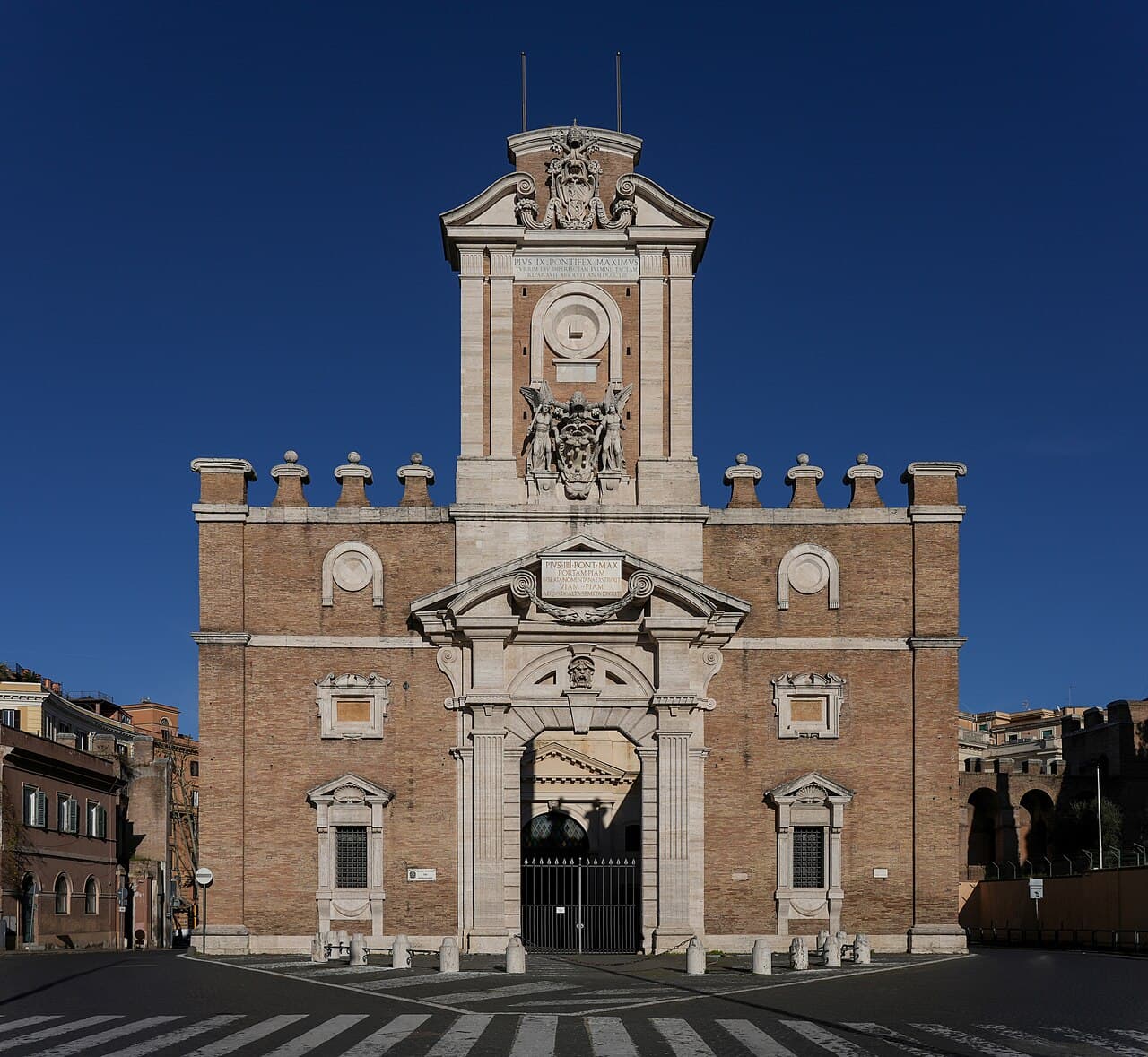
Porta Pia stands as a significant example of Renaissance military architecture and urban design in Rome, Italy. This bastioned fortress gate was commissioned by Pope Pius IV as part of major civic improvements to the city during the mid-16th century. It replaced the older Porta Nomentana, which was closed at the same time, marking a strategic shift in the city's defensive and urban layout. The gate was designed by the renowned artist and architect Michelangelo Buonarroti, whose involvement adds considerable historical and architectural interest to the structure.
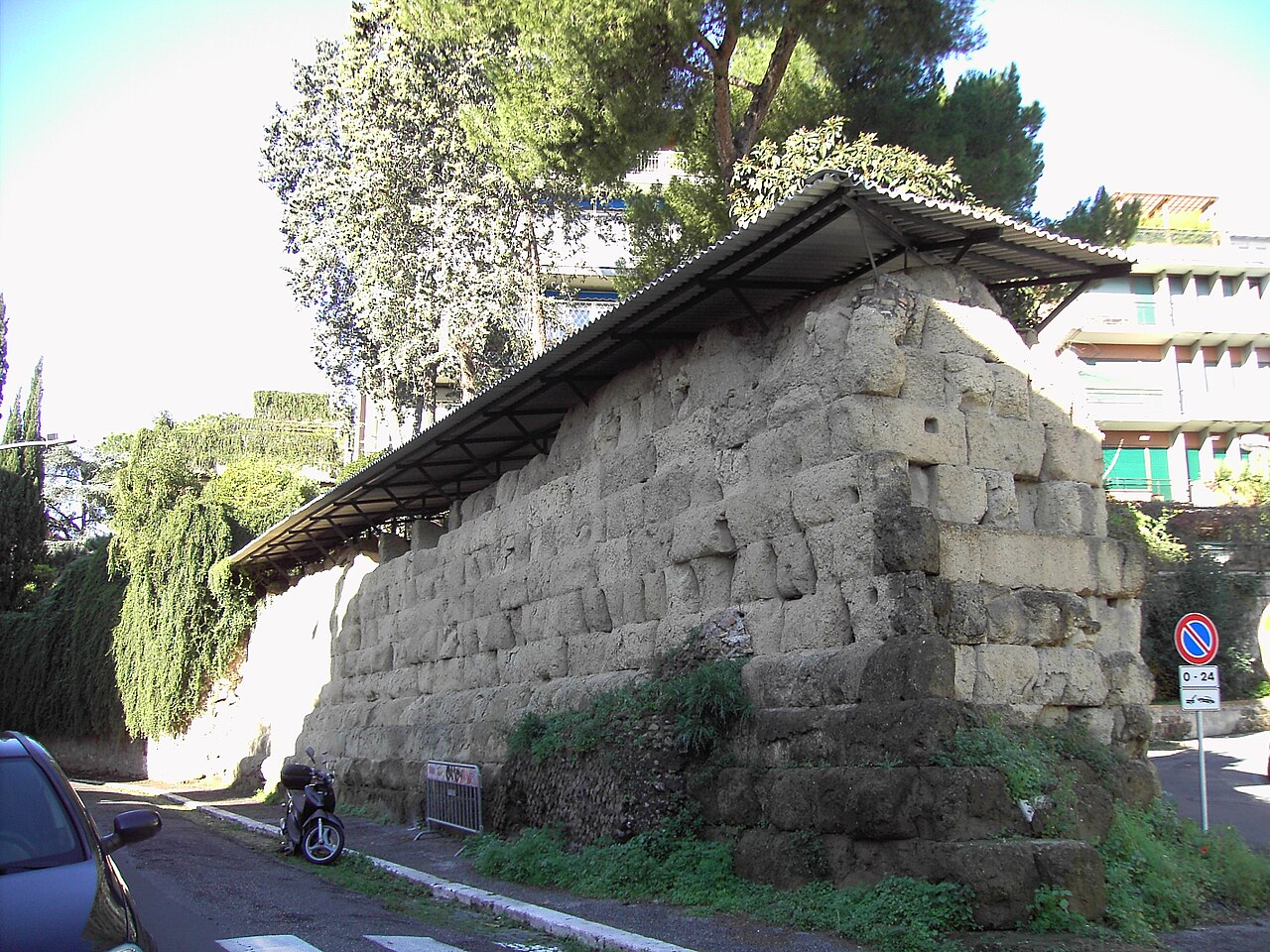
Construction of Porta Pia began in 1561 and was completed in 1565, shortly after Michelangelo's death. The gate was part of the Aurelian Walls, the ancient fortifications that encircle Rome. Michelangelo's design was innovative for its time, incorporating Renaissance ideals of symmetry, proportion, and classical motifs, while also adapting to the defensive needs of a bastioned fortress. An early plan of the gate, depicted on a 1561 bronze commemorative medal by Gian Federico Bonzagna, shows a design markedly different from the final execution, reflecting the evolution of Michelangelo's architectural vision.
Architectural design and features
The gate's design reflects the transition from medieval fortifications to Renaissance military architecture, characterized by the integration of bastions to better resist artillery attacks. Porta Pia features a robust bastioned structure that combines both defensive and ceremonial functions. The gate's façade, originally designed by Michelangelo, showcases classical elements such as pilasters and entablatures, blending functionality with aesthetic refinement.
One of the most notable architectural aspects of Porta Pia is its asymmetrical layout, which was unusual for the period. This design choice was likely influenced by the site's topography and existing urban fabric. The gate includes a large central archway for vehicular traffic and smaller pedestrian portals, framed by strong stone masonry and decorative elements that emphasize its monumental character.
Neo-Classical façade completion
The external façade of Porta Pia, facing outward from the city, was completed much later, in 1869, under the direction of architect Virginio Vespignani. This addition introduced Neo-Classical stylistic elements that harmonized with the original Renaissance structure while updating its appearance to 19th-century tastes. Vespignani's work included refined stone carvings and a more formalized architectural language, enhancing the gate's prominence as a city landmark.
Historical context and significance
Porta Pia was part of a broader program of urban renewal and fortification enhancement initiated by Pope Pius IV, aimed at strengthening Rome's defenses and improving city access. Its construction reflected the changing military technologies of the Renaissance, particularly the need to accommodate artillery in city defenses. The gate's location at the end of the newly created Via Pia street symbolized the modernization of Rome's urban planning.
Throughout its history, Porta Pia has witnessed significant events, including the capture of Rome in 1870, which marked the end of the Papal States and the unification of Italy. The gate thus holds both military and symbolic importance in Italian history.
Preservation and current status
Today, Porta Pia is well preserved and remains an important historical monument within Rome's cityscape. It serves not only as a reminder of Renaissance architectural innovation but also as a testament to the city's layered history from antiquity through the modern era. The gate is accessible to visitors and continues to be studied for its unique combination of artistic and military architectural features.
Frequently asked questions (FAQ)
- What is the historical significance of Porta Pia in Rome?
- Porta Pia was a key Renaissance gate in the Aurelian Walls, symbolizing urban renewal under Pope Pius IV and witnessing Rome's capture in 1870.
- Who designed Porta Pia and when was it built?
- The gate was designed by Michelangelo and constructed between 1561 and 1565, shortly before his death.
- What architectural styles are represented in Porta Pia?
- Porta Pia combines Renaissance design by Michelangelo with a Neo-Classical façade completed in 1869 by Virginio Vespignani.
- Can visitors access Porta Pia today?
- Yes, Porta Pia is well preserved and accessible to visitors as an important historical monument in Rome.
- Where is Porta Pia located in Rome?
- Porta Pia is located at Piazza di Porta Pia in the Lazio region of Rome, Italy.
Photo gallery

Information
Address
Piazza di Porta Pia, 00198 Rome, Italy
Loading map...
Visitor reviews
No reviews yet. Been here? Write the first review and help other travelers!
Write the first reviewVisited this castle? Share your experience
Your review helps other travelers and adds first-hand knowledge to our encyclopedia.