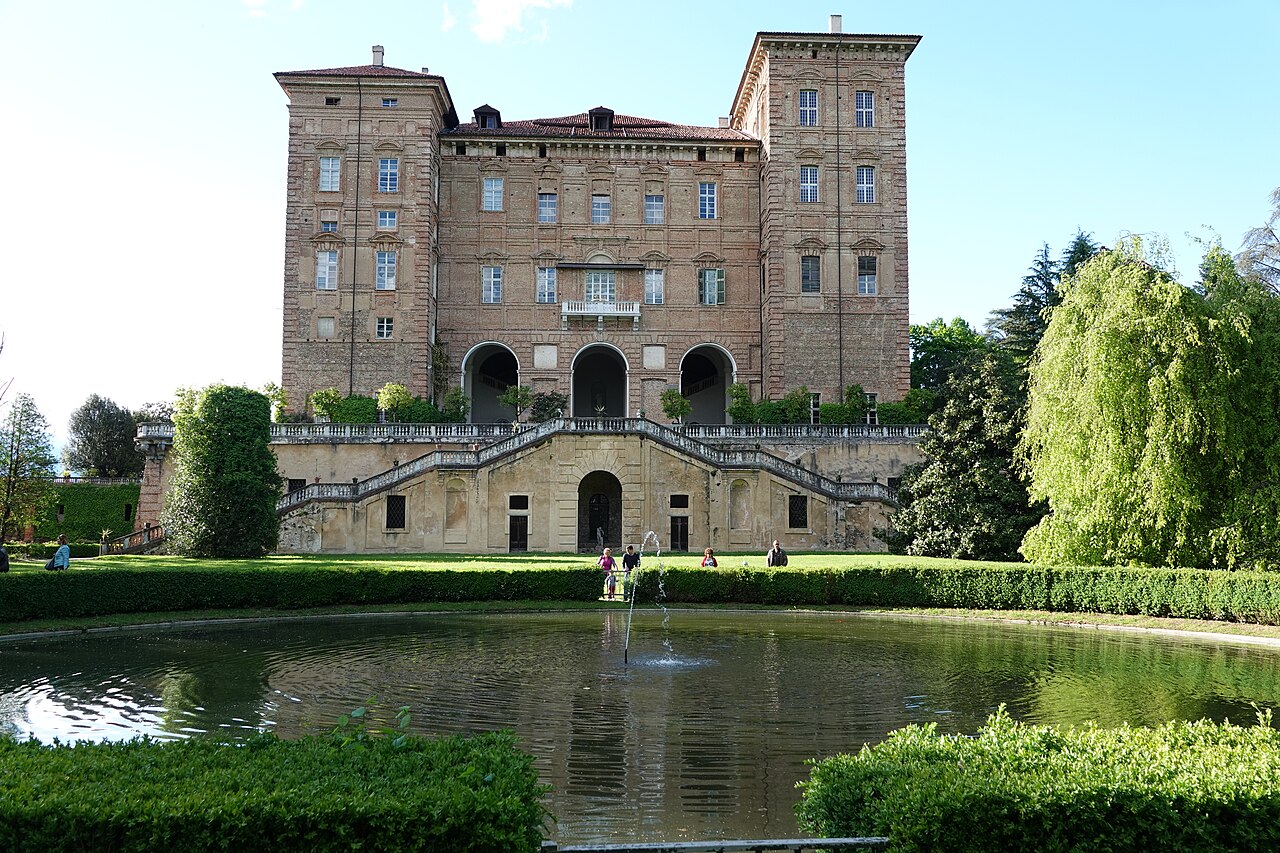
Castello di Strambinello
Castello di Strambinello is a historically significant 12th-century hill castle located in the municipality of Strambinello, within the Piedmont region of northern Italy. This medieval fortress was originally constructed to serve as a strategic defensive stronghold in the Pedanea area, playing a vital role in regional protection and control during the Middle Ages. Its quadrangular layout and corner towers exemplify typical military architecture of the period, designed for both surveillance and defense against attackers.
The castle's early history is closely tied to prominent noble families. Initially owned by the Counts of San Martino, it later passed to the Counts of Castellamonte in 1310, marking a notable transition in stewardship. The fortress endured significant turmoil during the Tuchini revolt of 1387, when it was attacked and largely destroyed. Despite this devastation, the castle was rebuilt in subsequent centuries, preserving key elements of its medieval character.
Medieval origins and architectural features
The original construction of Castello di Strambinello reflects the military architectural trends of the 12th century, emphasizing robust fortifications. Its quadrangular plan is reinforced by four corner towers, which provided a defensive advantage by allowing defenders to cover all approaches with crossfire. The castle's walls were likely thick and equipped with battlements, typical of hill castles designed to withstand sieges.
Though much of the medieval structure was damaged during the late 14th century, surviving elements such as the foundational walls and tower bases offer insight into the original defensive design. The castle's elevated position on a hill further enhanced its strategic value, enabling control over the surrounding landscape and communication with neighboring fortifications.
Renaissance and baroque transformations
In the 17th century, Castello di Strambinello underwent extensive renovations to reflect contemporary tastes and the evolving role of castles from purely military fortresses to noble residences. These modifications included the addition of large fireplaces adorned with the coats of arms of the noble families who owned the castle, signaling prestige and lineage.
One particularly notable interior feature is a chamber dedicated to Charles Emmanuel II, Duke of Savoy, underscoring the castle's connection to important regional rulers. These enhancements introduced elements of comfort and status, blending defensive architecture with residential grandeur.
Ownership changes and adaptive reuse
The castle's ownership history reflects the complex social and political shifts in Piedmont. After the Counts of Castellamonte, the property passed by marriage to the Counts of Bersano in the late 17th century, and later to the Counts of Barone in the 18th century. Each transition brought subtle changes to the castle's function and upkeep.
During the 19th century, the castle's role shifted dramatically as it was partitioned among several bourgeois families. It was repurposed for agricultural uses, serving as a farmhouse, cellar, and stable. This adaptive reuse, while practical, led to gradual deterioration of some architectural elements, reflecting a broader trend of decline for many historic castles during this period.
20th-century restoration and modern adaptation
By the 1980s, Castello di Strambinello had fallen into a state of ruin. Restoration efforts were initiated to stabilize the structure and preserve its historical significance. These renovations were carefully executed to maintain the castle's medieval fortifications and 17th-century decorative features, such as the noble family coats of arms and the dedicated chamber to Charles Emmanuel II.
The restoration also adapted the castle for contemporary use as a hotel, allowing visitors to experience its historical ambiance firsthand. This sensitive approach ensured the preservation of the castle’s layered architectural heritage while providing a sustainable future for the site.
Architectural details and surviving elements
The castle's quadrangular fortress plan remains clearly visible today, with its four corner towers standing as prominent features. These towers originally served defensive purposes, offering vantage points for guards and archers. The thick walls and battlements, while partially restored, still convey the castle’s martial origins.
Inside, the large fireplaces from the 17th-century renovations are among the most striking features. Their elaborate mantels bear the heraldic symbols of the noble families who once inhabited the castle, serving as both functional and symbolic elements. The chamber dedicated to Charles Emmanuel II provides a glimpse into the castle’s connection to the House of Savoy, a dominant power in the region.
Despite the 19th-century adaptations for agricultural use, much of the castle’s medieval and early modern fabric survives. The restoration has preserved these elements, allowing visitors to appreciate the castle's historical evolution from a defensive stronghold to a noble residence and finally to a modern hospitality venue.
Cultural significance and tourism today
Castello di Strambinello stands as a testament to the rich history of Piedmont and the broader Italian medieval and early modern periods. Its layered architecture encapsulates centuries of social, political, and military change. Today, as a restored hotel, it offers a unique opportunity for guests to immerse themselves in the atmosphere of a historic fortress while enjoying modern comforts.
The castle’s preservation contributes to the cultural heritage of the region, attracting visitors interested in medieval architecture, noble lineage, and Italian history. Its strategic hilltop location also provides picturesque views of the surrounding landscape, enhancing its appeal as a tourist destination.
Visitors can explore the castle’s exterior fortifications, admire the heraldic fireplaces, and appreciate the blend of medieval and Baroque architectural elements. The site exemplifies how historic castles can be successfully adapted for contemporary use while honoring their historical and architectural significance.
Frequently asked questions (FAQ)
- How do I get to Castello di Strambinello?
- Castello di Strambinello is located in the charming town of Strambinello, Italy. You can reach the castle by car, with parking available nearby, or by taking public transport to the nearest town and then walking to the castle. The scenic views along the way make for a pleasant journey.
- What is the historical significance of Castello di Strambinello?
- Castello di Strambinello dates back to the medieval period and played a crucial role in the defense of the region. Its architecture and design reflect the strategic importance it held in the past, providing insight into the feudal system of the time. Today, it stands as a testament to the rich history of the area.
- When was Castello di Strambinello built?
- The construction of Castello di Strambinello began in the 12th century, with various modifications made over the centuries. The castle showcases elements from different architectural styles, highlighting its evolution through time. Its enduring presence offers visitors a glimpse into the past.
- Can I take guided tours of the castle?
- Yes, guided tours of Castello di Strambinello are available and are a fantastic way to learn about its history and architecture. Tours are usually conducted in multiple languages and last approximately one hour. It's advisable to check in advance for tour schedules and availability.
- Why is the architecture of Castello di Strambinello unique?
- The architecture of Castello di Strambinello features a blend of Romanesque and Gothic styles, which is unusual for castles in the region. Its sturdy stone walls, intricate carvings, and well-preserved towers reflect the craftsmanship of the medieval builders. This unique design attracts architecture enthusiasts from around the world.
- Is it possible to host events at Castello di Strambinello?
- Yes, Castello di Strambinello offers facilities for hosting various events, including weddings and corporate gatherings. The picturesque setting and historical ambiance make it a popular choice for such occasions. Interested parties should contact the castle management for more details on availability and services.
- What are the opening hours for Castello di Strambinello?
- Castello di Strambinello is typically open to visitors from 10 AM to 5 PM, Tuesday through Sunday. It is closed on Mondays and certain public holidays. It is advisable to check the official website for any seasonal changes in opening hours before planning your visit.
- What is the best time to visit Castello di Strambinello?
- The best time to visit Castello di Strambinello is during the spring and early fall when the weather is mild and pleasant. These seasons also tend to have fewer tourists, allowing for a more enjoyable experience. Special events and festivals may also be held during these times, enhancing your visit.
- How much do tickets cost for visiting the castle?
- Tickets for visiting Castello di Strambinello are generally priced at around €10 for adults, with discounts available for children and seniors. Family packages may also be offered, providing a more affordable option for larger groups. It's a good idea to check the official website for the latest pricing and any special promotions.
- Are there any nearby attractions to explore after visiting the castle?
- Yes, there are several nearby attractions worth exploring after your visit to Castello di Strambinello. The surrounding countryside is perfect for hiking and enjoying nature, while local museums and historical sites offer additional cultural insights. Be sure to ask the castle staff for recommendations to enhance your experience in the area.
Information
Website
Visit websiteSources & official resources
Verify the information above using these authoritative references.
Loading map...
Visitor reviews
No reviews yet. Been here? Write the first review and help other travelers!
Write the first reviewVisited this castle? Share your experience
Your review helps other travelers and adds first-hand knowledge to our encyclopedia.