Castello di Isola Farnese
The Castello di Isola Farnese is a significant hill castle located in the rural area of Isola Farnese within the municipality of Rome, Italy. Originally constructed in the 13th century by the powerful Orsini family, this medieval fortress served as a strategic stronghold and symbol of territorial control during the Middle Ages. The Orsini lineage, influential in central Italy, established the castle as a baronial seat, reflecting its dual military and administrative functions.
Throughout the Late Medieval period, the castle maintained its importance as a noble residence and center of local governance. In the 16th century, ownership transitioned to the Farnese family, marking a pivotal chapter in the castle's history. The Farnese, renowned patrons of Renaissance culture and architecture, commissioned significant renovations to modernize the fortress into a refined noble residence.
Renaissance transformation under Cardinal Alessandro Farnese
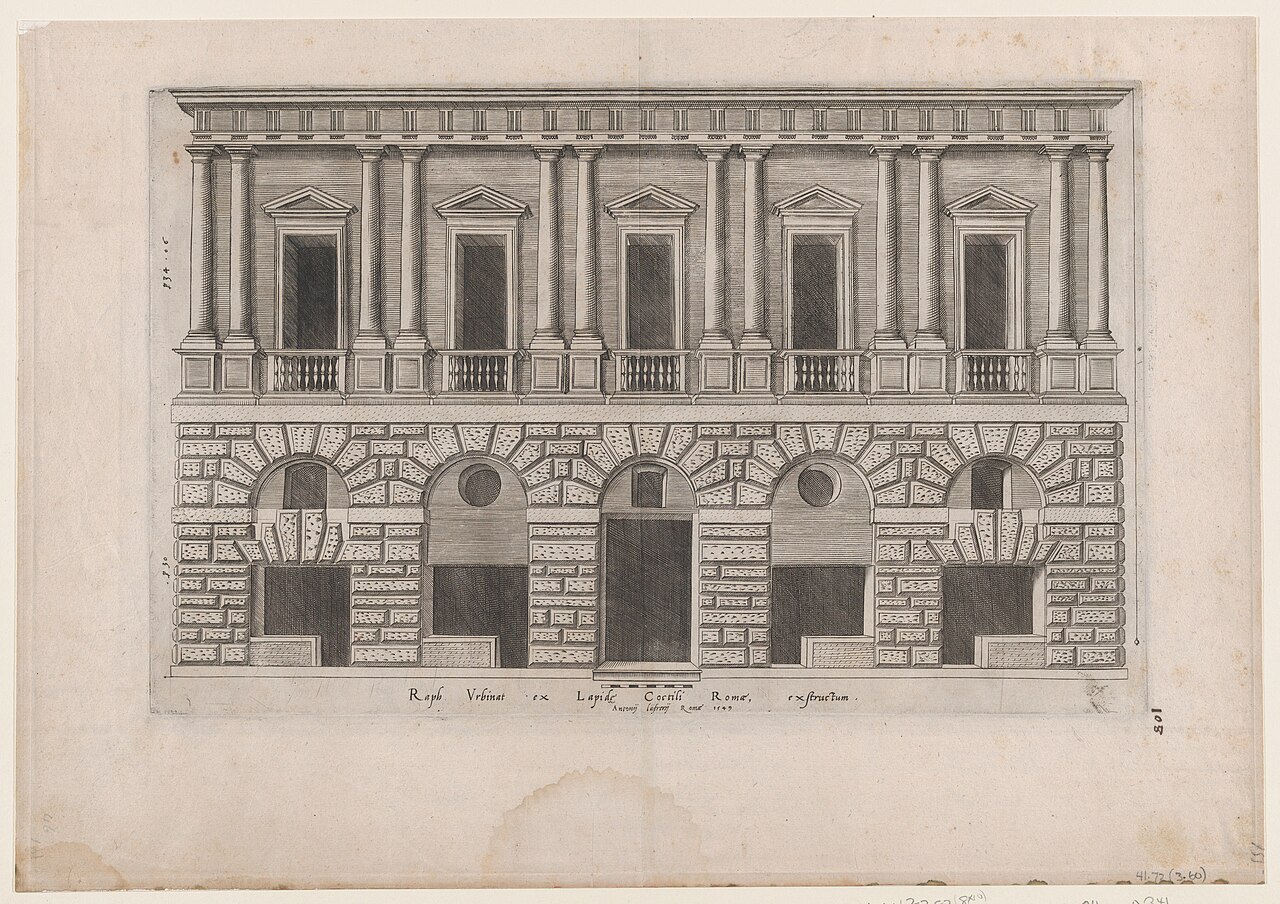
In 1567, Cardinal Alessandro Farnese engaged the eminent Renaissance architect Jacopo Barozzi da Vignola to redesign and enhance the castle's structure. Vignola, celebrated for his mastery of Renaissance architectural principles, introduced stylistic and functional improvements that harmonized the medieval fortress with contemporary tastes. These modifications included the integration of a baronial palace within the castle walls, blending defensive elements with residential elegance.
The renovations emphasized Renaissance architectural features such as balanced proportions, refined masonry, and ornamental details reflective of the period's aesthetic ideals. While the medieval core of the castle remained evident, Vignola's work transformed the fortress into a symbol of Renaissance nobility and cultural sophistication.
Historical significance and ownership changes
The castle's history is intertwined with the shifting political landscape of central Italy. In 1649, Ranuccio II Farnese ceded the Duchy of Castro and related properties, including Castello di Isola Farnese, to the Apostolic Chamber of the Papal States. This transfer reflects the broader territorial realignments affecting noble estates during the 17th century.
Over subsequent centuries, the castle was associated with several prominent European aristocrats, including Maria Anna of Savoy, Maria Cristina of Bourbon-Two Sicilies (Queen consort of Sardinia), and Teresa Cristina, Empress of Brazil. In the 20th century, ownership passed to the Ferraioli family and later to the Di Robilant family, who have maintained the estate since 1961. Throughout its history, the castle has functioned primarily as a rural noble residence rather than a military fortress.
Architectural features and preservation
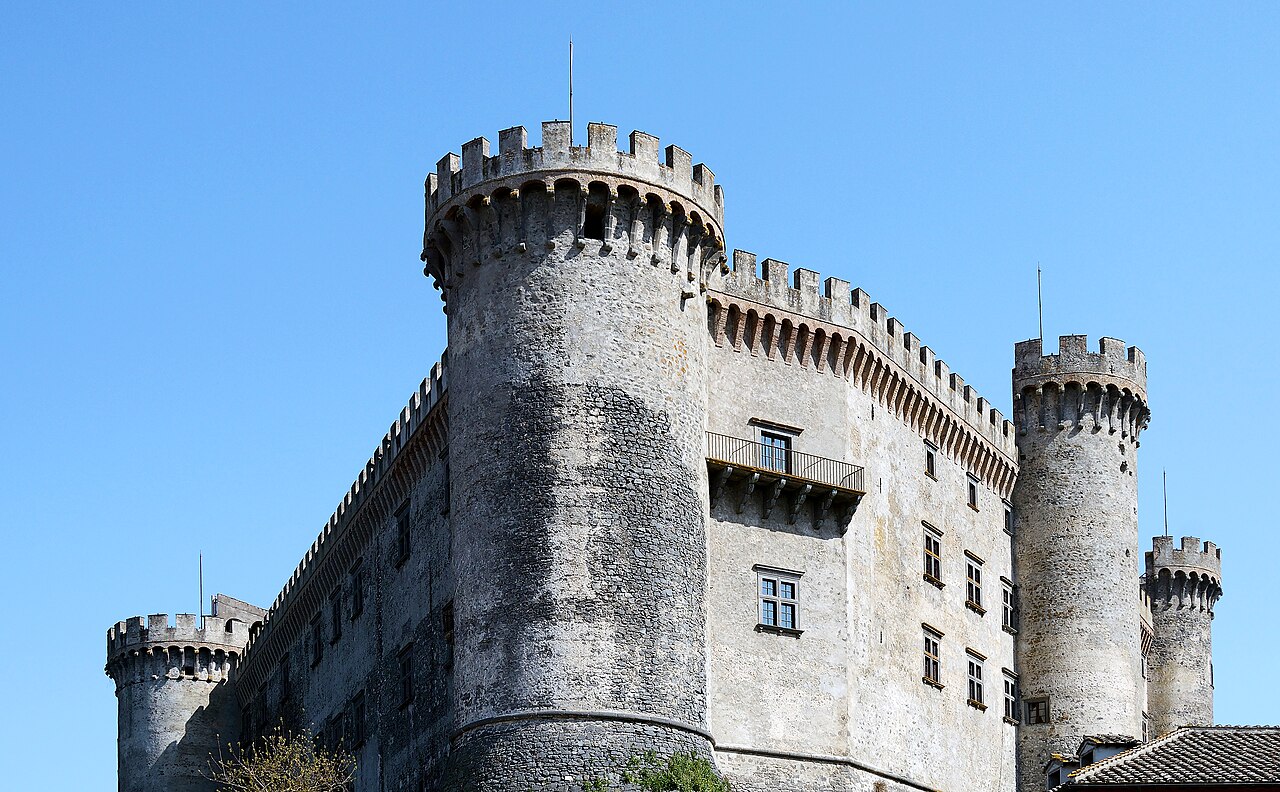
The Castello di Isola Farnese retains a blend of medieval and Renaissance architectural elements. The original 13th-century fortress design is still perceptible in the castle's robust walls and defensive layout. The Renaissance renovations introduced by Vignola are evident in the palace's harmonious proportions and decorative masonry.
Although detailed descriptions of specific architectural features are limited, photographic evidence highlights the castle's solid exterior and well-preserved condition. The castle's structure includes typical medieval fortification components such as battlements and towers, alongside Renaissance residential quarters.
Location and historical context
Situated amidst the rural estates of Isola Farnese, the castle occupies a historically rich landscape connected to the ancient city of Veii and its extensive Etruscan cemeteries. This setting situates the castle within a continuum of Italian history spanning from antiquity through the medieval and Renaissance periods.
While archaeological studies directly related to the castle are scarce, the surrounding area's historical significance enhances the cultural value of the site.
Visiting and cultural importance
Today, Castello di Isola Farnese stands as a testament to the evolution of Italian noble residences from medieval fortresses to Renaissance palaces. Its preservation allows visitors and scholars to appreciate the architectural transitions and noble heritage of the region.
The castle's association with prominent families and historical figures enriches its narrative, making it a noteworthy destination for those interested in medieval and Renaissance architecture, Italian history, and aristocratic culture.
Frequently asked questions (FAQ)
- How do I get to Castello di Isola Farnese?
- You can reach Castello di Isola Farnese by taking public transport from central Rome. The nearest bus stop is a short walk from the castle, and you can also opt for a taxi for a more direct route. Additionally, consider renting a bicycle to enjoy the scenic views along the way.
- What is the historical significance of Castello di Isola Farnese?
- Castello di Isola Farnese dates back to the Middle Ages and has played an important role in the defense of the region. It was originally built as a fortress and later transformed into a noble residence, reflecting the power dynamics of its time. The castle is also associated with various historical events and prominent families, making it a key site for understanding local history.
- When was Castello di Isola Farnese built?
- The origins of Castello di Isola Farnese can be traced back to the 9th century, although the structure underwent significant renovations in the 15th century. Its architecture showcases various styles that evolved over centuries, making it a fascinating example of historical construction. The castle's enduring presence highlights its importance in the region's history.
- Can I visit Castello di Isola Farnese?
- Yes, visitors are welcome to explore Castello di Isola Farnese, but be sure to check the opening hours before your visit. Guided tours are often available, providing insights into the castle's rich history and architecture. It's recommended to book in advance, especially during peak tourist seasons.
- Why is Castello di Isola Farnese considered an architectural gem?
- Castello di Isola Farnese is renowned for its unique blend of medieval and Renaissance architectural styles. The castle features impressive stonework and strategically placed towers that offer stunning views of the surrounding landscape. This combination of historical significance and architectural beauty makes it a must-see for visitors.
- Is it possible to access Castello di Isola Farnese with a wheelchair?
- While efforts have been made to improve accessibility, some parts of Castello di Isola Farnese may present challenges for wheelchair users due to uneven terrain and stairs. It is advisable to contact the castle management directly for specific accessibility options and assistance. Planning ahead ensures a more enjoyable visit.
- What are the opening hours for Castello di Isola Farnese?
- Castello di Isola Farnese typically opens to visitors from 10 AM to 5 PM, but hours may vary depending on the season. It is advisable to confirm the hours on the official website or contact the castle before your visit. Special holiday hours may also apply, so check for any updates.
- What are the ticket prices for visiting Castello di Isola Farnese?
- Ticket prices for Castello di Isola Farnese are generally affordable, with discounts available for students and seniors. Children under a certain age may enter for free. To get the most accurate and up-to-date information on ticket prices, visit the official website or inquire at the entrance.
- What nearby attractions should I visit while at Castello di Isola Farnese?
- While visiting Castello di Isola Farnese, consider exploring the beautiful surrounding countryside and nearby ancient ruins. The charming village of Isola Farnese offers quaint streets and local eateries. Other attractions in the vicinity include the Veio Park, perfect for nature walks and picnics.
Information
Website
Visit websiteSources & official resources
Verify the information above using these authoritative references.
Loading map...
Visitor reviews
No reviews yet. Been here? Write the first review and help other travelers!
Write the first reviewVisited this castle? Share your experience
Your review helps other travelers and adds first-hand knowledge to our encyclopedia.