Castello della Mandria
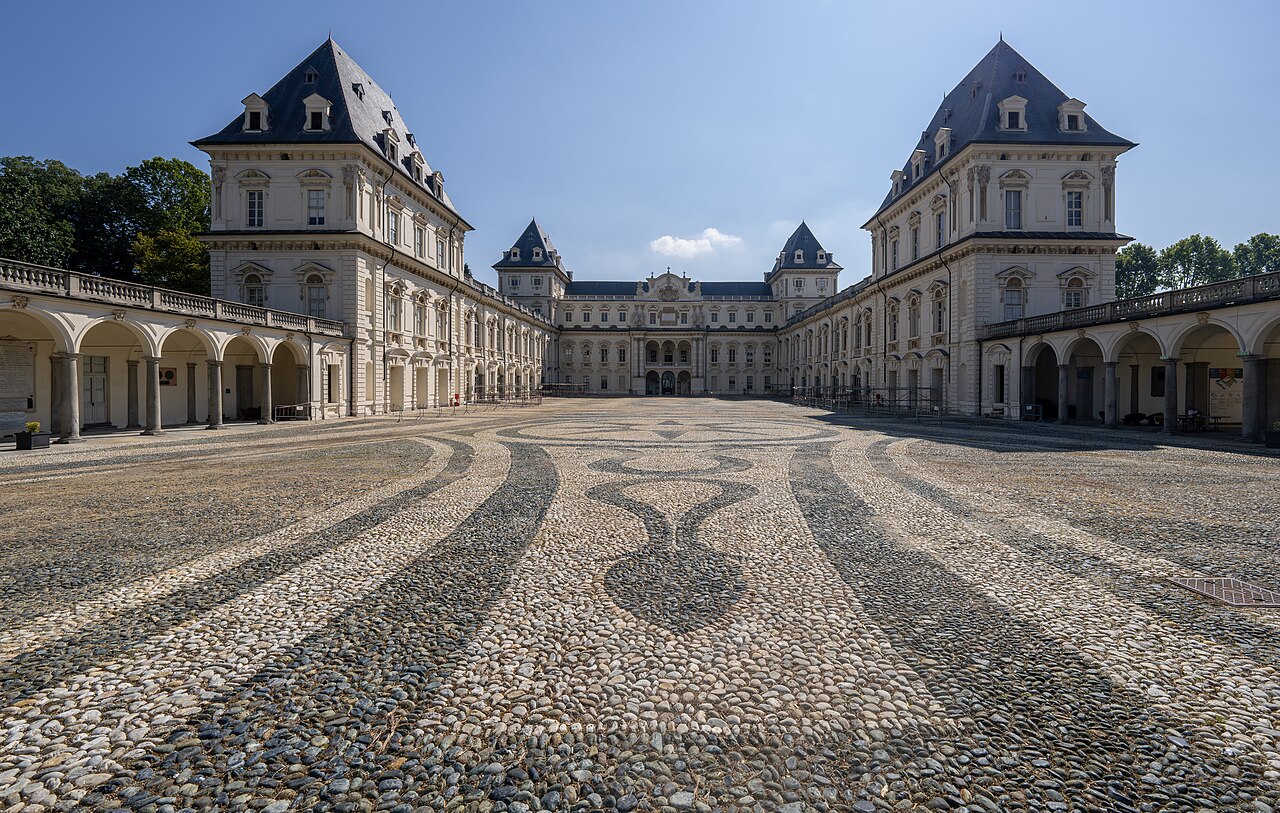
Castello della Mandria is a historic royal residence located in Venaria Reale, Italy, set within the expansive and verdant Park of La Mandria. This castle complex, originally established in the early 18th century, served as a functional and symbolic extension of the nearby Royal Palace of Venaria. Its origins lie in a hunting reserve that dates back to the 16th century, reflecting the longstanding tradition of royal hunting grounds in the region.
Early history and architectural origins
The earliest documented structure on the site was built in the 1720s under the direction of Victor Amadeus II of Savoy. He commissioned the construction of stables to support the adjacent royal palace, integrating the building into the royal hunting reserve. The renowned architect Filippo Juvarra, famed for his Baroque designs, contributed to the castle’s initial development during this period. Juvarra’s involvement ensured that the complex bore the refined architectural qualities characteristic of early 18th-century Savoyard royal projects.
Expansion and transformation in the 19th century
In 1860, the castle underwent a major transformation ordered by Victor Emmanuel II, the first king of unified Italy. The existing village was expanded into a grand castle with a total surface area of approximately 35,000 square meters. The new structure was designed with a rectangular layout measuring 280 by 100 meters, featuring three internal courtyards that enhanced both its defensive and residential functions.
This expansion was motivated by Victor Emmanuel’s desire for a private residence separate from the official royal estates, where he could live with his morganatic wife, Rosa Vercellana. Architect Domenico Ferri was commissioned to build a dedicated apartment for Rosa and her family within the castle complex, reflecting the personal and political nuances of the king’s life during the Italian Risorgimento.
Architectural style and features
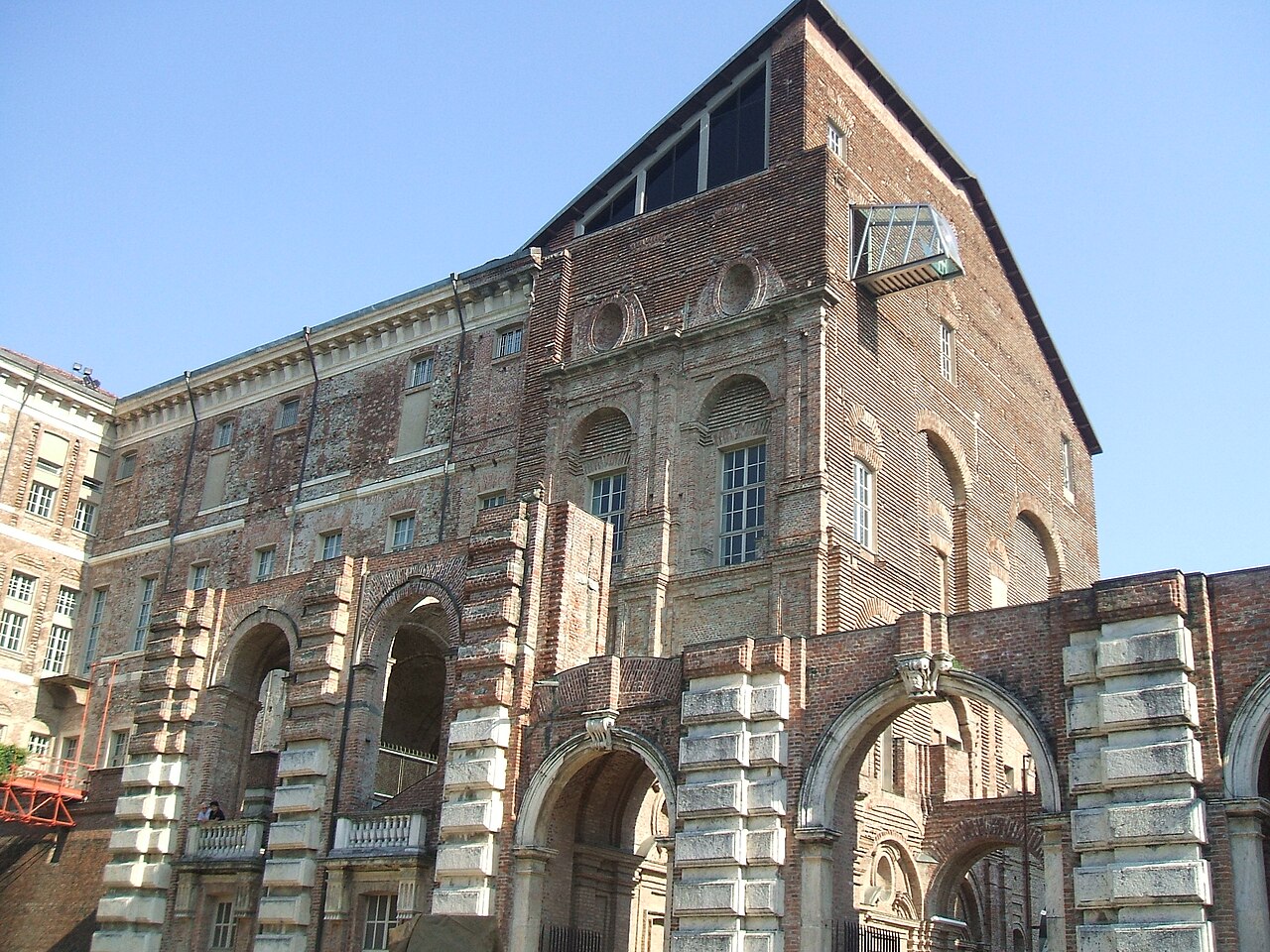
The castle’s architecture is notable for its extensive use of brickwork, a feature it shares with other Savoy residences such as the Palazzo Carignano in Turin. The 1861 addition of the Villa of the Lakes introduced a neo-Gothic wing to the complex, adding stylistic diversity and romantic historicism to the overall Baroque and early modern fabric of the castle. This wing includes ornamental elements such as pointed arches and decorative tracery, typical of neo-Gothic design.
A significant sculptural feature is the fountain depicting a sea horse fighting a triton, created by the prominent sculptor Vincenzo Vela. This fountain adds an artistic focal point to the castle grounds, symbolizing mythological themes popular in 19th-century royal art.
Royal apartments and interior decoration
The castle contains 20 rooms of royal apartments that provide insight into the personal tastes and lifestyle of Victor Emmanuel II. These rooms are fully furnished with precious objects, artworks, textiles, furniture, and furnishings sourced from the ancient collections of the House of Savoy. The interiors offer a rare glimpse into the domestic life of the first king of Italy, revealing his preferences in art and decoration during a period marked by national unification and cultural consolidation.
Visitors today can explore these apartments, which have been preserved to maintain their historical authenticity. The furnishings and decorative elements reflect a blend of 19th-century styles, including neoclassical and romantic influences, tailored to the personal narrative of the king and his morganatic family.
Cultural significance and world heritage status
In 1997, Castello della Mandria was inscribed on the UNESCO World Heritage Site list as part of the group of Residences of the House of Savoy. This designation recognizes the castle's architectural value, historical importance, and its role within the broader context of Savoyard royal residences in Piedmont.
The castle and its surrounding park continue to serve as a cultural landmark in the region, attracting visitors interested in royal history, architecture, and the Italian Risorgimento. The preservation of the castle and its interiors allows for ongoing public engagement with this significant chapter of Italian heritage.
The park of la mandria and surrounding landscape
The castle is enveloped by the Park of La Mandria, one of Europe’s largest enclosed parks, originally designed as a royal hunting reserve. The park’s extensive woodlands and natural features complement the castle’s historic function and provide a scenic setting for visitors. The integration of the castle with its natural environment exemplifies 18th and 19th-century landscape design principles that emphasized harmony between architecture and nature.
Today, the park offers walking paths, wildlife observation, and opportunities to appreciate the natural heritage alongside the architectural grandeur of the castle itself.
Frequently asked questions (FAQ)
- What is the historical significance of Castello della Mandria?
- Castello della Mandria is a significant example of 18th-century architecture and served as a hunting lodge for the Savoy dynasty. It is renowned for its lush gardens and beautiful landscapes, which reflect the harmony between nature and architecture, making it a UNESCO World Heritage site.
- When was Castello della Mandria built?
- Construction of Castello della Mandria began in the early 18th century and was completed in 1731. The castle was designed by the architect Amedeo di Castellamonte, showcasing the opulence of the Savoy family's lifestyle.
- How do I get to Castello della Mandria?
- Castello della Mandria is easily accessible by public transport from Turin. Visitors can take a train to Venaria Reale and then a short bus ride or walk to the castle grounds.
- What are the opening hours of Castello della Mandria?
- Castello della Mandria is typically open to visitors from 10 AM to 7 PM, with extended hours during the summer months. It is advisable to check the official website for any seasonal variations and special closures.
- Can I purchase tickets online for Castello della Mandria?
- Yes, tickets for Castello della Mandria can be purchased online through the official website. Buying tickets in advance is recommended to avoid long queues and to secure your preferred visiting time.
- Is it possible to explore the gardens of Castello della Mandria?
- Absolutely! The gardens of Castello della Mandria are open to visitors and offer a stunning view of the surrounding landscape. Walking through the meticulously designed gardens is a highlight of any visit.
- What is the best time to visit Castello della Mandria?
- The best time to visit Castello della Mandria is during the spring and early autumn when the weather is mild and the gardens are in full bloom. This allows visitors to fully enjoy the outdoor spaces and the beautiful natural surroundings.
- Are there any nearby attractions to visit after Castello della Mandria?
- Yes, visitors can explore the nearby Venaria Reale, known for its royal palace and gardens. Additionally, the city of Turin, with its rich history and vibrant culture, is just a short distance away.
- Is Castello della Mandria accessible for visitors with disabilities?
- Yes, Castello della Mandria is designed to be accessible for visitors with disabilities. There are ramps and designated pathways to ensure that everyone can enjoy the beauty of the castle and its grounds.
Information
Loading map...
Visitor reviews
No reviews yet. Been here? Write the first review and help other travelers!
Write the first reviewVisited this castle? Share your experience
Your review helps other travelers and adds first-hand knowledge to our encyclopedia.