Castello della Leonessa
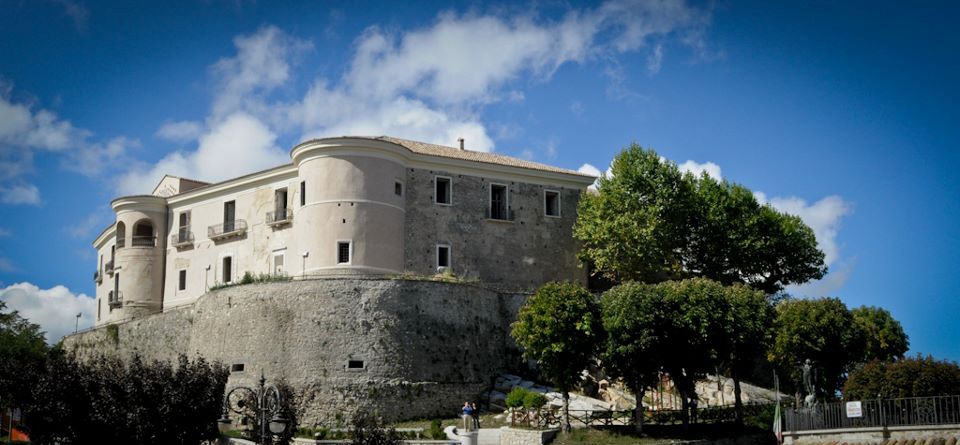
The Castello della Leonessa is a prominent hilltop fortress located in Montemiletto, within the Campania region of southern Italy. Its commanding position offers extensive views over the surrounding landscape, underscoring its historical strategic importance. The castle's origins trace back to the Early Medieval period, specifically the 8th to 9th centuries, when the Lombards, a Germanic people who ruled parts of Italy after the fall of the Roman Empire, established the initial fortification on this site.
The fortress underwent significant transformation during the High Medieval period, particularly in the 12th century, when the Normans expanded and reinforced many castles throughout southern Italy. The Castello della Leonessa was no exception, receiving architectural updates that enhanced its defensive capabilities and adapted it to the evolving military technologies and political circumstances of the era.
Historical significance and key events
The castle's history is marked by notable conflicts and ownership changes that reflect the turbulent medieval politics of the region. One of the most significant events occurred in 1119, when the fortress was besieged and set on fire by Rainulfo, count of Avellino. This assault was part of a broader conflict involving Giordano, count of Ariano, and also targeted the nearby castle of Montaperto. Despite this damage, the castle was repaired and continued to serve as a vital stronghold.
Over the centuries, the castle evolved beyond its purely military function. By the early 16th century, it had become a noble residence, reflecting the changing needs and tastes of its owners. The castle's name is linked to Giovanni de La Gonesse seniore, also known as Lagonessa, a powerful feudal lord who controlled Montemarano and surrounding territories. This association highlights the castle's role not only as a defensive structure but also as a symbol of feudal power and status.
Architectural features and layout
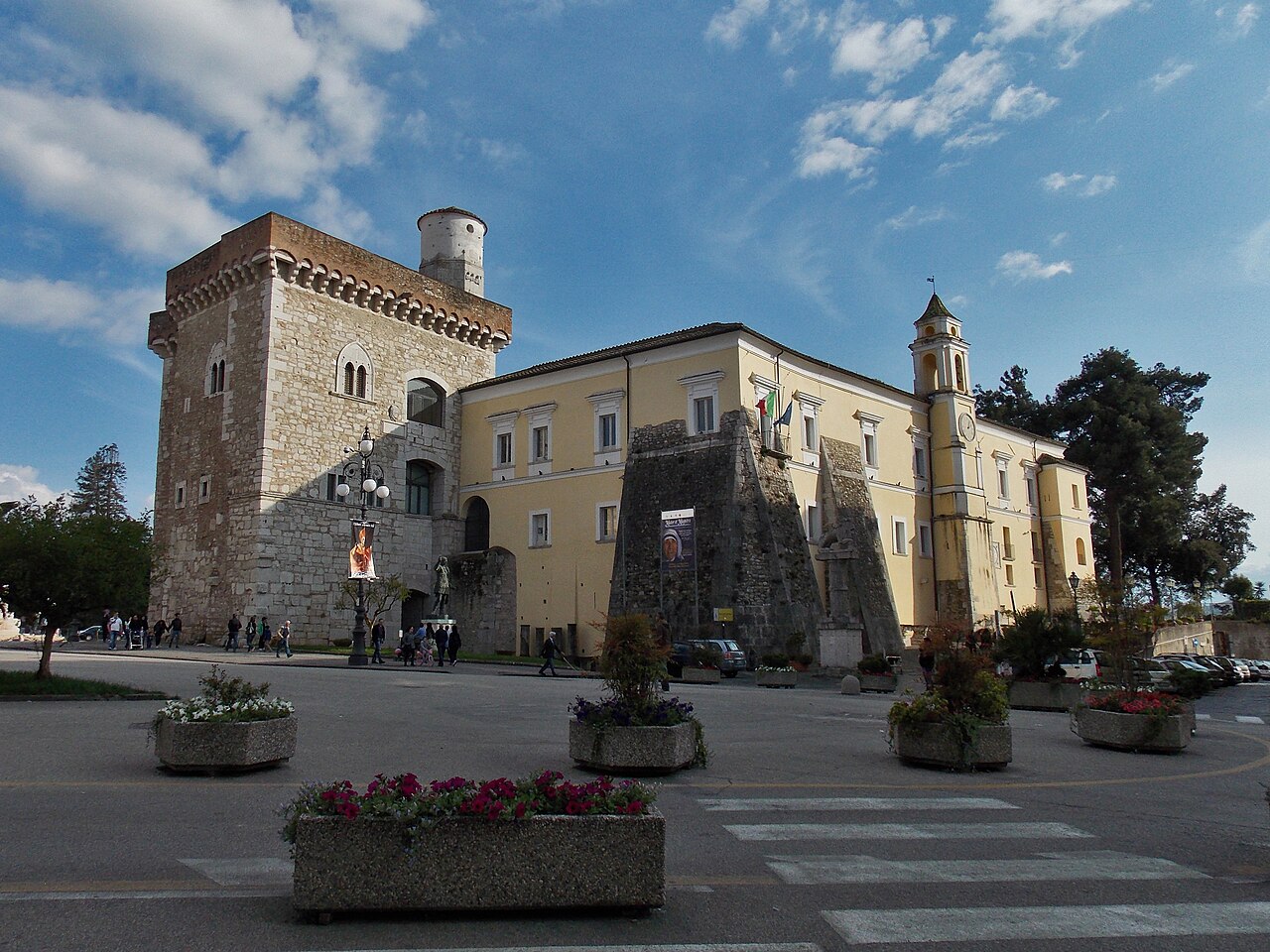
The Castello della Leonessa is built around a central keep with a roughly square layout, a common design for hilltop fortresses aimed at maximizing defensive strength. The castle's most striking architectural elements are its two tall corner towers, constructed in the Angevin style. These towers are distinctive for their shapes: one is square, while the other is cylindrical. The cylindrical tower has undergone modifications, including partial conversion into a terrace, reflecting changes in the castle's use over time.
The interior of the castle is organized across four levels. The lowest level historically housed stables, while the ground floor contained cellars and opened onto a paved courtyard. The first floor featured a large hall, notable for an entrance door adorned with a refined marble coat of arms belonging to the Tocco family, a noble lineage associated with the castle during later periods. The highest floor rises above this hall, completing the vertical arrangement of the fortress.
Courtyard and archaeological remains
Within the castle's interior courtyard, archaeological excavations have uncovered the remains of several rooms, including a small section of the original limestone block flooring. This flooring was laid over compacted soil, which has been dated to between the 7th and 9th centuries. The soil contained ceramic fragments decorated with broad red and brown bands, providing valuable evidence for dating the earliest phases of the castle's construction.
Defensive elements and adaptations
The castle's towers were equipped with battlements (known in Italian as merli), which provided defensive parapets at the top for archers and guards. These battlements are characteristic of medieval military architecture and were essential for the castle's defense against sieges and attacks.
By the early 16th century, documents record the presence of a chapel dedicated to Santa Croce within the castle complex, underscoring the religious dimension of the site. Additionally, a hanging garden featuring a water cistern was noted, illustrating the castle's adaptation toward residential comfort and status alongside its military functions.
The castle in the context of italian medieval fortifications
The Castello della Leonessa is an exemplary example of a hill castle in southern Italy, reflecting the region's complex history of Lombard, Norman, and Angevin influences. Its architectural evolution mirrors broader trends in medieval fortification design, where military necessity gradually blended with residential and symbolic functions.
The Angevin influence, visible in the distinctive tower shapes and fortification style, connects the castle to the broader network of fortresses established by the Angevins during their rule in the Kingdom of Naples. The castle's endurance through sieges and its transformation into a noble residence demonstrate its importance as both a military asset and a seat of feudal power.
Current condition and preservation
Today, the Castello della Leonessa remains a significant historical monument. Its central keep and towers are well preserved, allowing visitors to appreciate the castle's architectural features and historical layers. The modifications to the cylindrical tower and the survival of interior elements such as the marble coat of arms and limestone flooring provide insights into the castle's long history and changing functions.
Archaeological work continues to shed light on the castle's earliest phases and the daily life of its inhabitants. The site serves not only as a tourist attraction but also as a valuable resource for understanding medieval fortifications in the Campania region.
Frequently asked questions (FAQ)
- How do I get to Castello della Leonessa?
- Castello della Leonessa is located in Montemiletto, Italy, and can be accessed by car or public transport. The nearest train station is in Avellino, from where you can take a bus or taxi to reach the castle.
- What is the historical significance of Castello della Leonessa?
- Castello della Leonessa dates back to the medieval period and has played a vital role in the region's history. It was originally built as a fortress for defense purposes and has witnessed numerous battles and changes in ownership over the centuries.
- When was Castello della Leonessa built?
- The construction of Castello della Leonessa began in the 10th century and continued over the following centuries, reflecting various architectural styles. Its strategic location made it an essential stronghold during feudal times.
- Can I take guided tours of the castle?
- Yes, guided tours are available for visitors to explore Castello della Leonessa. These tours provide in-depth information about the castle's history, architecture, and significance, making your visit more enriching.
- Why is Castello della Leonessa considered an architectural gem?
- Castello della Leonessa is admired for its impressive stone walls, towers, and structural design that showcase medieval military architecture. Its well-preserved features and scenic views of the surrounding countryside add to its charm.
- Is it possible to visit Castello della Leonessa year-round?
- Yes, Castello della Leonessa is open to visitors throughout the year, though hours may vary by season. It’s advisable to check the official schedule before planning your visit to ensure you don’t miss out.
- What are the ticket prices for entering Castello della Leonessa?
- Ticket prices for Castello della Leonessa are generally affordable, with discounts available for students and seniors. Children under a certain age may enter for free, making it a great family-friendly destination.
- When is the best time to visit Castello della Leonessa?
- The best time to visit Castello della Leonessa is during the spring and fall when the weather is mild and pleasant. These seasons also offer stunning views of the surrounding landscape, enhancing your overall experience.
- What nearby attractions can I visit after exploring the castle?
- After visiting Castello della Leonessa, you can explore the charming town of Montemiletto, which features local shops and dining options. Additionally, the scenic Irpinia region offers beautiful vineyards and hiking trails for outdoor enthusiasts.
Information
Website
Visit websiteSources & official resources
Verify the information above using these authoritative references.
Loading map...
Visitor reviews
No reviews yet. Been here? Write the first review and help other travelers!
Write the first reviewVisited this castle? Share your experience
Your review helps other travelers and adds first-hand knowledge to our encyclopedia.