Castello De Sterlich-Aliprandi
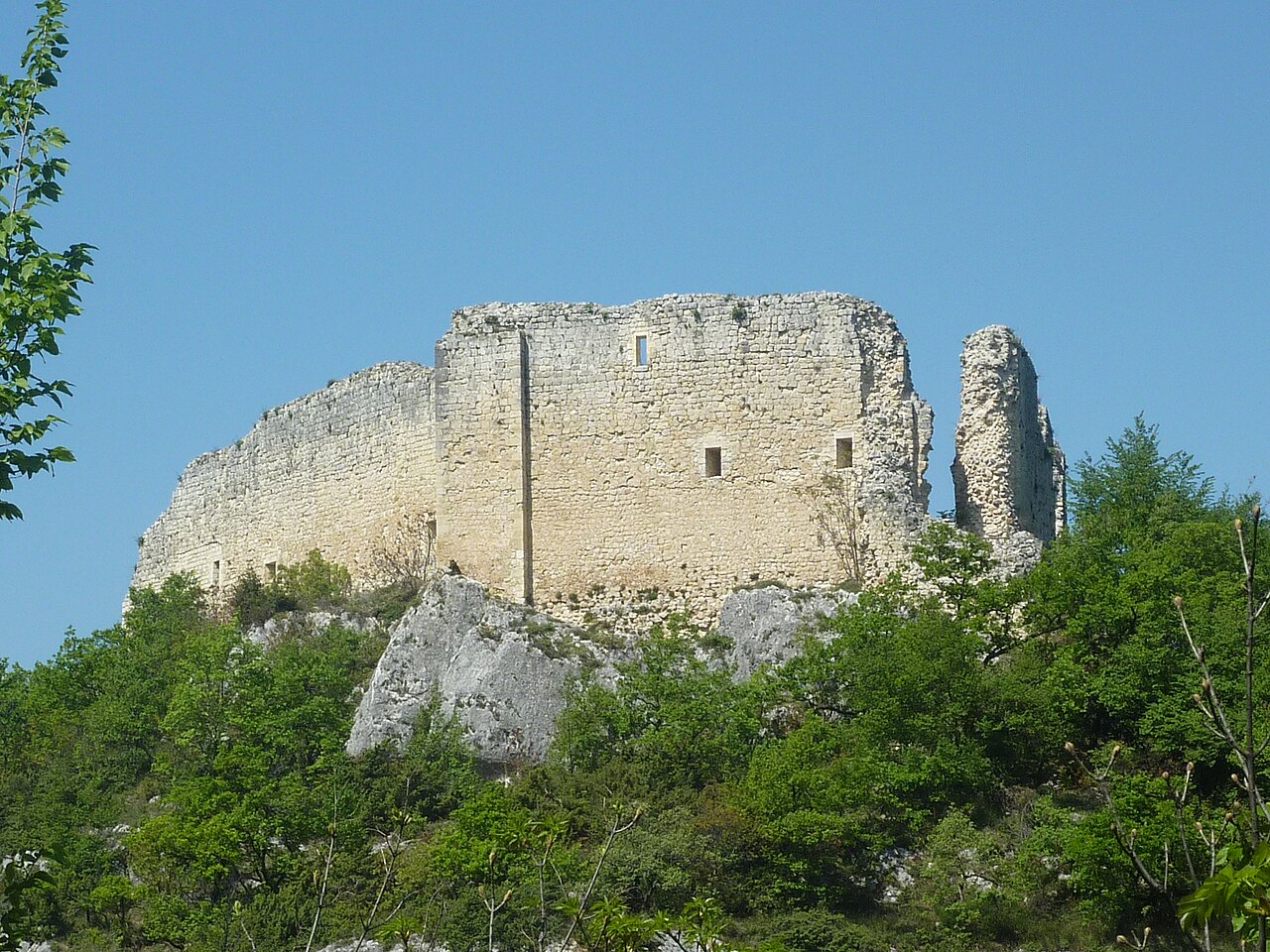
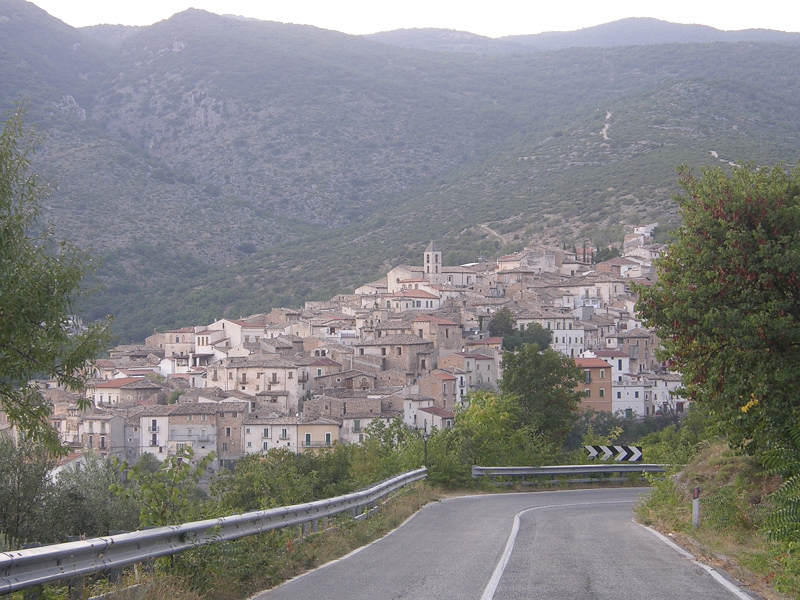
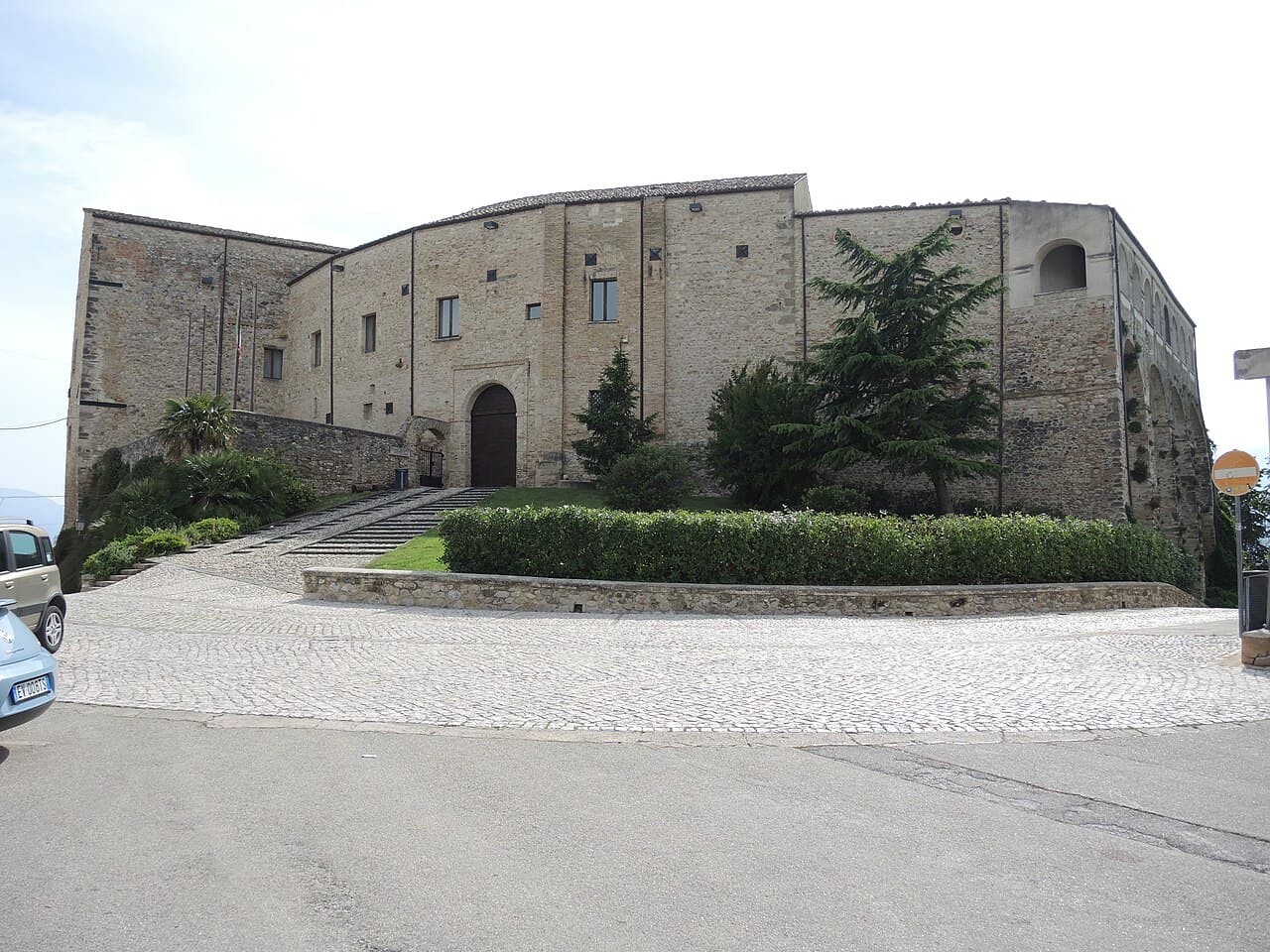
Castello De Sterlich-Aliprandi is a notable example of a hill castle located in Nocciano, within the Province of Pescara in the Abruzzo region of Italy. This castle, also known as the De Sterlich-Aliprandi Castle, stands as a fortified palace that reflects the architectural and defensive needs of the early medieval period, having been constructed in the 10th century.
Historical context and origins
The 10th century was a time marked by frequent conflicts and territorial disputes in Italy, which necessitated the construction of fortified structures such as hill castles to provide protection and assert control over strategic locations. Castello De Sterlich-Aliprandi was built during this period as a defensive stronghold, combining military utility with residential functions, which was typical of many castles of this era.
Located in the rugged landscape of Abruzzo, the castle’s position on elevated terrain provided natural defense advantages, allowing its inhabitants to monitor the surrounding area effectively. The castle’s ownership historically belonged to the noble De Sterlich-Aliprandi family, who played a significant role in the local governance and defense of the region.
Architectural features and design
The architecture of Castello De Sterlich-Aliprandi reflects the characteristics of early medieval hill castles in Italy. The castle is constructed primarily from local stone, which was a common building material due to its availability and durability. The structure includes fortified walls designed to withstand sieges and attacks, with battlements and defensive towers that enhance its protective capabilities.
The castle’s layout integrates both defensive and residential elements, with a central keep or main tower that served as the last line of defense and as the living quarters for the lord and his family. Surrounding the keep, there are additional buildings and courtyards that supported the daily life and administrative functions of the castle.
While detailed architectural plans are scarce, the castle’s preservation state allows for the observation of typical features such as narrow windows or arrow slits for archers, thick walls, and possibly a gatehouse that controlled access to the interior. The integration of these elements demonstrates the castle’s dual role as a fortress and noble residence.
Role in regional history and significance
Castello De Sterlich-Aliprandi has witnessed various historical phases, including periods of conflict and peace in the Abruzzo region. Its strategic location made it a valuable asset during medieval times for controlling trade routes and defending against invasions.
The castle’s noble owners, the De Sterlich-Aliprandi family, contributed to the political and social development of Nocciano and the surrounding areas. Over centuries, the castle adapted to changing military technologies and political circumstances, which is reflected in modifications and restorations carried out over time.
Current condition and cultural heritage
Today, Castello De Sterlich-Aliprandi is recognized for its historical and architectural value. It is partially preserved, allowing visitors and scholars to appreciate its medieval construction techniques and defensive features. The castle is an important cultural landmark in the Abruzzo region, contributing to the understanding of early medieval fortifications in Italy.
Efforts to maintain and restore the castle have helped preserve its structural integrity, although some parts remain in ruins or have undergone significant changes. The castle is accessible to the public, offering a glimpse into the medieval past and the lifestyle of the noble families who once inhabited it.
Visiting information and nearby attractions
Visitors to Castello De Sterlich-Aliprandi can explore its historic walls and enjoy panoramic views of the surrounding Abruzzo countryside. The castle’s location near Nocciano makes it a convenient destination for those interested in medieval architecture and Italian history.
The region around the castle also features other historical sites, natural parks, and cultural attractions, making it an enriching area for tourists seeking to experience the heritage of Abruzzo.
Frequently asked questions (FAQ)
- What is the historical significance of Castello De Sterlich-Aliprandi?
- Castello De Sterlich-Aliprandi dates back to the 10th century and served as a fortified residence for the noble De Sterlich-Aliprandi family, playing a key role in regional defense and governance in Abruzzo.
- Can visitors tour Castello De Sterlich-Aliprandi?
- Yes, the castle is partially preserved and open to visitors who wish to explore its medieval architecture and enjoy views of the surrounding countryside.
- Where is Castello De Sterlich-Aliprandi located?
- The castle is located in Nocciano, in the Province of Pescara, within the Abruzzo region of Italy.
- What architectural features are notable at Castello De Sterlich-Aliprandi?
- Notable features include thick stone walls, battlements, defensive towers, narrow windows or arrow slits, and a central keep typical of early medieval hill castles.
- What is the best time to visit Castello De Sterlich-Aliprandi?
- The best time to visit is during the warmer months from spring to early autumn when weather conditions are favorable for exploring outdoor historical sites.
Photo gallery

Information
Loading map...
Visitor reviews
No reviews yet. Been here? Write the first review and help other travelers!
Write the first reviewVisited this castle? Share your experience
Your review helps other travelers and adds first-hand knowledge to our encyclopedia.