Castello Arabo Normanno
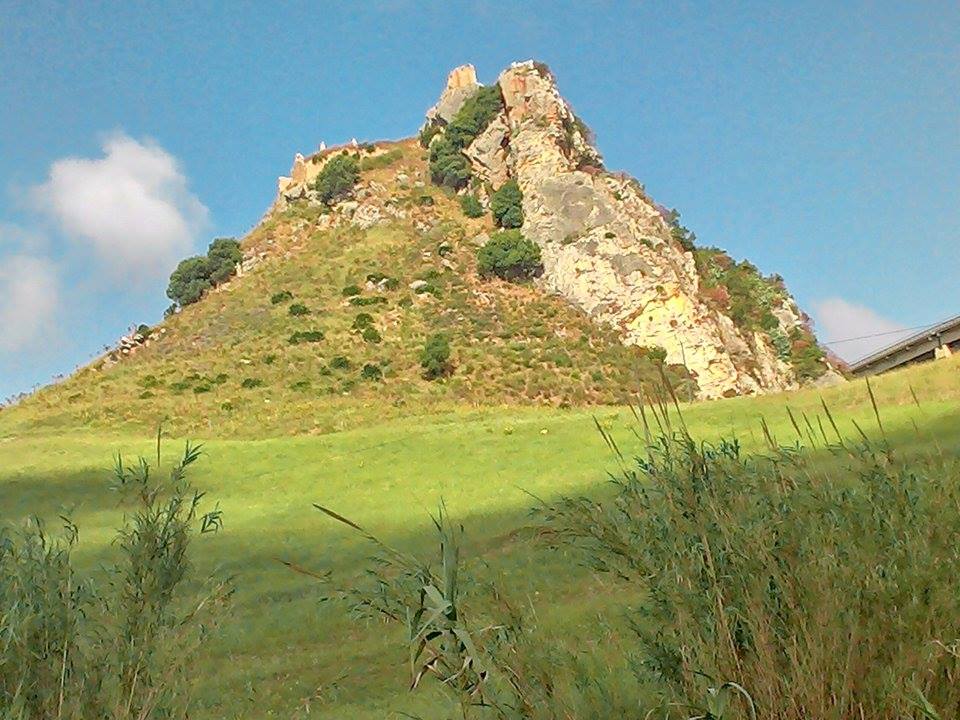
The Castello Arabo Normanno is a significant historic fortress located in Castellammare del Golfo, Sicily, Italy. This hill castle occupies a strategic rocky promontory overlooking the sea, a position that offered natural defense and control over maritime routes. Its origins date back to the 10th century, when the Arab civilization first established the fortress atop earlier defensive structures, marking the site as a key military and administrative center in the region.
The castle's initial construction under Arab rule included a drawbridge connecting the fortress to the mainland, a feature that emphasized its defensive purpose and the importance of controlling access. The Arabs built the core fortifications using local stone and incorporated elements suited to the coastal environment, including walls that took advantage of the natural rocky outcrop.
Norman expansion and Swabian fortifications
Following the Arab period, the Normans took control of the castle in the 11th and 12th centuries. They expanded and adapted the fortress to suit their military needs, reinforcing the existing structures and adding new defensive features. The Norman phase included strengthening the walls and constructing towers that improved surveillance and defense capabilities.
During the Swabian period, particularly under the rule of the Hohenstaufen dynasty in the 13th century, the castle underwent further modifications. The Swabians added additional walls and towers, enhancing the fortress's ability to withstand sieges and attacks. These additions reflected the evolving military architecture of the High Medieval period, emphasizing layered defenses and controlled access points.
Changes under Angevin and Aragonese rule
The early 14th century saw the castle's control contested between the Angevins and the Aragonese. After the Aragonese regained the fortress in 1316, they partially demolished some of the fortifications, including one of the towers, likely to prevent its use by enemies or to modernize the defenses.
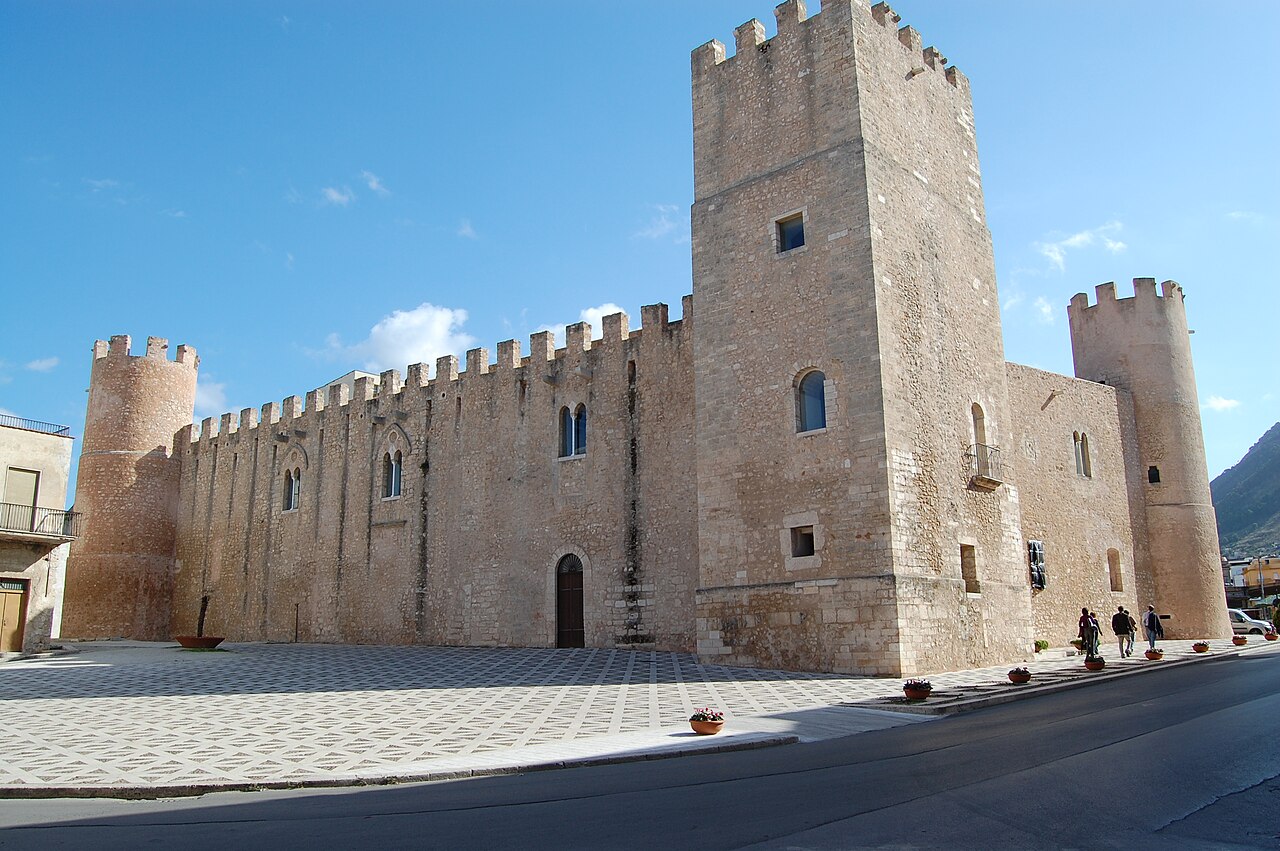
By the mid-16th century, the castle saw the construction of a third tower known as "il Baluardo", complementing the two earlier battlemented towers named San Giorgio and della campana. This addition was part of a broader effort to update the castle's defenses in response to advances in artillery and siege warfare during the Renaissance.
In 1587, a second ring of defensive walls was completed, featuring three formal gates that controlled access to the fortress. This concentric defensive system reflected the military architectural trends of the Renaissance period, focusing on layered fortifications and improved gatehouses. The original Arab drawbridge was replaced by a permanent masonry bridge during this time, a structure that still exists and is visible today.
Ownership and functional transformations
Over the centuries, the Castello Arabo Normanno passed through the hands of several noble families, including Raimondo di Peralta and the Luna family. It was also owned by Francesca Balsamo Aragona, the princess of Roccafiorita, reflecting its importance as a noble residence as well as a military stronghold.
In the 19th century, the castle's military role diminished, and it was repurposed as a prison. This change in use led to alterations inside the fortress to accommodate incarceration needs. Early in the 20th century, the last private owner, lawyer Giuseppe Cassarà, initiated excavations and restoration projects aimed at uncovering and preserving the castle's historic fabric. These efforts revealed underground chambers and structural elements that had been obscured over time.
Architectural features and remains
The castle's location on a rocky promontory originally surrounded by seawater made it a formidable coastal fortress. The natural defenses were augmented by man-made fortifications, including extensive walls and towers from multiple historical periods. The two battlemented towers San Giorgio and della campana date back to the earlier phases, while il Baluardo from 1537 represents Renaissance military architecture.
The concentric defensive walls completed by 1587, with their three formal gates, demonstrate the castle's adaptation to changing military technologies and strategic needs. The masonry bridge that replaced the original drawbridge remains a key feature, illustrating the castle's evolution from a medieval fortress to a Renaissance stronghold.
In front of the castle lies a natural rock basin known as the "vasca della regina" or queen's basin. Local tradition associates this basin with the castle's domestic history, suggesting it was used by a queen or noblewoman residing in the fortress.
Modern use and cultural significance
Today, the Castello Arabo Normanno is publicly owned and serves as a museum complex named "La Memoria del Mediterraneo". The museum explores the region's water mills, productive industries, archaeology, and maritime history, connecting the castle's past with the broader cultural heritage of Sicily and the Mediterranean basin.
Visitors to the castle can explore its well-preserved defensive walls, towers, and bridge, gaining insight into the layered history of Arab, Norman, Swabian, Angevin, and Aragonese influences. The castle stands as a testament to the complex military and social history of Sicily, reflecting centuries of architectural evolution and strategic importance.
Frequently asked questions (FAQ)
- What is the historical significance of Castello Arabo Normanno?
- Castello Arabo Normanno, located in Castellammare del Golfo, is a remarkable example of Arab-Norman architecture, reflecting the rich cultural blend of Sicily's history. Built in the 9th century, it served as a strategic fortress and residence, showcasing the influences of both Arab and Norman design elements.
- When was Castello Arabo Normanno built?
- The construction of Castello Arabo Normanno began in the 9th century during the Arab rule over Sicily. It was later expanded and modified in the 12th century under Norman influence, making it a unique testament to the island's diverse architectural heritage.
- What are the opening hours for visiting the castle?
- Castello Arabo Normanno is typically open to visitors from 9 AM to 7 PM, with extended hours during the peak tourist season. It is advisable to check the official website or local tourist information for any seasonal changes in hours.
- Can I purchase tickets in advance for Castello Arabo Normanno?
- Yes, tickets for Castello Arabo Normanno can often be purchased in advance through the official website or local tourist offices. This option is highly recommended during the busy summer months to avoid long waiting times.
- Is it possible to access Castello Arabo Normanno with a wheelchair?
- While Castello Arabo Normanno has made efforts to improve accessibility, some areas may still present challenges for wheelchair users due to the castle's historic structure. It is best to contact the castle administration for specific accessibility options and assistance during your visit.
- What is the best time to visit Castello Arabo Normanno?
- The best time to visit Castello Arabo Normanno is during the spring (April to June) and early autumn (September to October) when the weather is pleasant and crowds are smaller. Visiting during these periods allows for a more enjoyable experience exploring the castle and its surroundings.
- Are there any nearby attractions to visit while in Castellammare del Golfo?
- Yes, Castellammare del Golfo offers a variety of nearby attractions, including the picturesque beach, the Zingaro Nature Reserve, and the ancient ruins of Segesta. Combining these sites with your visit to Castello Arabo Normanno makes for a full day of exploring Sicily's rich history and natural beauty.
- What are the ticket prices for visiting the castle?
- Ticket prices for Castello Arabo Normanno are generally affordable, with adult tickets priced around €5 and reduced rates for children and seniors. Check the official site for the most current pricing and any special discounts or family packages available during your visit.
Information
Loading map...
Visitor reviews
No reviews yet. Been here? Write the first review and help other travelers!
Write the first reviewVisited this castle? Share your experience
Your review helps other travelers and adds first-hand knowledge to our encyclopedia.