Torre Nueva — Spain castle

Torre Nueva

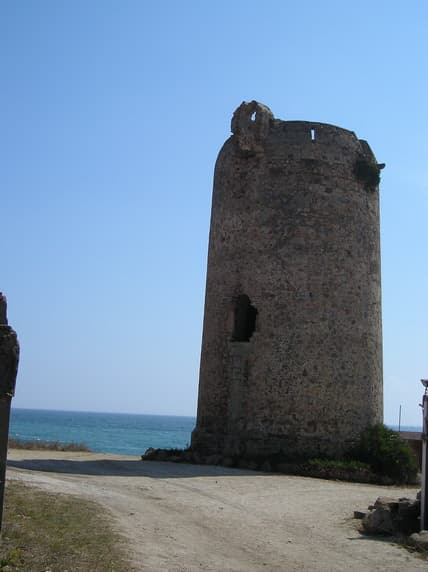
Torre nueva coastal watchtower in la línea de la concepción
La Línea de la Concepción, Spain
Post-Renaissance (17th–18th c.)
Well Preserved

Torre Nueva, also known as Torrenueva or Torre Sabá, is a historic coastal watchtower located in the Andalusian town of La Línea de la Concepción, Spain. This tower is one of a network of 44 similar towers constructed along the Spanish coast from the Guadiaro River to the Portuguese border during the reign of King Felipe III in the early 17th century. These towers formed a vital part of Spain's coastal defense system against the frequent raids by Berber pirates who threatened coastal settlements and maritime trade.

Historical context and purpose

The construction of Torre Nueva and its sister towers was a strategic response to the persistent threat posed by North African corsairs during the early modern period. The towers served primarily as early warning systems designed to alert local populations and military forces of incoming pirate ships. Each tower was equipped with a beacon system using smoke signals by day and bonfires by night to transmit alarm signals rapidly along the coastline.

The visual communication between towers was essential for the effectiveness of this defense network. Torre Nueva was strategically positioned to communicate with the nearby Torre Nueva de Guadiaro and Torre Carbonera, creating a chain of signals that could quickly mobilize defensive forces and protect the surrounding settlements.

Architectural features

Design and structure

Torre Nueva is a bastioned fortress type tower characterized by its circular plan, measuring approximately 7.25 meters (23.8 feet) in diameter and standing about 12 meters (39 feet) high. Its robust construction reflects the military architectural principles of the early 17th century, emphasizing both defense and surveillance capabilities.

The interior features a brick-domed chamber with a diameter of about 4.4 meters (14 feet) and a height of 7.5 meters (25 feet). Access to this chamber is gained through a door situated approximately 3.7 meters (12 feet) above ground level, a defensive feature designed to prevent easy entry by attackers.

Internal layout and defensive elements

Inside the chamber, there was a hearth to provide warmth and cooking facilities for the stationed guards. A secondary door led to a spiral staircase built within the thickness of the walls, providing access to the roof. The roof is surrounded by a parapet over one meter high and includes a machicolation aligned with the main entrance door, allowing defenders to drop projectiles or boiling substances on attackers below. Flanking scaffolds provided additional defensive positions.

Military garrison and operational use

The tower was designed to accommodate a small garrison of five men, typically composed of four soldiers and a corporal. Additionally, a guard corps was stationed at the base of the tower, including six infantry soldiers with a corporal and four cavalry soldiers with a corporal. This force was responsible for maintaining vigilance, operating the beacon system, and defending the tower if attacked.

Conservation and cultural significance

As of 2017, Torre Nueva remains in a relatively good state of conservation and is integrated with the Playa de Torrenueva beach, which takes its name from the tower. Its preservation allows visitors to appreciate the military architecture of the early 17th century and understand the coastal defense strategies employed during the reign of Felipe III.

The tower was officially declared a national monument on April 22, 1949, recognizing its historical and architectural value as part of Spain's maritime heritage.

Geographical setting and strategic location

Torre Nueva is situated on the southern coast of Spain in the municipality of La Línea de la Concepción, within the autonomous community of Andalusia. The tower's location near the Strait of Gibraltar was crucial for monitoring one of the busiest and most strategically significant maritime passages in the Mediterranean. Its position allowed it to oversee and communicate threats along the coastline stretching from Málaga to Catalonia and beyond.

Legacy and tourism

Today, Torre Nueva is a point of interest for visitors interested in military history, coastal defenses, and early modern Spanish architecture. It offers insights into the challenges faced by coastal communities in defending against piracy and the architectural solutions implemented to address these threats. The tower's integration with the beach area makes it accessible for tourists and locals alike, providing both educational and recreational opportunities.

Frequently asked questions (FAQ)

How do I get to Torre Nueva?
Torre Nueva is located in La Línea de la Concepción, Spain, and is easily accessible by public transport, including buses and taxis. If you're driving, there is nearby parking available. The castle's central location makes it a convenient stop for visitors exploring the region.
What is the historical significance of Torre Nueva?
Torre Nueva, built in the 18th century, played a crucial role in the defense of the region against naval attacks. It served as a lookout point for the Spanish navy and is a key part of the area's military history. Today, it stands as a testament to the architectural and strategic advancements of its time.
When was Torre Nueva built?
Torre Nueva was constructed in 1770 during a period of heightened military tensions in the Mediterranean. Its strategic position allowed for better surveillance of the surrounding waters. The castle has since become a symbol of La Línea's rich historical narrative.
Can I enter Torre Nueva?
Visitors are welcome to explore Torre Nueva, as it is open to the public. Guided tours are often available, providing insights into its history and architecture. Be sure to check the current visiting guidelines and any restrictions that may apply.
Why is Torre Nueva an important architectural site?
Torre Nueva showcases a blend of military architecture and coastal design, reflecting the defensive needs of the 18th century. Its robust structure and strategic location highlight the historical significance of fortifications in maritime defense. The castle's architecture continues to attract historians and architecture enthusiasts alike.
Is it possible to visit Torre Nueva year-round?
Yes, Torre Nueva is open for visits throughout the year, although hours may vary by season. It's advisable to check the official website or local tourism information for specific opening times, especially during holidays. This allows visitors to plan their trips accordingly and enjoy the castle's historical ambiance.
What are the ticket prices for Torre Nueva?
Admission to Torre Nueva is generally affordable, with ticket prices varying for adults, children, and seniors. Discounts may be available for groups or special events. Always confirm the latest pricing information prior to your visit to ensure you have the most accurate details.
What is the best time to visit Torre Nueva?
The best time to visit Torre Nueva is during the spring and fall when the weather is mild, making for a comfortable outdoor experience. Summer can be quite hot, and winter may bring occasional rain. Visiting during off-peak times also allows for a more relaxed exploration of the castle.
Are there any nearby attractions to Torre Nueva?
Yes, Torre Nueva is close to several attractions, including the beautiful beaches of La Línea and the historic city of Gibraltar. Visitors can enjoy a day of sightseeing that includes shopping, dining, and exploring cultural landmarks. The castle serves as a perfect starting point for a broader tour of the area.

Photo gallery

Torre Nueva
Click to view

Photo by annabbustos•GFDL

1 photo • Click any image to view in full screen

Information

Bastioned Fortress

Loading map...

Visitor reviews

No reviews yet. Been here? Write the first review and help other travelers!

Write the first review

Visited this castle? Share your experience

Your review helps other travelers and adds first-hand knowledge to our encyclopedia.

Write a review

(5/5)

0/2000 characters

Your review will be visible after admin approval

Nearby castles

7.5 km

Moorish Castle

Gibraltar, United Kingdom

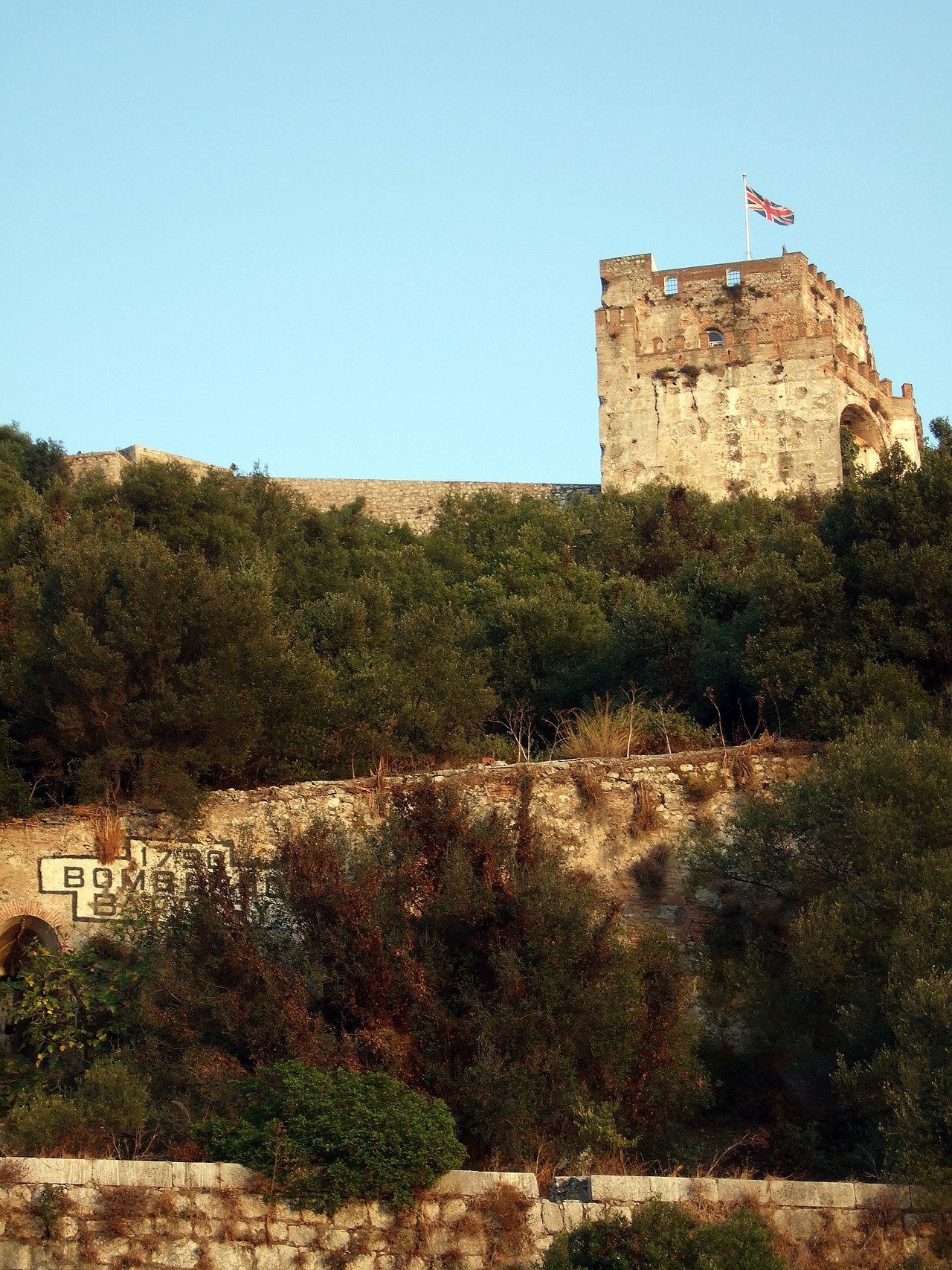
The Moorish Castle in Gibraltar is a significant medieval fortification complex that stands as a prominent symbol of the Moorish presence on the Iberian Peninsula. This castle comprises a series of fortified walls, gates, and various buildings, with the most dominant architectural features being the imposing Tower of Homage and the massive Gate House. Constructed initially in the 8th century AD by the Marinid dynasty, the castle's design and purpose reflect the military and administrative needs of the Moors during their lengthy occupation of Gibraltar. The historical context of the Moorish castle The Moorish occupation of Gibraltar is the longest recorded period in the region's history, lasting from 711 to 1309 and then again from 1333 to 1462, totaling approximately 727 years. This era saw multiple phases of construction, destruction, and reconstruction that shaped the castle's current form. The initial fortifications began in the early 8th century, coinciding with the early stages of the Islamic conquest of the Iberian Peninsula. The castle served as a critical defensive stronghold controlling access to the strategic Rock of Gibraltar and the surrounding sea routes. Marinid dynasty and architectural influence The Marinid dynasty, a Berber dynasty from North Africa, was responsible for the primary construction phases of the castle. Unlike the nearby Spanish alcazars, the Moorish Castle of Gibraltar is unique in its architectural lineage and historical timeline. The castle's design incorporates typical Islamic military architecture, including thick defensive walls, battlements, and a strategically placed gatehouse with a distinctive cupola roof. The Tower of Homage, rebuilt during the second Moorish occupation in the early 14th century, is the most visible remnant and served as the main keep and lookout post. Architectural features and layout The castle's fortifications originally enclosed a large area extending from the upper part of the Rock of Gibraltar down to the sea, providing a formidable defensive perimeter. The Tower of Homage rises prominently above the rest of the structure, offering commanding views of the surrounding landscape and sea approaches. The Gate House is another significant feature, notable for its massive construction and distinctive cupola roof, which is relatively rare in military architecture of the period. Walls, terraces, and battlements The castle includes a series of terraces and battlements that provided defensive positions for archers and soldiers. The walls are constructed of robust stone masonry designed to withstand sieges and attacks. These defensive elements were essential during the turbulent periods of conflict between the Moors and Christian forces vying for control of Gibraltar. Historical events and reconstructions The Moorish Castle underwent significant damage during the period of Spanish control from 1309 to 1333. After the Moors reconquered Gibraltar in 1333, extensive rebuilding took place, particularly of the Tower of Homage and other key defensive structures. This reconstruction phase reflects the strategic importance of the castle and the need to restore its defensive capabilities. Later history and preservation Following the end of Moorish rule in 1462, the castle saw various modifications under different rulers, but much of its medieval character remains intact. Today, the Moorish Castle is a well-preserved historic monument managed as a cultural heritage site, attracting visitors interested in medieval military architecture and the complex history of Gibraltar. Visiting the Moorish castle Visitors to the Moorish Castle can explore the Tower of Homage, the Gate House, and the extensive fortified walls that reveal the castle's strategic design. The site offers panoramic views of Gibraltar and the surrounding Mediterranean, providing insight into the military and cultural significance of this medieval fortress.

Early Medieval (5th–10th c.)
Details
7.5 km
Moorish Castle — Gibraltar castle

Moorish Castle

, Gibraltar

The Moorish Castle in Gibraltar is a prominent medieval fortification that stands as one of the most significant historical landmarks on the Rock of Gibraltar. Constructed primarily in the 14th century by the Marinid dynasty, this hill castle exemplifies the military architecture of the late medieval period in the Iberian Peninsula. Unlike the nearby Spanish alcazars, the Moorish Castle's origins link directly to North African Muslim rulers, making it a unique example of Islamic military architecture in the region.The castle complex comprises several key structures, including fortified walls, defensive gates, and various buildings that served both military and administrative purposes. The most striking feature is the Tower of Homage, a massive rectangular keep that dominates the skyline of Gibraltar. This tower functioned as the main stronghold within the castle, providing a vantage point for surveillance and defense against invaders. Adjacent to it is the Gate House, which controlled access to the fortress and was heavily fortified to withstand attacks.Historical context and constructionThe Moorish Castle's construction began during the 14th century under the rule of the Marinid dynasty, a Berber Muslim dynasty that controlled parts of North Africa and southern Iberia. The castle was built on the strategic hilltop overlooking the Bay of Gibraltar, allowing for control over maritime and land routes. Its position offered a commanding view of the surrounding area, making it a critical defensive site against both Christian and rival Muslim forces during the turbulent periods of the Reconquista and regional conflicts.The castle's design reflects typical Islamic fortification principles of the time, including thick defensive walls, narrow windows for archers, and a layout that maximizes defensive advantage. The Tower of Homage was constructed with robust stone masonry, featuring crenellations and arrow slits that allowed defenders to repel attackers effectively.Architectural features and layoutThe Tower of HomageThe Tower of Homage is the centerpiece of the Moorish Castle complex. It is a large rectangular keep built with stone blocks, rising prominently above the rest of the fortress. The tower's walls are notably thick, designed to withstand siege weaponry. Its elevated position provided a clear line of sight over Gibraltar and the surrounding waters, essential for early warning of approaching enemies.Gate house and defensive wallsThe Gate House served as the main entrance to the castle and was heavily fortified with multiple defensive layers, including a portcullis and murder holes. The surrounding fortified walls extend from the gate, enclosing the castle's inner courtyard and other buildings. These walls were constructed to resist scaling and battering, featuring battlements and walkways for guards.Additional structures and prisonWithin the castle grounds, various buildings served administrative and residential functions. Notably, part of the castle was used as the prison of Gibraltar until 2010, reflecting the site's continued strategic importance well into modern times. The prison facilities were housed in sections adapted from the original medieval structures.Military and strategic importanceThe Moorish Castle's strategic location on a hilltop overlooking the Bay of Gibraltar made it a vital military asset throughout its history. Control of the castle meant dominance over the entrance to the Mediterranean Sea and the surrounding land routes. Its fortifications were tested during numerous sieges and conflicts, including the Christian Reconquista and later European power struggles.The castle's robust design allowed it to serve as a defensive bastion against artillery and infantry assaults, adapting over time to evolving military technologies. Its presence contributed to Gibraltar's reputation as a heavily fortified stronghold.Preservation and current statusToday, the Moorish Castle remains well preserved and accessible to visitors. The Tower of Homage stands as a visible symbol of Gibraltar's rich medieval past. Restoration efforts have maintained the structural integrity of the castle, allowing for public tours and educational programs that highlight its architectural and historical significance.The castle is a key cultural heritage site in Gibraltar, attracting tourists interested in medieval military architecture and the complex history of the Iberian Peninsula's Muslim and Christian periods.

Late Medieval (14th–15th c.)
Details
8.2 km
Carteia — Spain castle

Carteia

, Spain

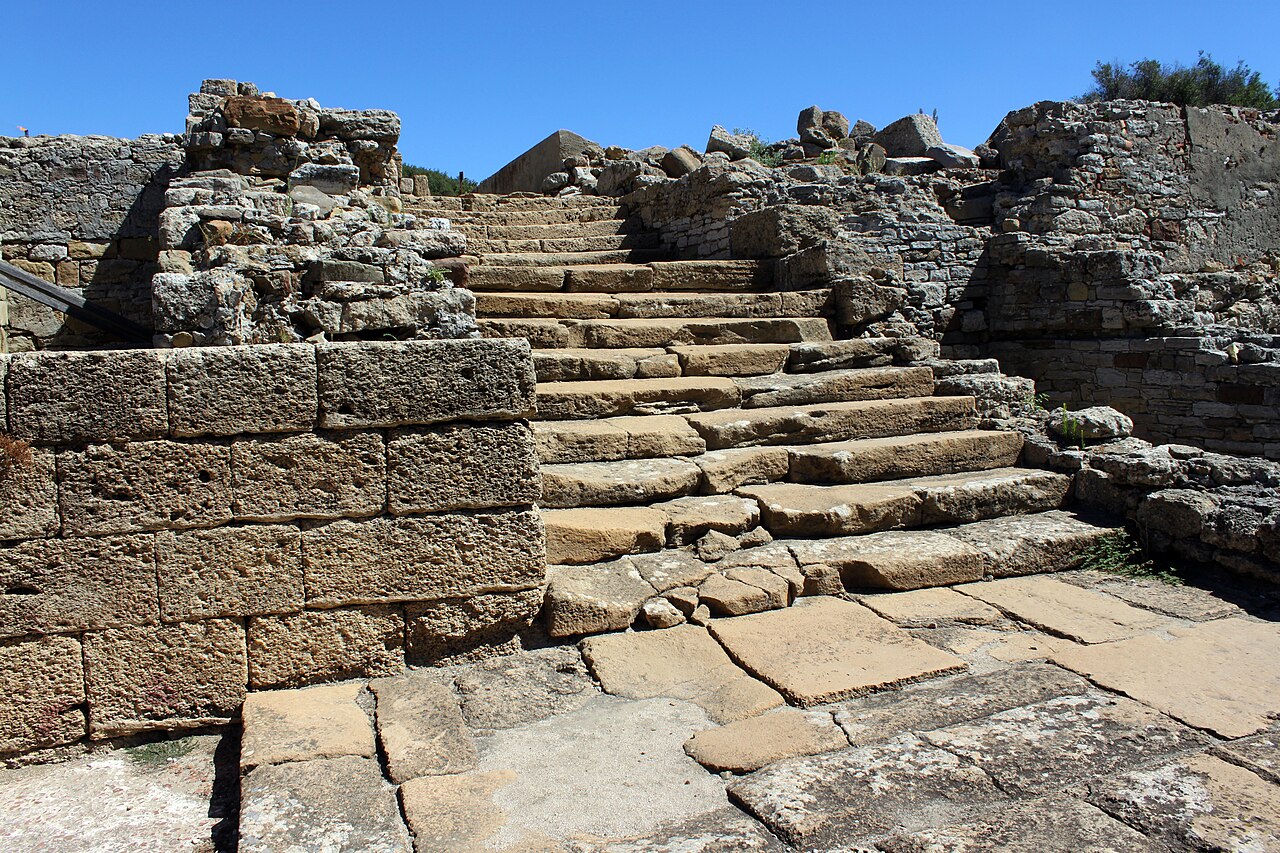
Carteia (Ancient Greek: Καρτηίᾳ) was a significant Phoenician and later Roman town located at the head of the Bay of Gibraltar in what is now southern Spain. Positioned on elevated ground overlooking the sea, it stood near the confluence of two rivers, the modern Guadarranque and Cachon, close to the town of San Roque. This location, approximately halfway between the contemporary cities of Algeciras and Gibraltar, provided a commanding view and strategic control of maritime routes in the western Mediterranean. The town's origins trace back to around 940 BC, when it was founded as the Phoenician trading settlement known as Kʿrt, meaning "city" in the Phoenician language. This name is linguistically related to other prominent Phoenician-founded cities such as Carthage and Cartagena. The settlement thrived due to its advantageous position and access to abundant natural resources. The surrounding hinterland of southern Andalusia was rich in valuable commodities including wood, cereals, citrus fruits like oranges and lemons, and a variety of metals such as lead, iron, copper, and silver. Additionally, the region was renowned for the extraction of dyes, particularly from the murex shellfish, which produced the highly prized Tyrian purple, a luxury item in antiquity. Historical significance and early development Carteia held considerable importance as a commercial hub during the Phoenician era, serving as a gateway for trade between the Mediterranean and the Atlantic. Ancient geographers such as Strabo and Pomponius Mela noted the town’s prominence, with some sources suggesting that Carteia was associated with the legendary Tartessos, an ancient civilization famed for its wealth and early metallurgy. Pliny the Elder also recorded that the Greeks referred to Carteia as Tartessos, indicating its longstanding cultural and economic significance in the region. Role in Carthaginian and Roman conflicts During the 2nd and 3rd centuries BC, Carteia's strategic position made it a focal point in the conflicts between Carthage and the expanding Roman Republic. It is believed to have been the landing site of the Carthaginian general Hamilcar Barca in 237 BC, who brought his army and war elephants to the Iberian Peninsula to strengthen Carthaginian influence after the First Punic War. Later, in 206 BC, the Carthaginian admiral Adherbal retreated to Carteia with the remnants of his fleet following a defeat by the Roman commander Gaius Laelius at the Battle of Carteia. This naval engagement was part of the larger struggle for control over the Iberian territories during the Second Punic War. The town's fortifications and harbor provided a temporary refuge for Carthaginian forces during these turbulent times. By around 190 BC, Carteia had fallen under Roman control, marking a significant shift in the political landscape of the region. Under Roman rule, the settlement continued to develop, benefiting from the Pax Romana and integration into the Roman provincial system. It was granted the status of a municipium, allowing local inhabitants certain legal rights and self-governance under Roman law. Architectural and archaeological features Though no substantial castle structure survives at Carteia as it was primarily a town rather than a fortified castle, the site featured typical ancient urban defensive elements such as walls and gates adapted to the terrain on elevated ground. Its position on a hill overlooking the bay provided natural defense advantages, consistent with a hill castle classification in terms of strategic placement. Archaeological excavations have revealed remains of urban planning including street layouts, residential quarters, and public buildings reflecting Phoenician and Roman influences. The site offers insights into the evolution of Mediterranean urbanism from the early Iron Age through Roman times. Legacy and cultural importance Carteia is a key archaeological and historical site that illustrates the complex interactions between Phoenician traders, Carthaginian military ambitions, and Roman imperial expansion. Its rich natural resources and strategic location shaped its role as a trading and military center in antiquity. Today, Carteia contributes valuable knowledge about ancient Mediterranean civilizations and their networks of commerce and conflict.

Early Medieval (5th–10th c.)
Details