Castell de Travadell
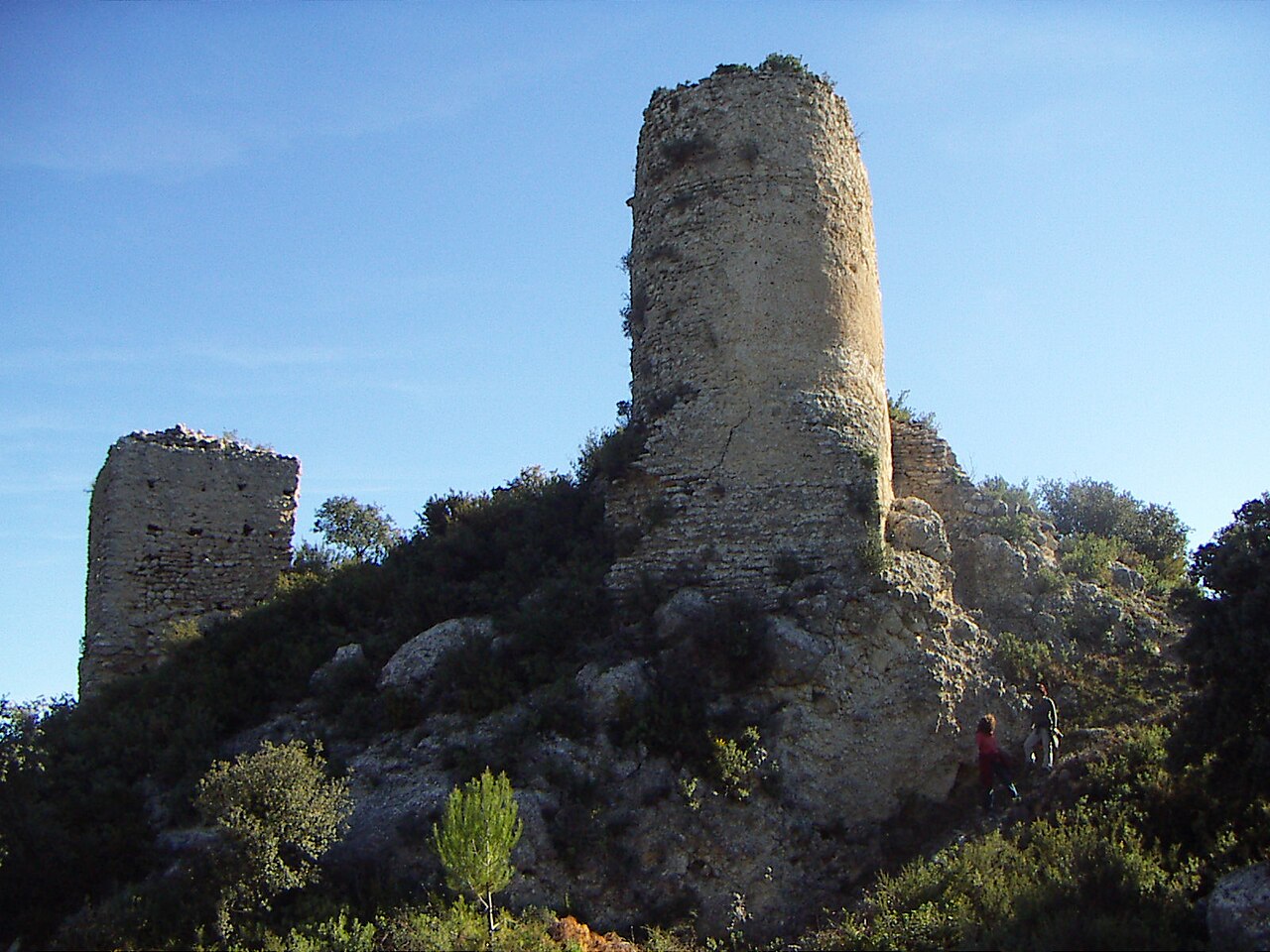
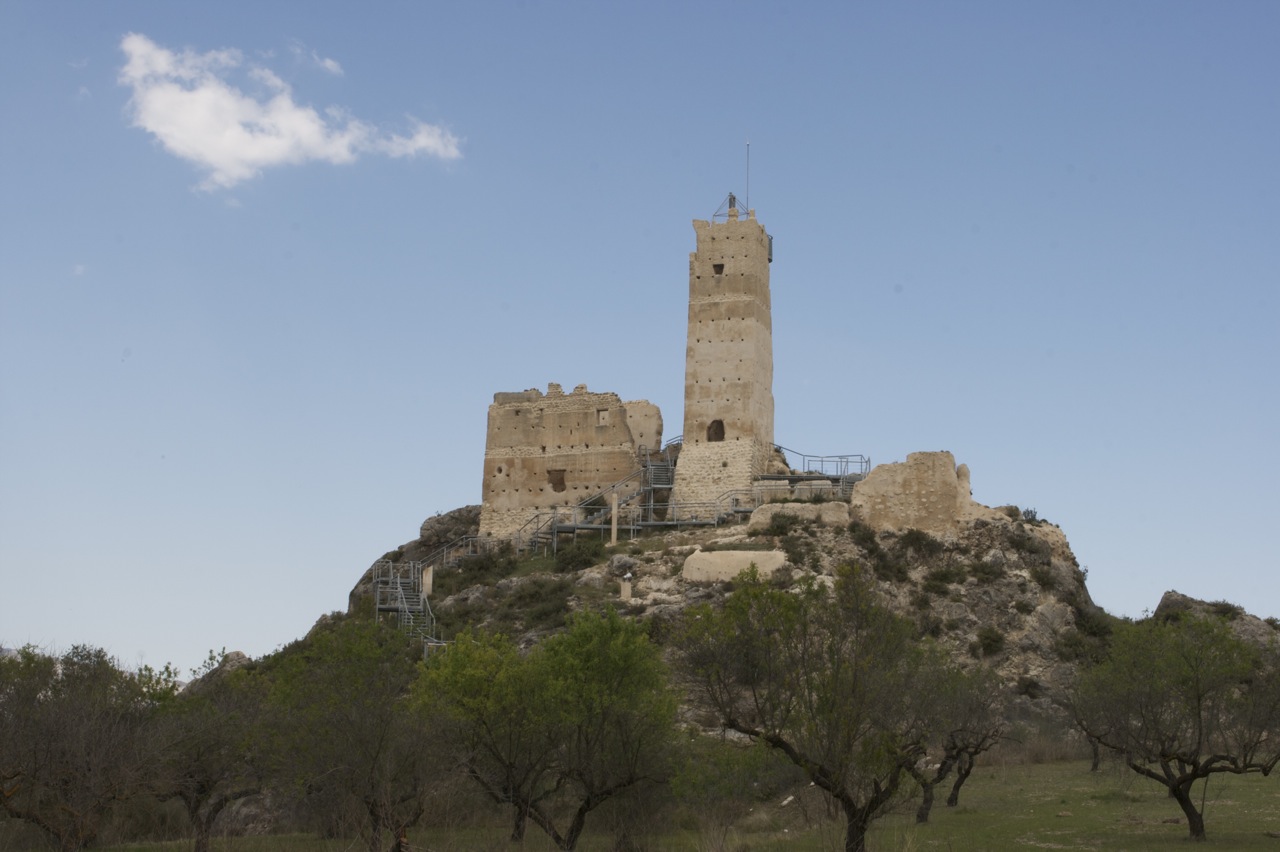
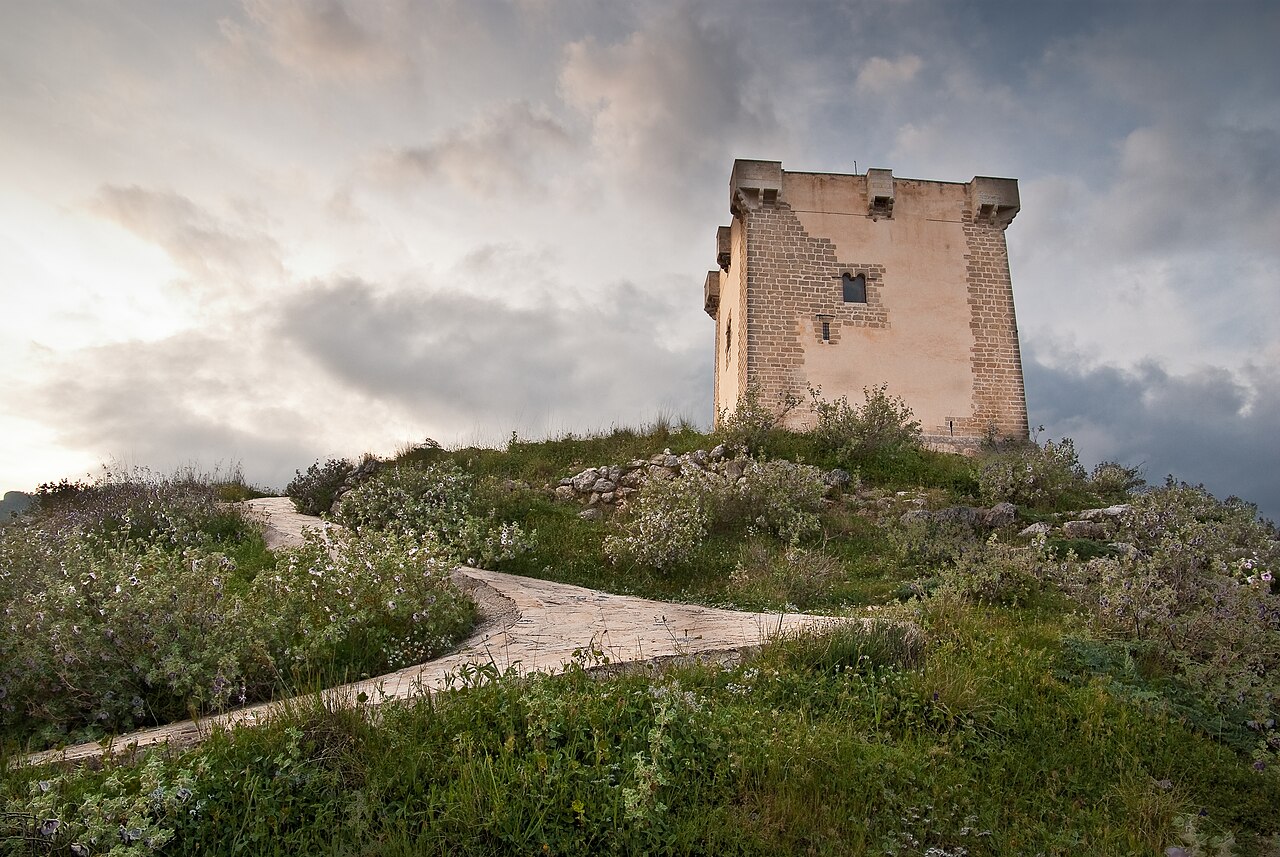
The Castell de Travadell stands as a remarkable example of medieval military architecture nestled on a strategic hilltop in the municipality of Millena, Spain. This hill castle traces its origins back to the Muslim period, with archaeological evidence dating its foundation to between the 12th and 13th centuries. The castle’s location was significant not only for its defensive advantages but also because the hill itself had been occupied since the Bronze Age, as revealed by ancient remains uncovered in the vicinity. This continuity of occupation underscores the site’s long-standing strategic and cultural importance.
Historical evolution of Castell de Travadell
The castle’s initial construction during the Islamic rule of the Iberian Peninsula reflects the military and administrative needs of the time. The fortress likely functioned as a defensive outpost, controlling the surrounding territory and protecting local settlements. Following the Christian reconquest of the region in the 13th and 14th centuries, the castle underwent substantial modifications. Most notably, a polygonal tower was added, which served both as a lookout and a stronghold within the fortification. These adaptations illustrate the castle’s evolving role in response to shifting political and military realities.
Christian period renovations
The Christian occupants enhanced the castle’s defenses by reinforcing walls and adding new architectural elements suited to the warfare tactics of the time. The polygonal tower, covering approximately 55 square meters, was likely two stories high, providing elevated vantage points for surveillance and defense. The walls of the tower were constructed using masonry rubble with a thickness of about 0.6 meters, reflecting typical medieval construction techniques. Variations in wall thickness and building materials between sections indicate multiple phases of construction and renovation.
Architectural features and structural remains
The surviving remains of Castell de Travadell offer valuable insights into medieval fortification design. The site includes several cisterns (aljubs), which were essential for collecting and storing water to sustain the castle’s inhabitants during sieges. These water storage facilities highlight the practical considerations in castle design, especially in a hilltop environment where natural water sources were scarce.
The defensive walls combine different construction methods: some sections are preserved as paraments—the visible stone surfaces of the walls—while others were built using tapial, a traditional rammed earth technique. This mixture of materials reflects both the original Islamic construction and later Christian modifications, revealing a layered architectural history.
The polygonal tower remains the most prominent feature, with the northwest and part of the northeast walls still standing. The tower’s design provided both defensive strength and strategic observation points. The use of masonry rubble and the tower’s robust construction were typical of medieval military architecture in the region.
Damage and preservation challenges
Despite its historical significance, the castle has suffered from natural and human-induced damage over the centuries. One of the last remaining rammed earth walls was destroyed during the storm Gloria in 2020, illustrating the vulnerability of such ancient structures to extreme weather events. Nevertheless, the site remains a protected cultural heritage location in Spain, recognized for its archaeological and historical value.
Castell de Travadell in local culture and heritage
The castle holds a special place in local tradition and literature. It is famously referenced in the story "El Castell del Sol" by Enric Valor, where it is called the "fortaleza de Benillup." This literary association enhances the castle’s cultural significance, linking the physical ruins to the region’s folklore and collective memory.
Today, Castell de Travadell is appreciated not only as an archaeological site but also as a symbol of the region’s complex history, reflecting layers of Bronze Age occupation, Islamic and Christian medieval military architecture, and enduring cultural narratives.
Visitor experience and educational value
While the castle remains in ruins, the site offers visitors a tangible connection to the past. The visible remains of walls, towers, and cisterns provide a rich educational resource for understanding medieval fortifications and the historical transitions in the Iberian Peninsula. The castle’s elevated position affords panoramic views of the surrounding landscape, further enhancing its appeal as a historical landmark.
Frequently asked questions (FAQ)
- How do I get to Castell de Travadell?
- Castell de Travadell is located in Millena, Valencian Community, Spain. Visitors typically reach the site by car or local transport, followed by a hike up the hill where the castle ruins are situated.
- What is the historical significance of Castell de Travadell?
- The castle is significant for its origins in the Muslim period and its subsequent Christian modifications, reflecting the region's complex medieval history and military architecture.
- Can I visit the interior of the castle?
- As Castell de Travadell is a ruin, visitors can explore the remains of walls, towers, and cisterns, but there are no developed interior spaces or facilities. Caution is advised while walking on uneven terrain.
- When is the best time to visit?
- The best time to visit Castell de Travadell is during spring and autumn when the weather is mild and suitable for hiking and outdoor exploration.
- Is there an entrance fee to visit Castell de Travadell?
- There is no entrance fee to visit the castle ruins, making it accessible to all visitors interested in history and archaeology.
Information
Loading map...
Visitor reviews
No reviews yet. Been here? Write the first review and help other travelers!
Write the first reviewVisited this castle? Share your experience
Your review helps other travelers and adds first-hand knowledge to our encyclopedia.