Cocentaina Castle
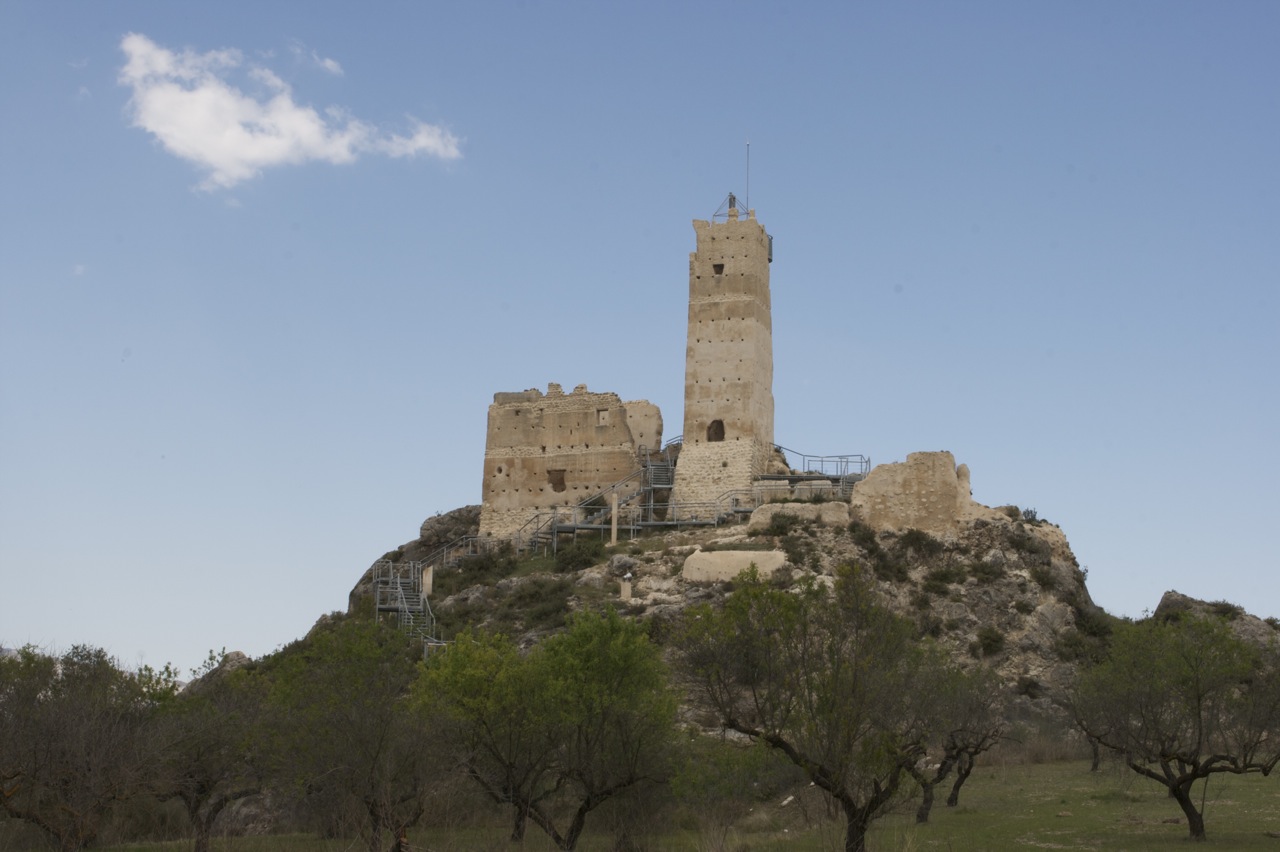
Cocentaina Castle stands prominently on the hill of San Cristóbal overlooking the town of Cocentaina in Spain. This hill castle was constructed in the late 13th and early 14th centuries by Christian forces following the Reconquista, which reclaimed the region from Muslim control. Built atop earlier Muslim defensive remains, the castle exemplifies the Valencian Gothic military architectural style that characterized fortifications of this era in the region.
Historical context and significance
The castle’s origins are deeply rooted in the turbulent power shifts of medieval Spain. After the Christian conquest of the area, the need for fortified structures to secure territorial gains was paramount. Cocentaina Castle was part of a broader network of fortifications designed to consolidate Christian rule and defend against potential Muslim counterattacks.
In the early 14th century, the castle became a focal point during the Mudéjar revolt of 1303, a significant uprising by the Muslim population resisting Christian authority. During this revolt, Cocentaina Castle was besieged, looted, and deliberately set on fire, suffering extensive damage. This event marks a critical episode in the castle’s history, illustrating the ongoing religious and cultural conflicts that shaped the region’s medieval landscape.
Following the revolt, the castle continued to serve as a defensive stronghold and administrative center, although detailed records of its later military or residential use are sparse. Over the centuries, like many medieval fortresses, it gradually lost its strategic importance and fell into disrepair until restoration efforts began in recent decades.
Architectural features and layout
The square tower
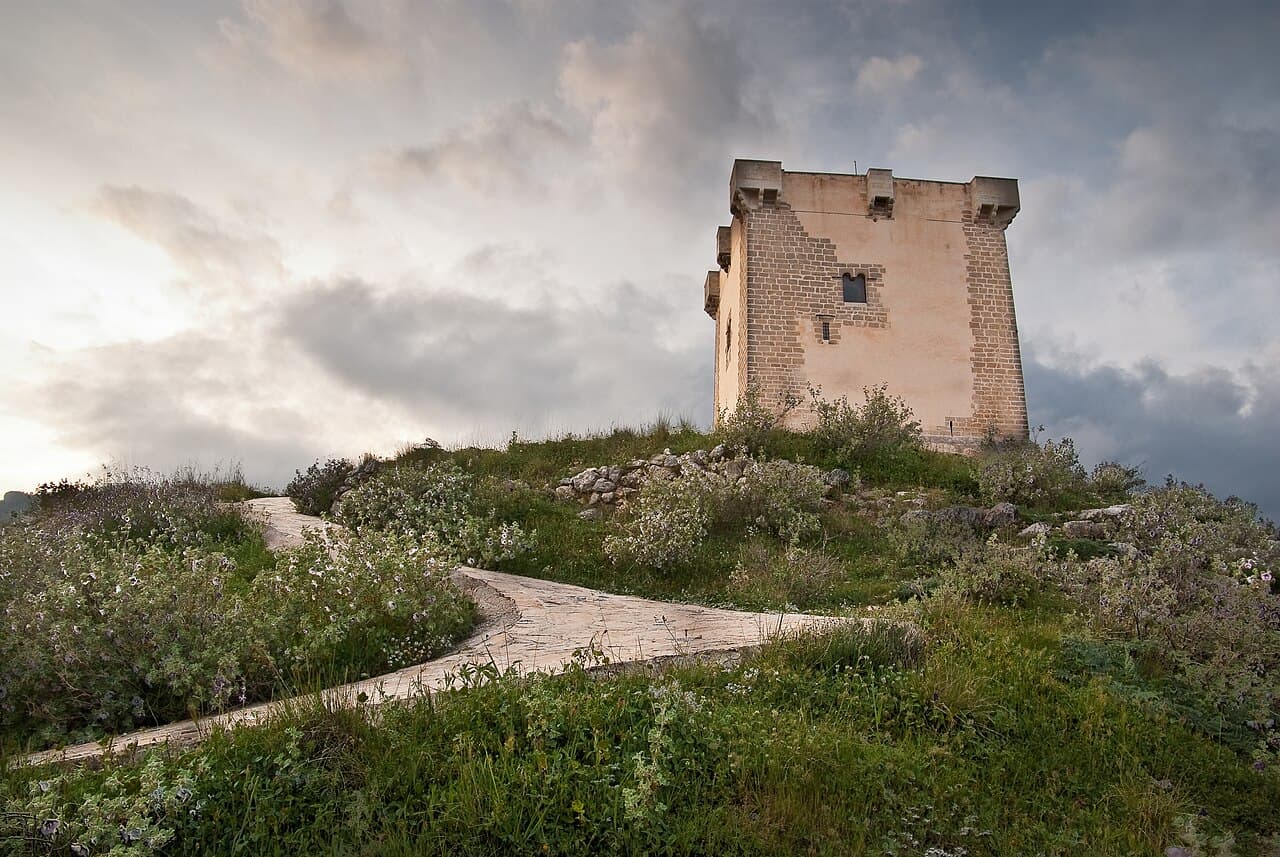
The dominant feature of Cocentaina Castle is its imposing large square tower, measuring approximately 13.5 meters on each side and rising to a height of 12 meters. This tower is built upon a massive stone talus base, which slopes outward and ranges from 2 to 4 meters in height. The talus serves a defensive purpose, reinforcing the lower walls against battering and undermining attempts.
Construction techniques for the tower reveal a combination of ashlar masonry and rubble masonry. The key structural components and important rooms are crafted from finely cut and dressed stones laid in precise courses, providing both strength and an impressive visual effect. The remainder of the tower walls utilize rubble masonry, made from irregular stones bound with mortar, a common medieval building practice for less critical sections.
Interior arrangement
The interior of the tower is organized across two floors centered around a light-filled patio. On the ground floor, this patio contains a cistern essential for water storage during sieges. Flanking the patio are two arrow slits, narrow vertical openings that allowed defenders to shoot projectiles while remaining protected.
Adjacent to the patio on the ground floor are a square room and a rectangular room. Though their exact functions are not documented, such rooms typically served as storage areas, guard chambers, or living quarters.
The first floor mirrors the ground floor’s layout with a square room, rectangular room, and the patio. Notably, this level features paired outward-facing windows that provided natural light and ventilation, as well as views of the surrounding terrain for surveillance and defense.
Atop the tower is a flat terrace that functioned as a lookout point and platform for defensive actions or signaling to allied forces.
Restoration and current use
After centuries of decline, Cocentaina Castle has undergone comprehensive restoration to preserve its structural integrity and historical significance. The restoration has maintained the castle’s exterior and interior spaces, allowing visitors to safely explore the site.
The castle now houses an exhibition of archaeological finds uncovered from the surrounding area, connecting the fortress’s medieval past with a broader historical context. This exhibition offers valuable insights into the region’s cultural heritage and the castle’s role within it.
Visitor experience and accessibility
Visitors can reach Cocentaina Castle by vehicle up to a point approximately 200 meters from the site, followed by a short walk along a paved path leading directly to the tower. The castle’s elevated position provides panoramic views of Cocentaina and the surrounding landscape, enhancing the visitor experience.
The site’s preservation and informative displays make it an important destination for those interested in medieval military architecture, the history of the Reconquista, and the cultural interactions between Christian and Muslim communities in Spain.
Frequently asked questions (FAQ)
- How do I get to Cocentaina Castle?
- Cocentaina Castle is accessible by vehicle up to about 200 meters from the site, followed by a paved path leading to the castle entrance. The walk is short and suitable for most visitors.
- What is the historical significance of Cocentaina Castle?
- Cocentaina Castle was built in the late 13th and early 14th centuries after the Christian Reconquista and played a key role during the Mudéjar revolt of 1303, reflecting the region's medieval conflicts.
- Can I visit the interior of the castle?
- Yes, the castle has been restored and houses an exhibition of archaeological finds. Visitors can explore the interior spaces, including the large square tower and its terrace.
- What architectural style is Cocentaina Castle?
- The castle is an example of Valencian Gothic military architecture, characterized by its large square tower, stone talus base, and use of ashlar and rubble masonry.
- When is the best time to visit Cocentaina Castle?
- The castle is best visited during spring and autumn when the weather is mild, allowing for comfortable exploration of the outdoor areas and panoramic views.
Photo gallery

Information
Current owner
Municipality of Cocentaina
Loading map...
Visitor reviews
No reviews yet. Been here? Write the first review and help other travelers!
Write the first reviewVisited this castle? Share your experience
Your review helps other travelers and adds first-hand knowledge to our encyclopedia.