Castell de Seta — Spain castle

Castell de Seta

Castell de Seta: historic hill castle in Spain
High Medieval (11th–13th c.)
Partially Preserved

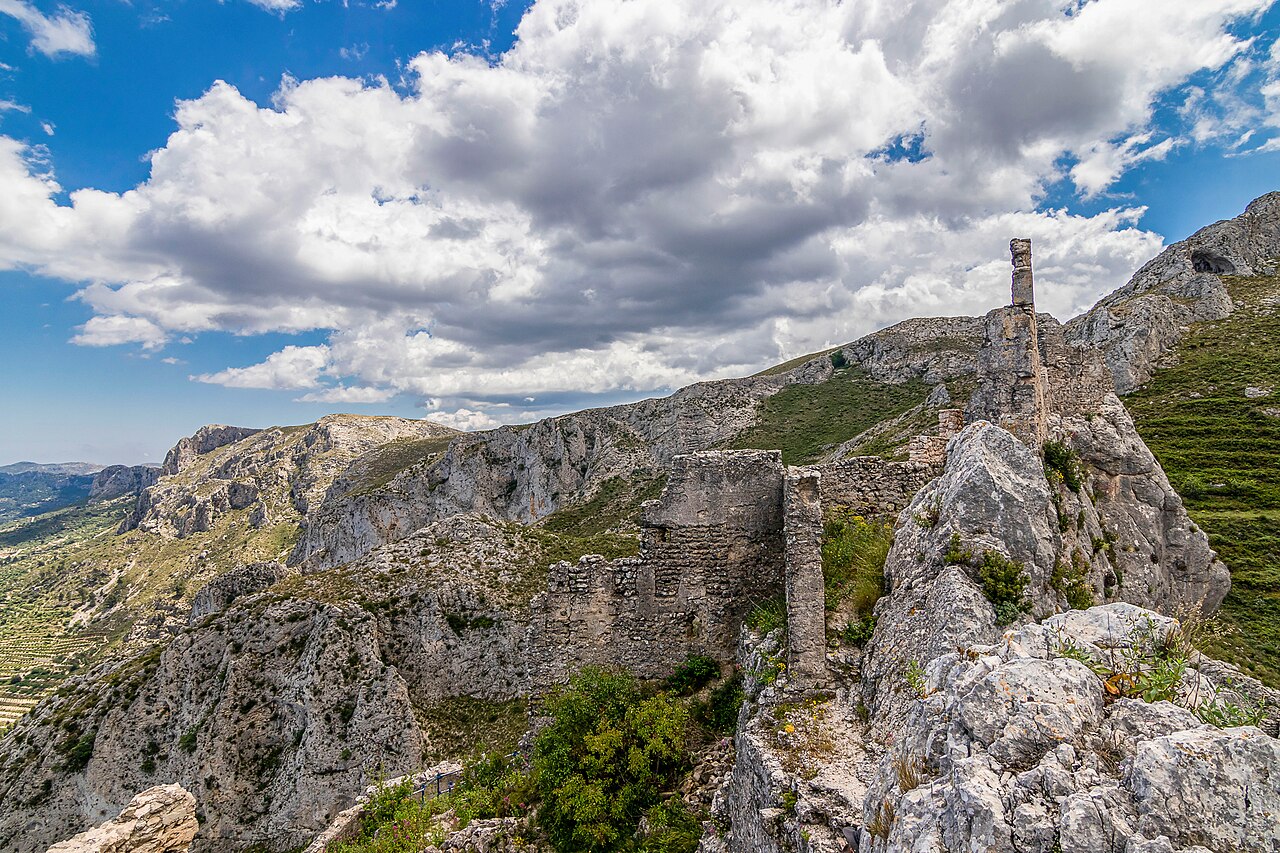
Castell de Seta is a notable hill castle located in Spain, distinguished by its strategic position atop a prominent elevation. This elevated setting provided significant defensive advantages during its period of use, allowing for extensive visibility over the surrounding landscape and early warning against approaching threats.

Historical background and significance

The castle's origins date back to the medieval period, reflecting the typical defensive needs of the time in the Iberian Peninsula. While the exact date of construction is uncertain, the castle's architectural features suggest a foundation in the High to Late Medieval era, a time when fortifications were essential for territorial control and local governance.

Throughout its history, Castell de Seta played a role in regional defense and possibly served as a local administrative center. Its location and structure indicate it was part of a network of fortifications that helped secure the area during periods of conflict and political change in medieval Spain.

Architectural features

Defensive structures

The castle's design incorporates typical elements of hill castles, including robust stone walls adapted to the natural contours of the hill. These walls provided formidable protection against siege warfare and were likely complemented by additional defensive features such as battlements and arrow slits.

Towers and gatehouses

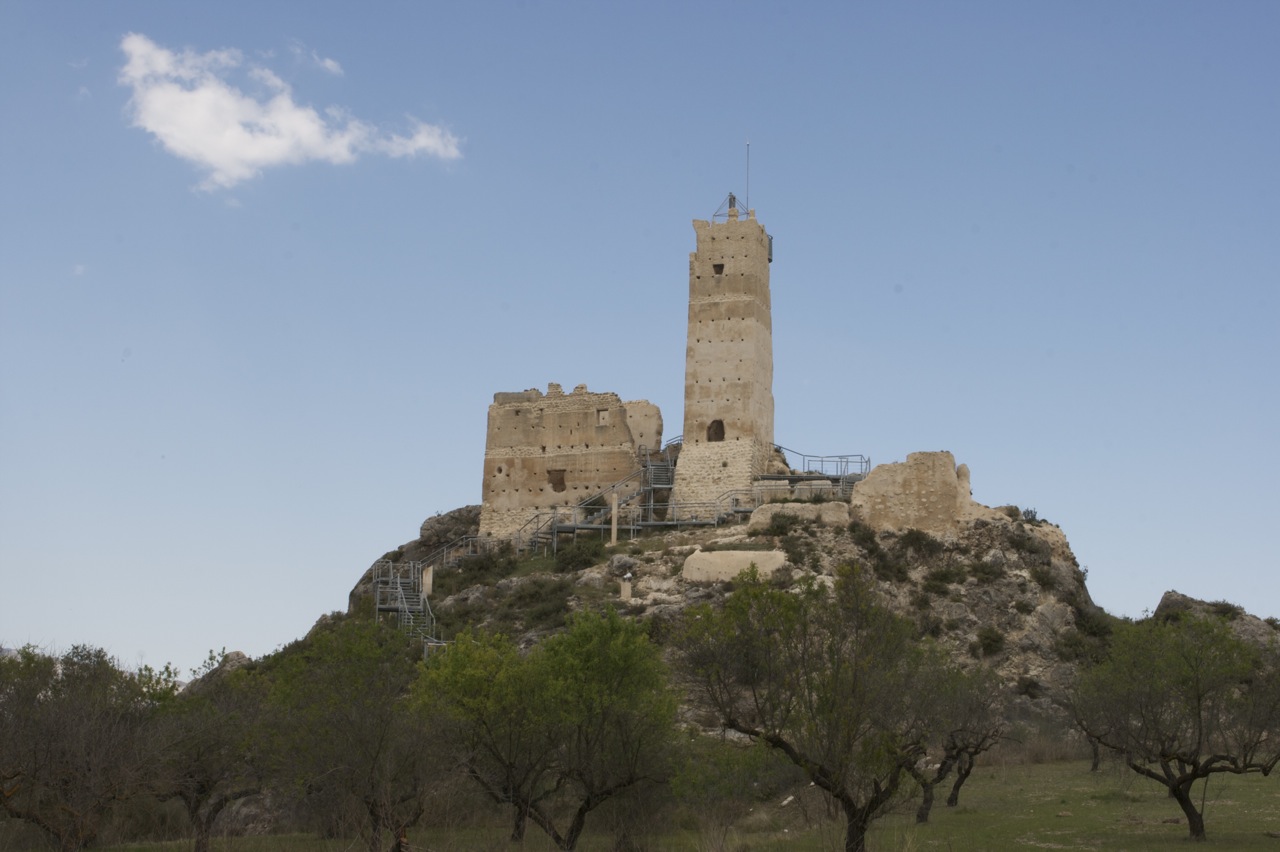
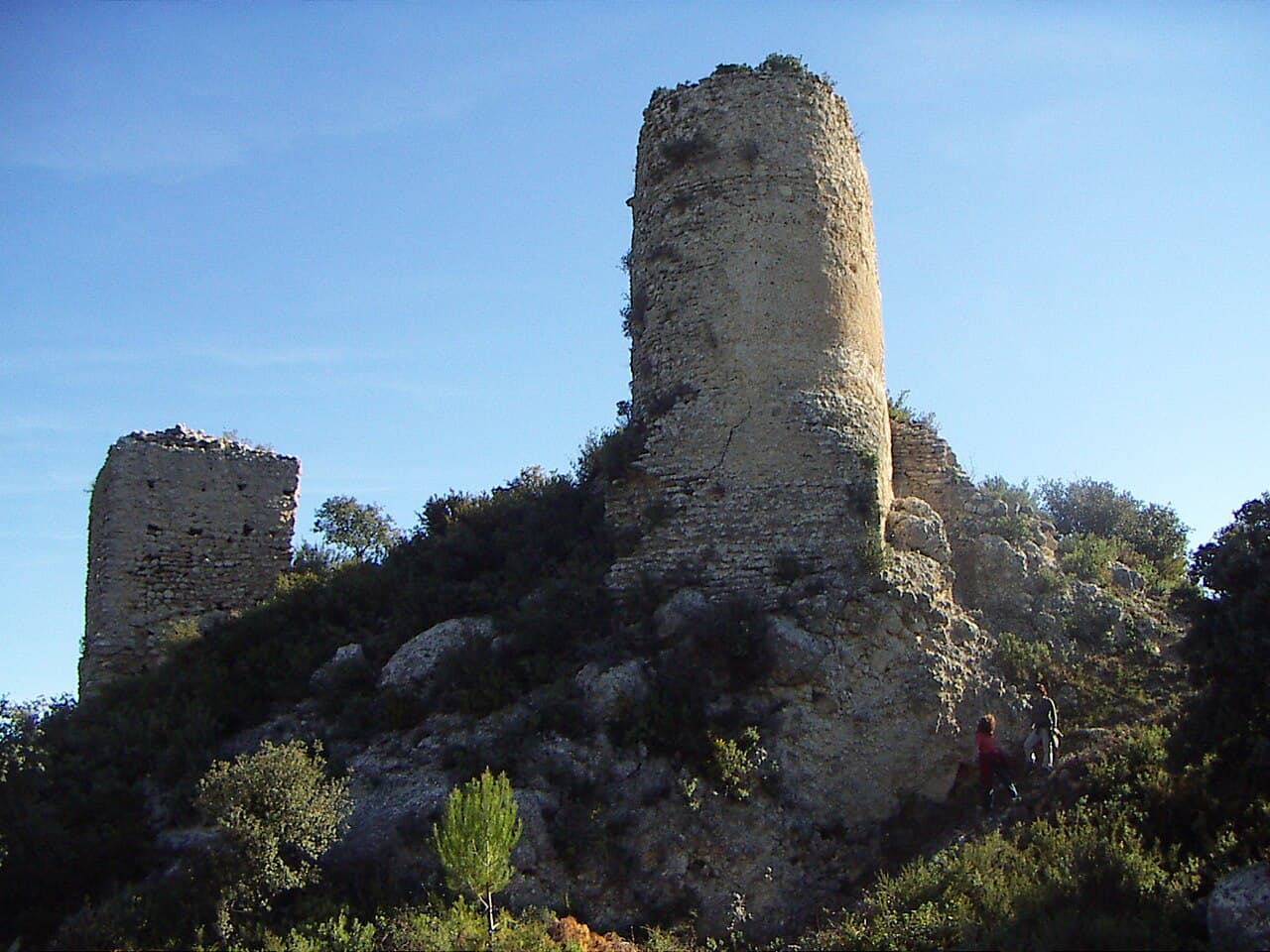
Castell de Seta includes remnants of towers that would have served both as lookout points and strongholds within the castle complex. The main gatehouse, positioned to control access, was designed to maximize defensive capabilities, possibly featuring a portcullis and murder holes, common in medieval fortifications.

Strategic location and landscape integration

Perched on a hill, the castle exploits the natural topography to enhance its defensive strength. The elevation not only provided a commanding view of the surrounding territory but also made direct assaults more difficult for attackers. The integration of the castle's walls with the rocky terrain is a characteristic feature, blending man-made fortifications with natural defenses.

Current condition and preservation

Today, Castell de Seta exists in a partially preserved state. While some sections of the walls and towers remain intact, other parts have succumbed to the ravages of time and weather. Preservation efforts focus on maintaining the structural integrity of the remaining features and providing access for visitors interested in medieval military architecture.

Visiting Castell de Seta

Visitors to Castell de Seta can explore the castle ruins and enjoy panoramic views of the surrounding landscape. The site offers insight into medieval fortification techniques and the strategic importance of hill castles in Spain's history. While facilities may be limited due to the castle's preservation status, the location remains a valuable destination for history enthusiasts and hikers alike.

Frequently asked questions (FAQ)

What is the best way to reach Castell de Seta?
Castell de Seta is typically accessed via hiking trails leading up the hill. Visitors should prepare for a walk on uneven terrain and wear suitable footwear.
Is Castell de Seta suitable for family visits?
The castle ruins can be explored by families, but caution is advised due to uneven surfaces and partial preservation. Children should be supervised at all times.
Can visitors enter the towers of Castell de Seta?
Access to the towers may be restricted depending on their structural condition. Visitors should follow posted signs and guidelines for safety.
When is the best time to visit Castell de Seta?
Spring and autumn offer pleasant weather for visiting Castell de Seta, with mild temperatures and clear views from the hilltop.
Are there guided tours available at Castell de Seta?
Guided tours may not be regularly available due to the site's remote location. Visitors should check with local tourist information centers for any scheduled tours.

Photo gallery

Castell de Seta
Click to view

Photo by Txikillana•CC BY-SA 4.0

1 photo • Click any image to view in full screen

Information

Hill Castle

Loading map...

Visitor reviews

No reviews yet. Been here? Write the first review and help other travelers!

Write the first review

Visited this castle? Share your experience

Your review helps other travelers and adds first-hand knowledge to our encyclopedia.

Write a review

(5/5)

0/2000 characters

Your review will be visible after admin approval

Nearby castles

4.8 km

Castell de Travadell

Millena, Spain

The Castell de Travadell stands as a remarkable example of medieval military architecture nestled on a strategic hilltop in the municipality of Millena, Spain. This hill castle traces its origins back to the Muslim period, with archaeological evidence dating its foundation to between the 12th and 13th centuries. The castle’s location was significant not only for its defensive advantages but also because the hill itself had been occupied since the Bronze Age, as revealed by ancient remains uncovered in the vicinity. This continuity of occupation underscores the site’s long-standing strategic and cultural importance. Historical evolution of Castell de Travadell The castle’s initial construction during the Islamic rule of the Iberian Peninsula reflects the military and administrative needs of the time. The fortress likely functioned as a defensive outpost, controlling the surrounding territory and protecting local settlements. Following the Christian reconquest of the region in the 13th and 14th centuries, the castle underwent substantial modifications. Most notably, a polygonal tower was added, which served both as a lookout and a stronghold within the fortification. These adaptations illustrate the castle’s evolving role in response to shifting political and military realities. Christian period renovations The Christian occupants enhanced the castle’s defenses by reinforcing walls and adding new architectural elements suited to the warfare tactics of the time. The polygonal tower, covering approximately 55 square meters, was likely two stories high, providing elevated vantage points for surveillance and defense. The walls of the tower were constructed using masonry rubble with a thickness of about 0.6 meters, reflecting typical medieval construction techniques. Variations in wall thickness and building materials between sections indicate multiple phases of construction and renovation. Architectural features and structural remains The surviving remains of Castell de Travadell offer valuable insights into medieval fortification design. The site includes several cisterns (aljubs), which were essential for collecting and storing water to sustain the castle’s inhabitants during sieges. These water storage facilities highlight the practical considerations in castle design, especially in a hilltop environment where natural water sources were scarce. The defensive walls combine different construction methods: some sections are preserved as paraments—the visible stone surfaces of the walls—while others were built using tapial, a traditional rammed earth technique. This mixture of materials reflects both the original Islamic construction and later Christian modifications, revealing a layered architectural history. The polygonal tower remains the most prominent feature, with the northwest and part of the northeast walls still standing. The tower’s design provided both defensive strength and strategic observation points. The use of masonry rubble and the tower’s robust construction were typical of medieval military architecture in the region. Damage and preservation challenges Despite its historical significance, the castle has suffered from natural and human-induced damage over the centuries. One of the last remaining rammed earth walls was destroyed during the storm Gloria in 2020, illustrating the vulnerability of such ancient structures to extreme weather events. Nevertheless, the site remains a protected cultural heritage location in Spain, recognized for its archaeological and historical value. Castell de Travadell in local culture and heritage The castle holds a special place in local tradition and literature. It is famously referenced in the story "El Castell del Sol" by Enric Valor, where it is called the "fortaleza de Benillup." This literary association enhances the castle’s cultural significance, linking the physical ruins to the region’s folklore and collective memory. Today, Castell de Travadell is appreciated not only as an archaeological site but also as a symbol of the region’s complex history, reflecting layers of Bronze Age occupation, Islamic and Christian medieval military architecture, and enduring cultural narratives. Visitor experience and educational value While the castle remains in ruins, the site offers visitors a tangible connection to the past. The visible remains of walls, towers, and cisterns provide a rich educational resource for understanding medieval fortifications and the historical transitions in the Iberian Peninsula. The castle’s elevated position affords panoramic views of the surrounding landscape, further enhancing its appeal as a historical landmark.

High Medieval (11th–13th c.)
Details
7.6 km
Castell de Benissili — Spain castle

Castell de Benissili

, Spain

Castell de Benissili is a notable example of a hill castle located in Spain, exemplifying medieval military architecture adapted to rugged terrain. This castle occupies a strategic position atop a hill, providing commanding views over the surrounding landscape, which was essential for defense and surveillance during its active use. Historical context and origins The origins of Castell de Benissili trace back to the medieval period, likely constructed during the High Medieval era when fortifications were crucial for controlling territories and protecting local populations. Castles such as this were often built by regional lords or military orders to assert dominance and secure trade routes in the area. While specific records about the castle's founders and exact construction date are scarce, its architectural style and strategic placement align with other contemporary fortifications in Spain from the 12th to 14th centuries. The castle played a role in the regional conflicts and power struggles typical of medieval Spain, including the Reconquista period. Architectural features and layout Castell de Benissili is characterized by its adaptation to the natural topography of the hill on which it stands. The castle's design maximizes defensive advantages by incorporating steep slopes and natural barriers. Its walls are constructed from locally sourced stone, providing resilience and durability against sieges. The castle likely featured curtain walls enclosing a central courtyard, with defensive towers positioned at key points to oversee approaches and provide flanking fire. The main entrance would have been fortified, possibly with a gatehouse and defensive mechanisms such as a portcullis or drawbridge, though specific details remain undocumented. Inside, the castle would have housed essential structures including a keep or donjon, serving as the last line of defense and residential quarters for the lord or commander. Additional buildings might have included storage rooms, barracks for soldiers, and a chapel, reflecting the multifunctional nature of medieval castles. Strategic importance and role in regional history Situated on a hill, Castell de Benissili commanded extensive views over the surrounding territory, allowing early detection of enemy movements. This strategic advantage made it a vital military asset during periods of conflict, particularly during the phases of the Reconquista when Christian and Muslim forces contested control over the Iberian Peninsula. The castle's location also suggests it functioned as a local administrative center, overseeing agricultural lands and trade routes. Its presence would have provided security for nearby settlements and contributed to the consolidation of territorial control by its ruling authority. Current condition and preservation Today, Castell de Benissili remains a hill castle in a state that may range from ruins to partially preserved, typical of many medieval fortifications that have suffered from centuries of exposure and neglect. The extent of its preservation affects the visibility of architectural features and the ability to study the castle in detail. Efforts to preserve such castles in Spain often involve archaeological surveys and conservation projects aimed at stabilizing remaining structures and promoting cultural heritage tourism. Visitors to the site can appreciate the castle's historical significance and the commanding views that once defined its defensive strength. Visiting castell de benissili While specific visitor information for Castell de Benissili is limited, hill castles in Spain typically offer hiking opportunities and panoramic vistas. Access may be subject to local regulations, and facilities are often minimal, emphasizing the castle's historical ambiance. Exploring the castle provides insight into medieval military architecture and the historical landscape of the region, making it a point of interest for enthusiasts of history, architecture, and nature.

High Medieval (11th–13th c.)
Details
10 km
Penella Castle — Spain castle

Penella Castle

Cocentaina, Spain

Penella Castle stands as a remarkable example of a 13th-century hill castle located near Cocentaina in the province of Alicante, Spain. Perched atop a commanding limestone crag with steep vertical walls on its northern side, the castle's strategic position offered both natural defense and extensive views across the surrounding landscape. This medieval fortress is a notable representation of rural castles or fortified manor houses typical of the early Christian reconquest period in the Iberian Peninsula. The castle owes its origins to a royal decree by King James I of Aragon in 1271, who granted the villages of Peniella and Forminyàn to Ponç Guillem de Villafranca. The king authorized Ponç Guillem to construct a fortress on the rocky outcrop known as the "roca de Peniella," marking the foundation of the castle. This authorization reflects the broader context of territorial consolidation and Christian expansion during the late High Medieval period in the region. Historical significance and ownership The Castell de Penella served as the administrative and residential center for the lordship that combined the villages of Penella and Formigà under the stewardship of the Villafranca family. Its location between Cocentaina and Benilloba made it a strategically important site for controlling local territories during a period marked by frequent conflicts and shifting allegiances. Over the centuries, the castle remained closely tied to the history and identity of Cocentaina. Although it eventually fell into ruin, the castle's legacy endured in local folklore and cultural memory. It features prominently in the folktale "Els guants de la felicitat" by Enric Valor, where it is depicted as the home of Lord Raül de Mataplana and his son Carles. This literary connection highlights the castle's role beyond military and residential functions, embedding it in regional storytelling traditions. Architectural features and construction The keep and defensive structures The most prominent surviving feature of Penella Castle is its keep, also known as the tower of homage. This imposing square tower measures approximately 4 meters on each side and rises to a height of around 12 meters. Its top is crowned with crenellations, which provided defenders with protected positions from which to repel attackers. Adjacent to the keep is a quadrangular building that also features crenellated walls, forming part of the castle's defensive complex. The fortress was originally enclosed by walls and smaller towers, fragments of which still survive, outlining the perimeter of the fortified site. These architectural elements underscore the castle's dual function as a noble residence and a defensive stronghold. Construction techniques and materials The castle's construction showcases a combination of traditional medieval building methods. A base of stone masonry was used to level and stabilize the foundation on the uneven rocky terrain. Above this base, walls were constructed using rammed earth or tapial, a technique involving compacting earth within wooden frames to create sturdy and durable walls. This method was common in rural fortifications of the time, balancing resource availability and defensive needs. Archaeological findings and preservation Archaeological excavations around Penella Castle have uncovered artifacts and structural remains dating to the late 13th century, corroborating the historical timeline of its foundation. Despite its current ruined state, the castle's keep remains structurally intact enough to offer insight into its original design and strategic purpose. In the early 21st century, the local government of Cocentaina undertook restoration efforts to stabilize and preserve the ruins. These interventions aimed to safeguard the castle's primary architectural features for future study and public education, ensuring that Penella Castle continues to be a cultural landmark within the region. Penella Castle in the context of medieval fortifications in Spain Penella Castle exemplifies the characteristics of High Medieval rural castles in Spain, which often combined residential and defensive functions on naturally defensible sites. Its location on a limestone rock with sheer cliffs provided a formidable natural defense, enhanced by man-made fortifications such as the keep, walls, and towers. The use of tapial construction alongside stone masonry reflects regional building traditions that adapted to available materials and terrain. The castle's relatively modest size compared to larger royal fortresses highlights its role as a fortified manor house, serving local lords rather than acting as a major military bastion. Visiting Penella Castle today Today, visitors to Penella Castle can explore the remains of the keep and the adjoining crenellated structures, gaining a sense of the castle's historical importance and architectural ingenuity. The site offers panoramic views of the surrounding landscape, including the nearby towns of Cocentaina and Benilloba. While the castle is in a ruined but stabilized condition, it remains a significant cultural and historical monument. The restoration work has made the site safer and more accessible, allowing visitors to appreciate the medieval heritage of the Alicante region.

High Medieval (11th–13th c.)
Details