Castell de Sant Jaume
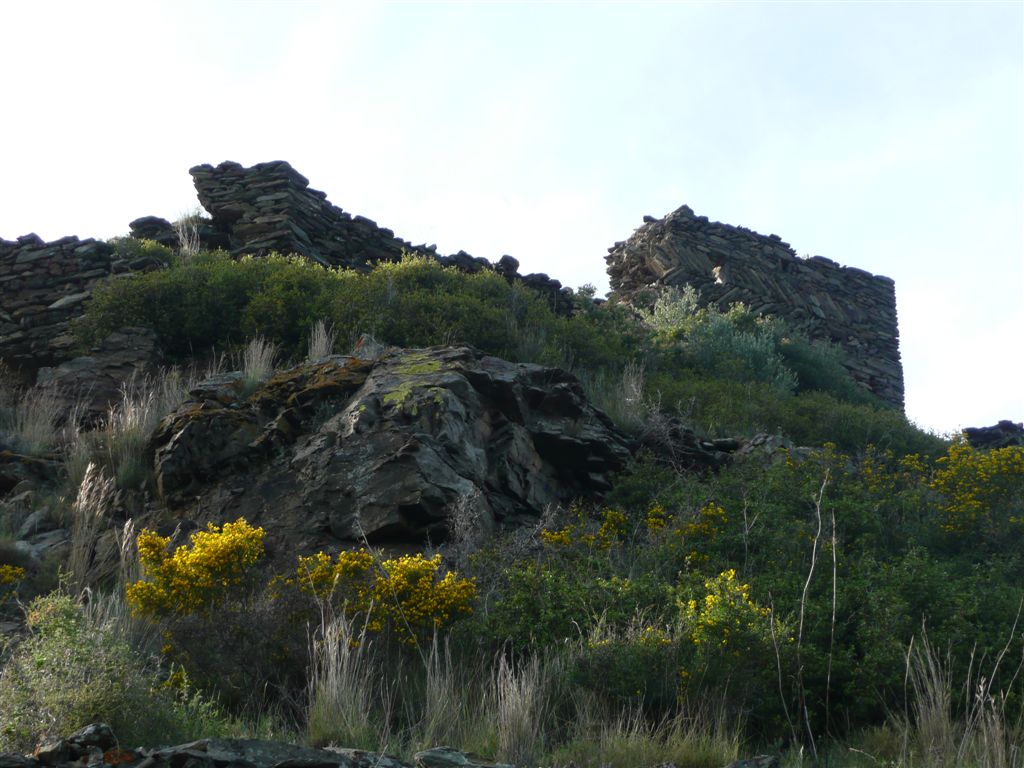
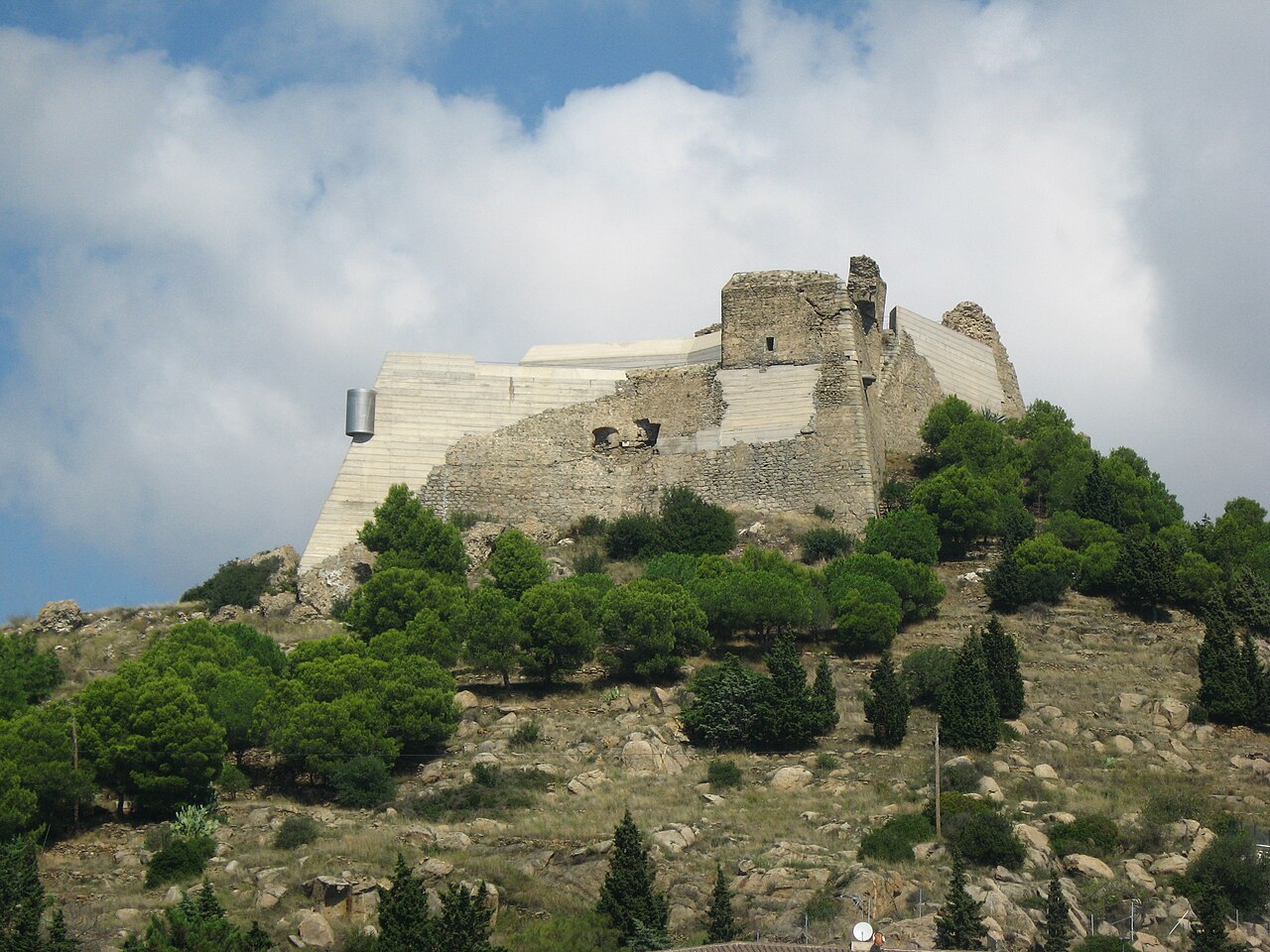
Castell de Sant Jaume is a medieval hill castle located in Spain, known for its strategic position and historical significance. Though the exact city location is not specified, this castle exemplifies the typical characteristics of fortifications built on elevated terrain to provide defensive advantages and surveillance over the surrounding landscape.
Historical background and significance
The origins of Castell de Sant Jaume date back to the High Medieval period, a time when castles were essential for territorial control and defense. Castles like Sant Jaume were often constructed to assert dominance over key routes and protect local populations from invasions or rival factions. The castle's name, dedicated to Saint James, suggests a religious or cultural connection, possibly linked to the widespread veneration of Saint James in Spain during the medieval era.
Throughout its history, the castle likely served as a military stronghold and a local administrative center. Its elevated position would have allowed defenders to monitor movements across the region and communicate with nearby fortifications. The castle might have witnessed various conflicts and power struggles typical of medieval Spain, including regional disputes and the Reconquista period.
Architectural features and layout
As a hill castle, Castell de Sant Jaume was constructed to take full advantage of the natural topography. The castle's design would have included stone walls adapted to the contours of the hill, creating a formidable defensive perimeter. Typical features likely included towers positioned at strategic points to oversee approaches and provide flanking fire.
The castle probably contained a keep or donjon serving as the last line of defense and residence for the lord or commander. Inside the walls, there would have been essential structures such as a great hall, chapel, and storage facilities. The layout was designed to support both military needs and daily life within the fortress.
Defensive elements
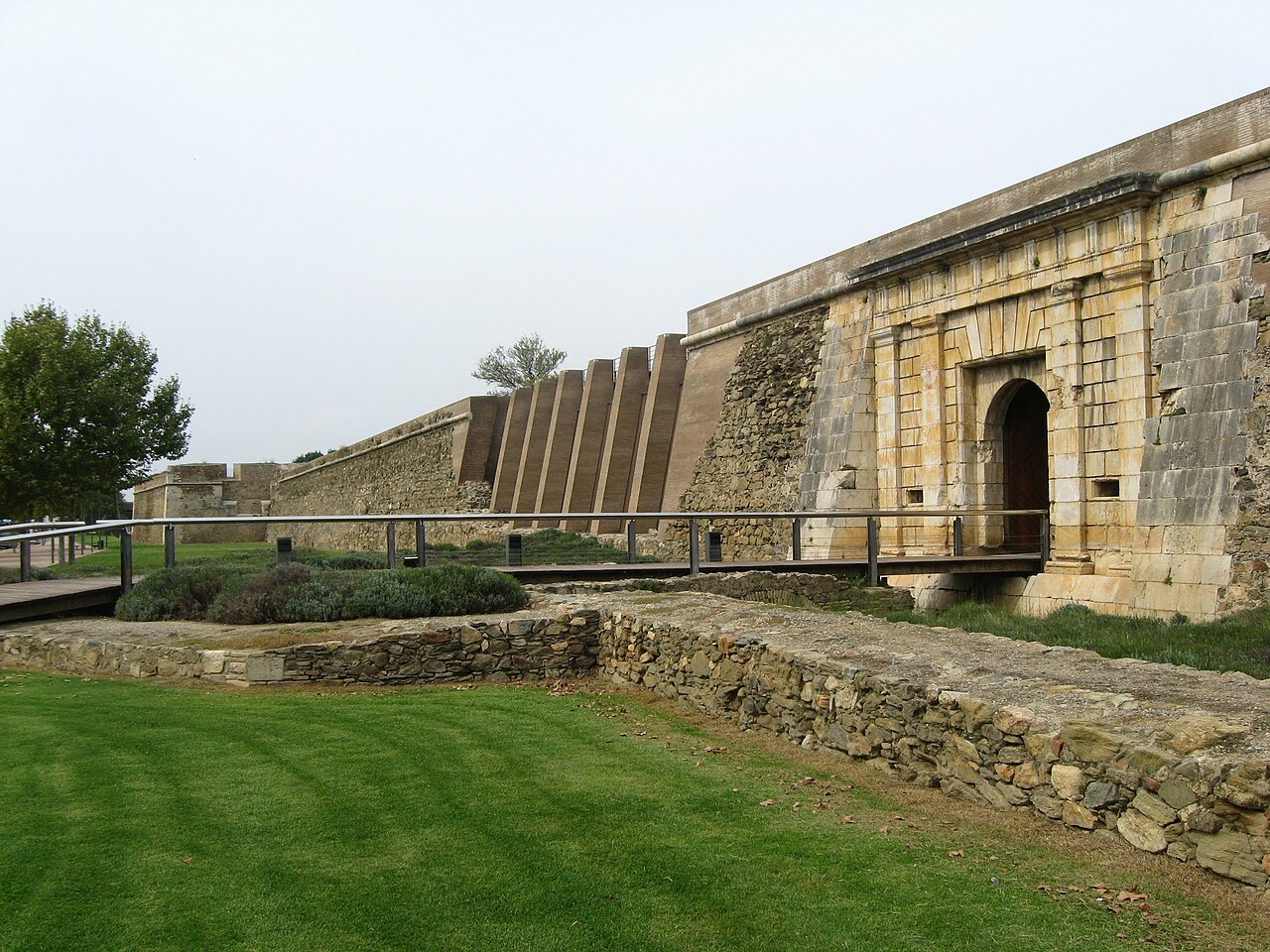
The castle's fortifications would have included battlements and possibly a moat or ditch adapted to the hill's terrain. Access points such as gates would have been heavily fortified with portcullises and murder holes to repel attackers. The use of natural rock formations as part of the defensive system was common in hill castles, enhancing their resilience against siege warfare.
Current condition and preservation
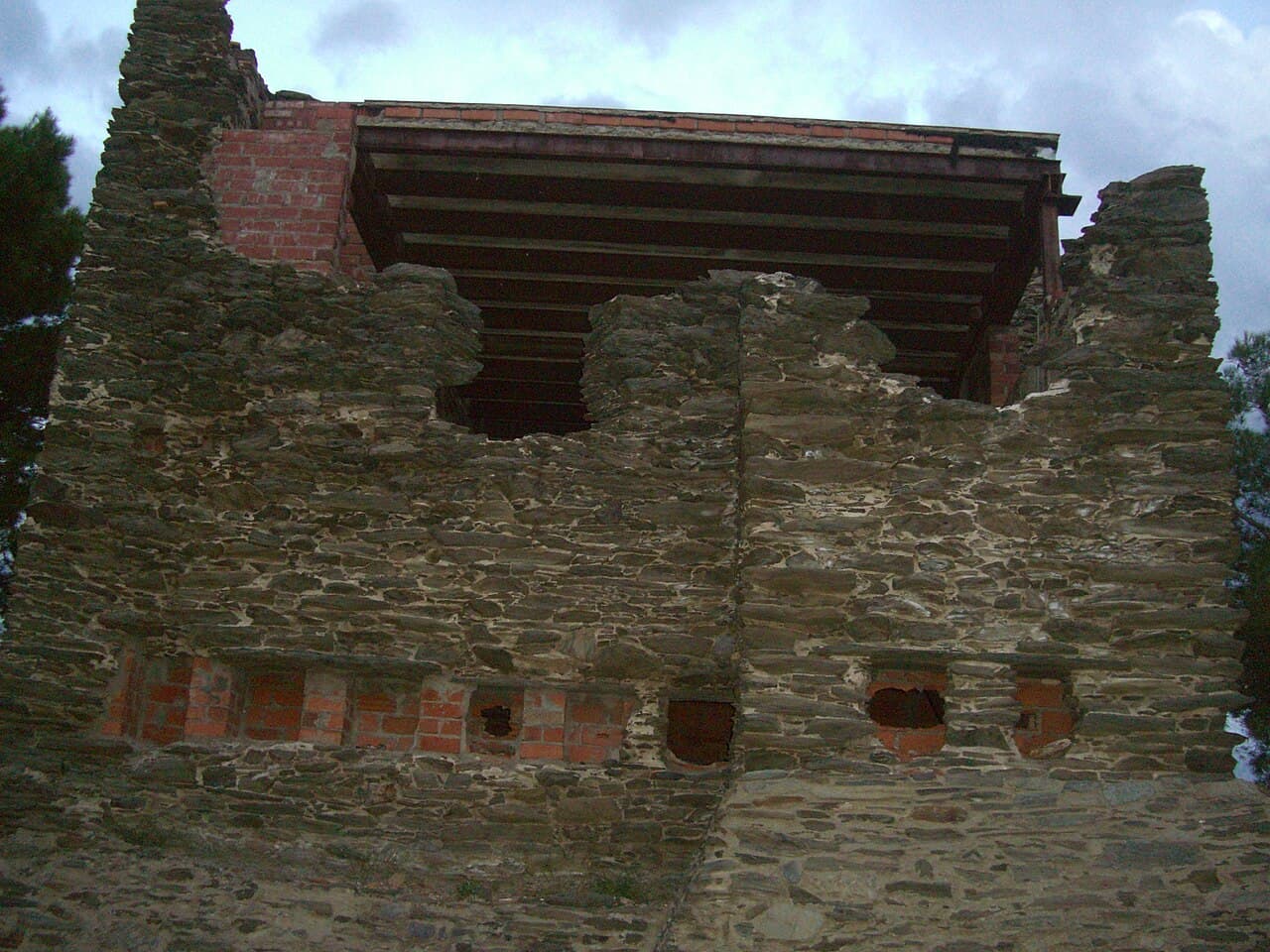
The present state of Castell de Sant Jaume is not fully documented, but like many medieval hill castles in Spain, it may exist as ruins or partially preserved remains. Such sites often retain significant portions of their walls and towers, providing valuable insight into medieval military architecture.
Efforts to preserve and study the castle would focus on stabilizing the structure and facilitating archaeological research. The castle's location on a hill can present challenges for conservation but also offers spectacular views that attract visitors interested in history and heritage.
Visiting and cultural importance
While specific visitor information is unavailable, hill castles like Castell de Sant Jaume typically appeal to tourists seeking historical exploration combined with natural scenery. The castle's connection to Saint James may also attract pilgrims or those interested in Spain's religious heritage.
Castell de Sant Jaume stands as a representative example of medieval fortifications that shaped regional history and landscape. Its architectural and historical features contribute to understanding the military and social dynamics of medieval Spain.
Frequently asked questions (FAQ)
- What is the historical significance of Castell de Sant Jaume?
- Castell de Sant Jaume is a significant landmark in Spain, known for its strategic location and historical role during various conflicts. Originally built in the 13th century, it served as a defensive fortress and played a crucial part in the region's military history.
- When is the best time to visit Castell de Sant Jaume?
- The best time to visit Castell de Sant Jaume is during the spring and fall months, when the weather is mild and pleasant for exploring. Additionally, visiting during these seasons allows you to avoid the larger summer crowds, providing a more enjoyable experience.
- What are the opening hours for Castell de Sant Jaume?
- Castell de Sant Jaume typically opens at 10 AM and closes at 6 PM during the weekdays, with extended hours on weekends. It is advisable to check the official website for any seasonal changes or specific holiday hours before planning your visit.
- Can I access Castell de Sant Jaume with a wheelchair?
- Yes, Castell de Sant Jaume is equipped with facilities to assist visitors with mobility challenges. However, certain areas may have limited accessibility due to the castle's historic structure, so it's recommended to check in advance for specific access points.
- How much do tickets cost for Castell de Sant Jaume?
- Tickets for Castell de Sant Jaume are reasonably priced, with discounts available for students and seniors. Children under a certain age may enter for free, so be sure to review the current pricing on the official website prior to your visit.
- What nearby attractions can I visit while at Castell de Sant Jaume?
- While visiting Castell de Sant Jaume, you can explore several nearby attractions, including the charming old town and local museums that showcase the region's history. Additionally, beautiful parks and scenic walking trails can enhance your experience in this picturesque area.
- Is it possible to take guided tours of Castell de Sant Jaume?
- Yes, guided tours of Castell de Sant Jaume are available and provide a deeper understanding of its rich history and architectural features. These tours are typically led by knowledgeable guides who can answer questions and share fascinating stories about the castle.
Photo gallery

Information
Loading map...
Visitor reviews
No reviews yet. Been here? Write the first review and help other travelers!
Write the first reviewVisited this castle? Share your experience
Your review helps other travelers and adds first-hand knowledge to our encyclopedia.