Castell de Palol d'Onyar
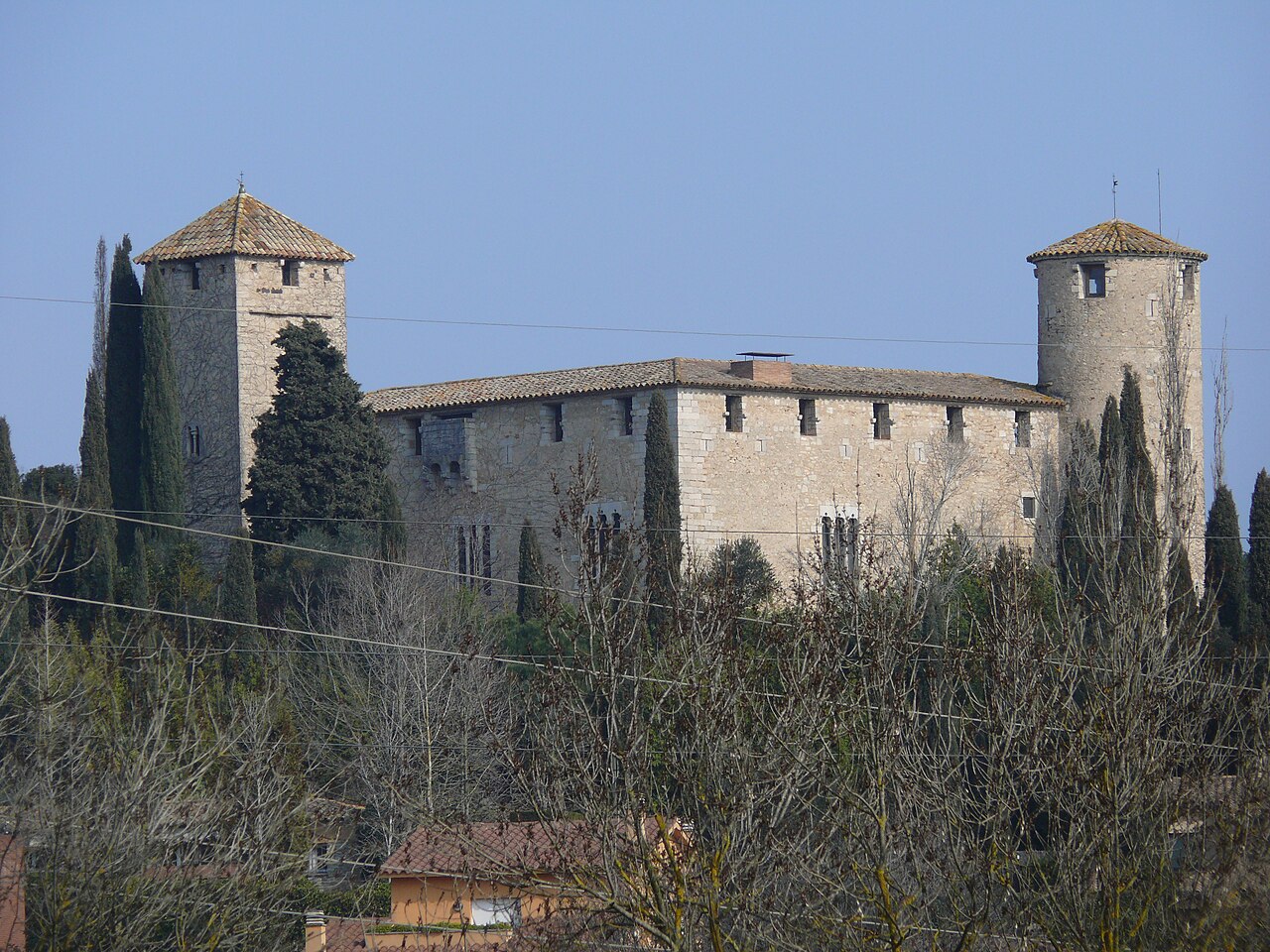
Castell de Palol d'Onyar is a medieval hill castle located in the Catalonia region of Spain. Its position atop a hill overlooking the Onyar river valley provided a strategic vantage point for controlling the surrounding territory during the High Medieval period. The castle's origins date back to the 11th or 12th century, although the exact construction date remains uncertain. This fortress played a key role in the region's feudal conflicts and served as a defensive stronghold for local nobility.
Historical background and significance
The castle was part of a network of fortifications built during the High Medieval era to secure the frontier zones of Catalonia. It was likely constructed by a local lord to assert control over the fertile lands along the Onyar river and to protect trade routes. Throughout the centuries, the castle witnessed various conflicts, including skirmishes related to the territorial disputes between Catalan counts and neighboring powers. Its strategic location on a hill allowed defenders to spot approaching enemies from a distance and provided natural defensive advantages.
Architectural features and layout
Castell de Palol d'Onyar is classified as a hill castle, characterized by its elevated position and use of the natural terrain for defense. The castle's remains include portions of the stone curtain walls, which once enclosed the inner bailey and protected the residential and military buildings within. The walls were constructed with local stone, featuring typical Romanesque masonry techniques prevalent during the castle's initial construction phase.
The layout likely included a keep or donjon, serving as the last line of defense and the lord's residence. Although much of the superstructure has not survived intact, archaeological evidence suggests the presence of a gatehouse with defensive towers flanking the entrance to control access. The castle's design reflects the practical military architecture of the High Medieval period, focusing on defense and surveillance rather than elaborate ornamentation.
Defensive elements
The castle utilized the natural steep slopes of the hill to enhance its defenses. The curtain walls were reinforced with battlements and towers at intervals to provide overlapping fields of fire against attackers. A moat or ditch may have been present on the more accessible sides, although no definitive traces remain. The entrance was likely protected by a drawbridge or portcullis, common features in castles of this type and era.
Later history and preservation
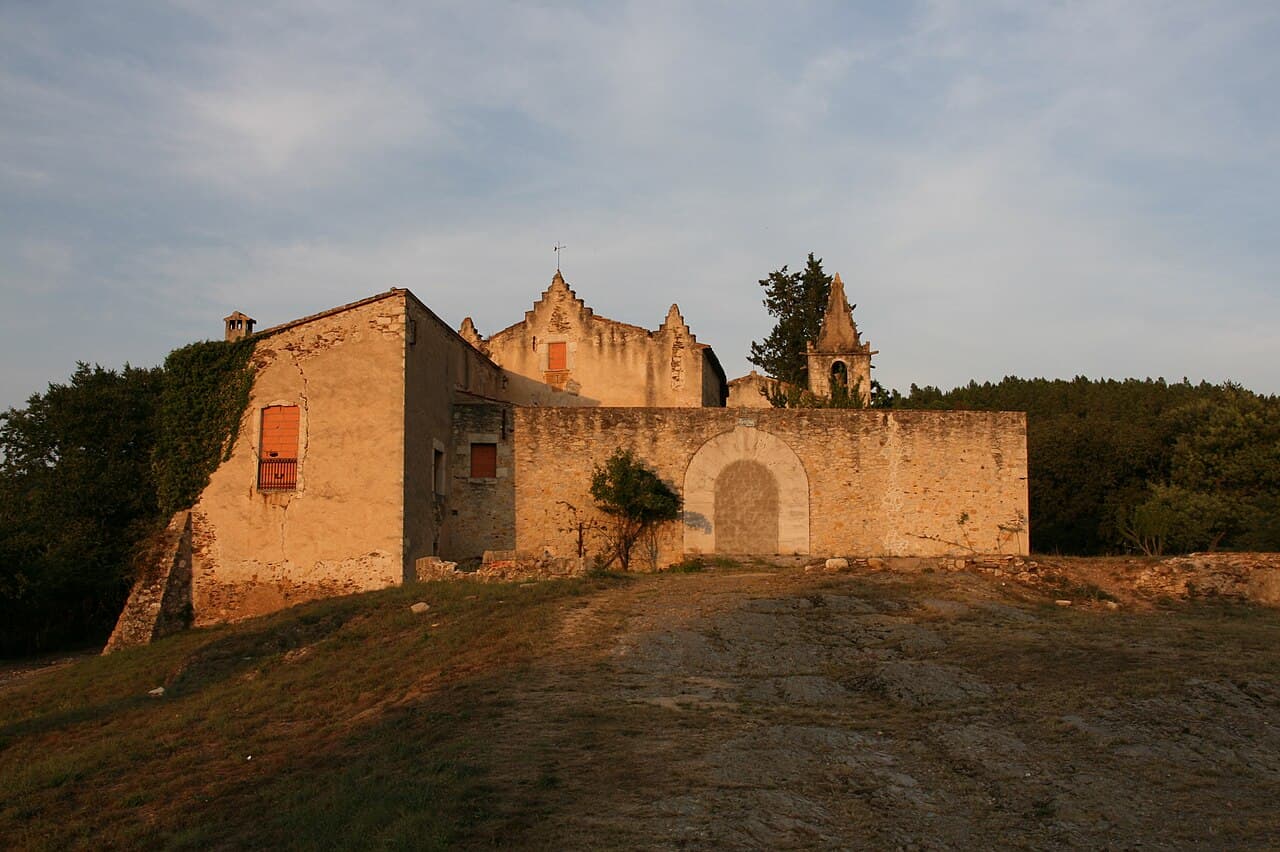
Over time, the castle's military importance declined as political conditions in Catalonia stabilized and artillery rendered hilltop fortresses less effective. By the Late Medieval period, the castle may have been partially abandoned or repurposed for residential use. Today, Castell de Palol d'Onyar exists primarily as ruins, with some sections of the walls and foundations visible to visitors.
The site has attracted interest from historians and archaeologists aiming to preserve its remains and understand its role in Catalonia's medieval history. Efforts to maintain the ruins focus on preventing further deterioration while allowing public access to this cultural heritage site. Visitors can explore the hilltop and appreciate the castle's commanding views over the Onyar valley and surrounding countryside.
Visiting and cultural importance
Although not as extensively restored as some other Catalan castles, Castell de Palol d'Onyar offers a valuable glimpse into medieval military architecture and feudal life in the region. Its location provides a scenic hiking destination for visitors interested in history and nature. Interpretation panels at the site help explain the castle's historical context and architectural features.
The castle is part of Catalonia's broader network of medieval fortifications, reflecting the region's complex feudal past and strategic importance in the Iberian Peninsula. It remains a symbol of the medieval heritage that shaped Catalonia's cultural landscape.
Frequently asked questions (FAQ)
- What is the historical significance of Castell de Palol d'Onyar?
- Castell de Palol d'Onyar is a remarkable example of medieval architecture in Spain, dating back to the 11th century. It served as a defensive fortress during the Reconquista and played a significant role in the region's history, providing insight into the feudal system and local governance of the time.
- When is the best time to visit Castell de Palol d'Onyar?
- The best time to visit Castell de Palol d'Onyar is during the spring and early autumn months when the weather is mild and pleasant. This allows for a comfortable exploration of the castle and its surroundings, as well as the opportunity to enjoy local festivals that often take place during these seasons.
- Can I access Castell de Palol d'Onyar with a wheelchair?
- While Castell de Palol d'Onyar has some areas accessible to those with limited mobility, the historic nature of the site means that certain sections may have uneven terrain and steps. It is advisable to check in advance and contact the visitor center for detailed accessibility information to ensure a comfortable visit.
- What are the opening hours for Castell de Palol d'Onyar?
- Castell de Palol d'Onyar is typically open to visitors from 10 AM to 6 PM, but it is important to check the official website for seasonal variations and holiday hours. Guided tours may have specific times, so reserving in advance is recommended to secure your preferred slot.
- Is there an admission fee to visit Castell de Palol d'Onyar?
- Yes, there is an admission fee to enter Castell de Palol d'Onyar, which helps maintain the site and its facilities. The ticket prices vary depending on the age of the visitor, with discounts available for children, students, and seniors, so be sure to inquire about available options.
- What nearby attractions can I explore while visiting Castell de Palol d'Onyar?
- When visiting Castell de Palol d'Onyar, you can also explore the beautiful countryside and nearby villages, such as the charming town of Onyar and the scenic natural parks in the area. Additionally, the Costa Brava coastline is just a short drive away, offering stunning beaches and coastal activities.
- How do I get to Castell de Palol d'Onyar?
- Castell de Palol d'Onyar is easily accessible by car, with parking available nearby. If using public transport, several bus routes connect to the nearest towns, followed by a short walk to the castle, making it convenient for visitors traveling from major cities.
Photo gallery

Information
Loading map...
Visitor reviews
No reviews yet. Been here? Write the first review and help other travelers!
Write the first reviewVisited this castle? Share your experience
Your review helps other travelers and adds first-hand knowledge to our encyclopedia.