Castell de Cabrera
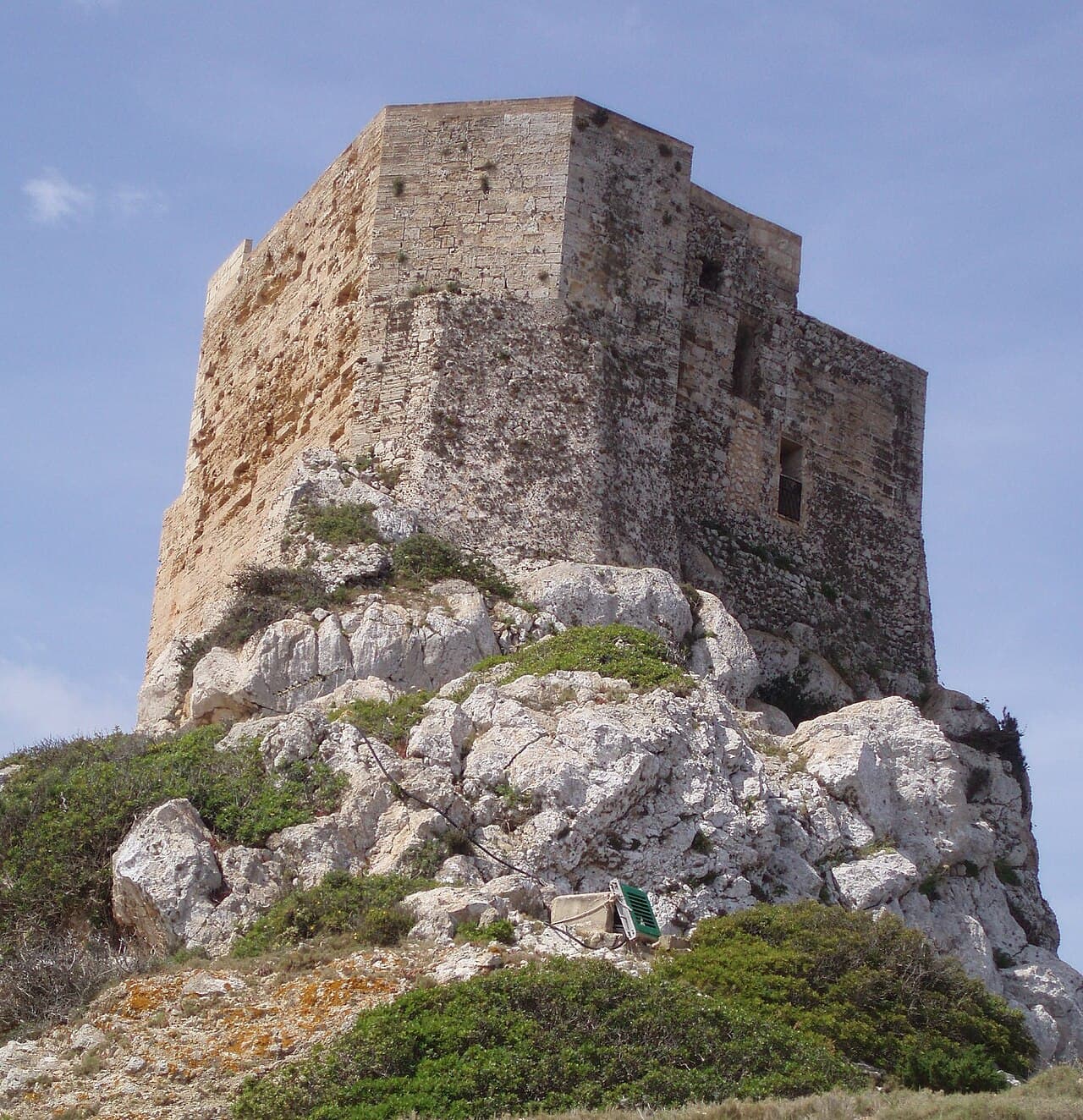
The Castell de Cabrera is a remarkable example of a medieval hill castle strategically positioned on Cabrera Island, part of the Balearic Islands in Spain. Built during the late 14th century by medieval Christian forces, this fortress played a critical role in maritime defense, particularly against pirate incursions that threatened the island and the surrounding waters. Its location atop a natural elevation overlooking the harbor entrance provided a commanding view crucial for surveillance and control of naval traffic, underscoring its importance as a defensive stronghold.
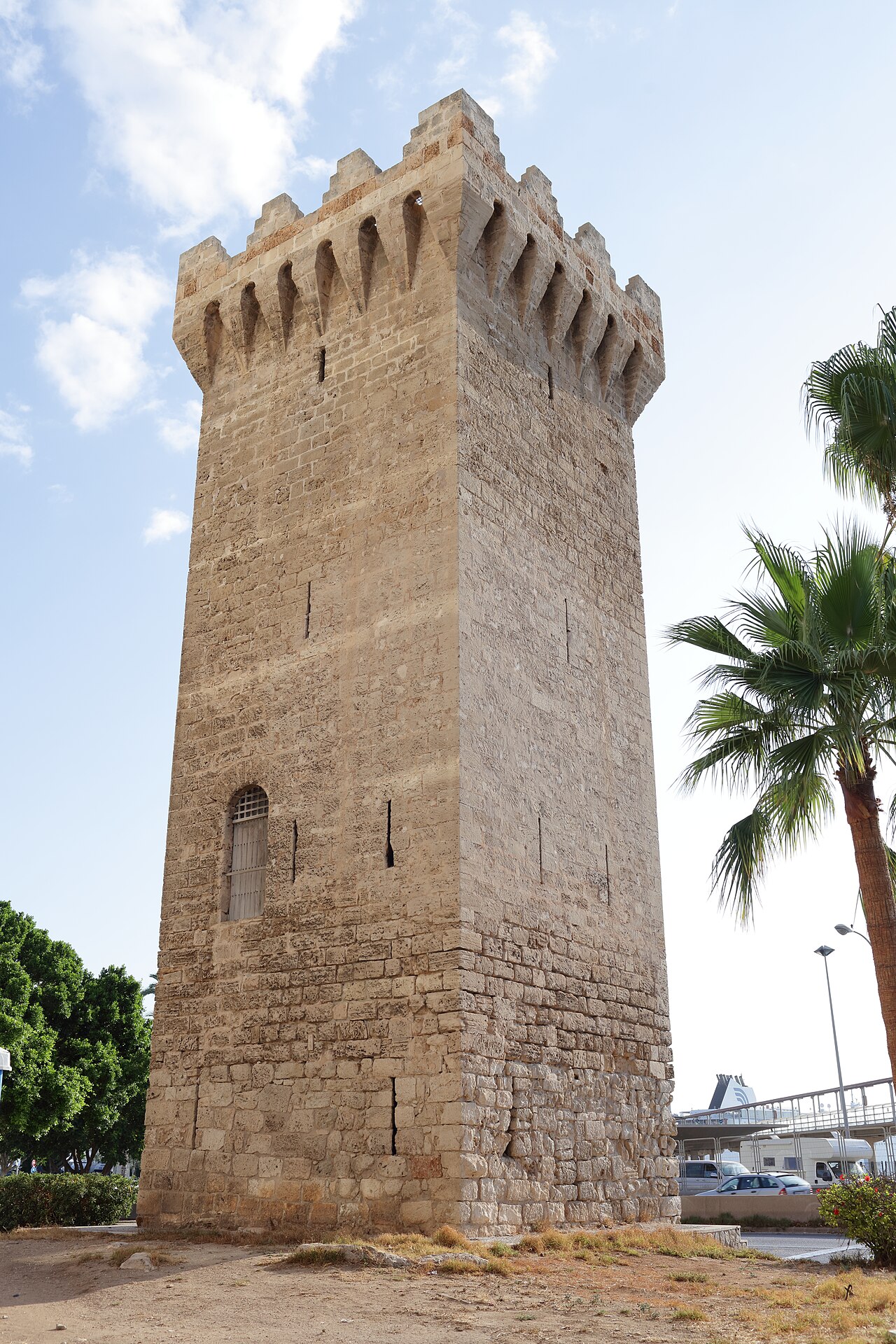
Initially constructed as a watchtower, the castle evolved significantly over time, reflecting the shifting military and political landscape of the Mediterranean region. The earliest recorded mention of the castle dates to 1410, confirming its operational status by the early 15th century. By 1425, the site had gained enhanced strategic importance, leading Bernat Zaragoza, the rights holder of Cabrera, to negotiate with the University of the City and Kingdom of Mallorca to establish a permanent military garrison. This transition marked the castle's expansion from a simple lookout to a fortified castle with a garrison tasked with defending the island from increasingly frequent pirate attacks.
Architectural evolution and military significance
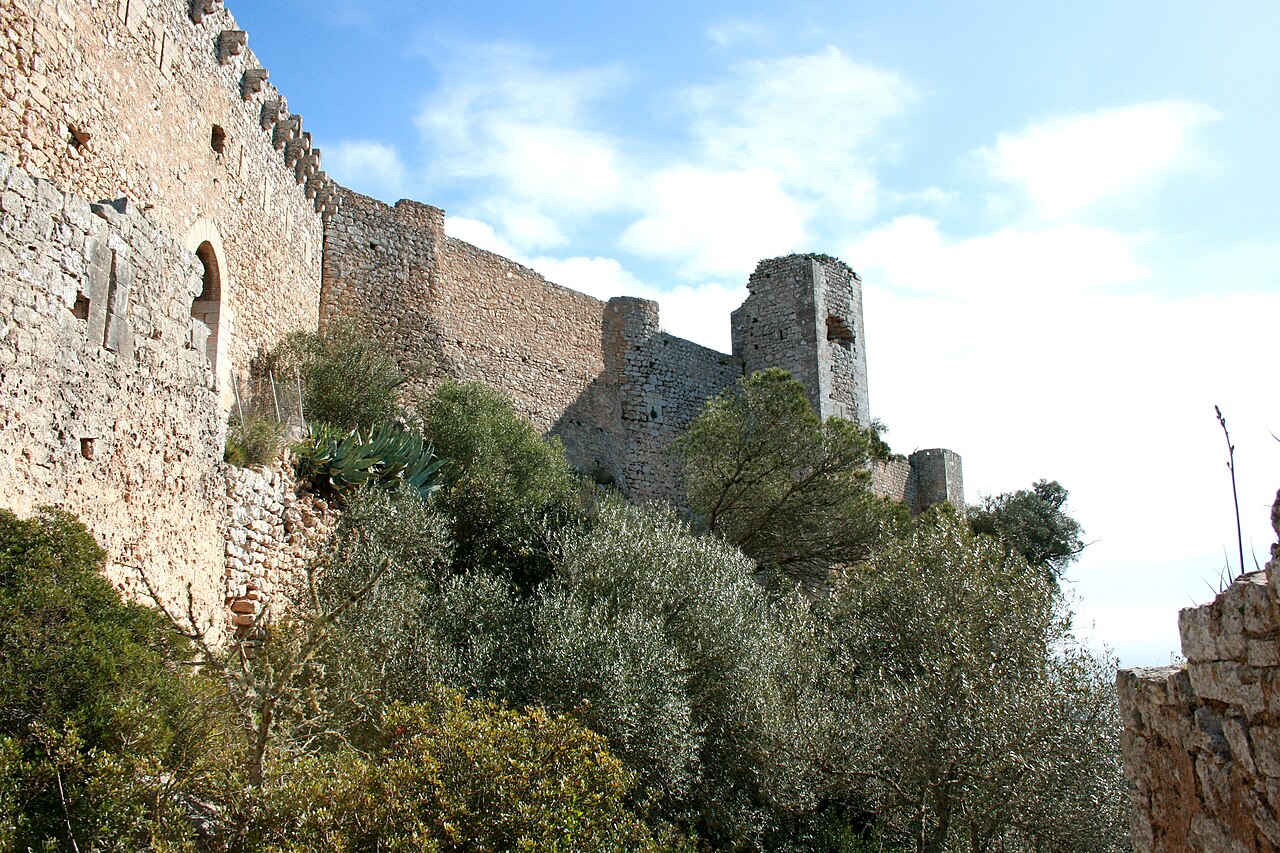
The architectural development of Castell de Cabrera reflects its adaptation to evolving military needs. The original watchtower was expanded into a robust hexagonal fortress constructed primarily of solid masonry, designed to withstand sieges and assaults. This transformation was particularly pronounced during the 16th century, a period marked by repeated attacks from Berber and Ottoman corsairs.
Defensive features and layout
The castle's elongated hexagonal layout maximizes its defensive capabilities, with thick walls and battlements providing protection against artillery and infantry assaults. Its elevated position, 72 meters above sea level, allowed defenders to monitor and control the natural harbor entrance effectively. The fortress included essential military structures such as artillery placements, barracks, and a chapel, which served both defensive and spiritual functions.
Attacks and reconstructions
Throughout the 16th century, Castell de Cabrera endured numerous violent episodes. In 1510, Berber galleys launched a raid that resulted in the capture of guards and fishermen and the destruction of the tower. The most devastating attack occurred in 1550 when the Turkish corsair Dragut led a force of 1,500 men to seize the island. His troops captured the castle's artillery and demolished the structure, highlighting its significance as a military target. These assaults necessitated multiple phases of reconstruction, with at least ten documented rebuilding efforts, particularly during the 16th century, which significantly altered the castle’s original form.
Religious and administrative roles
Beyond its military function, the castle also held religious significance. A chapel constructed within the fortress during the 16th century served the spiritual needs of the garrison. Priests from the nearby town of Santañí conducted masses here, indicating the dual role of the castle as a place of worship and defense. This integration of religious practice within a military installation was common in Mediterranean fortresses of the period.
In 1698, the castle underwent restoration, and its administration was transferred to the University of Mallorca. It continued to serve a defensive role into the early 18th century, notably during the War of the Spanish Succession. In 1715, under the command of Governor Francisco Mariscal and defended by about twenty soldiers, the fortress monitored Bourbon movements across the Balearic Islands. This period marked the last documented use of the castle's artillery before control shifted to direct royal authority in 1716.
Life at the castle and social aspects
Life as a guard at Castell de Cabrera was challenging and isolated. The post was considered hazardous due to the high risk of pirate attacks and the limited opportunities for retreat. Consequently, the guards were among the highest paid in the Balearic Islands, with authorities often recruiting convicts who were offered reduced sentences in exchange for their service. This practice underscores the difficult conditions and strategic importance of the castle's garrison.
Current condition and preservation efforts
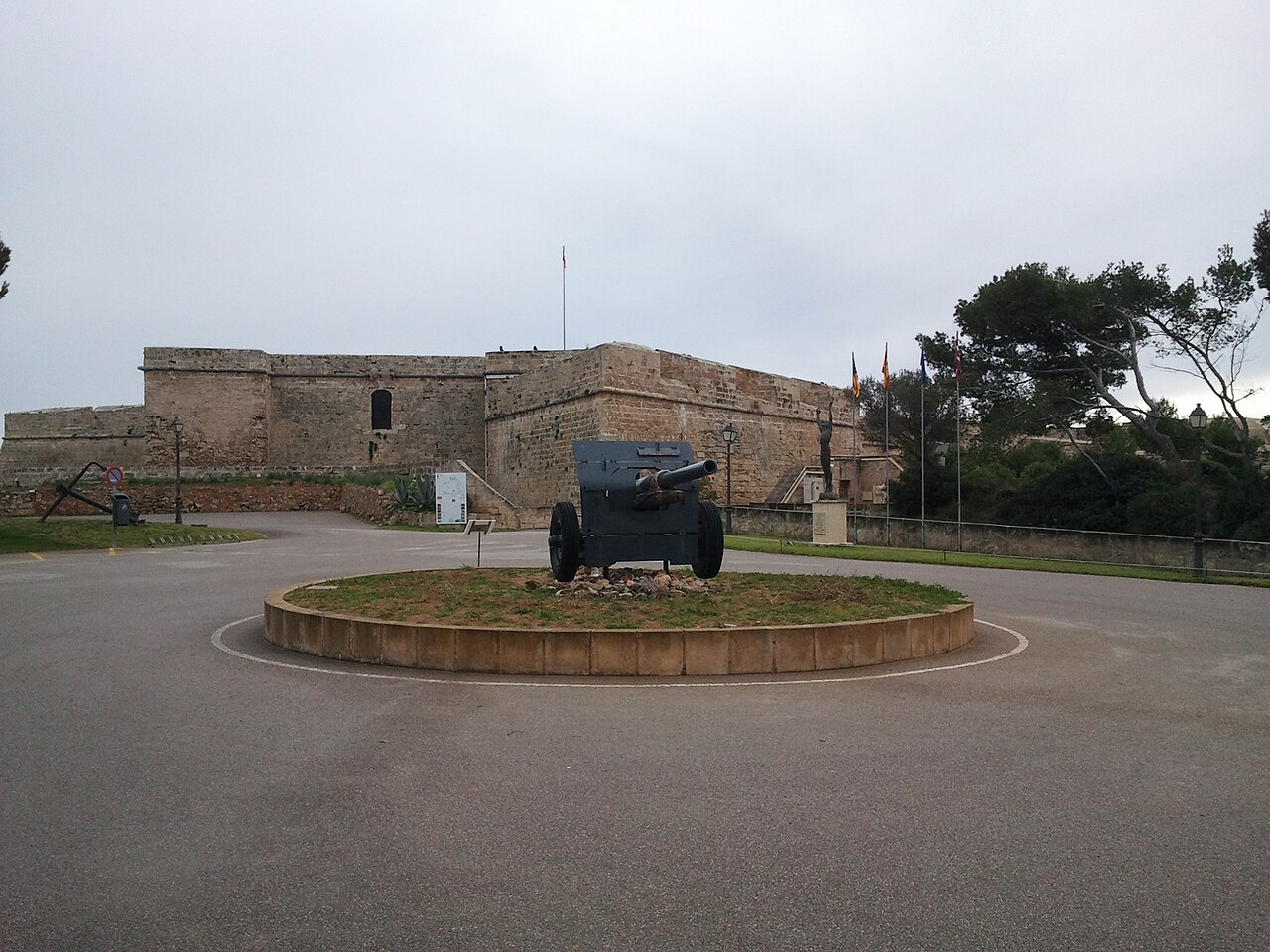
Today, the Castell de Cabrera stands as a partially preserved fortress bearing the marks of its turbulent history. The current structure reflects extensive rebuilding and modifications resulting from repeated attacks and demolitions, especially during the 16th century. The surviving 16th-century chapel remains a significant feature, illustrating the castle's combined military and religious functions.
Restoration efforts have been undertaken to stabilize and preserve the site, although evaluations suggest these interventions have been only moderately successful in maintaining the castle's historical fabric. The fortress remains an important cultural and heritage landmark on Cabrera Island, offering insights into the military architecture and history of the Balearic Islands during the late medieval and early modern periods.
Frequently asked questions (FAQ)
- What is the historical significance of Castell de Cabrera?
- Castell de Cabrera is a 13th-century castle that played a crucial role in the defense of the region during the medieval period. Serving as a strategic military outpost, it reflects the architectural styles of the time and provides insight into the historical conflicts that shaped the area.
- When was Castell de Cabrera built?
- Construction of Castell de Cabrera began in the 13th century, specifically around the year 1230. The castle was established shortly after the Christian conquest of the Balearic Islands, marking its importance in the region's history.
- What are the opening hours for Castell de Cabrera?
- Castell de Cabrera is typically open to visitors from 10 AM to 6 PM during the summer months and from 10 AM to 4 PM in the winter. It is advisable to check the official website or local tourism information for any seasonal changes or special closures.
- Can I access Castell de Cabrera with a disability?
- While efforts have been made to improve accessibility at Castell de Cabrera, the castle's historical structure may present some challenges for visitors with mobility impairments. It is recommended to contact the site in advance to inquire about specific accessibility options and assistance available.
- What is the best time to visit Castell de Cabrera?
- The best time to visit Castell de Cabrera is during the spring and fall when the weather is mild, making for a pleasant experience while exploring the grounds. Additionally, these seasons often feature fewer crowds, allowing for a more intimate visit.
- Is there an entrance fee to visit Castell de Cabrera?
- Yes, there is a small entrance fee to visit Castell de Cabrera, which helps with the maintenance and preservation of the site. Discounts may be available for children, seniors, and groups, so be sure to inquire upon arrival.
- Are there any nearby attractions to Castell de Cabrera?
- Yes, several attractions are located near Castell de Cabrera, including the picturesque village of Algaida and the stunning scenic landscapes of Mallorca. Visitors can also explore local vineyards and hiking trails in the surrounding area.
Photo gallery

Information
Loading map...
Visitor reviews
No reviews yet. Been here? Write the first review and help other travelers!
Write the first reviewVisited this castle? Share your experience
Your review helps other travelers and adds first-hand knowledge to our encyclopedia.