Fort San Carlos
Fort San Carlos is a significant example of a bastioned fortress located in Spain, designed primarily for military defense during the period when artillery warfare demanded new fortification techniques. This type of fortress is characterized by angular bastions projecting outward from the main walls, allowing defenders to cover adjacent walls with cannon and musket fire, eliminating blind spots and improving defensive capabilities against siege tactics.
Historical context and strategic importance
The construction of Fort San Carlos reflects the military architectural evolution that occurred in Europe from the 16th century onward, particularly in response to the increasing use of gunpowder artillery. Spain, with its extensive coastline and numerous strategic ports, invested heavily in bastioned fortifications to protect key naval and commercial points from enemy fleets and pirates.
Although the exact date of construction of Fort San Carlos is not precisely documented, its design places it within the Early Modern period, likely between the 16th and 18th centuries, when bastioned fortresses were prevalent. These fortresses were critical in defending Spanish territories against maritime threats, especially during periods of conflict such as the Anglo-Spanish Wars and the Napoleonic Wars.
Architectural features of Fort San Carlos
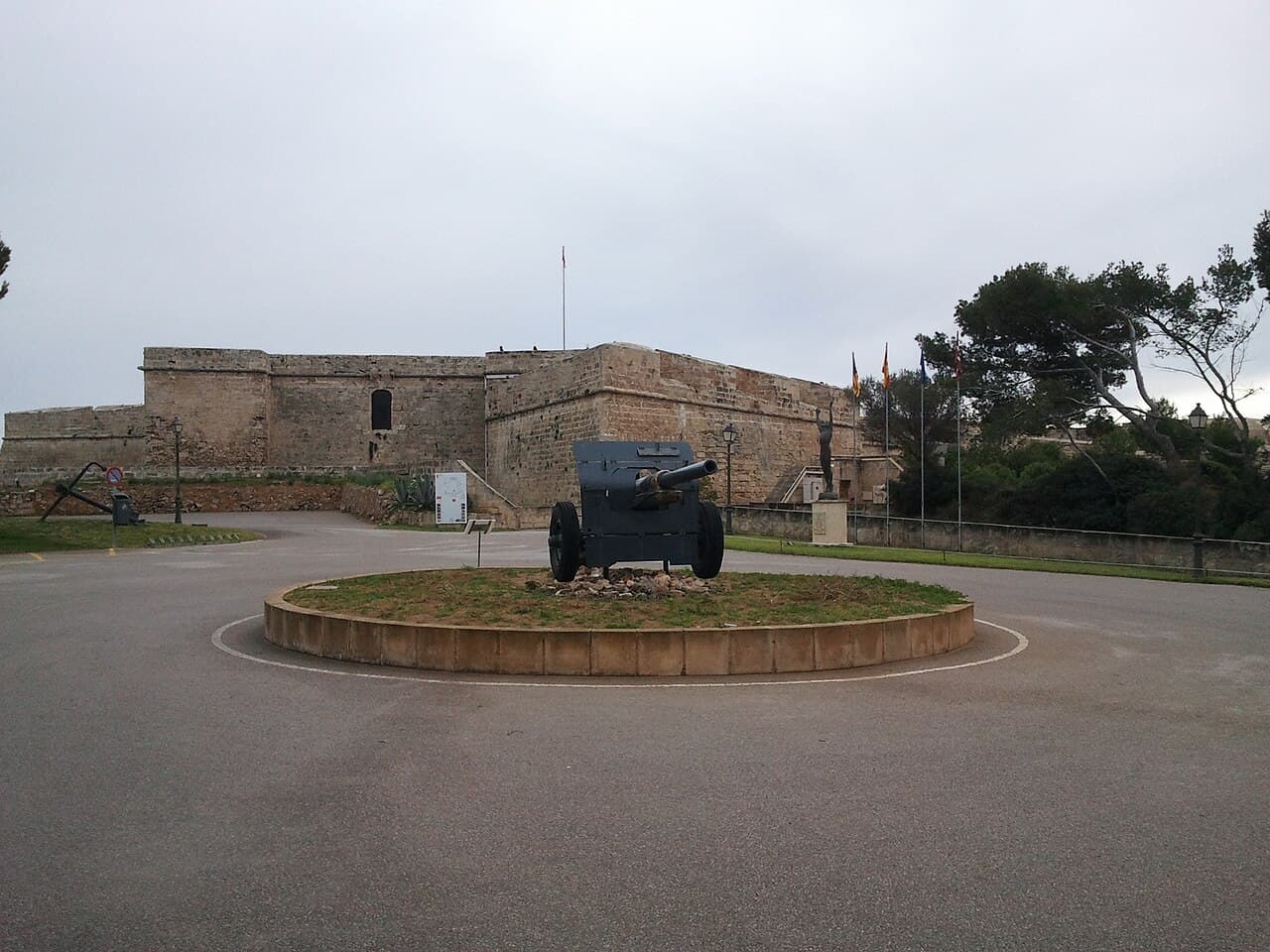
The fortress exhibits typical features of bastioned fortresses, including star-shaped bastions that extend from the curtain walls, allowing overlapping fields of fire. The walls are constructed of thick masonry designed to withstand cannon bombardment. The layout usually includes a dry moat or water-filled ditch surrounding the fortress, adding an additional obstacle for attackers.
Within the walls, the fortress likely contains casemates—vaulted chambers used for storing ammunition and housing troops safely during bombardments. The design also incorporates ramparts for artillery placement and parapets with embrasures for firing positions.
Fort San Carlos's location, while not specified in detail, would be strategically chosen to command important maritime routes or to protect a harbor, consistent with Spanish coastal defense strategies.
Military role and historical significance
Throughout its operational history, Fort San Carlos would have served as a key defensive installation, controlling access to vital ports or coastal areas. Its bastioned design made it resilient to the siege warfare of its time, enabling it to withstand prolonged attacks and provide a stronghold for Spanish forces.
The fortress's presence underscores Spain's emphasis on fortification as a means of maintaining its maritime empire and securing its territories against rival European powers and pirates. Such fortresses were integral during conflicts like the Spanish Armada's engagements and later European wars where control of the seas was contested.
Preservation and current status
The current condition of Fort San Carlos is not extensively documented, but bastioned fortresses in Spain often range from well-preserved to partially ruined depending on historical events and conservation efforts. Many similar forts have been restored or maintained as cultural heritage sites, serving as tourist attractions and educational resources about military architecture.
Visitors to such sites typically can explore the ramparts, bastions, and internal chambers, gaining insight into the defensive strategies and daily life of soldiers stationed there.
Architectural legacy and influence
Fort San Carlos exemplifies the transition from medieval castle designs to modern fortifications adapted to gunpowder weaponry. Its bastioned layout influenced military architecture globally, spreading from Europe to colonial territories.
Studying Fort San Carlos provides valuable understanding of the Early Modern military engineering techniques and the geopolitical significance of coastal fortresses in Spanish history.
Visiting Fort San Carlos
While specific visitor information for Fort San Carlos is not provided here, bastioned fortresses in Spain typically offer guided tours, educational exhibits, and sometimes reenactments of historical battles. Visitors interested in military history and architecture can appreciate the strategic design and historical context of such fortifications.
Frequently asked questions (FAQ)
- What is the historical significance of Fort San Carlos?
- Fort San Carlos served as a key bastioned fortress protecting Spanish coastal areas from naval threats during the Early Modern period. It reflects Spain's military architectural response to artillery warfare.
- What architectural features define Fort San Carlos?
- The fortress features star-shaped bastions, thick masonry walls, casemates, ramparts for artillery, and defensive moats, typical of bastioned fortresses designed for gunpowder defense.
- Can visitors tour Fort San Carlos?
- Specific visitor information is limited, but similar bastioned fortresses in Spain often offer guided tours and educational exhibits showcasing military history and architecture.
Photo gallery

Information
Loading map...
Visitor reviews
No reviews yet. Been here? Write the first review and help other travelers!
Write the first reviewVisited this castle? Share your experience
Your review helps other travelers and adds first-hand knowledge to our encyclopedia.