Torre de Paraires
Torre de Paraires is a notable example of a 13th-century bastioned fortress located in Spain. As a type of bastioned fortress, it represents a significant phase in medieval military architecture, designed to withstand the evolving siege technologies of the High Medieval period.
Historical context and strategic importance
Constructed in the 13th century, Torre de Paraires was built during a time when fortifications in Spain were critical for defense against both external invasions and internal conflicts. This period saw the consolidation of Christian kingdoms during the Reconquista, and castles such as Torre de Paraires played a vital role in securing territories and controlling strategic routes.
The fortress likely served as a military stronghold and observation point, given its bastioned design which allowed defenders to cover multiple angles of attack. Its location, while not precisely documented, would have been chosen for tactical advantage, possibly overseeing important roads or borders.
Architectural features and design
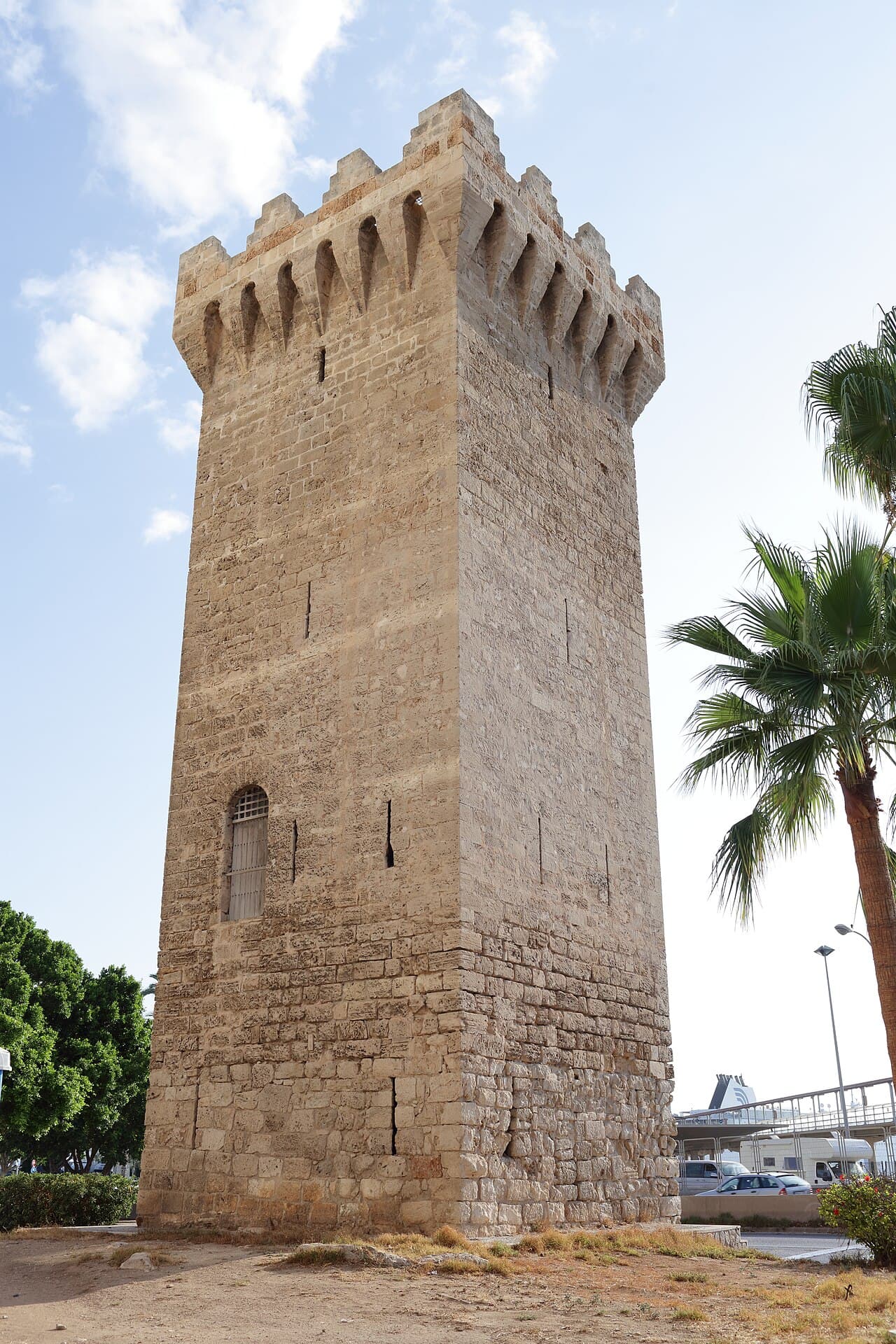
Torre de Paraires is characterized by its bastioned fortress design, which includes projecting bastions or angular structures that extend from the main walls. These bastions were engineered to provide defensive fire in overlapping fields, reducing blind spots and improving the fortress's ability to repel attackers.
The fortress construction primarily utilizes local stone, with thick walls designed to absorb and deflect artillery impacts, a response to the increasing use of siege engines during the medieval period. The walls would have been complemented by battlements and possibly a moat or ditch for additional defense.
The internal layout likely included a central keep or tower, living quarters, storage areas, and defensive walkways along the walls. The design reflects the transition from earlier medieval fortifications to more complex bastioned structures that anticipate the use of gunpowder weaponry.
Defensive elements
The bastions at Torre de Paraires allowed defenders to place artillery or archers strategically, covering the curtain walls and the approaches to the fortress. The angular bastions minimized dead zones where attackers could gather unseen. The fortress probably featured narrow arrow slits and possibly machicolations—openings in the parapets for dropping projectiles on attackers.
Preservation and current condition
While detailed records of the current state of Torre de Paraires are limited, bastioned fortresses from this era often survive as ruins or partially preserved structures. The fortress's stone construction contributes to its longevity, though exposure to weather and historical conflicts may have caused deterioration.
Efforts to preserve such fortresses focus on stabilizing remaining walls and protecting the site from further decay. Torre de Paraires remains an important cultural heritage site, reflecting the military architecture and historical landscape of medieval Spain.
Cultural significance and heritage
Torre de Paraires stands as a testament to the military and political history of medieval Spain. Its bastioned design marks a period of transition in fortification techniques, bridging the gap between traditional medieval castles and the early modern fortresses adapted to gunpowder warfare.
The fortress contributes to understanding the regional dynamics of the 13th century, including territorial disputes and the evolution of defensive strategies. It is part of Spain's rich collection of medieval fortifications that attract historians, archaeologists, and visitors interested in military history and architecture.
Visiting torre de paraires
Visitors interested in medieval military architecture may find Torre de Paraires a compelling site, though specific visitor information such as opening hours or accessibility is not widely documented. Exploring such fortresses offers insight into the challenges of medieval defense and the ingenuity of their builders.
Frequently asked questions (FAQ)
- How do I get to Torre de Paraires?
- Torre de Paraires is located in the scenic region of Spain, easily accessible by car or public transportation. If you are traveling by train, the nearest station is just a short bus ride away. For those driving, ample parking is available nearby.
- What is the historical significance of Torre de Paraires?
- Torre de Paraires dates back to the medieval period and served as a vital defensive structure during times of conflict. Its strategic location allowed it to oversee and protect the surrounding areas. Today, it stands as a testament to the architectural and military history of the region.
- When was Torre de Paraires built?
- The construction of Torre de Paraires is believed to have begun in the late 13th century. Over the years, it has undergone several renovations and restorations, preserving its historical essence. Its enduring presence makes it a key landmark in the area.
- Can I visit Torre de Paraires year-round?
- Yes, Torre de Paraires is open to visitors throughout the year. However, it's best to check the specific opening hours before planning your visit, as they may vary by season. Guided tours are available to enhance your experience.
- Why is Torre de Paraires considered an architectural gem?
- Torre de Paraires showcases a unique blend of Gothic and Moorish architectural styles, making it a fascinating study for architecture enthusiasts. Its sturdy stone walls and intricate details reflect the craftsmanship of the time. The castle's silhouette against the backdrop of the landscape adds to its charm.
- Is it possible to explore the interior of Torre de Paraires?
- Yes, visitors can explore certain areas of the interior of Torre de Paraires during guided tours. These tours provide insight into the history and purpose of various rooms and features within the castle. Note that some areas may have restricted access for preservation reasons.
- What are the ticket prices for Torre de Paraires?
- Ticket prices for Torre de Paraires are usually affordable, with discounts available for children, students, and seniors. It's advisable to check the official website for the most current pricing and any special offers. Group rates may also be available for larger parties.
- What is the best time to visit Torre de Paraires?
- The best time to visit Torre de Paraires is during the spring and fall when the weather is mild and comfortable. These seasons also tend to have fewer crowds, allowing for a more enjoyable experience. Summer months can be hot, so early morning or late afternoon visits are recommended.
- Are there any nearby attractions to visit while at Torre de Paraires?
- Yes, there are several nearby attractions worth exploring, including local museums and beautiful parks. The surrounding area is rich in history and natural beauty, making it perfect for a day of sightseeing. Don't forget to check out local dining options to enhance your visit.
Photo gallery

Information
Loading map...
Visitor reviews
No reviews yet. Been here? Write the first review and help other travelers!
Write the first reviewVisited this castle? Share your experience
Your review helps other travelers and adds first-hand knowledge to our encyclopedia.