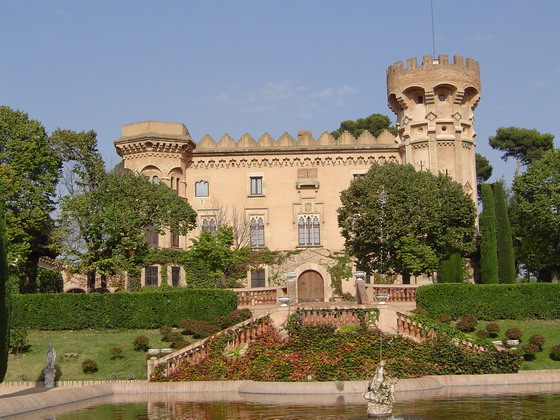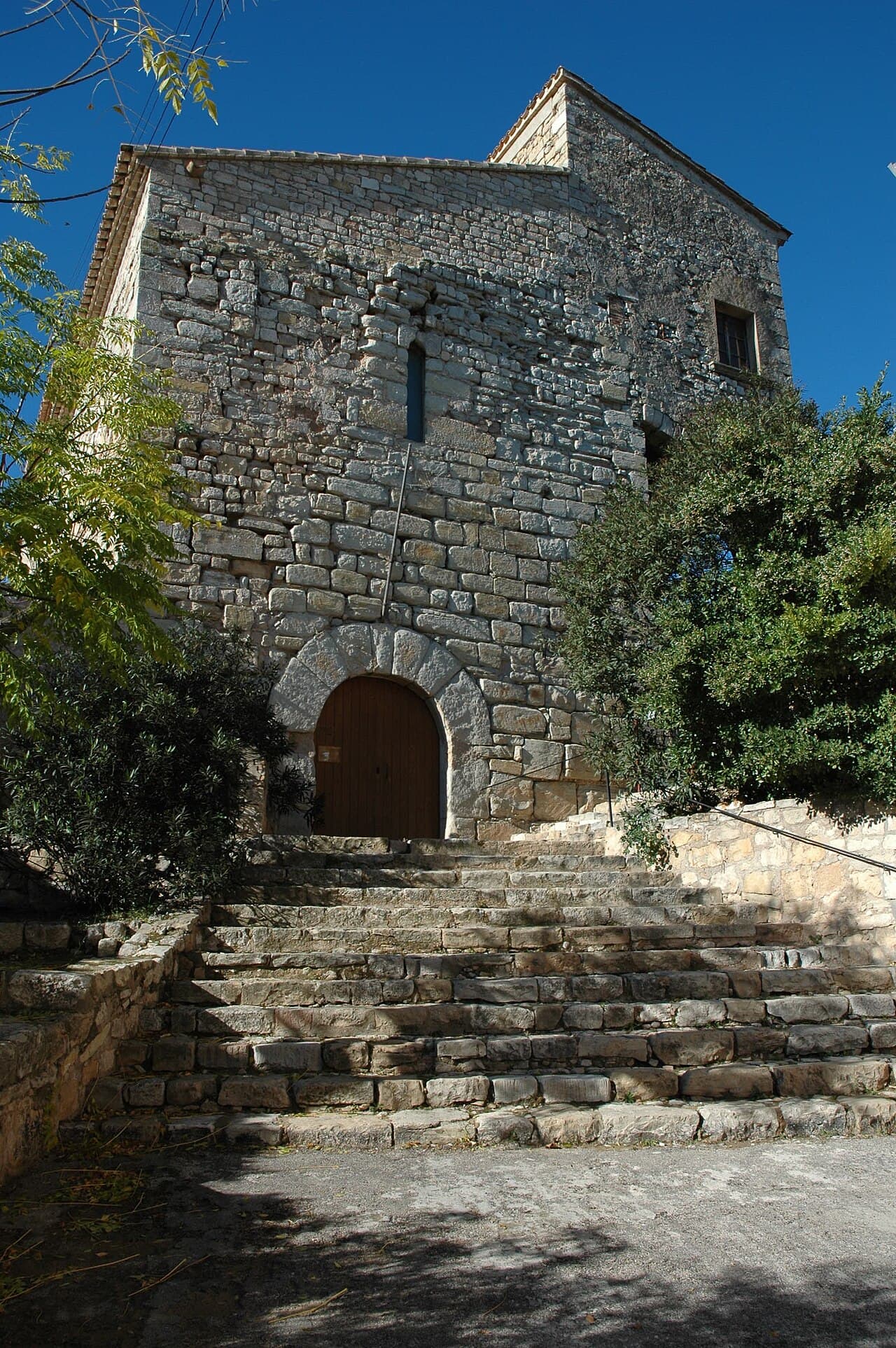
Castell de Barberà is a notable hill castle located in Barberà del Vallès, within the Catalonia region of Spain. Its origins date back to the early medieval period, with construction influenced by Roman military architecture. The castle occupies a strategic position atop a hill, a typical choice for fortifications aiming to control surrounding territory and provide defense against invaders. The site itself was likely chosen for its vantage point and proximity to ancient Catalan watch posts, which underscores its long-standing military significance.
The earliest historical mention of the castle appears in the year 1005, indicating its existence during the early Middle Ages. Initially, the fortress began as a simple tower surrounded by a wooden palisade, reflecting common defensive practices of the time that drew upon Roman fortification techniques. This early phase laid the groundwork for the castle's evolution into a more complex stone stronghold.
Historical development and ownership
During the 11th century, the castle came under the ownership of Borrell II, Count of Barcelona, an influential figure in Catalan history. Over the centuries, the fortress changed hands among several noble families, including the Ribes and Montcada lineages, each contributing to its maintenance and modifications. A significant royal intervention occurred when Philip III of Spain granted the castle to the Garcerán de Pinós family, marking a new chapter in its aristocratic stewardship.
The 17th century brought important renovations, particularly in 1604, when the castle began transitioning from a strictly military fortress to a structure with more residential features. This shift reflects broader changes in castle use during the period, as many fortifications were adapted for noble residences rather than purely defensive purposes.
In 1702, José Garcerán de Pinós-Santcliment i Rocabertí was granted the title of first Marquis of Barberà by Philip V. The castle's political alignment during the War of Spanish Succession had significant consequences; siding with the Austrian party led to punitive actions by Philip V after his victory, including a partial demolition of the fortress. This event altered the castle's military role and physical structure.
Architectural features and structural elements
The castle's layout features a rectangular central building surrounded by a robust enclosure wall that emphasizes its fortified character. The main construction material is natural stone, chosen for its strength and durability, which has helped preserve the structure through centuries of use and conflict.
At the northwest corner of the main building, a sloped bastion projects outward, serving as a defensive platform designed to repel attackers and provide vantage points for archers or artillery. This bastion is a characteristic feature of military architecture aimed at improving the castle's defensive capabilities.
On the southeast side, in front of the principal façade, lie the ruins of a chapel dedicated to Saints Silvestre and Coloma. Originally built in a simple Gothic style, the chapel was reconstructed in the 18th century, incorporating architectural elements typical of that era. This blend of styles reflects the castle's continuous adaptation to changing religious and cultural needs.
The entire complex is encircled by a moat, historically filled with water to deter attackers. Internally, the moat is bordered by the castle’s enclosure wall, while externally a sloped counter-moat wall adds an extra defensive barrier. The main entrance faces south and features a large semicircular arch gateway constructed with precisely cut voussoirs. Access is granted via a bridge crossing the moat, a typical defensive feature to control entry.
Two additional doors provide alternative access: one on the east side and a smaller one near the southwest corner opening directly into the moat area. These secondary entrances likely served different functional or defensive purposes during the castle's active use.
The keep and defensive structures
Within the fortress, remnants of the cylindrical keep, or tower of homage, remain visible. This tower is notable for its thick stone walls, approximately eight meters in external diameter, underscoring its primary role as the castle's strongest defensive point. The keep's interior includes a medieval wall with a semicircular arch doorway, preserving architectural details from earlier construction phases.
Several arrow slits pierce the exterior walls, evidencing the castle's defensive function during medieval conflicts. These narrow openings allowed defenders to shoot arrows or crossbow bolts while minimizing exposure to attackers.
Close to the keep, two cisterns remain, illustrating the castle's water storage solutions essential for survival during sieges or droughts. These features highlight the practical considerations integral to medieval fortifications.
Later adaptations and current status
Following the partial demolition in the early 18th century, the castle was rebuilt and adapted into a rural farmhouse, known locally as a masia. This transformation reflects a shift from military to agricultural and residential use, common for many castles in Catalonia during this period.
From the 16th through the 19th centuries, the castle underwent multiple reconstruction phases and internal rearrangements, adapting to the needs of its inhabitants. Until the 20th century, it primarily housed tenant farmers, indicating its integration into the rural economy.
Attempts to convert the building for commercial purposes in the 1970s were not completed. Eventually, the local municipality acquired the property in 1988 with the aim of establishing a vocational training center. Restoration and consolidation efforts took place between 1989 and 1992, ensuring the preservation of the castle's structural integrity.
A 2001 historical and archaeological study confirmed the site's complex development through the medieval and early modern periods, revealing layers of architectural and cultural history. Today, the castle stands as a partially preserved monument, reflecting centuries of Catalan history and architectural evolution.
Frequently asked questions (FAQ)
- How do I get to Castell de Barberà?
- Castell de Barberà is located in Spain and is easily accessible by car or public transport. The nearest major city is Barcelona, from where you can take a train or bus to reach the castle. Make sure to check local transport schedules for the most convenient options.
- What is the historical significance of Castell de Barberà?
- Castell de Barberà dates back to the 10th century and has played a crucial role in the region's history. It was originally built for defensive purposes and later became a symbol of local power and influence. The castle's rich history is reflected in its architecture and the stories of the families who lived there.
- When was Castell de Barberà constructed?
- Construction of Castell de Barberà began in the early 10th century during the period of the Spanish Reconquista. Over the centuries, it has undergone various renovations and modifications, reflecting the architectural styles of different eras. Today, it stands as a testament to medieval engineering and design.
- Can I visit Castell de Barberà year-round?
- Yes, Castell de Barberà is open to visitors throughout the year, although opening hours may vary by season. It is advisable to check the castle's official website for the latest visitor information and any seasonal events. This will help you plan your visit accordingly.
- Why is Castell de Barberà popular among tourists?
- Castell de Barberà attracts tourists for its stunning architecture and rich historical background. Visitors can explore the castle's well-preserved structures and enjoy panoramic views of the surrounding landscape. Additionally, the castle often hosts cultural events and activities that enhance the visitor experience.
- Is it possible to tour Castell de Barberà with a guide?
- Yes, guided tours are available at Castell de Barberà, providing visitors with deeper insights into the castle's history and architecture. These tours are led by knowledgeable guides who share fascinating stories and facts about the site. Be sure to check in advance for tour schedules and availability.
- What are the ticket prices for Castell de Barberà?
- Ticket prices for Castell de Barberà vary depending on the type of tour and any special events happening during your visit. Generally, admission is reasonably priced, making it accessible for a wide range of visitors. Discounts may be available for students, seniors, and children, so be sure to inquire about any available offers.
- What are the opening hours for Castell de Barberà?
- Castell de Barberà typically opens its doors to visitors from 10 AM to 6 PM, with extended hours during the summer season. However, these hours can change on public holidays or for special events. It is advisable to check the official website for the most accurate and up-to-date information before planning your visit.
- What nearby attractions can I explore while visiting Castell de Barberà?
- While visiting Castell de Barberà, there are several nearby attractions worth exploring, including local museums and parks. The surrounding area is rich in natural beauty, with walking trails and scenic views. Additionally, the nearby town offers charming shops and restaurants to enhance your experience.
Photo gallery

Information
Loading map...
Visitor reviews
No reviews yet. Been here? Write the first review and help other travelers!
Write the first reviewVisited this castle? Share your experience
Your review helps other travelers and adds first-hand knowledge to our encyclopedia.