Carriganass Castle
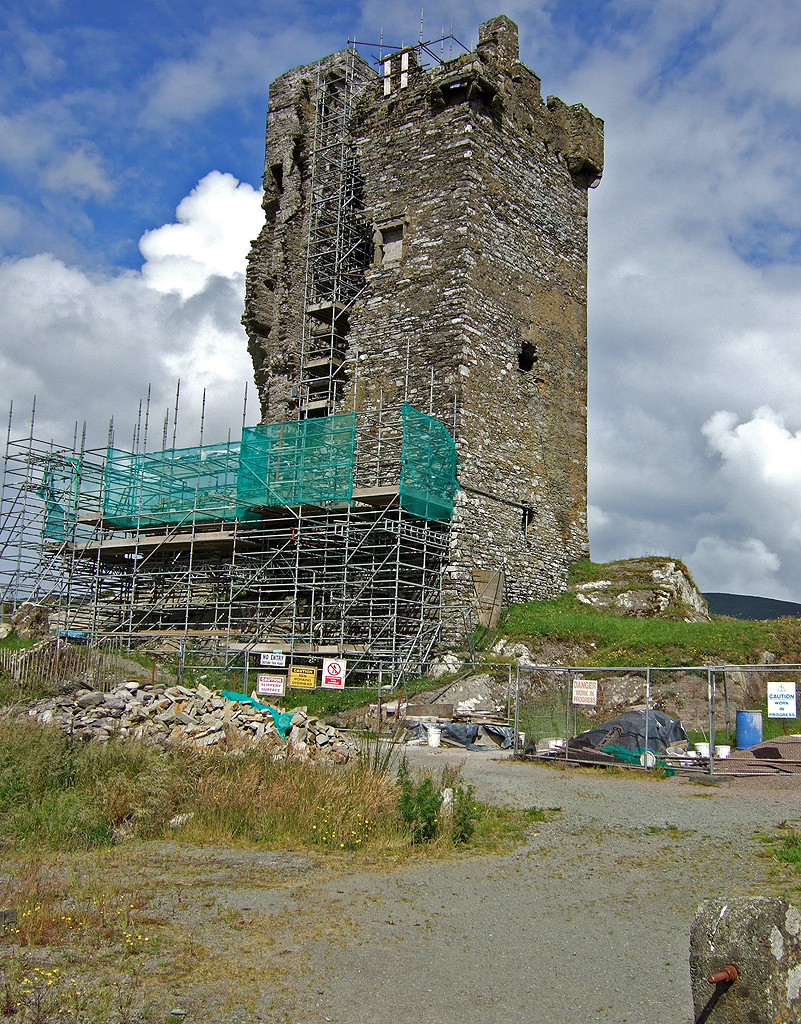
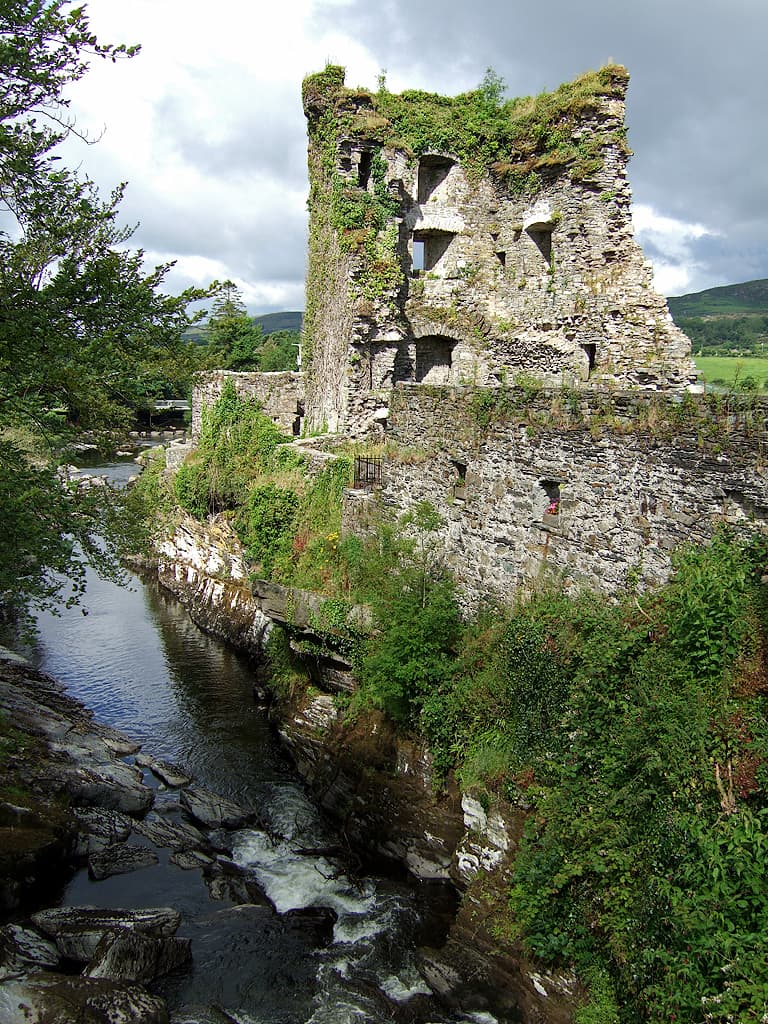
Carriganass Castle (Irish: Caisleán Charraig an Easa, meaning "The Castle on the Rock of the Waterfall") is a notable 16th-century tower house located in County Cork, Ireland. Positioned approximately 8 kilometres north-east of Bantry and near the village of Kealkill in West Cork, this castle is an exemplary representation of the fortified residences built during the Renaissance period in Ireland.
Historical context and significance
Constructed in the mid-16th century, Carriganass Castle was built during a time of significant political and social change in Ireland. Tower houses like Carriganass were common among the Gaelic and Anglo-Irish nobility, serving both as fortified homes and symbols of power. The castle was strategically placed on a rocky outcrop near a waterfall, which not only provided a natural defense but also gave the castle its name.
The castle was associated with the MacCarthy Reagh clan, a powerful Gaelic family in West Cork. Its location allowed control over important local routes and the surrounding lands, making it a key stronghold during the turbulent times of the 16th and early 17th centuries.
Architectural features and design
Carriganass Castle is a classic example of a Renaissance tower house, characterized by its vertical emphasis and fortified design. The castle's structure is primarily a tall, rectangular tower with thick stone walls designed to withstand attacks. It features several defensive elements common to tower houses of the period.
Defensive elements
- Thick stone walls that provide protection against artillery and small arms fire.
- Small, narrow windows or arrow slits that allowed defenders to shoot while minimizing exposure.
- Machicolations or openings in the parapets for dropping stones or boiling liquids on attackers.
- High entrance door accessible originally by removable ladders or wooden stairs to enhance security.
- Surrounding bawn (courtyard) enclosed by defensive walls, providing additional security and space for livestock and daily activities.
Interior layout
The interior of Carriganass Castle includes several floors connected by narrow spiral staircases, typical of tower houses. The ground floor was often used for storage and sometimes as a kitchen, while the upper floors contained the main living quarters, including a great hall for gatherings and receptions. Fireplaces, latrines, and small chambers were integrated into the thick walls.
Preservation and current condition
Today, Carriganass Castle stands as a well-preserved example of a Renaissance tower house. Although it is roofless and partially ruined, much of the stonework remains intact, allowing visitors to appreciate its original defensive and residential features. The castle is accessible to the public and is a popular site for those interested in Irish history and medieval architecture.
Visiting Carriganass Castle
The castle's remote yet accessible location near Bantry makes it a favored destination for tourists exploring West Cork. Visitors can explore the castle grounds and climb some of the surviving staircases to get a sense of the medieval living conditions. The surrounding landscape, including the nearby waterfall and rocky terrain, adds to the atmospheric experience.
Nearby attractions
Close to Carriganass Castle, visitors can explore other historical sites such as the nearby Kealkill stone circle and the ruins of other tower houses in West Cork. The area is also known for its scenic beauty, with opportunities for hiking, birdwatching, and photography.
Architectural and cultural importance
Carriganass Castle is an important cultural monument that illustrates the architectural transition during the Renaissance in Ireland. Its design reflects the blend of defensive needs and domestic comfort that characterized tower houses of this era. The castle provides valuable insights into the social structure and lifestyle of the Gaelic nobility in 16th-century Ireland.
Frequently asked questions (FAQ)
- What is the historical significance of Carriganass Castle?
- Carriganass Castle, dating back to the 15th century, is a remarkable example of medieval military architecture in Ireland. It served as a strategic stronghold for local chieftains and is rich in stories of battles and alliances that shaped the region's history.
- When was Carriganass Castle built?
- Carriganass Castle was constructed in the 1400s, during a time when Ireland was experiencing significant political and social changes. The castle has stood for centuries, witnessing the evolution of Irish history and culture.
- Can I visit Carriganass Castle?
- Yes, Carriganass Castle is open to visitors, allowing them to explore its fascinating ruins and enjoy the surrounding landscape. Guided tours are available, providing insights into the castle's history and architecture.
- What are the opening hours for Carriganass Castle?
- Carriganass Castle is typically open from 10 AM to 5 PM, but hours may vary seasonally. It is advisable to check the official website or contact local tourism offices for the most current opening times.
- Is it possible to access Carriganass Castle with a wheelchair?
- While parts of Carriganass Castle are accessible, the uneven terrain and historical structure can pose challenges for wheelchair users. Visitors are encouraged to check accessibility options in advance to plan their visit accordingly.
- When is the best time to visit Carriganass Castle?
- The best time to visit Carriganass Castle is during the late spring and early autumn months when the weather is mild and the surrounding landscape is in full bloom. This period also tends to have fewer crowds, allowing for a more enjoyable experience.
- What are the ticket prices for Carriganass Castle?
- Admission to Carriganass Castle is generally affordable, with tickets priced around €5 for adults and reduced rates for children and seniors. Special family packages and group rates may also be available for those planning a visit.
- Are there any nearby attractions to Carriganass Castle?
- Yes, nearby attractions include the scenic trails of the surrounding countryside and the charming village of Kilrush. Visitors can also explore local museums and historical sites that reflect the rich heritage of the area.
Photo gallery

Information
Loading map...
Visitor reviews
No reviews yet. Been here? Write the first review and help other travelers!
Write the first reviewVisited this castle? Share your experience
Your review helps other travelers and adds first-hand knowledge to our encyclopedia.