Carnuntum
Carnuntum was a prominent Roman legionary fortress and the headquarters of the Pannonian fleet from around 50 AD. Located on the banks of the Danube River in what is now Lower Austria, it served as the capital of the Pannonia Superior province after the 1st century AD. The site developed into a significant urban center, growing into a large city with an estimated population of approximately 50,000 inhabitants at its peak.
The fortress and city of Carnuntum were strategically positioned halfway between the modern cities of Vienna and Bratislava, near the present-day villages of Petronell-Carnuntum and Bad Deutsch-Altenburg. The extensive archaeological remains cover an area of about 10 square kilometers (3.9 square miles), now preserving a vast archaeological park that offers insight into Roman military and civilian life in the province of Pannonia.
Historical significance and development
Carnuntum began as a military installation, established to secure the Roman Empire's northern frontier along the Limes Danubianus. The fortress housed a full Roman legion and served as the base for the Pannonian fleet, which patrolled the Danube. Its strategic location made it a vital center for military operations and logistics in the region.
Following the military phase, Carnuntum evolved into a provincial capital of Pannonia Superior, reflecting its growing administrative importance. The city expanded with typical Roman urban features, including a forum, baths, amphitheater, and temples. The civilian settlement flourished alongside the military camp, becoming a bustling hub of commerce and culture.
Architectural features and urban layout
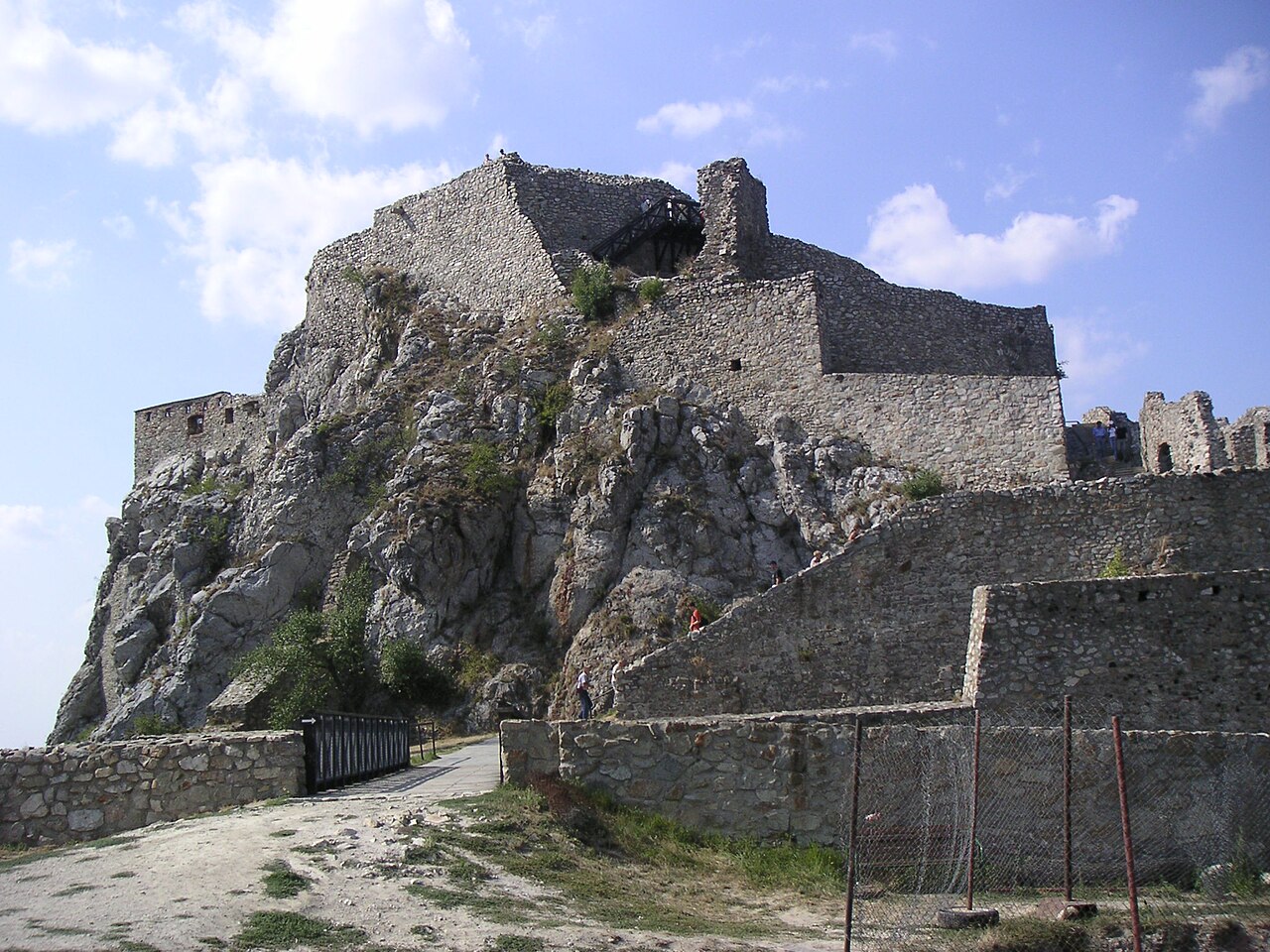
The fortress itself was designed with bastioned fortifications typical of Roman military engineering, including thick defensive walls, towers, and gates to control access. The extensive remains show well-planned streets and public buildings, reflecting the Roman emphasis on order and functionality.
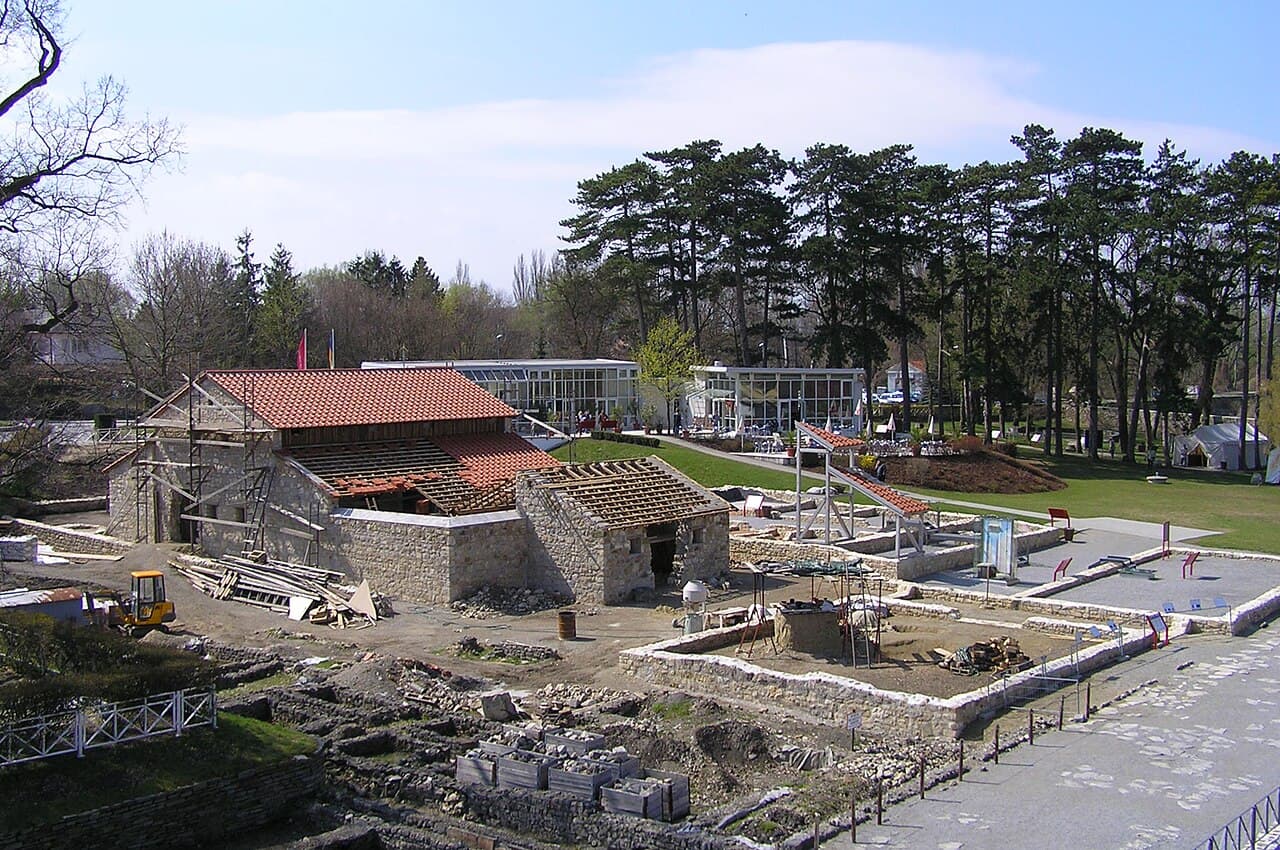
Within the archaeological park, visitors can explore reconstructed buildings and ruins that illustrate the city's complex urban fabric. Notable structures include the amphitheater, which hosted gladiatorial games and public spectacles, and the thermae (public baths), which were central to Roman social life.
The site also reveals evidence of residential quarters, workshops, and markets, highlighting the diversity of activities that took place in Carnuntum. The combination of military and civilian architecture provides a comprehensive picture of life in a Roman provincial capital.
Archaeological discoveries and preservation
Excavations at Carnuntum have uncovered a wealth of artifacts, including mosaics, inscriptions, statues, and everyday objects that shed light on the cultural and economic life of the city. The site is one of the most important Roman archaeological parks in Central Europe, attracting scholars and tourists alike.
The preservation of Carnuntum's remains has been supported by ongoing archaeological research and conservation efforts. The site offers educational programs and guided tours that help visitors understand the historical context and significance of the fortress and city.
Cultural impact and tourism
Today, Carnuntum Archaeological Park serves as a major cultural and historical attraction in Austria. It provides a unique opportunity to experience Roman history firsthand through reconstructed buildings, museum exhibits, and interactive displays.
The park hosts events such as reenactments, workshops, and festivals that celebrate Roman heritage and engage the public in the ancient past. Its location near major urban centers like Vienna makes it accessible for day trips and educational visits.
Frequently asked questions (FAQ)
- What is Carnuntum and where is it located?
- Carnuntum was a Roman legionary fortress and provincial capital located on the Danube in Lower Austria, near the villages of Petronell-Carnuntum and Bad Deutsch-Altenburg.
- When was Carnuntum established?
- Carnuntum was established around 50 AD as a Roman legionary fortress and headquarters of the Pannonian fleet.
- What can visitors see at the Carnuntum archaeological park?
- Visitors can explore extensive ruins including the fortress walls, amphitheater, baths, temples, and reconstructed Roman buildings that illustrate military and civilian life.
- Why was Carnuntum important in Roman times?
- Carnuntum was strategically important as a military base on the Danube frontier and later as the capital of the Pannonia Superior province, serving administrative and commercial roles.
- Is Carnuntum accessible to tourists today?
- Yes, Carnuntum Archaeological Park is open to the public and offers guided tours, educational programs, and cultural events celebrating Roman history.
Photo gallery

Photo by Vladimir Drzik•Public domain
Information
Loading map...
Visitor reviews
No reviews yet. Been here? Write the first review and help other travelers!
Write the first reviewVisited this castle? Share your experience
Your review helps other travelers and adds first-hand knowledge to our encyclopedia.