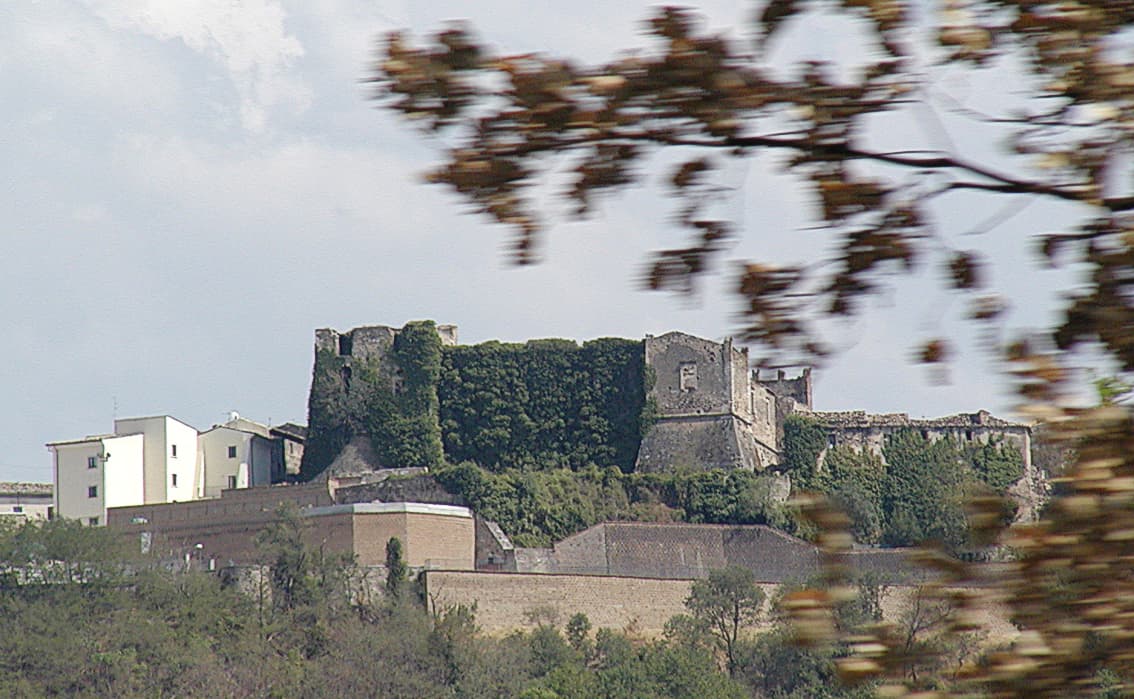
Caracciolo Castle
Caracciolo Castle, located in Brienza, Italy, is a significant medieval hill castle with origins tracing back to the early Middle Ages. The earliest documented mention of the castle dates to 1237, yet archaeological and historical research indicates that the site was fortified much earlier, likely during the Lombard settlement in the 7th century. This initial fortification laid the groundwork for what would evolve into the castle known today.
Early origins and historical context
The strategic position of the castle atop a steep hill, flanked by the Torrente Pergola and Fiumicello rivers, provided natural defenses that were critical during the turbulent medieval period. The castle's location within the Principality of Citra until 1811 situates it within the broader political and feudal landscape of southern Italy. Over the centuries, the castle changed hands among notable noble families, including the Angevins and the De Porcellis, before coming under the control of the Caracciolo family, a prominent lineage originally from Naples.
Architectural evolution and modifications
Constructed primarily in the 12th century, Caracciolo Castle exemplifies a hill castle typical of the high medieval period. Its architecture reflects a combination of military and residential functions. In 1561, under the direction of Marcantonio Caracciolo, the castle's main tower was converted into a prison, marking a functional shift while the remainder of the fortress continued as a noble residence. Subsequent expansions and artistic enhancements were undertaken by Litterio Caracciolo in 1783, who enriched the castle with numerous works of art, further emphasizing its role as a noble domicile rather than solely a defensive structure.
Structural features
The castle's design incorporates robust defensive elements such as thick stone walls, battlements, and towers strategically positioned for surveillance and protection. Its hilltop placement enhances its defensive capabilities, while the surrounding rivers add natural barriers. The castle complex includes residential quarters, a courtyard, and the converted prison tower, illustrating the multifunctional nature of the fortress over time.
Impact of natural disasters and restoration efforts
The castle endured significant damage from the 1857 earthquake, which led to a period of abandonment due to financial constraints faced by its then-owners, the Baron Barracco family. Further deterioration occurred until the late 20th century when a restoration initiative was launched following the 1980 earthquake. These restoration efforts have aimed to preserve the castle's historical integrity while adapting it for contemporary cultural and community use.
Current status and urban regeneration
Today, Caracciolo Castle is owned by the Municipality of Brienza, which is actively engaged in restoration and an urban regeneration project encompassing the medieval village below the fortress. This project seeks to revitalize the historical fabric of the area, promoting cultural heritage tourism and community development. The castle stands as a testament to the layered history of the region, reflecting centuries of architectural evolution, noble residence, and strategic military significance.
Historical significance within the region
The castle's role within the Basilicata region and its historical ties to the Principality of Citra highlight its importance in the political and social history of southern Italy. Its transformation from a medieval fortress to a noble residence and later a prison illustrates the changing functions of such structures in response to shifting political and social needs.
Cultural heritage and tourism potential
Caracciolo Castle is a focal point for cultural heritage in Brienza, attracting visitors interested in medieval architecture, noble family histories, and regional history. Ongoing restoration and urban regeneration efforts aim to enhance its accessibility and interpretive potential, ensuring that the castle remains a vibrant part of the community's cultural landscape.
Frequently asked questions (FAQ)
- What is the historical significance of Caracciolo Castle?
- Caracciolo Castle has a rich history dating back to the 7th century with Lombard origins and played a key role in the Principality of Citra. It evolved from a military fortress to a noble residence and prison, reflecting the region's political changes.
- Can visitors tour Caracciolo Castle today?
- Yes, the castle is owned by the Municipality of Brienza, which is restoring it and promoting cultural tourism. Visitors can explore parts of the castle and the medieval village as restoration progresses.
- When was Caracciolo Castle originally built?
- The castle's main construction dates to the 12th century, although earlier fortifications likely existed during the Lombard period in the 7th century.
- How has Caracciolo Castle changed architecturally over time?
- Originally a medieval fortress, the castle was expanded and modified by the Caracciolo family, including converting the main tower into a prison in 1561 and adding artistic works in the 18th century.
- What impact did earthquakes have on Caracciolo Castle?
- The 1857 earthquake caused significant damage leading to abandonment, and further restoration was needed after the 1980 earthquake. Restoration efforts have aimed to preserve its historical features.
Photo gallery

Information
Current owner
Municipality of Brienza
Loading map...
Visitor reviews
No reviews yet. Been here? Write the first review and help other travelers!
Write the first reviewVisited this castle? Share your experience
Your review helps other travelers and adds first-hand knowledge to our encyclopedia.



