Macchiaroli Castle

Macchiaroli Castle in Teggiano: Norman fortress and cultural venue
Teggiano, Campania, Italy
High Medieval (11th–13th c.)
Restored

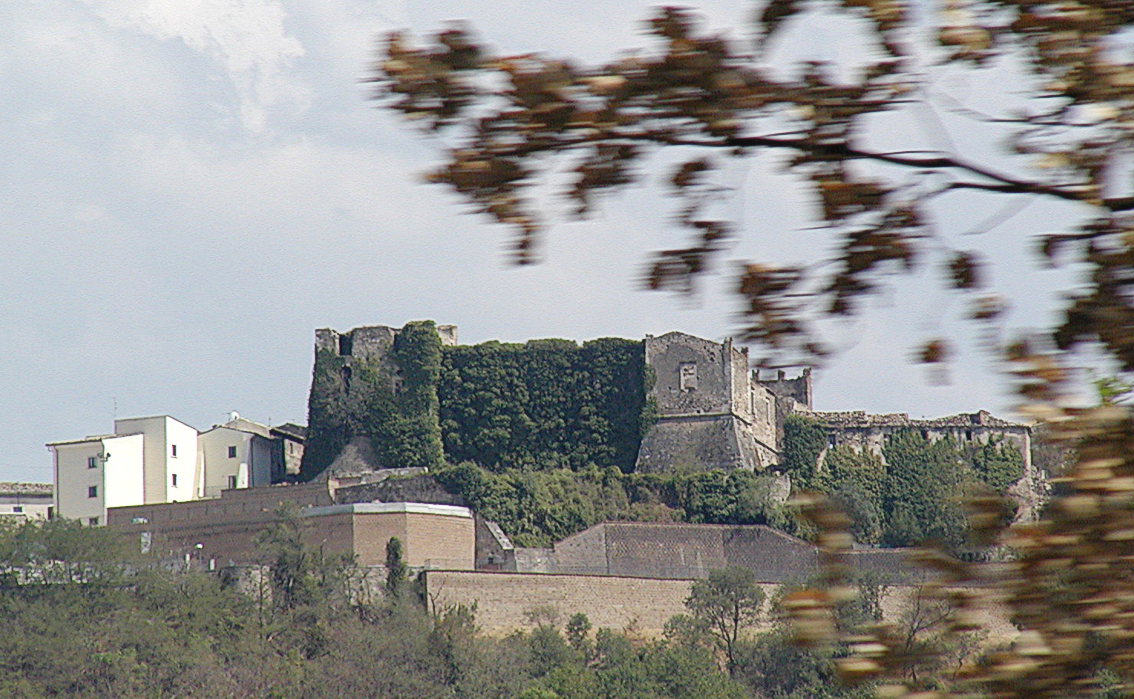
The Macchiaroli Castle stands prominently in the ancient city of Teggiano, nestled in the heart of the Valley of Diano within the province of Salerno, Southern Italy. Constructed during the Norman period in the 11th century, this castle is one of the region's most significant medieval fortifications, reflecting the strategic and political importance of the area during the High Medieval period.

Historical background and significance

The castle originally belonged to the Princes of Sanseverino, a powerful noble family influential in Southern Italy's medieval history. Its role as a military fortress was crucial during the turbulent times of Norman and subsequent Angevin rule. The castle is notably linked to the conspiracy of the barons in 1485, a significant uprising against the Aragonese monarchy in the Kingdom of Naples, marking it as a site of considerable historical intrigue and conflict.

Over the centuries, Macchiaroli Castle transitioned from a war-focused fortress to a more peaceful residence, adapting to the changing political and social landscape. The castle remained under various ownerships until 1860, when it was acquired by the Macchiaroli family, who undertook efforts to preserve its structure and heritage.

Architectural features and restoration

The castle's architecture embodies the typical Norman military style, characterized by robust stone walls, towers, and defensive walkways. Its majestic towers offer commanding views over the surrounding valley, emphasizing its original defensive purpose. The restoration work completed recently focused on preserving these ancient walkways of war and the castle's imposing towers, while also removing architectural barriers to improve accessibility.

Inside, the castle has been furnished with elegant and refined decor, blending historical ambiance with modern functionality. This careful balance allows the castle to serve as an attractive venue for a variety of events, including weddings, concerts, theatrical performances, conventions, and cultural gatherings.

The castle as a cultural venue today

Today, Macchiaroli Castle is not only a monument to medieval architecture and history but also a vibrant cultural hub. Its spacious indoor and outdoor locations accommodate a wide range of events, making it a focal point for community activities and tourism in the region. The castle’s restoration has ensured that it remains accessible and functional while preserving its historical integrity.

Visitors to the castle can appreciate the blend of historical elements and contemporary uses, experiencing both the grandeur of medieval fortification and the lively atmosphere of a modern cultural venue.

Frequently asked questions (FAQ)

How do I get to Macchiaroli Castle?
Macchiaroli Castle is located in Teggiano, Italy, which is accessible by car or public transport. The nearest major city is Salerno, and from there, you can take a train or bus to reach Teggiano. Once in Teggiano, the castle is within walking distance from the town center.
What is the historical significance of Macchiaroli Castle?
Macchiaroli Castle dates back to the 12th century and played a crucial role in the defense of the region during various conflicts. Its strategic location allowed it to oversee the surrounding valleys and protect the inhabitants of Teggiano. The castle is a testament to the medieval architecture and history of southern Italy.
When was Macchiaroli Castle built?
The construction of Macchiaroli Castle began in the 12th century, during a time when the region was marked by feudal conflicts. Over the years, it underwent several renovations and expansions, reflecting the architectural styles of different eras. Today, it stands as a well-preserved example of medieval fortifications.
Can I visit Macchiaroli Castle?
Yes, visitors are welcome to explore Macchiaroli Castle. Guided tours are often available, providing insights into its history and architecture. It’s advisable to check the official website or contact local tourism offices for the latest visiting information.
Why is Macchiaroli Castle considered an architectural gem?
Macchiaroli Castle is renowned for its impressive medieval architecture, featuring sturdy stone walls, towers, and a beautiful courtyard. The castle's design reflects the military needs of its time while also showcasing aesthetic elements typical of the period. Its preservation allows visitors to experience the grandeur of medieval fortifications firsthand.
Is it possible to take photographs inside Macchiaroli Castle?
Yes, visitors are generally allowed to take photographs inside Macchiaroli Castle. However, it's recommended to respect any posted signs regarding photography, especially in areas that may have restrictions. Capturing the stunning architecture and scenic views is a great way to remember your visit.
What are the opening hours for Macchiaroli Castle?
Macchiaroli Castle typically opens to visitors from 9 AM to 5 PM, but hours may vary depending on the season. It's best to check the official website for the most current information regarding opening hours and any special events. Plan your visit accordingly to make the most of your experience.
What is the best time to visit Macchiaroli Castle?
The best time to visit Macchiaroli Castle is during the spring and fall when the weather is mild and pleasant for exploring. These seasons also offer beautiful scenery in the surrounding countryside. Summer can be hot, while winter may bring colder temperatures, so plan your visit based on your weather preference.
What are some nearby attractions to Macchiaroli Castle?
Nearby attractions include the historic town of Teggiano, known for its charming streets and local cuisine. The surrounding Cilento National Park offers stunning landscapes and hiking opportunities. Additionally, visitors can explore other historical sites in the region, making for a rich cultural experience.
How much is the ticket price for Macchiaroli Castle?
Ticket prices for Macchiaroli Castle are generally quite affordable, with discounts available for students and senior citizens. Children often receive free or reduced entry. It’s advisable to check the official website for the latest pricing and any promotional offers that may be available.

Information

Hill Castle

Sources & official resources

Verify the information above using these authoritative references.

Loading map...

Visitor reviews

No reviews yet. Been here? Write the first review and help other travelers!

Write the first review

Visited this castle? Share your experience

Your review helps other travelers and adds first-hand knowledge to our encyclopedia.
Write a review

(5/5)

0/2000 characters

Your review will be visible after admin approval

Nearby castles

13.3 km
Caracciolo Castle — Italy castle

Caracciolo Castle

Brienza, Italy

Caracciolo Castle, located in Brienza, Italy, is a significant medieval hill castle with origins tracing back to the early Middle Ages. The earliest documented mention of the castle dates to 1237, yet archaeological and historical research indicates that the site was fortified much earlier, likely during the Lombard settlement in the 7th century. This initial fortification laid the groundwork for what would evolve into the castle known today. Early origins and historical context The strategic position of the castle atop a steep hill, flanked by the Torrente Pergola and Fiumicello rivers, provided natural defenses that were critical during the turbulent medieval period. The castle's location within the Principality of Citra until 1811 situates it within the broader political and feudal landscape of southern Italy. Over the centuries, the castle changed hands among notable noble families, including the Angevins and the De Porcellis, before coming under the control of the Caracciolo family, a prominent lineage originally from Naples. Architectural evolution and modifications Constructed primarily in the 12th century, Caracciolo Castle exemplifies a hill castle typical of the high medieval period. Its architecture reflects a combination of military and residential functions. In 1561, under the direction of Marcantonio Caracciolo, the castle's main tower was converted into a prison, marking a functional shift while the remainder of the fortress continued as a noble residence. Subsequent expansions and artistic enhancements were undertaken by Litterio Caracciolo in 1783, who enriched the castle with numerous works of art, further emphasizing its role as a noble domicile rather than solely a defensive structure. Structural features The castle's design incorporates robust defensive elements such as thick stone walls, battlements, and towers strategically positioned for surveillance and protection. Its hilltop placement enhances its defensive capabilities, while the surrounding rivers add natural barriers. The castle complex includes residential quarters, a courtyard, and the converted prison tower, illustrating the multifunctional nature of the fortress over time. Impact of natural disasters and restoration efforts The castle endured significant damage from the 1857 earthquake, which led to a period of abandonment due to financial constraints faced by its then-owners, the Baron Barracco family. Further deterioration occurred until the late 20th century when a restoration initiative was launched following the 1980 earthquake. These restoration efforts have aimed to preserve the castle's historical integrity while adapting it for contemporary cultural and community use. Current status and urban regeneration Today, Caracciolo Castle is owned by the Municipality of Brienza, which is actively engaged in restoration and an urban regeneration project encompassing the medieval village below the fortress. This project seeks to revitalize the historical fabric of the area, promoting cultural heritage tourism and community development. The castle stands as a testament to the layered history of the region, reflecting centuries of architectural evolution, noble residence, and strategic military significance. Historical significance within the region The castle's role within the Basilicata region and its historical ties to the Principality of Citra highlight its importance in the political and social history of southern Italy. Its transformation from a medieval fortress to a noble residence and later a prison illustrates the changing functions of such structures in response to shifting political and social needs. Cultural heritage and tourism potential Caracciolo Castle is a focal point for cultural heritage in Brienza, attracting visitors interested in medieval architecture, noble family histories, and regional history. Ongoing restoration and urban regeneration efforts aim to enhance its accessibility and interpretive potential, ensuring that the castle remains a vibrant part of the community's cultural landscape.

High Medieval (11th–13th c.)
Details
33.7 km

Policastro Castle

Policastro Bussentino, Italy

Policastro Castle is a prominent medieval fortress located in Policastro Bussentino, Italy, that reflects a rich history spanning several centuries and cultural influences. The castle stands on the highest point of a hill, commanding views over the surrounding landscape and the ancient town it once protected. Its origins date back to the 6th-7th century, when it was constructed as a Byzantine fortress during the final phase of the Greek-Gothic War, marking the region's transition under Byzantine control. Byzantine origins and early fortifications The initial fortress was built by the Byzantines to secure their hold on the area after the conflict with the Goths. This early construction was strategically placed on a hill overlooking the Bussento river valley, utilizing natural defenses and serving as a military stronghold. The Byzantine fortress formed the core around which later medieval fortifications would be developed. Norman enhancements and medieval expansion During the 11th century, under the reign of King Roger I, the old town of Policastro was enclosed by robust medieval walls of Norman origin. These fortifications included the castle, which was adapted and expanded to meet the defensive needs of the period. The Norman walls and castle helped establish Policastro as a fortified settlement in the turbulent political landscape of southern Italy. 14th-century enlargement by Giacomo Sanseverino The castle underwent significant enlargement and strengthening in the 14th century under the direction of Giacomo Sanseverino (1290-1364), a notable nobleman of the time. A marble inscription dated 1309 above the eastern entrance commemorates his contributions: "Magnifico Domino Iacobus de Santo Sevirino." This phase of construction reinforced the castle's walls and added new defensive features to adapt to evolving military technologies and threats. Architectural features and layout The castle's layout reflects its layered history, combining elements from Byzantine, Norman, and later medieval architecture. It is characterized by thick stone walls, battlements, and towers that provided vantage points for surveillance and defense. The castle's position on the hilltop maximized its strategic advantage, allowing defenders to monitor approaches from a distance. The medieval walls enclosing the old town connect with the castle, forming an integrated defensive system. The eastern gate, where the Sanseverino inscription is located, served as a principal entrance and was heavily fortified. Inside the castle, remnants of residential quarters, storage rooms, and defensive structures can still be discerned, illustrating its dual role as a military fortress and noble residence. Historical significance and cultural heritage Policastro Castle is a key monument in the historical fabric of Policastro Bussentino. It symbolizes the town's strategic importance through the centuries, from Byzantine times through the Norman conquest and into the late medieval period. The castle and its walls bear witness to the region’s complex history of warfare, political change, and cultural exchange. Today, the castle remains a focal point for visitors interested in medieval architecture and southern Italy's history. Its preservation allows insight into the defensive strategies and architectural styles employed over several centuries. The castle is part of a broader heritage landscape that includes other ancient monuments and artworks within Policastro Bussentino. Visiting Policastro Castle Visitors to Policastro Bussentino can explore the castle and the surrounding medieval walls, gaining a tangible sense of the town’s historical development. The elevated location offers panoramic views of the Bussento valley and the Tyrrhenian Sea beyond. Walking the castle grounds and the old town walls provides an immersive experience into the military and residential life of the medieval period. While the castle has undergone restorations to maintain its structure, it retains much of its original medieval character. Informational plaques and guided tours help contextualize the site’s history and architectural details for visitors.

High Medieval (11th–13th c.)
Details
41.7 km

Muro Lucano Castle

Muro Lucano, Italy

Muro Lucano Castle stands as a significant hilltop fortress in the town of Muro Lucano, southern Italy. Originally constructed by the Lombards in the 9th century, this castle has witnessed centuries of turbulent history, royal intrigue, and architectural evolution. Its strategic location atop a rocky outcrop allowed it to serve as a formidable defensive stronghold and administrative center throughout the Early medieval and Late medieval periods. The castle's initial foundation was part of the Lombards' efforts to secure the northern frontier of the Duchy of Salerno within the historical region of Langobardia Minor. Over time, the castle expanded and adapted to changing military and residential needs, reflecting the complex feudal dynamics of southern Italy. Notably, in 1382, Queen Joanna I of Naples met her tragic death within its walls, allegedly assassinated by order of Charles III of Naples, marking a pivotal moment in the kingdom's history. Historical significance and political role The castle's role extended beyond mere defense; it was a seat of local power and governance. In 1269, Pietro di Hugot was appointed lord of Muro by King Charles I of Naples, underscoring the fortress's importance within the kingdom. The subsequent centuries saw the castle change hands among influential families, including the Ferrilli and Orsini dynasties, each contributing to its architectural and functional evolution. During the 15th century, under King Ferdinand I of Aragon, the castle and town were granted to Troiano di San Magno before being sold to Count Mazzeo Ferrilli. Ferrilli's tenure saw significant renovations, including the addition of two towers and a drawbridge, which enhanced the castle's defensive capabilities and symbolized its elevated status when Muro Lucano was made a county in 1483. Architectural features and layout Muro Lucano Castle occupies the highest point of the village, its structure conforming to the uneven, rocky terrain beneath. The castle's footprint is generally rectangular but irregular, adapting closely to the natural outcrop it crowns. Its enclosure includes multiple gates providing access to the inner living quarters and defensive areas. Towers and defensive elements The castle is distinguished by two prominent towers from different eras. The older Torrione, located on the southern side, is constructed from large limestone blocks and rises to the height of the first floor, featuring a rooftop terrace that likely served as a lookout point. The northern tower is a later addition, notable for its circular form and distinctive arches encircling its perimeter. Standing approximately eight meters tall on a substantial rock base, this tower overlooks the residential sections of the castle. Historically, a narrow drawbridge connected parts of the fortress, enhancing its defensive posture. However, following the 1694 earthquake and subsequent repairs by the Orsini family, the drawbridge was removed, reflecting changes in military architecture and the castle's adaptation to peacetime functions. Interior and surrounding structures The castle's interior once housed the lord's living quarters, administrative rooms, and service areas. While some parts remain inhabited today by the Martuscelli family, descendants of Francesco Domenico Lordi, who purchased the castle in 1830, much of the interior reflects layers of medieval and post-medieval modifications. Adjacent to the castle is the Concattedrale di San Nicola, dating back to 1169. Though much of its medieval fabric is obscured beneath a 17th-century structure, its proximity and near physical connection to the castle highlight the intertwined nature of religious and feudal power in the region. Earthquake damage and restoration efforts The castle has endured significant seismic events, notably the 1694 earthquake that caused considerable damage, prompting major repairs and architectural alterations. Another damaging earthquake in 1980 further impacted the structure, leading to restoration efforts throughout the 1980s and 1990s. These restorations focused on stabilizing the walls, refurbishing interiors, and preserving original medieval sections, including the stables. Cultural heritage and current status Today, Muro Lucano Castle stands as a testament to the region's rich historical tapestry, blending medieval fortifications with later architectural modifications. Its partial habitation by the Martuscelli family maintains a living connection to its past, while ongoing preservation efforts ensure its legacy endures. The castle's commanding position offers panoramic views of the surrounding landscape, reinforcing its historical role as a sentinel over the region. The nearby settlement of Il Pianello, located on a steep ridge below the castle, remains inhabited and linked to the fortress by a narrow, winding path. This enduring connection between the castle and local community highlights the fortress's historical importance beyond military functions, encompassing social and economic dimensions. Visitors to Muro Lucano can explore the castle's exterior and some of its interior spaces, appreciating the blend of architectural styles and the layers of history embedded in its walls. The castle's story reflects broader themes of medieval politics, feudal power struggles, and the adaptation of fortresses to changing times and technologies.

Early Medieval (5th–10th c.)
Details

