Brindisi di Montagna Castle
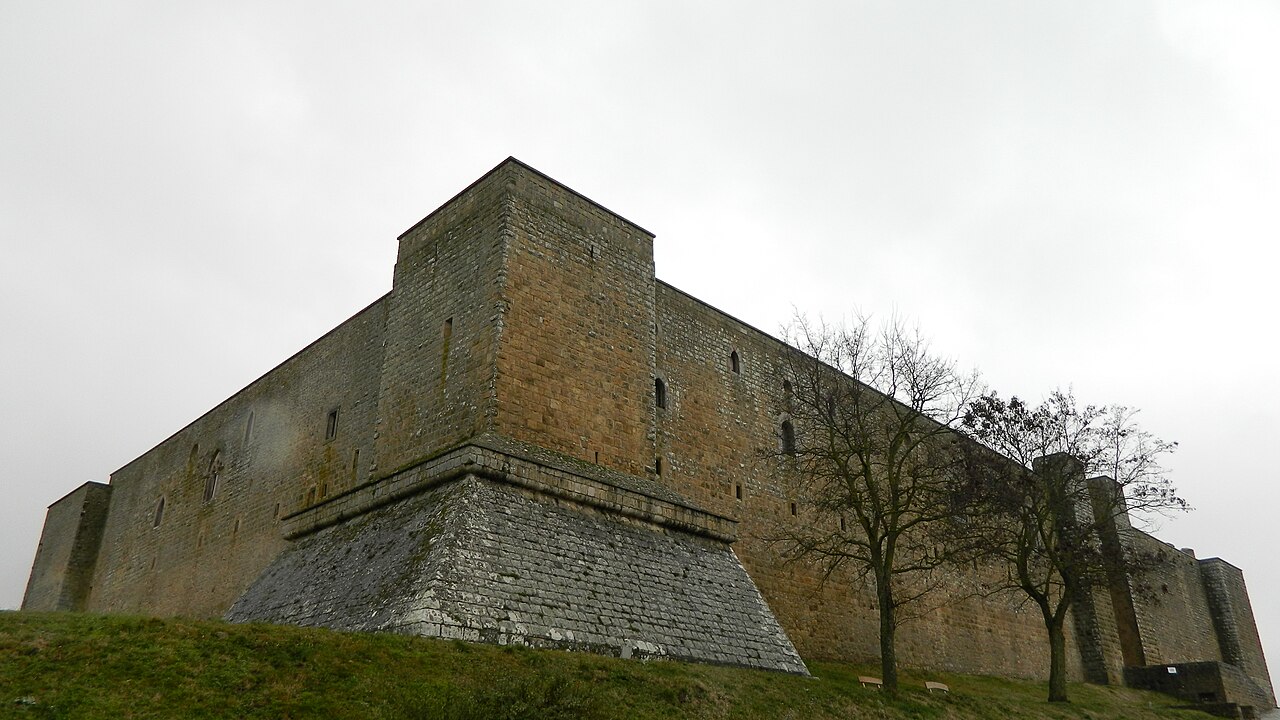
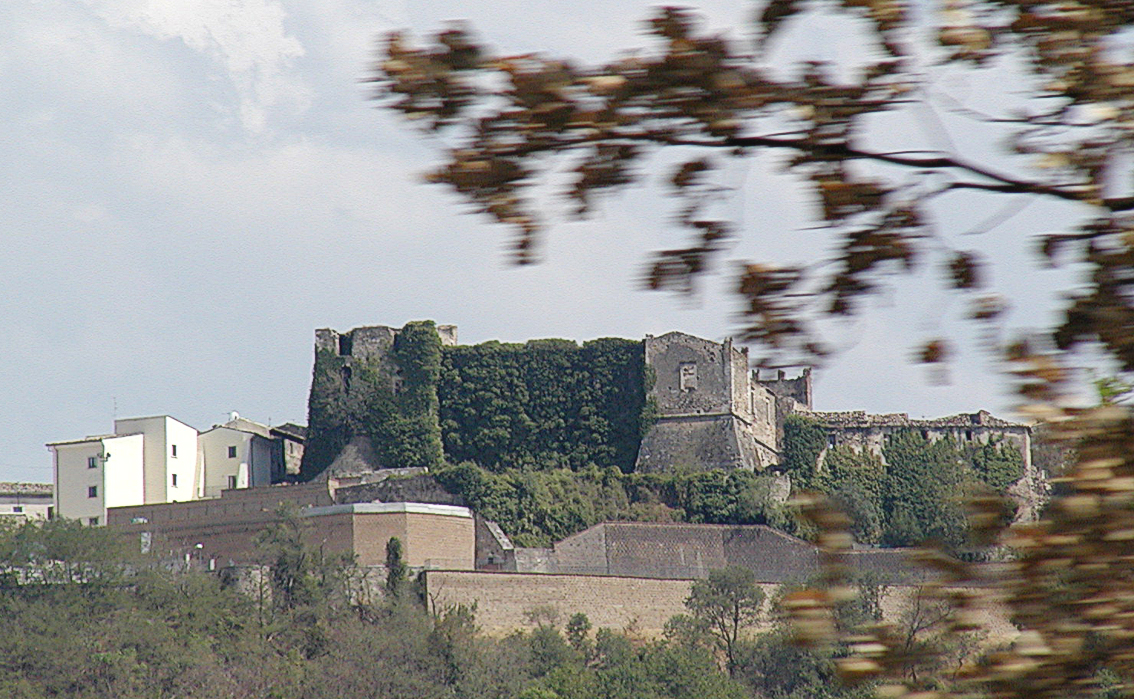
Brindisi di Montagna Castle stands as a remarkable example of a high medieval hill castle strategically perched on a large sandstone ridge in the Basilicata region of southern Italy. Constructed around 1200 by Norman builders, this fortress offers a compelling glimpse into the military architecture and feudal history of the area, reflecting multiple phases of occupation, adaptation, and restoration over the centuries.
The castle’s location on a commanding rocky ridge between 832 and 877 meters above sea level provided a natural defensive advantage, overlooking the vital Basento valley. This valley served as a crucial inland communication route connecting southern Basilicata to the Ionian Sea, making the castle an essential military lookout and control point during the Middle Ages. The fortress’s position allowed sentinels to monitor movement along this corridor and defend against incursions, particularly during periods of Saracen raids starting in the 9th century.
Architectural design and structural features
The architectural composition of Brindisi di Montagna Castle is distinguished by its adaptation to the natural terrain and its division into three main sectors aligned along the ridge. The central section extends longitudinally along the rocky crest, featuring multiple levels that conform tightly to the uneven sandstone outcrop. This part likely housed the main living quarters and defensive structures, including the main keep (mastio), which served as the last line of defense.
The northern sector originally featured a turret used as a lookout point, which was later transformed by the Antinori family into the chapel of San Michele. This conversion from military to religious function reflects the castle’s gradual transition from a fortress to a noble residence in later centuries. The southern sector preserves fewer remains but includes significant wall fragments embedded directly into the rock, indicating the castle’s extensive footprint along the ridge.
Defensive elements are prominent throughout the complex. Numerous arrow slits and narrow openings are visible, designed to enable archers to defend the castle while minimizing exposure. A noteworthy feature is a low annex adjacent to the main entrance on the left side, which likely served as an observation post to monitor approaches from the south. This annex predates the main Norman construction, as evidenced by its distinctive masonry composed of rounded river stones contrasting with the Norman-style upper walls.
Construction techniques and phases
The castle’s masonry reveals two distinct construction phases. The lower walls of the annex utilize riverbed stones, suggesting an earlier lookout or fortification pre-dating the Norman fortress. The upper masonry corresponds with the Norman core, characterized by more regular stonework typical of 12th-13th century military architecture. Subsequent modifications under the Hohenstaufen and Angevin dynasties introduced further structural enhancements and adaptations.
Throughout the 13th and 14th centuries, the castle’s defensive system expanded to include multiple watch and defense points. These encompassed the northern watchtower, the main keep, an adjacent building with arrow slits, the annex near the main gate, a rock-carved annex on the eastern facade, and a building atop a secondary rocky summit overseeing the entrance path. This network of fortifications ensured comprehensive surveillance and protection of the Basento valley route.
Historical significance and ownership
The castle is first documented in 1240 in the Statuta Officiorum issued by Emperor Frederick II, where it is listed as castrum Brundusii de Montana among twenty-nine state castles in Basilicata. This record confirms its role within a strategic network of fortifications designed to secure the region’s communication and trade routes during the High Middle Ages.
Originally constructed by the Normans around 1200, the castle predated the wave of Swabian castles built under Frederick II, differing in layout, construction, and formal characteristics. It was incorporated into a broader defensive program in 1220 under the initiative De Novis Aedificiis Diruendis, which aimed to strengthen military presence in the region alongside other nearby fortresses.
Following the Angevin conquest in 1266, the castle’s military garrison was replaced by knights from beyond the Alps. The first Angevin lord was Guidone de la Forest, succeeded by Pietro de Hugot through marriage. The castle briefly returned to state control in 1284 after the death of the last private lord without heirs. The Angevin period was marked by heavy taxation, inciting social unrest and revolts, notably in 1269 when locals resisted demands to supply sixty corpses for the royal army’s siege of the Saracen stronghold at Lucera.
In the 15th century, the castle passed to various noble families, including the Sanseverino, Antinori, Battaglia, and finally the Fittipaldi family. The devastating earthquake of 1456 left the area uninhabited until Albanian settlers repopulated it around 1535. By the 17th century, the castle had lost its military function and served as a seasonal noble residence.
Ownership changes culminated in the early 20th century when the Fittipaldi family donated the castle to the local municipality. After a period of neglect and ruin, extensive restoration was completed, and the castle reopened to the public in 2018, preserving its historical legacy.
Archaeological context and cultural heritage
Archaeological investigations at the site have uncovered Latin inscriptions and other artifacts confirming the presence of a Roman settlement predating the medieval fortress. The name "Brindisi" itself derives from ancient linguistic roots linked to the Messapian and other pre-Sabellic languages, underscoring the site’s long-standing regional importance before Lucanian conquest.
The castle’s layered history from Roman times through Norman, Hohenstaufen, and Angevin periods provides valuable insight into the evolving military, administrative, and social dynamics of Basilicata. Its preservation offers a tangible connection to these diverse historical phases and the strategic significance of the Basento valley corridor.
Visitor experience and conservation efforts
Today, visitors to Brindisi di Montagna Castle can explore the ruins accessed via a steep rocky path from the village church of San Vincenzo to the south. The site’s dramatic setting atop a sandstone ridge with sheer cliffs on the western side provides breathtaking views of the surrounding landscape.
Conservation and restoration efforts have stabilized the remaining structures, allowing visitors to appreciate the castle’s complex layout and architectural evolution. Key features such as the chapel of San Michele, arrow slits, and the main keep remain visible, illustrating the castle’s transition from a military fortress to a noble residence.
Interpretive signage and guided tours enhance understanding of the castle’s historical context, architectural features, and its role within the broader network of medieval fortifications in Basilicata. The site is a significant cultural heritage landmark, offering educational opportunities and promoting local tourism.
Architectural highlights for visitors
- Chapel of San Michele: Originally a lookout turret, later converted into a chapel by the Antinori family.
- Main keep (mastio): The central defensive tower and last refuge during sieges.
- Arrow slits: Narrow openings designed for archers to defend the castle effectively.
- Rock-carved annexes: Structures integrated into the natural sandstone ridge.
- Defensive annex near the main gate: An early observation post with distinctive masonry.
Access and visitor information
The castle is open to the public, with visiting hours typically during daylight. The steep approach path requires moderate physical fitness, and visitors are advised to wear appropriate footwear. Guided tours are available seasonally, providing detailed historical and architectural insights.
Legacy and historical importance
Brindisi di Montagna Castle exemplifies the strategic military architecture of the Norman and Angevin periods in southern Italy. Its unique construction on a natural sandstone ridge, combined with its layered historical narrative, makes it an invaluable site for understanding medieval fortifications and regional history in Basilicata.
The castle’s endurance through centuries of conflict, natural disasters, and social change reflects the resilience of the local community and the importance of preserving cultural heritage. Its restoration and public accessibility ensure that this remarkable fortress continues to educate and inspire future generations.
Frequently asked questions (FAQ)
- When was Brindisi di Montagna Castle originally built?
- Brindisi di Montagna Castle was originally constructed around 1200 by Norman builders, making it a significant high medieval fortress.
- What is the historical significance of the castle's location?
- The castle overlooks the Basento valley, a crucial inland route connecting southern Basilicata to the Ionian Sea, providing strategic military control during the Middle Ages.
- Can visitors explore the chapel of San Michele within the castle?
- Yes, the chapel of San Michele, originally a lookout turret, was converted by the Antinori family and is accessible to visitors interested in the castle's architectural evolution.
- Is the castle accessible for visitors with limited mobility?
- Access involves a steep rocky path, requiring moderate physical fitness. Visitors with limited mobility may find the approach challenging.
- What restoration efforts have been made to preserve the castle?
- The castle underwent extensive restoration culminating in its reopening to the public in 2018, stabilizing ruins and preserving key architectural features.
- Are guided tours available at Brindisi di Montagna Castle?
- Guided tours are offered seasonally, providing detailed historical and architectural insights to enhance the visitor experience.
Information
Opening hours
Daylight hours, seasonal guided tours available
Current owner
Municipality of Brindisi Montagna
Loading map...
Visitor reviews
No reviews yet. Been here? Write the first review and help other travelers!
Write the first reviewVisited this castle? Share your experience
Your review helps other travelers and adds first-hand knowledge to our encyclopedia.