Campo Maior Castle
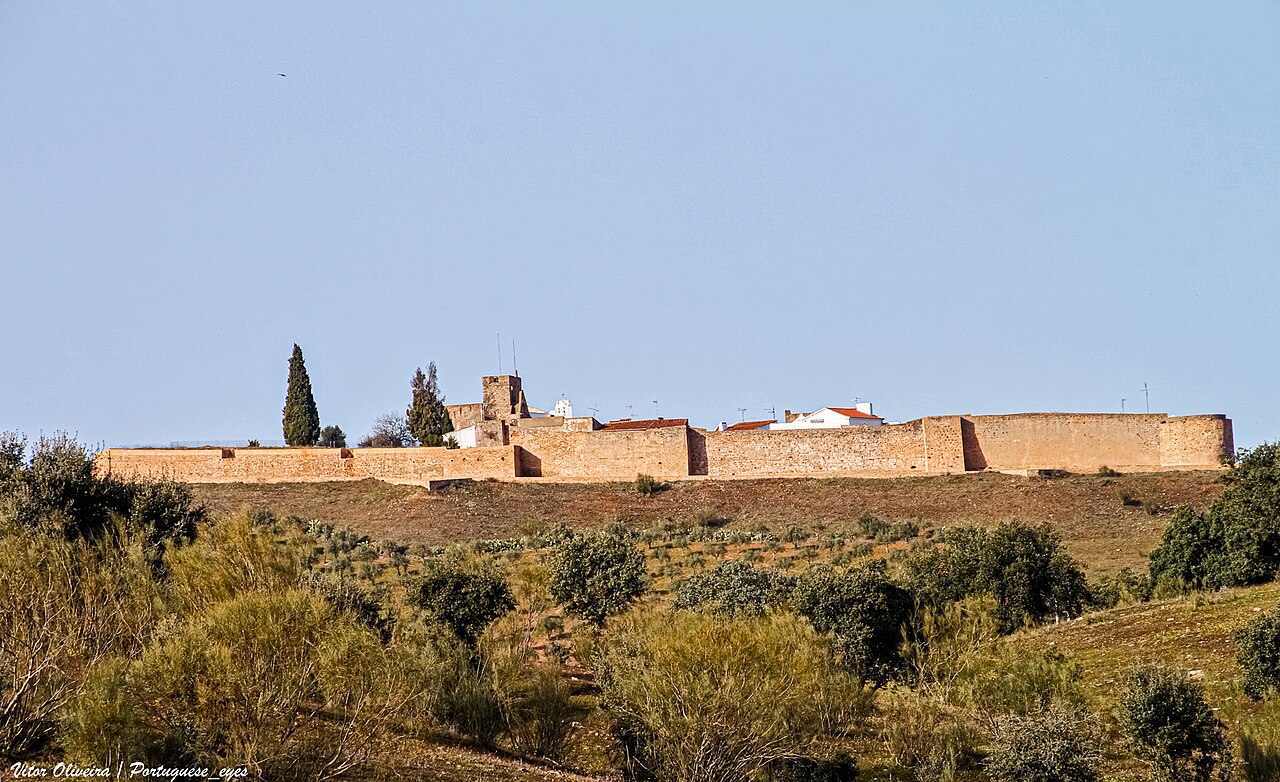
Campo Maior Castle, known locally as Castelo de Campo Maior, is a historic fortress located in the town of Campo Maior in the Alto Alentejo region of Portugal. This castle's strategic position on a low hill near the Spanish border has made it a key military site throughout its long history, marked by multiple phases of construction, destruction, and restoration.
Early origins and medieval foundations
The first fortifications on the site are believed to have been established by the Moors during their occupation of the Iberian Peninsula. The area was a contested frontier zone during the Reconquista, with the settlement of Campo Maior first conquered by the forces of Alfonso IX of León in 1230. This marked the beginning of Christian control, and the town was granted its charter in 1250, formalizing its status within the Christian kingdoms.
Subsequently, around 1295, the town was taken by Portuguese forces under King Denis of Portugal. The Treaty of Alcañices in 1297 definitively incorporated Campo Maior into the Portuguese kingdom. Recognizing the town's vulnerable border position, King Denis ordered the reconstruction of the castle in 1310 to strengthen defenses against Castilian incursions.
Architectural evolution through the late medieval period
During the late 15th century, under the reign of King John II of Portugal, significant rebuilding and enlargement of the castle took place. These works were completed by his successor, Manuel I, reflecting the evolving military architecture of the period. The castle's medieval walls and towers were enhanced to improve fortification capabilities.
Transformation into a bastioned fortress in the 17th century
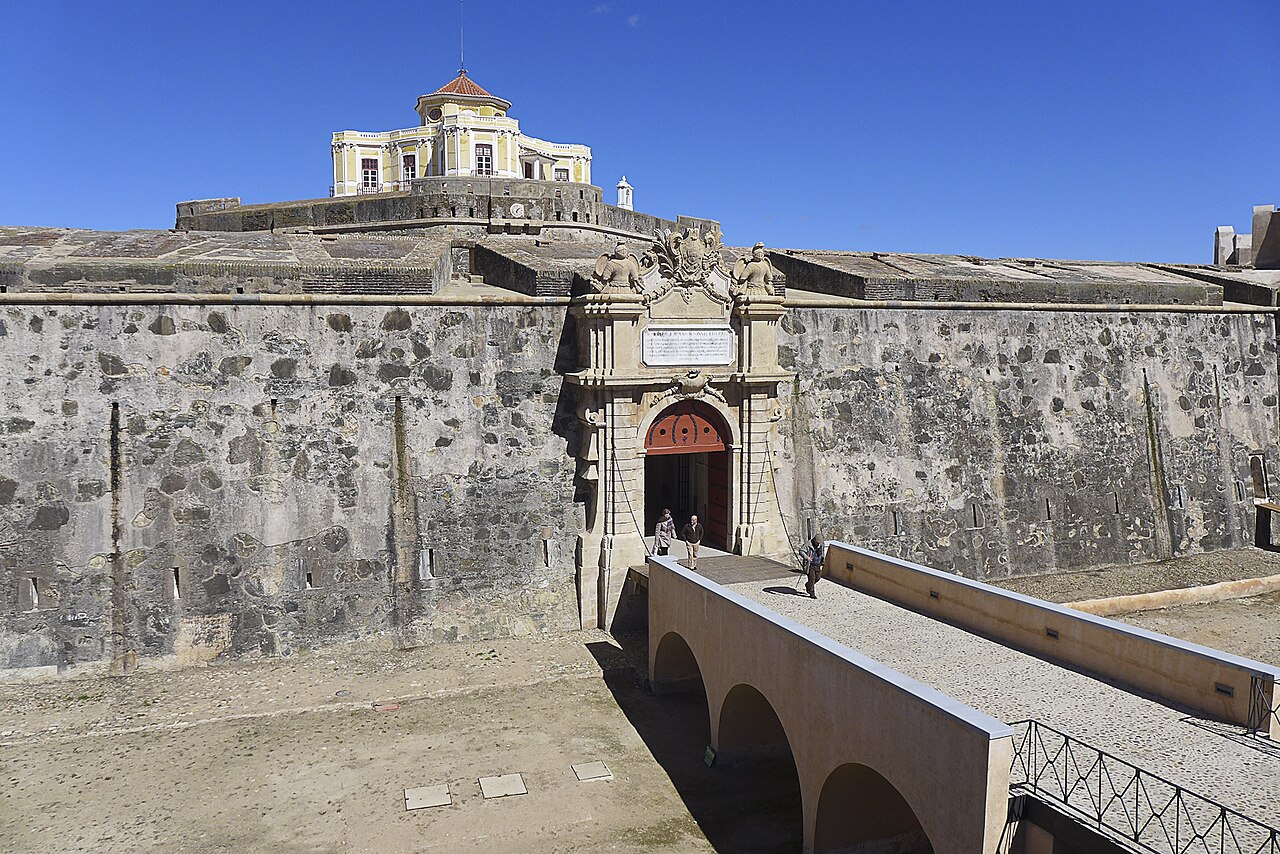
The Portuguese Restoration War (1640-1668) prompted major upgrades to Campo Maior Castle. King John IV of Portugal initiated the modernization of the fortress, adapting it to withstand the artillery and siege tactics of the era. The castle was transformed into a bastioned fortress featuring bastions, bulwarks, and ravelins, which were advanced defensive elements designed to provide overlapping fields of fire and resist cannon bombardment.
Sieges and military engagements
Campo Maior's strategic importance meant it was frequently targeted during conflicts. In 1712, during the War of the Spanish Succession, the fortress endured a 36-day siege by Spanish forces but was not captured. The siege inflicted severe damage on the fortifications.
A catastrophic event occurred in 1732 when a lightning strike hit the castle’s fully stocked powder magazine during a thunderstorm. The resulting explosion and fire devastated almost the entire castle, destroying parts of the town walls and many buildings within the town. The powder magazine and defenses were rebuilt in 1735, though on a reduced scale compared to the original fortress.
18th and 19th-century military history
In 1801, during the War of the Oranges, Campo Maior was besieged by Spanish forces for 18 days before it capitulated with military honors. The fortress again surrendered in 1811 after a 13-day siege by French troops during the Peninsular War. These events marked the last major military actions involving the castle before it gradually lost its strategic importance later in the 19th century.
Architectural features and current condition
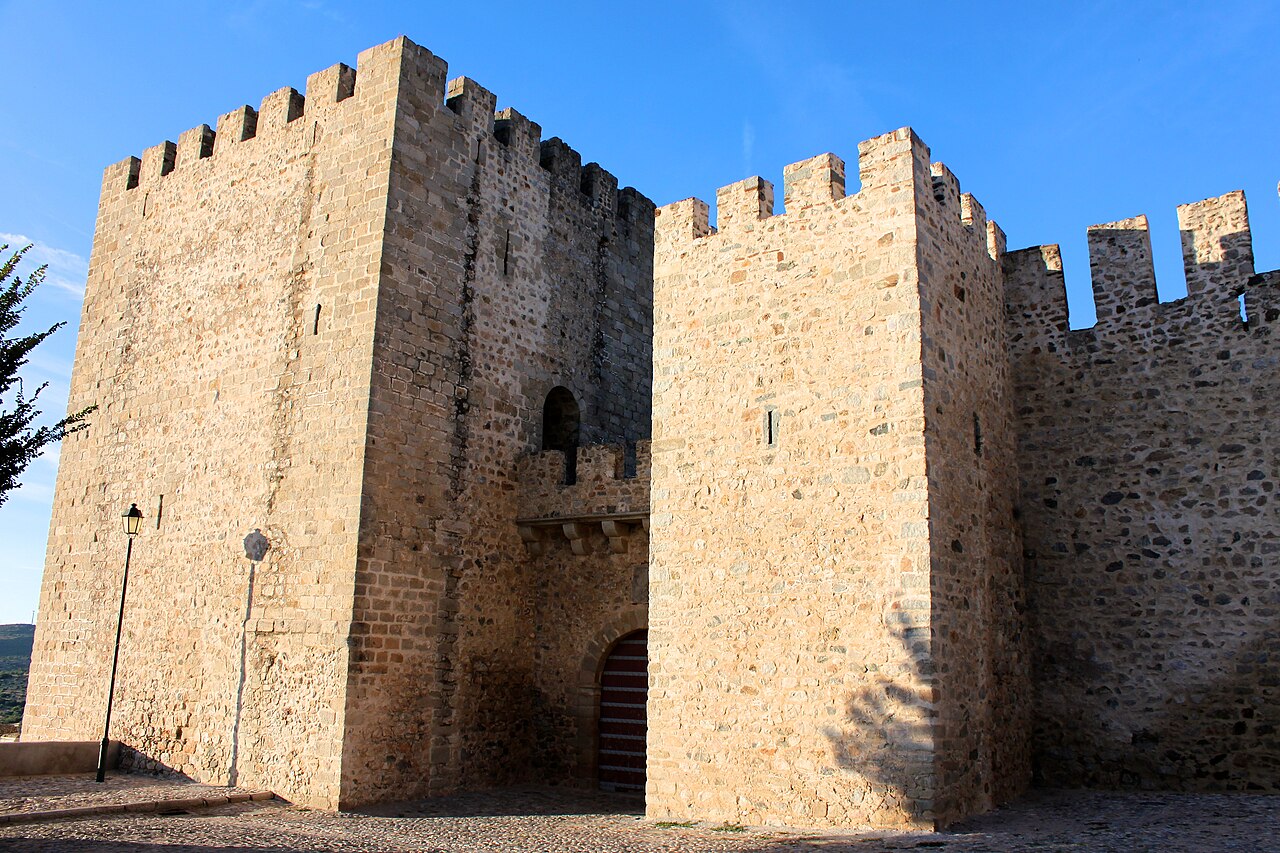
Campo Maior Castle has an oblong plan that includes both an inner and outer castle. Originally, it featured six towers, but only two remain today. The fortress walls incorporate bastions and ravelins typical of 17th-century military engineering, reflecting the adaptation to gunpowder warfare.
Throughout the 20th century, the castle and its surrounding fortress walls underwent partial restoration efforts to preserve the site. Despite these restorations, much of the castle remains in a state reflecting its turbulent history of sieges, explosions, and military use.
Visiting campo maior castle today
Today, Campo Maior Castle is accessible to visitors primarily through the Interpretive Center of the Fortification of Campo Maior, which provides historical context and exhibits related to the castle's military past. The castle is located at R. do Castelo, Campo Maior, Portugal. Visitors can explore the fortress and gain insight into its role in Portuguese border defense.
The museum and castle offer a quiet and evocative experience in this border town, though visitors should check opening times as the museum has experienced closures. The castle's combination of medieval origins and post-medieval bastioned fortifications makes it a notable example of evolving military architecture in Portugal.
Frequently asked questions (FAQ)
- How do I get to Campo Maior Castle?
- Campo Maior Castle is located in the town of Campo Maior, Portugal, easily accessible by car or public transport from nearby cities like Elvas and Badajoz. There is ample parking available near the castle for those driving. Visitors can also enjoy a scenic walk through the charming streets of Campo Maior, which adds to the experience of visiting the castle.
- What is the historical significance of Campo Maior Castle?
- Campo Maior Castle, built in the 17th century, holds great historical significance as a defensive structure during various conflicts, particularly the Portuguese Restoration War. It reflects the military architecture of the time and played an essential role in protecting the region from invasions. The castle's well-preserved walls and fortifications offer insights into the strategic importance of the area throughout history.
- When was Campo Maior Castle built?
- Campo Maior Castle was constructed between 1660 and 1680, during a period of military innovation in Portugal. Its design was influenced by the need for stronger fortifications against potential attacks. The castle has undergone several restorations since its completion, ensuring its preservation for future generations to enjoy.
- Can I enter Campo Maior Castle?
- Yes, visitors are welcome to explore Campo Maior Castle. The castle grounds are open to the public, allowing guests to stroll along the ramparts and enjoy panoramic views of the surrounding countryside. Inside the castle, you can find informative displays about its history and architecture.
- Why is Campo Maior Castle a popular tourist attraction?
- Campo Maior Castle is a popular tourist attraction due to its impressive architecture and rich history. Visitors appreciate the stunning views it offers of the Alentejo landscape and the opportunity to learn about Portugal's military past. Additionally, the castle's proximity to Campo Maior's charming town center adds to its appeal for tourists.
- Is it possible to visit Campo Maior Castle year-round?
- Yes, Campo Maior Castle is open year-round, making it a great destination for visitors at any time. However, it is advisable to check for any local holidays or maintenance periods that may affect access. The best time to visit is during the spring and autumn months when the weather is mild and pleasant.
- What are the opening hours for Campo Maior Castle?
- Campo Maior Castle typically opens at 9 AM and closes at 6 PM, but these hours may vary seasonally. It’s recommended to check the official website or contact local tourism information for the most current hours before planning your visit. This ensures you have enough time to explore the castle and its surroundings.
- What are the ticket prices for Campo Maior Castle?
- Admission to Campo Maior Castle is generally free, allowing visitors to explore its historical grounds without a fee. However, special guided tours or events may have associated costs. It's a good idea to inquire about any special activities or tours that might enhance your visit and provide deeper insights into the castle's history.
- Are there nearby attractions to visit after Campo Maior Castle?
- Yes, there are several nearby attractions worth visiting after exploring Campo Maior Castle. The town itself is rich in history, with beautiful churches and local shops to enjoy. Additionally, the nearby town of Elvas, known for its impressive fortifications and UNESCO World Heritage Site, is just a short drive away and offers further exploration opportunities.
Information
Address
R. do Castelo, Campo Maior, Portugal
Loading map...
Visitor reviews
No reviews yet. Been here? Write the first review and help other travelers!
Write the first reviewVisited this castle? Share your experience
Your review helps other travelers and adds first-hand knowledge to our encyclopedia.