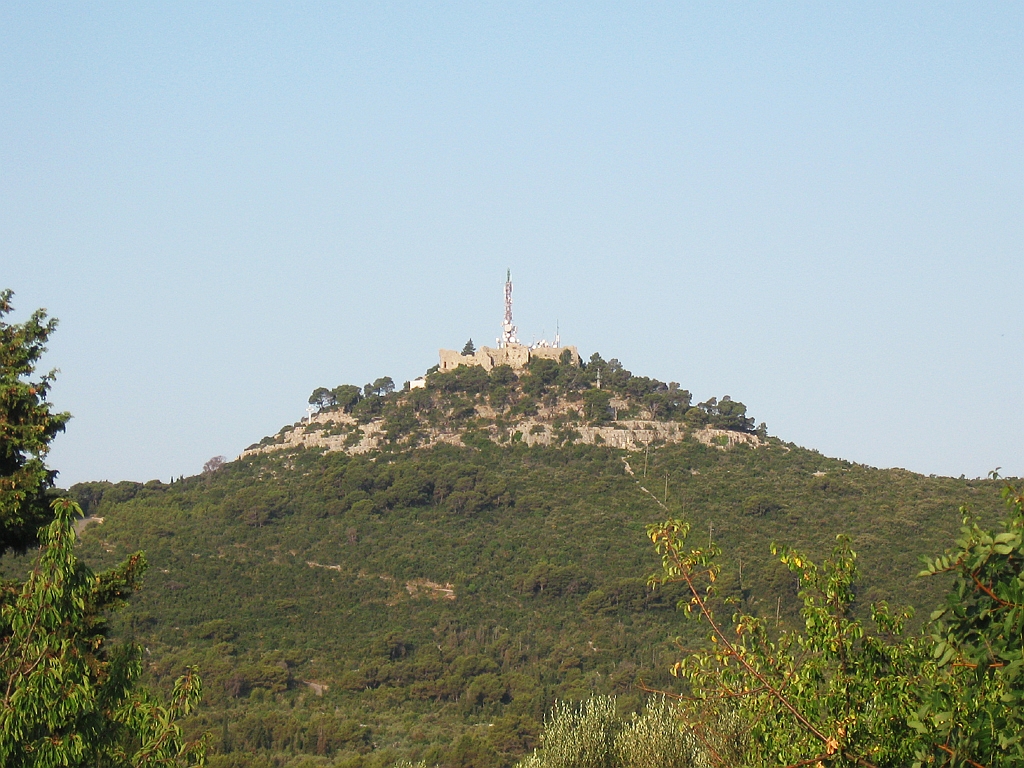
Califfi Castle, located on the island of Ugljan in Croatia, is a notable example of a 17th-century Renaissance fortress. Originally constructed by the Califfi family, the castle reflects the architectural and defensive needs of its era, combining residential and military functions typical of Renaissance fortifications in the Adriatic region.
Historical background and ownership
The castle was built in the 17th century by the Califfi family, a noble lineage that held significant influence in the region during the Renaissance period. Over time, stewardship of the castle passed to the Bercich family (known in Croatian as Berčić or Brčić) from the city of Zara (modern-day Zadar). This transition in ownership led to the castle also being commonly referred to by the Bercich family name.
In more recent times, the castle has undergone restoration efforts and has been renamed Dvor Krešimir Ćosić in honor of the celebrated Croatian basketball star Krešimir Ćosić, linking the historical structure to contemporary cultural memory.
Architectural features and style
Califfi Castle exemplifies Renaissance military architecture adapted to the specific geographic and strategic conditions of the Adriatic coast. Its design incorporates fortified walls and defensive towers that were intended to protect against both sea and land attacks. The castle’s layout reflects the typical Renaissance emphasis on symmetry and proportion, while also integrating practical defensive elements.
The structure is characterized by robust stone masonry, with thick walls designed to withstand cannon fire, a common feature in 17th-century fortifications. The castle likely included a courtyard and residential quarters, blending defensive and domestic functions.
Location and strategic importance
Situated on Ugljan Island, which lies opposite the city of Zadar on the Croatian coast, Califfi Castle occupied a strategic position controlling maritime routes in the northern Adriatic Sea. This location allowed its owners to monitor and defend against naval incursions and to exert influence over local trade and communication lines.
The castle’s proximity to Zadar, a major regional center historically contested by various powers including the Venetian Republic and the Ottoman Empire, underscores its role in the broader geopolitical struggles of the Adriatic region during the Renaissance.
Restoration and current use
Recent restoration efforts have aimed to preserve the castle’s structural integrity and historical character. The renaming to Dvor Krešimir Ćosić connects the site to modern Croatian cultural heritage, honoring a national sports figure and increasing public interest in the castle.
While the castle retains much of its Renaissance architectural character, it has been adapted for contemporary use, potentially including cultural events, exhibitions, or tourism. These efforts help maintain the castle as a living part of the region’s historical landscape.
Visiting Califfi Castle
Visitors to Ugljan Island can explore Califfi Castle to appreciate its Renaissance architecture and its historical significance in the Adriatic. The castle’s location offers scenic views of the surrounding sea and the nearby city of Zadar, enhancing its appeal as a cultural and historical destination.
Access to the castle may be subject to local tourism arrangements, and visitors are encouraged to check current opening hours and any guided tour options available to enrich their experience.
Frequently asked questions (FAQ)
- What is the historical significance of Califfi Castle?
- Califfi Castle, located on the beautiful island of Ugljan in Croatia, dates back to the 15th century and showcases the rich history of the region. It served as a strategic fortification during various conflicts and has witnessed significant historical events, making it an essential site for understanding the area's past.
- How do I get to Califfi Castle?
- Visitors can reach Califfi Castle by taking a ferry from Zadar to Ugljan Island. Once on the island, local transport options such as buses or taxis can take you close to the castle, or you can enjoy a scenic walk through the picturesque landscape.
- When is the best time to visit Califfi Castle?
- The best time to visit Califfi Castle is during the late spring and early autumn months, from May to October, when the weather is mild and pleasant. These months also provide beautiful views of the surrounding scenery and a more enjoyable experience for outdoor exploration.
- What are the opening hours for Califfi Castle?
- Califfi Castle is typically open to visitors from 9 AM to 6 PM during the summer months, although hours may vary in the off-season. It's advisable to check the official website or contact local tourism offices for the most current information before your visit.
- Is it possible to take guided tours of Califfi Castle?
- Yes, guided tours of Califfi Castle are available and provide an in-depth look at its history and architecture. These tours are often led by knowledgeable guides who can share fascinating insights and stories about the castle and its significance.
- Can I bring my children to Califfi Castle?
- Absolutely! Califfi Castle is a family-friendly destination, and children will enjoy exploring the castle grounds and learning about its history. Just be sure to supervise younger children, as the castle features some steep areas and ancient structures.
- What are the ticket prices for visiting Califfi Castle?
- Ticket prices for Califfi Castle are typically very reasonable, with discounts available for students and children. It's best to check the official website or inquire at the entrance for the most accurate pricing and any special offers.
- Are there any nearby attractions to visit after Califfi Castle?
- Yes, there are several nearby attractions worth exploring, including the charming town of Preko and the stunning beaches along the Ugljan coastline. Additionally, you can enjoy hiking trails that offer breathtaking views of the Adriatic Sea and surrounding islands.
- Is Califfi Castle accessible for visitors with mobility issues?
- Califfi Castle has some areas that may be challenging for visitors with mobility issues due to uneven terrain and stairs. However, efforts have been made to improve accessibility, and it is advisable to contact the castle management ahead of your visit for specific accommodations and guidance.
Loading map...
Visitor reviews
No reviews yet. Been here? Write the first review and help other travelers!
Write the first reviewVisited this castle? Share your experience
Your review helps other travelers and adds first-hand knowledge to our encyclopedia.