Caldicot Castle
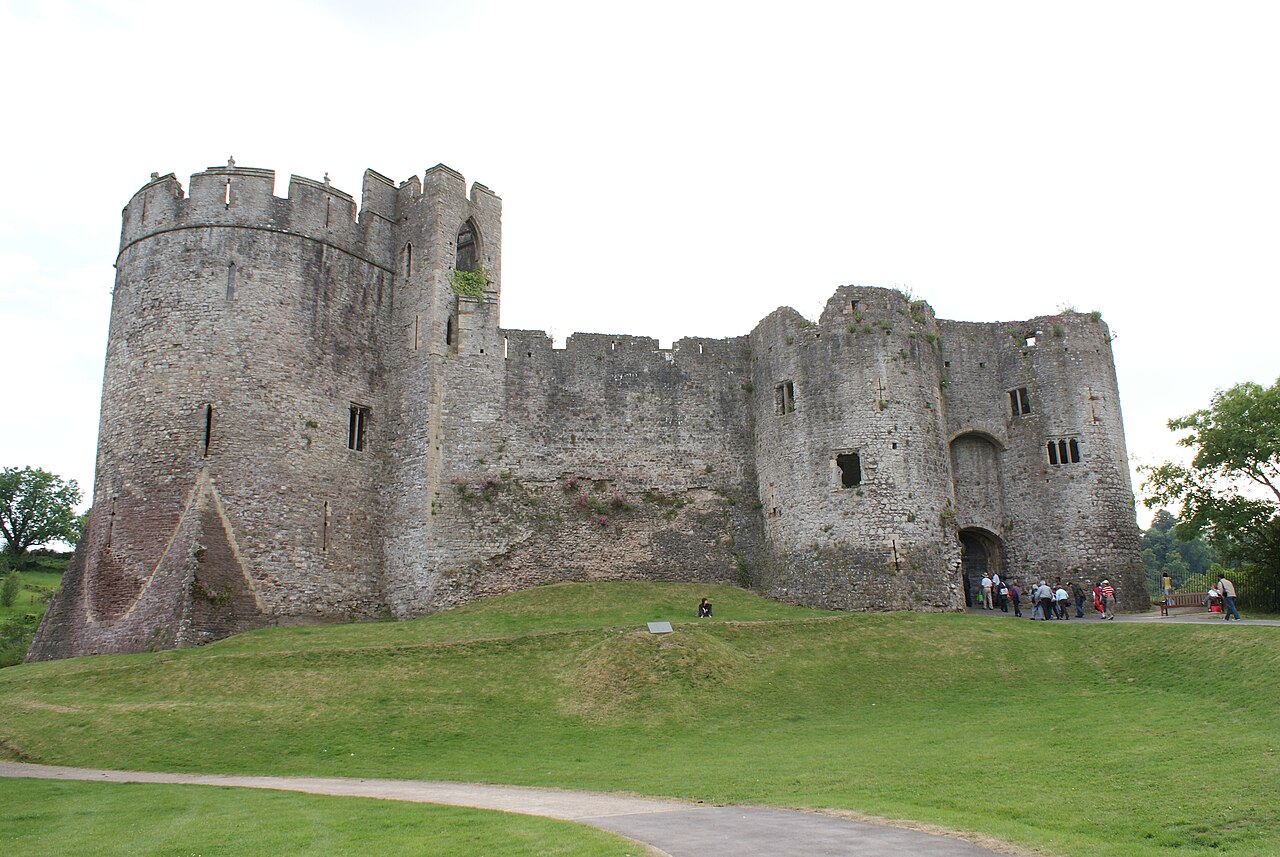
Caldicot Castle stands as a remarkable example of medieval military architecture in Monmouthshire, Wales. Situated on a site with a history of strategic importance dating back to Roman times, the castle reflects centuries of development from its Norman origins through the late medieval period. Its well-preserved stone keep, curtain walls, and gatehouse illustrate the evolution of castle-building techniques in south-east Wales.
The castle occupies a commanding position near the Bristol Channel, which historically enabled control over naval traffic and facilitated supply routes. The earliest fortifications on the site were likely a motte-and-bailey constructed by the Normans shortly after the 1086 Domesday Book recorded the land as part of the holdings of Durand of Gloucester. This initial earthwork, featuring a motte with two baileys and a deep moat, was intended to secure Norman control over the region.
Early medieval origins and norman fortifications
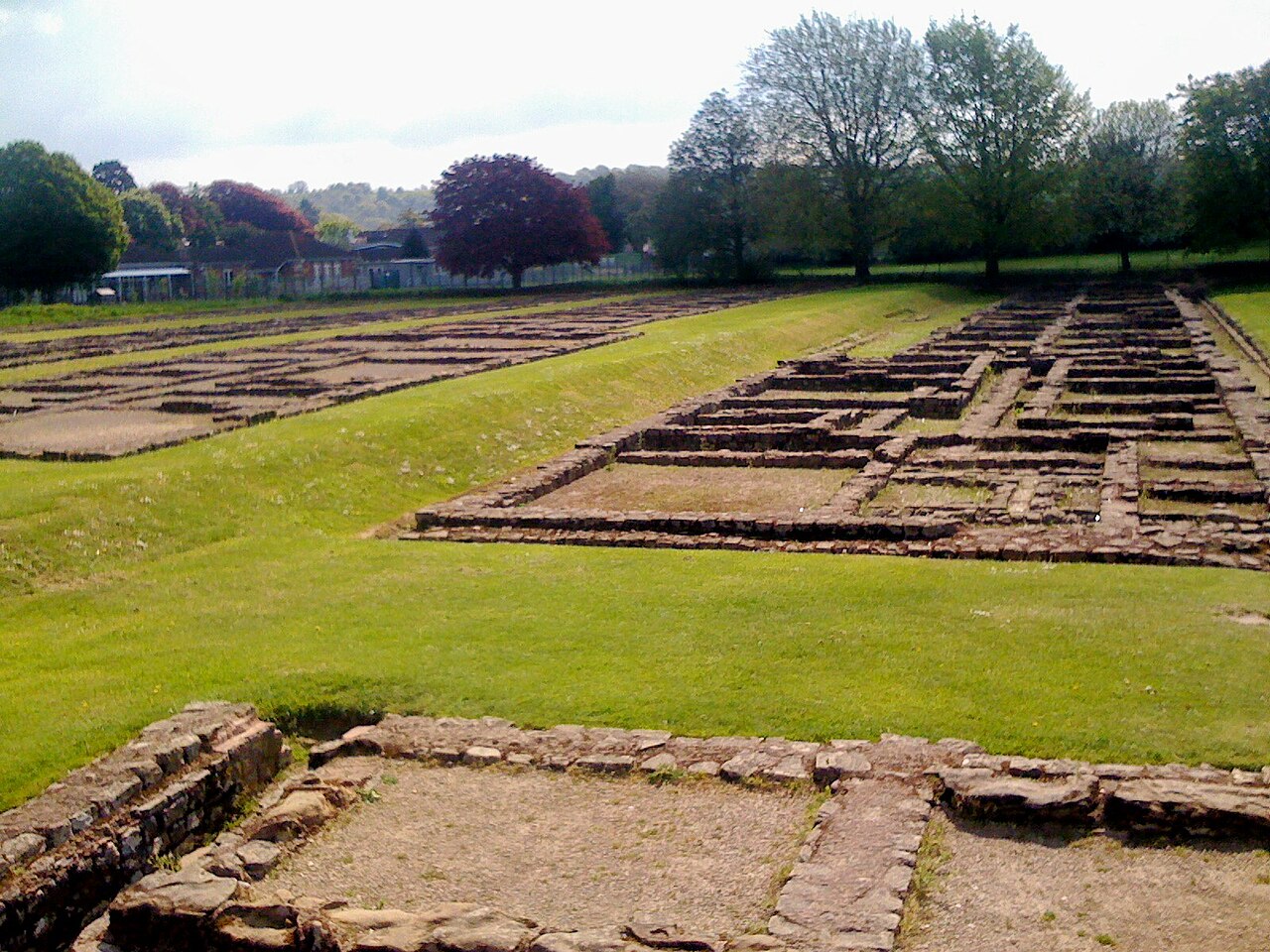
The location of Caldicot was recognized for its military and logistical advantages long before the castle's stone structures were erected. The proximity to the Roman town of Venta Silurum (Caerwent) and the Roman road Via Julia underscored the site's enduring strategic value. After the Norman conquest, the initial wooden fortifications were established to assert dominance over the local Welsh population and protect the frontier.
The stone castle and the de bohun legacy
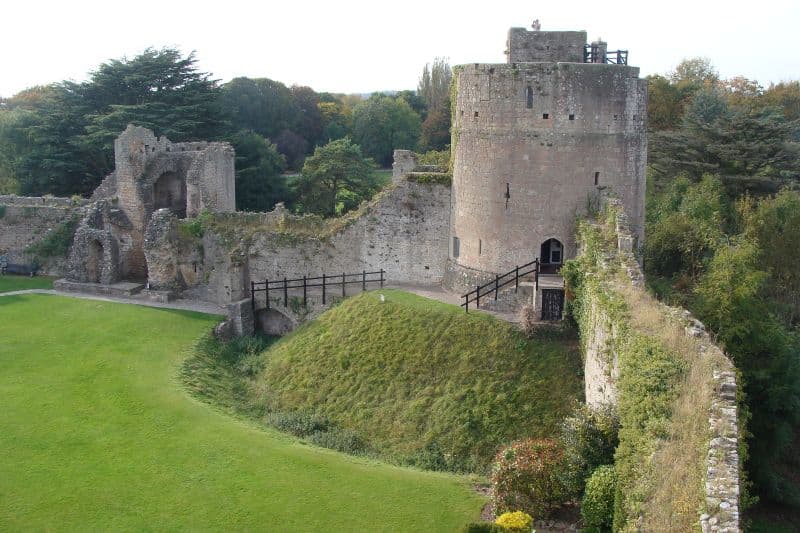
By around 1170, the castle underwent significant transformation under Humphrey III de Bohun, who replaced the wooden motte-and-bailey with a durable stone keep and curtain walls. This period marks the transition to a high medieval stone fortress, featuring walls up to nine feet thick constructed from local gritstone. The four-storey round keep was built atop the motte, incorporating sophisticated defensive and residential features such as spiral staircases, fireplaces, hooded windows with seating, and a latrine tower. The basement housed a dungeon accessible only through a trapdoor, highlighting the keep's dual role in defense and imprisonment.
The keep's external walls were finely cut and reinforced with a splayed base, and the battlements once crowned the tower, supported by wooden fighting platforms. Defensive arrow slits and a well integrated into the wall further enhanced the castle's security. Visitors today can climb the keep to enjoy panoramic views of the surrounding countryside and the castle's layout.
Curtain walls and defensive towers
Following the construction of the keep, robust curtain walls were erected, enclosing an inner courtyard. These walls were strengthened by round corner towers at the southeast and southwest, both equipped with battlements and timber hoardings. The southeast tower featured an elaborate fireplace and a two-section window, suggesting it served as a secondary residence. Narrow turrets containing latrines were added along the walls around 1400.
The postern gate and other fortifications
The Postern Gate, built in the mid-13th century, provided a discreet exit from the castle through a round tower on the western side. This gatehouse was defended with a portcullis, heavy doors, and loopholes, and included living quarters with fireplaces and latrines. Its design reflects similar developments seen at Pembroke Castle.
Late medieval enhancements under thomas of woodstock
In the late 14th century, ownership passed to Thomas of Woodstock, youngest son of King Edward III, through marriage to Eleanor de Bohun. Thomas initiated extensive building projects between 1384 and 1389, including the construction of a grand gatehouse with a drawbridge, two heavy gates, and twin rectangular towers adorned with ornate windows and carved heads. This gatehouse shifted the castle's residential focus from the keep to the gatehouse apartments, reflecting changing medieval defensive and domestic trends.
Thomas also commissioned the Woodstock Tower, a polygonal three-storey structure replacing an earlier tower, featuring a sally port for sudden sorties. Two inscribed stones bearing the names "Thomas" and "Alianore" (his wife) remain embedded at the tower's base, linking the structure directly to its patron.
Despite these enhancements, Thomas's tenure was cut short by his murder in 1397. The castle reverted to Crown ownership and later became part of the Duchy of Lancaster. Subsequent centuries saw the castle fall into neglect and partial ruin, with its use reduced to agricultural purposes.
Post-medieval decline and modern restoration
By the 16th and 17th centuries, Caldicot Castle had largely fallen into disrepair, serving primarily as a farmyard. Ownership passed through various hands, including the Herbert family and the Somersets. In the 19th century, Victorian restorations sought to preserve and adapt the castle as a residence, introducing new architectural elements while maintaining its medieval character.
In 1964, the castle was acquired by Chepstow Rural District Council, initiating a program of conservation and public access. Today, Caldicot Castle is open to visitors, featuring self-guided tours that allow exploration of its medieval fortress elements, including the keep, curtain walls, gatehouse, and towers. The castle also hosts a small museum showcasing its rich history.
Architectural features and visitor experience
Caldicot Castle's architecture exemplifies the defensive and residential priorities of medieval noble residences. The round keep with its thick walls and defensive features provided a secure stronghold, while the curtain walls and corner towers created a formidable perimeter. The gatehouse with its drawbridge and portcullis controlled access and housed living quarters, reflecting the castle's dual role as a fortress and noble residence.
Visitors can appreciate the castle's layout, including the motte, baileys, and the remains of the outer bailey, which once supported the medieval settlement of Caldicot. The castle's elevated position offers scenic views of the surrounding Monmouthshire countryside and the Bristol Channel.
Self-guided tours and educational resources
The castle provides a self-guided audio tour, enabling visitors to explore at their own pace while learning about the site's history and architecture. Interpretive signage and displays within the small museum enhance understanding of the castle's significance.
Cultural and historical significance
Caldicot Castle is a vital link to Wales's Norman and medieval past, illustrating the evolution of military architecture and noble residence design. Its association with prominent historical figures such as the de Bohun family and Thomas of Woodstock enriches its heritage value. The castle's preservation allows insight into the social, political, and military history of the region.
Frequently asked questions (FAQ)
- How do I get to Caldicot Castle?
- Caldicot Castle is located in Caldicot, Monmouthshire, Wales. It is accessible by car and public transport, with parking available nearby. The castle is well signposted from the town center.
- What are the opening hours of Caldicot Castle?
- The castle is open daily from 10:00 to 16:00. It is advisable to check ahead for any seasonal changes or special events that might affect opening times.
- Can I take a guided tour of Caldicot Castle?
- Visitors can enjoy a self-guided audio tour that provides detailed information about the castle's history and architecture. Guided tours may be available during special events or by arrangement.
- Is Caldicot Castle suitable for families?
- Yes, Caldicot Castle is family-friendly, offering engaging educational resources and safe exploration areas. Children can learn about medieval history through interactive displays and the audio tour.
- Are there facilities for visitors at Caldicot Castle?
- The castle includes a small museum, restrooms, and a gift shop. Picnic areas are available nearby, making it a pleasant day out for visitors.
- What is the historical significance of Caldicot Castle?
- Caldicot Castle is significant for its well-preserved medieval architecture and its association with the de Bohun family and Thomas of Woodstock. It reflects the military and residential evolution of Norman castles in Wales.

Information
Opening hours
10:00-16:00, daily
Ticket prices
£5 adult, £3 child
Current owner
Chepstow Rural District Council
Website
Visit websiteSources & official resources
Verify the information above using these authoritative references.
Loading map...
Visitor reviews
No reviews yet. Been here? Write the first review and help other travelers!
Write the first reviewVisited this castle? Share your experience
Your review helps other travelers and adds first-hand knowledge to our encyclopedia.