Byblos Castle
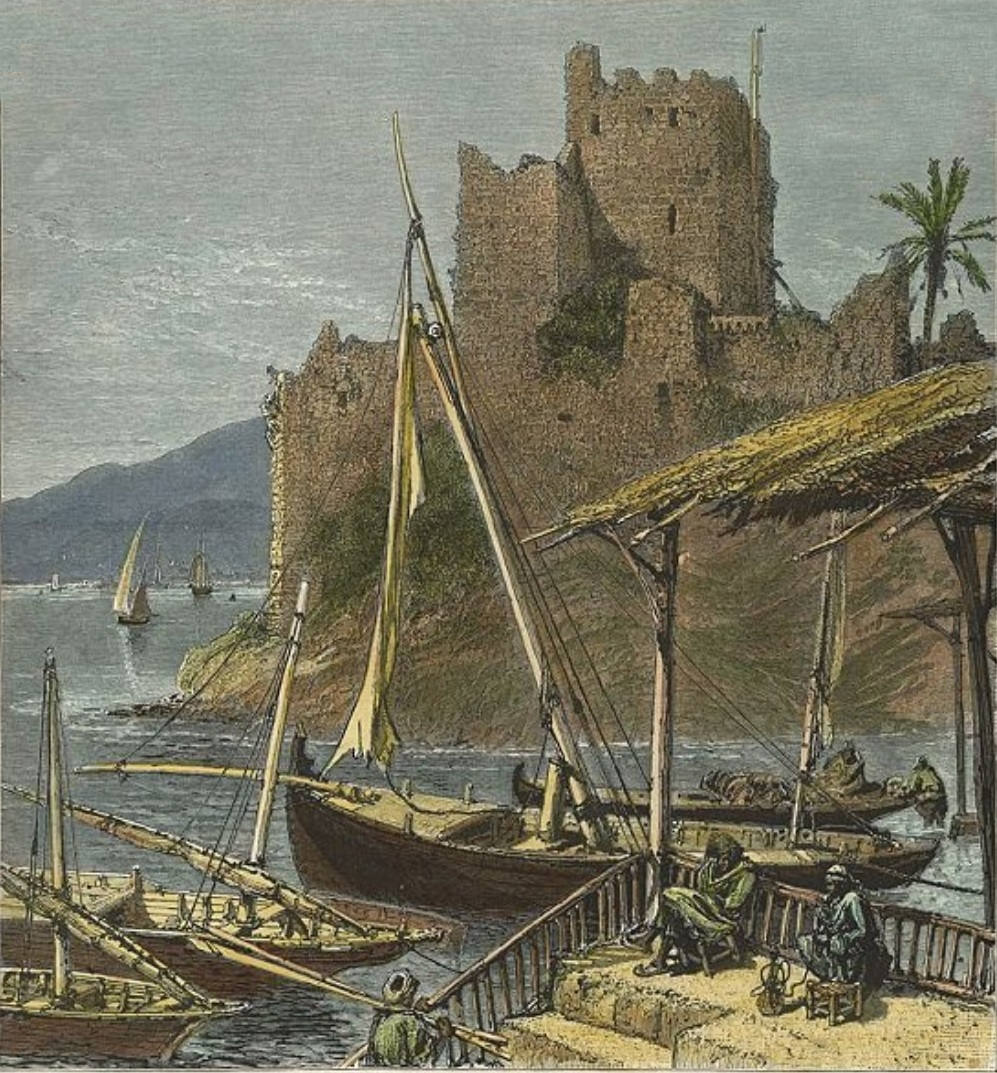
Byblos Castle, located in the ancient city of Byblos, Lebanon, stands as a remarkable example of Crusader military architecture and a testament to the region's turbulent history during the medieval period. Constructed in 1103 by the Crusaders following the conquest of the city by Raymond of Toulouse, the castle served as the central stronghold and administrative hub for the lordship of Gibelet, a fiefdom within the larger County of Tripoli. This fortress not only played a strategic military role but also functioned as the seat of a Latin bishopric established in 1138, highlighting its dual military and ecclesiastical importance.
Historical significance and ownership
The castle's history is deeply intertwined with the fortunes of the Genoese Embriaco family, who held hereditary control over the lordship throughout much of the 12th and 13th centuries. Their rule was marked by periods of conflict, rebellion, and shifting allegiances. In 1188, the castle suffered damage when the renowned Muslim leader Saladin captured Byblos, but Crusader forces reclaimed and restored the fortress by 1197. The mid-13th century brought internal strife when Henry I Embriaco rebelled against the Count of Tripoli, declaring independence with support from Genoa. The castle changed hands again in 1282 when Bohemond IV of Tripoli seized it, executing members of the Embriaco family, though their heir, Peter I, later reclaimed the lordship.
The late 13th century saw the rise of the Mamluks, who conquered nearby cities in 1289. Peter I submitted to Sultan Qalawun and agreed to pay tribute, maintaining control until the Embriaco family relinquished the lordship around 1302. The castle endured further military challenges, including an attack by a fleet from Famagusta in 1369. Ottoman rule began in the region in 1516 and lasted until British control during World War I, marking significant shifts in political power over the centuries.
Architectural features and construction
Layout and defensive structures
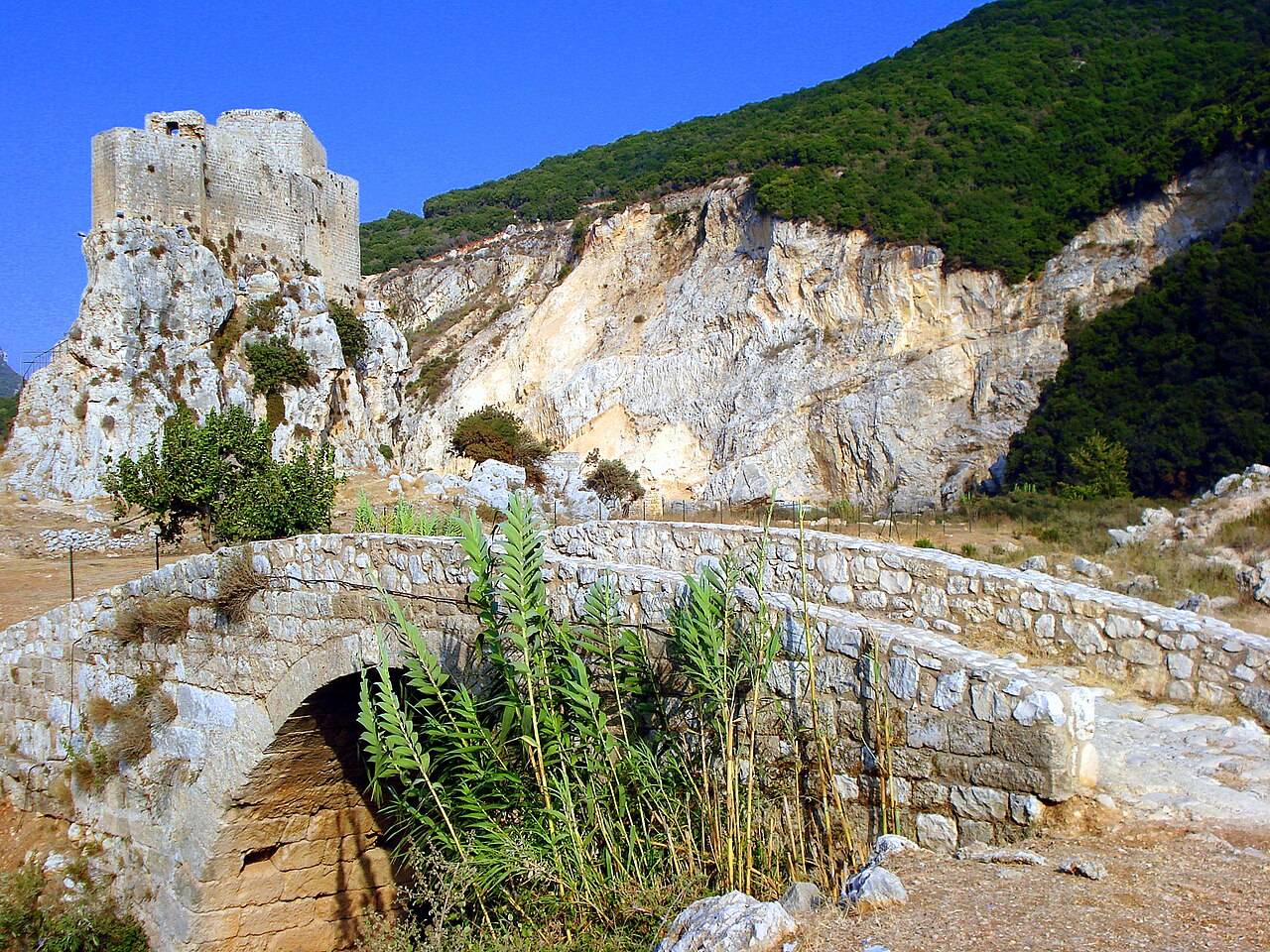
Byblos Castle exhibits a rectangular layout typical of medieval fortifications, blending elements of a castrum (Roman-style fortified camp) and a turris (tower fortress). The centerpiece is a massive keep (donjon) measuring approximately 17.6 by 21.3 meters, featuring two vaulted floors. The lower floor served as living quarters and was designed for defense, accessible only by ladder, emphasizing security. The thick limestone walls and vaulted ceilings contribute to the structure's durability and defensive capabilities.
Materials and reused elements
The castle was primarily constructed using local limestone, but notably incorporates stones and columns repurposed from ancient ruins nearby. These include remnants from Roman and Phoenician temples, such as those dedicated to Baalat Gebal and the temple of obelisks, reflecting the site's long history of occupation and cultural layering. This reuse of materials not only provided practical building resources but also symbolized continuity with the region's ancient past.
Curtain walls and defensive towers
Surrounding the keep is a rectangular curtain wall enclosing a courtyard. This outer wall is reinforced at each corner by rectangular defensive towers, some dating to the Crusader period when enhancements were made to strengthen the castle's defenses. The walls near the main entrance feature narrow openings known as arrow slits, allowing defenders to launch arrows while remaining protected. A water-filled moat encircles the castle, adding an additional layer of defense against attackers.
Archaeological significance and preservation
Byblos Castle is more than a medieval fortress; it is a site rich with archaeological layers spanning millennia. Excavations in the 20th century uncovered evidence of Egyptian, Phoenician, and Bronze Age settlements beneath and around the castle, underscoring Byblos as one of the oldest continuously inhabited cities in the world. These findings provide invaluable insights into the region's ancient civilizations and their influence on later periods.
Today, the castle is maintained as a historical site and houses the Byblos city museum, where many artifacts from the site are displayed. These exhibits highlight the extensive human occupation and fortification history, from prehistoric times through the medieval era. Some of the most significant finds are also exhibited in Lebanon’s National Museum in Beirut, emphasizing the castle's cultural and heritage importance.
Visiting Byblos Castle
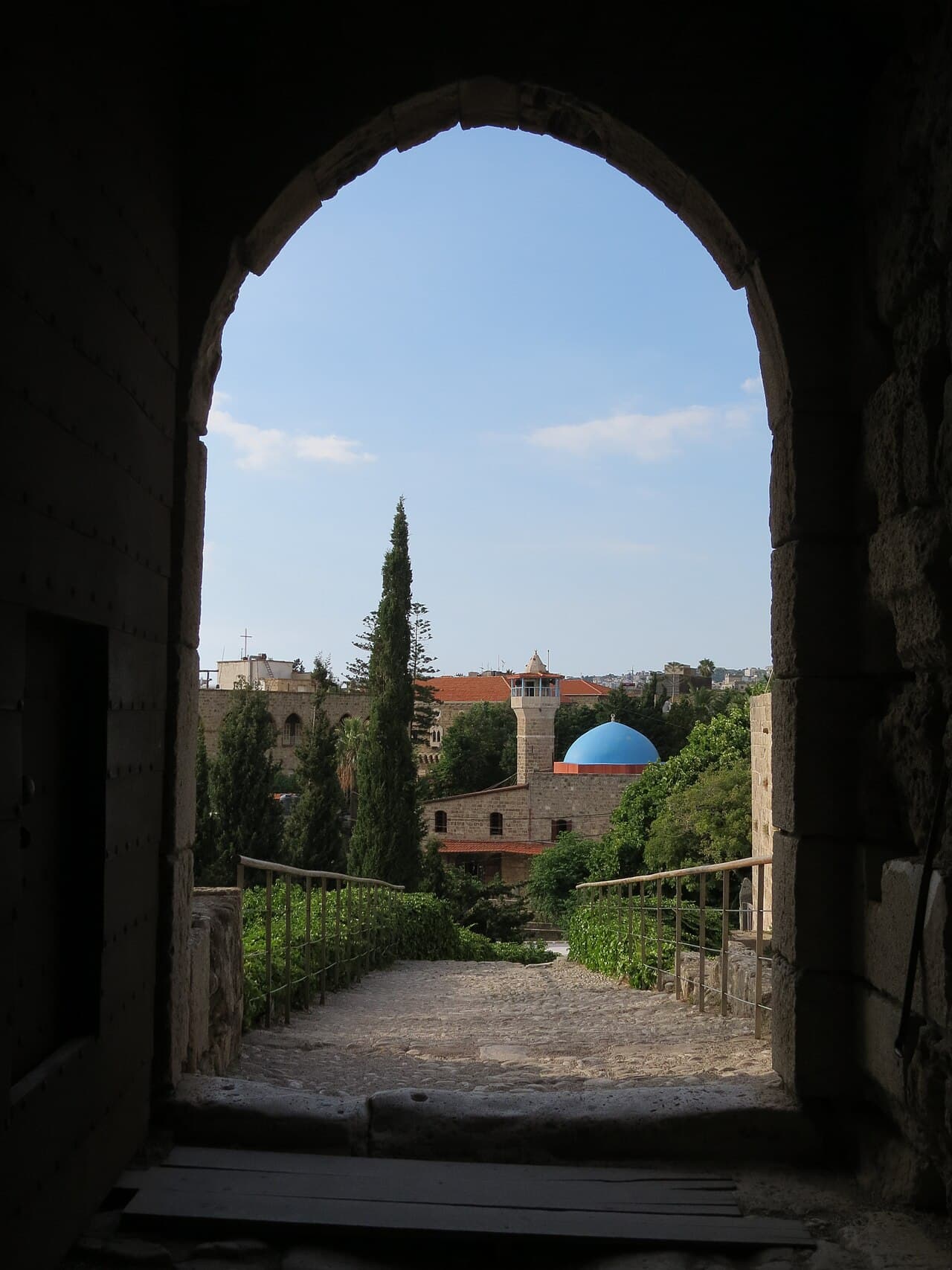
Visitors to Byblos Castle can explore the well-preserved medieval walls, towers, and keep, gaining a tangible sense of the castle's defensive role and architectural sophistication. The site offers panoramic views of the ancient city and the Mediterranean coast, enriching the visitor experience with both historical context and scenic beauty. The museum within the castle grounds provides educational displays that deepen understanding of the castle's multifaceted history.
Byblos Castle remains a prominent landmark in Lebanon, symbolizing the enduring legacy of Crusader architecture and the complex history of the Eastern Mediterranean region. Its preservation and continued archaeological study contribute significantly to our knowledge of medieval fortifications and the cultural heritage of Byblos.
Frequently asked questions (FAQ)
- What is the historical significance of Byblos Castle?
- Byblos Castle, dating back to the Crusader period, is one of the oldest and most important historical sites in Lebanon. It played a vital role in the defense of the ancient city of Byblos, which is among the oldest continuously inhabited cities in the world, reflecting a rich tapestry of diverse cultures and civilizations.
- When was Byblos Castle built?
- Construction of Byblos Castle began in the 12th century during the Crusades. The castle has undergone numerous renovations and expansions over the centuries, showcasing the architectural evolution from the medieval period to the Ottoman era.
- What are the opening hours for Byblos Castle?
- Byblos Castle is generally open to visitors from 9:00 AM to 5:00 PM daily, but hours may vary during holidays or special events. It is advisable to check the official website or contact local tourism offices for the most current information before your visit.
- Can I buy tickets in advance for Byblos Castle?
- Yes, tickets for Byblos Castle can be purchased on-site, but it is recommended to arrive early, especially during peak tourist seasons. Some tour operators may also offer packages that include entry to the castle along with guided tours of the surrounding area.
- Is Byblos Castle accessible for visitors with disabilities?
- While efforts have been made to improve accessibility, certain areas of Byblos Castle may pose challenges for visitors with mobility issues due to uneven terrain and stone steps. It is advisable to check with the site administration for available accommodations prior to your visit.
- What is the best time to visit Byblos Castle?
- The best time to visit Byblos Castle is during the spring (March to June) and fall (September to November) when the weather is mild and pleasant. These seasons also feature fewer crowds, allowing for a more enjoyable exploration of the castle and its surroundings.
- Are there nearby attractions to visit along with Byblos Castle?
- Yes, Byblos offers a variety of nearby attractions, including the ancient port, the Byblos Wax Museum, and the historic souks. Additionally, the beautiful beaches and scenic views of the Mediterranean make this area a perfect destination for a full day of exploration.
- What are the ticket prices for Byblos Castle?
- Ticket prices for Byblos Castle are typically around 6,000 Lebanese Lira for adults, with discounts available for students and children. Be sure to check for any updated pricing or special offers on the official website before your visit.

Information
Loading map...
Visitor reviews
No reviews yet. Been here? Write the first review and help other travelers!
Write the first reviewVisited this castle? Share your experience
Your review helps other travelers and adds first-hand knowledge to our encyclopedia.