Beirut Castle
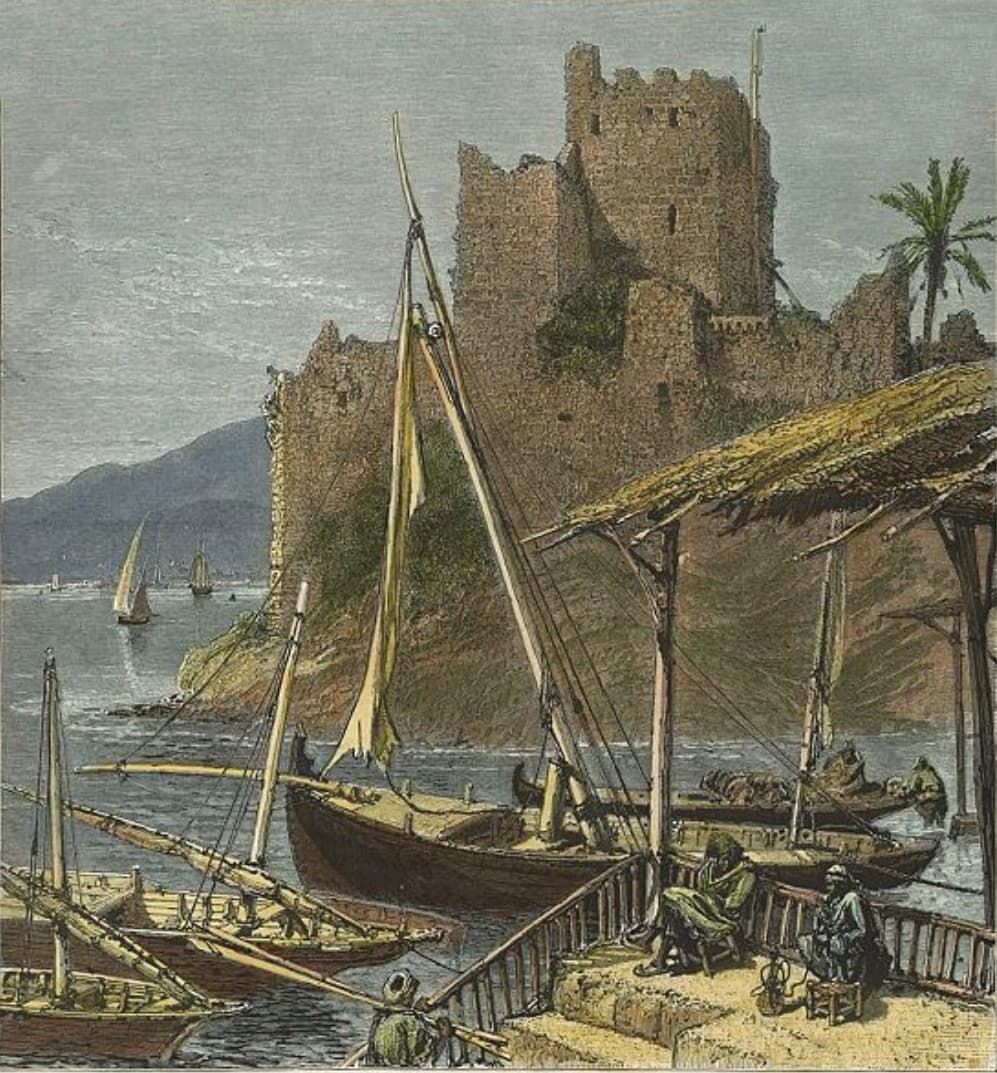
Beirut Castle, also known historically as the Castle of Saint Louis, was a significant Crusader fortress situated in what is now downtown Beirut, Lebanon. Constructed primarily during the 12th century amid the High Medieval period, it served as a strategic military stronghold for the Crusaders in the Levant. The castle's location on a hill overlooking the Mediterranean coastline allowed it to control key maritime and land routes, playing a crucial role in the defense and administration of the Crusader states.
Historical context and strategic importance
The castle was built during the height of the Crusades, a series of religious and military campaigns initiated by European powers to secure control over the Holy Land. Beirut, as a coastal city, was vital for maintaining supply lines and communication between the Crusader states and Europe. The fortress was part of a network of castles and fortified cities established by the Crusaders to consolidate their presence in the region.
Beirut Castle was notably associated with the reign of King Louis IX of France, also known as Saint Louis, who led the Seventh Crusade. The castle was sometimes referred to as the Castle of Saint Louis in his honor, reflecting its importance during his campaigns. The fortress was a symbol of Crusader authority and a base for military operations in the eastern Mediterranean.
Architectural features and layout
The castle was classified as a hill castle, built on elevated terrain to maximize defensive capabilities. Its design included thick stone walls, towers, and that provided vantage points for archers and lookouts. The fortress likely featured a keep or donjon as a central stronghold within the complex, serving as the last line of defense and residence for the lord or commander.
Typical Crusader military architecture of the period included moats or ditches, gatehouses with portcullises, and courtyards that housed barracks, storerooms, and chapels. While detailed archaeological records of Beirut Castle are limited due to its demolition, historical accounts suggest it followed these common Crusader design principles.
Demolition and legacy
In the late 19th century, Beirut Castle was demolished to allow for the expansion of the Port of Beirut, reflecting the city's transformation into a modern commercial hub. The demolition erased much of the physical evidence of the castle, leaving only historical documents and limited archaeological traces to inform its story.
Despite its destruction, Beirut Castle remains an important part of Lebanon's medieval heritage and Crusader history. Its strategic location and role in the Crusades highlight the complex interactions between European and Middle Eastern powers during the medieval period. The castle's legacy continues to be studied by historians and archaeologists interested in Crusader fortifications and the medieval history of the Levant.
Archaeological significance and research
Archaeological investigations in downtown Beirut have occasionally uncovered remnants related to the castle and its surrounding fortifications. These findings contribute to understanding the urban development of Beirut from the medieval period through the modern era. Researchers use these fragments to reconstruct aspects of the castle's structure and its role within the city's defensive network.
Ongoing studies emphasize the importance of preserving Beirut's historical layers despite urban expansion. The castle's site, now heavily built over, poses challenges for archaeological exploration, but it remains a focal point for heritage conservation efforts in Lebanon.
Frequently asked questions (FAQ)
- What is the historical significance of Beirut Castle?
- Beirut Castle was a key Crusader fortress built in the 12th century to control maritime and land routes in the Levant. It played a vital role during the Crusades and was associated with King Louis IX of France.
- Can I visit Beirut Castle today?
- Beirut Castle was demolished in the late 19th century during the expansion of the Port of Beirut. Today, there are no visible remains accessible to visitors, but archaeological studies continue to explore its site.
- Where was Beirut Castle located?
- The castle was located in downtown Beirut, Lebanon, on a hill overlooking the Mediterranean Sea, strategically positioned to defend the city and port.
- Why was Beirut Castle demolished?
- The castle was demolished in the late 19th century to make way for the expansion of the Port of Beirut, reflecting the city's modernization and growth as a commercial center.
- What architectural features did Beirut Castle have?
- Beirut Castle was a hill castle featuring thick stone walls, towers, battlements, a keep or donjon, moats, gatehouses, and courtyards typical of Crusader military architecture.
Photo gallery

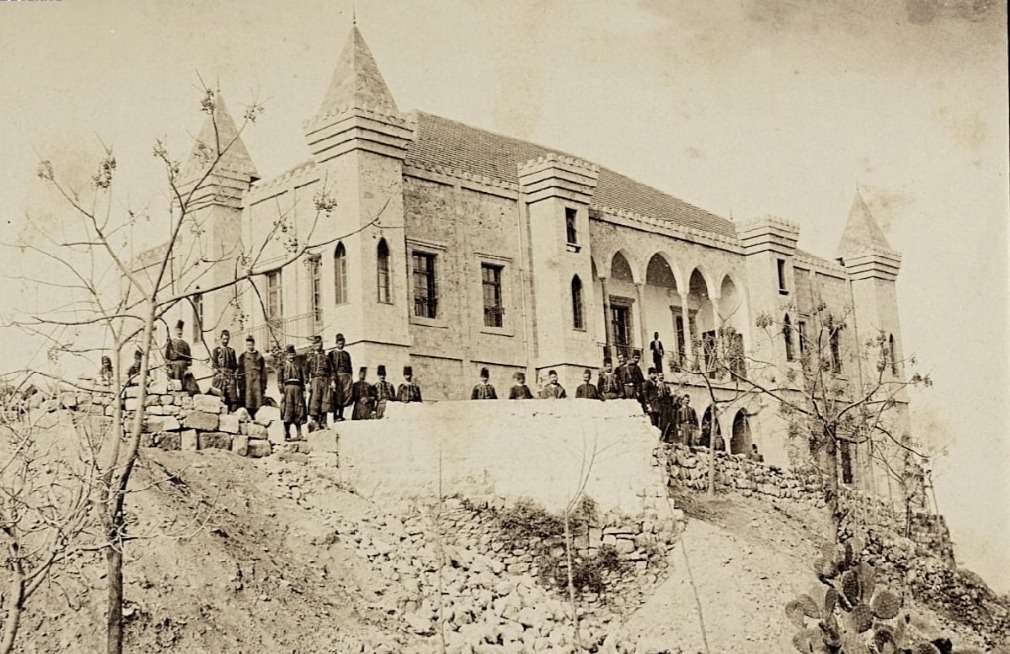
Photo by Scan by NYPL•Public domain
Information
Loading map...
Visitor reviews
No reviews yet. Been here? Write the first review and help other travelers!
Write the first reviewVisited this castle? Share your experience
Your review helps other travelers and adds first-hand knowledge to our encyclopedia.