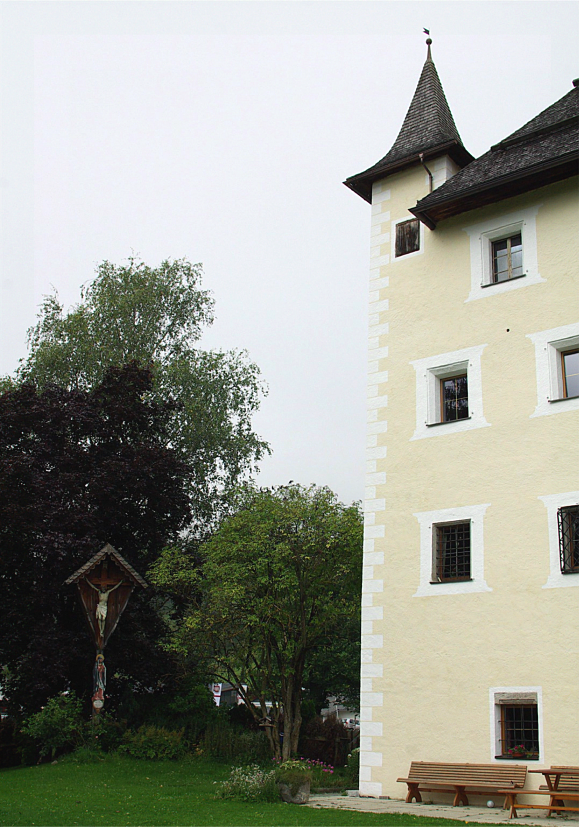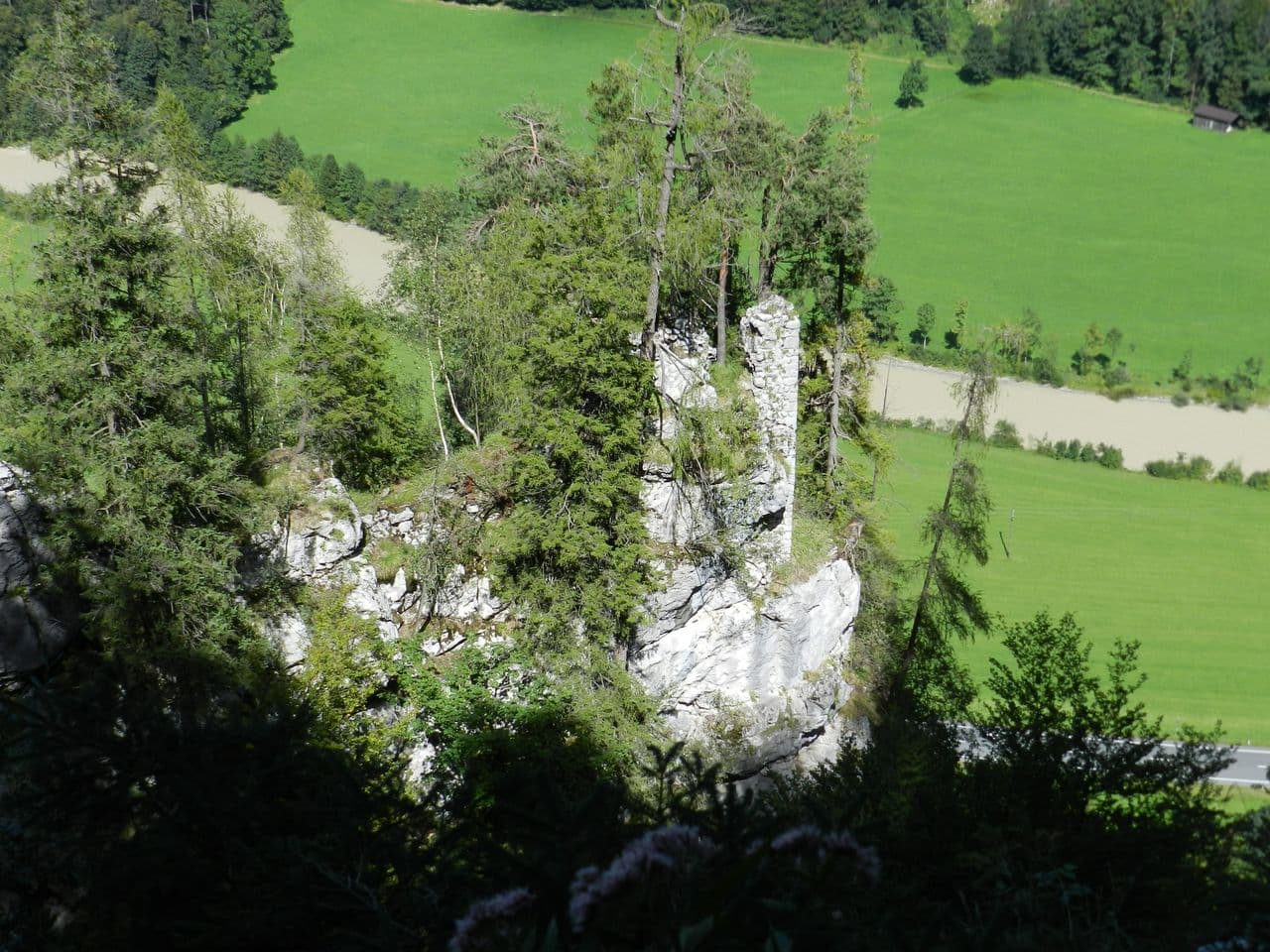
Burgruine Saalegg, also known as Saalegg Castle, is a notable medieval ruin situated in the state of Salzburg, Austria. This site represents the remnants of a once strategically important fortress that played a role in the regional defense and control during the High to Late Medieval periods. While much of the castle has succumbed to ruin, the remaining structures provide valuable insight into medieval fortification techniques and the historical landscape of Salzburg.
Historical background and significance
The origins of Burgruine Saalegg likely date back to the 13th or 14th century, a time when many castles were constructed across Austria to assert territorial dominance and protect trade routes. The castle's location in Salzburg was strategic, overseeing important valleys and routes that connected various parts of the region. Although detailed records about the castle's founders and specific historical events are scarce, its ruins attest to its role as a defensive stronghold during a period marked by frequent regional conflicts and feudal disputes.
Architectural features and layout
As a hill castle, Burgruine Saalegg was built on elevated terrain to maximize defensive advantages. The castle's remains include portions of its defensive walls and foundations, which hint at a compact layout typical of medieval fortresses designed for both defense and habitation. The surviving masonry suggests the use of local stone materials and construction techniques consistent with medieval Austrian castles.
Defensive structures
The castle featured a curtain wall surrounding the main enclosure, which would have been equipped with battlements and possibly towers at key points for surveillance and defense. The elevated position provided natural protection, supplemented by man-made fortifications. Although no intact towers remain, the foundations indicate their former presence.
Residential and functional areas
Within the castle's walls, there would have been essential buildings such as a keep or donjon, living quarters, storage rooms, and perhaps a chapel. The exact layout is difficult to reconstruct fully due to the ruinous condition, but archaeological studies have uncovered foundation outlines consistent with these typical castle components.
Preservation and current condition
Today, Burgruine Saalegg stands as ruins, with much of the original structure lost to time and natural decay. The site is classified as an archaeological site, reflecting its importance for historical and architectural research rather than as a tourist attraction with extensive restoration. Visitors can explore the remains, which offer a tangible connection to the medieval past and the castle's role in Salzburg's history.
Visiting information and cultural context
While the site is accessible to the public, facilities are minimal, and visitors should be prepared for a walk over uneven terrain. The castle ruins are often appreciated by enthusiasts of medieval architecture and history, as well as hikers exploring the scenic Salzburg region. The surrounding landscape provides a picturesque backdrop, enhancing the experience of visiting this historic site.
Nearby attractions
Visitors to Burgruine Saalegg can also explore other historical sites and natural landmarks in Salzburg, including nearby castles, churches, and hiking trails that showcase the region's rich cultural heritage.
Frequently asked questions (FAQ)
- How do I get to Burgruine Saalegg?
- Burgruine Saalegg is located in Austria and can be accessed by car or public transport. The nearest towns are easily reachable, and from there, it's a short hike to the castle ruins, offering a picturesque view of the surrounding landscape.
- What is the historical significance of Burgruine Saalegg?
- Burgruine Saalegg dates back to the 12th century and has played a crucial role in the region's history. It served as a defensive stronghold and is a testament to medieval architecture and feudal society in Austria.
- When was Burgruine Saalegg built?
- The construction of Burgruine Saalegg is believed to have started in the early 1100s. Over the centuries, it underwent various modifications, reflecting the architectural styles of different periods.
- Can I visit Burgruine Saalegg year-round?
- Yes, Burgruine Saalegg is accessible to visitors throughout the year. However, the best time to visit is during the spring and fall when the weather is mild, and the surrounding nature is at its most beautiful.
- Why is Burgruine Saalegg a popular tourist attraction?
- Burgruine Saalegg is popular due to its historical significance, stunning views, and well-preserved ruins. It offers visitors a glimpse into Austria's medieval past, making it an excellent destination for history enthusiasts and nature lovers alike.
- Is it possible to take guided tours of Burgruine Saalegg?
- Yes, guided tours are available at Burgruine Saalegg, providing in-depth knowledge about the castle's history and architecture. These tours enhance the visitor experience, allowing you to learn more about the significance of the site.
- What are the opening hours for Burgruine Saalegg?
- Burgruine Saalegg is typically open to visitors from dawn until dusk. It's advisable to check the specific opening hours before your visit, as they may vary seasonally.
- Are there any ticket prices for visiting Burgruine Saalegg?
- Visiting Burgruine Saalegg is generally free of charge, making it an accessible attraction for everyone. However, guided tours may have associated fees, so it's best to inquire beforehand.
- What nearby attractions can I explore while visiting Burgruine Saalegg?
- Nearby attractions include the charming village of Saalbach and several hiking trails that showcase the stunning alpine scenery. Visitors can also explore local eateries and cultural sites that enrich their experience of the region.
Photo gallery

Information
Loading map...
Visitor reviews
No reviews yet. Been here? Write the first review and help other travelers!
Write the first reviewVisited this castle? Share your experience
Your review helps other travelers and adds first-hand knowledge to our encyclopedia.