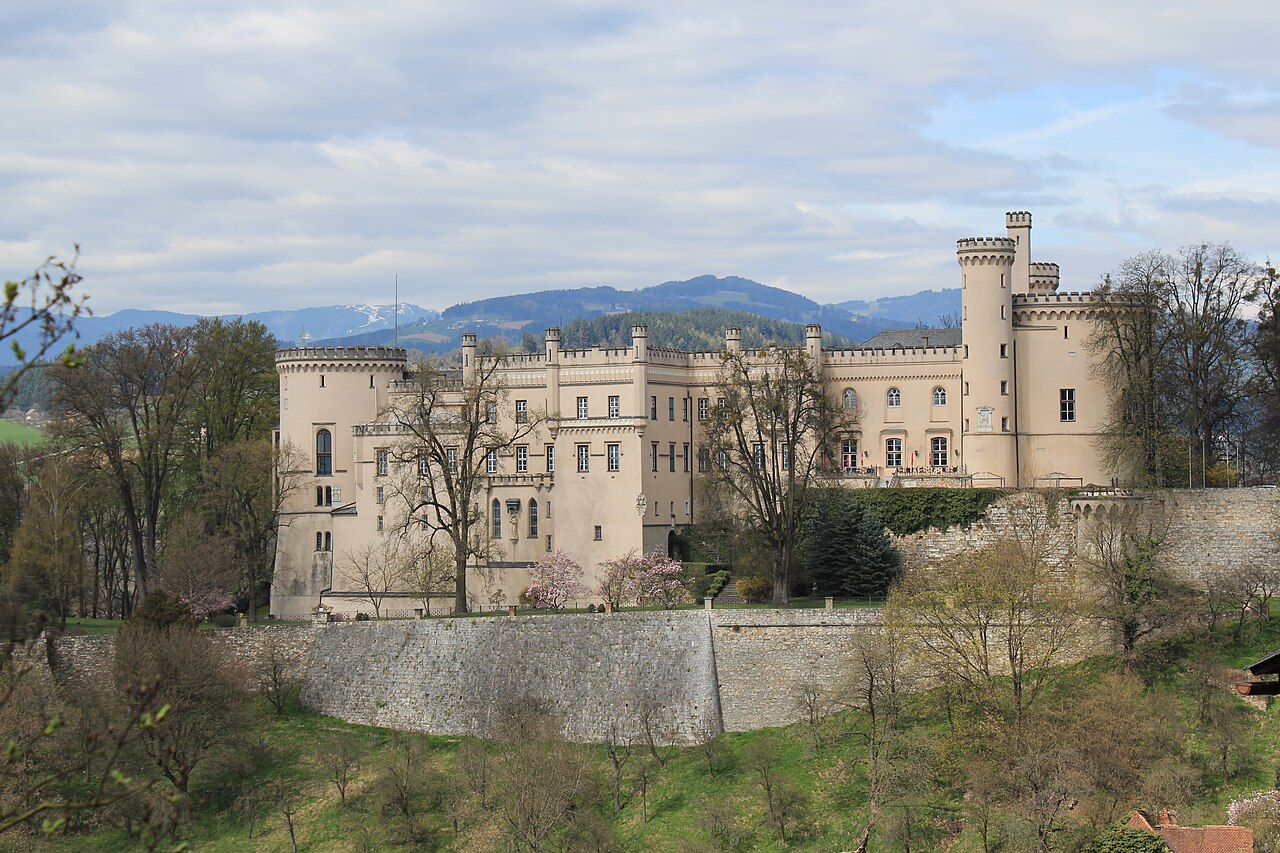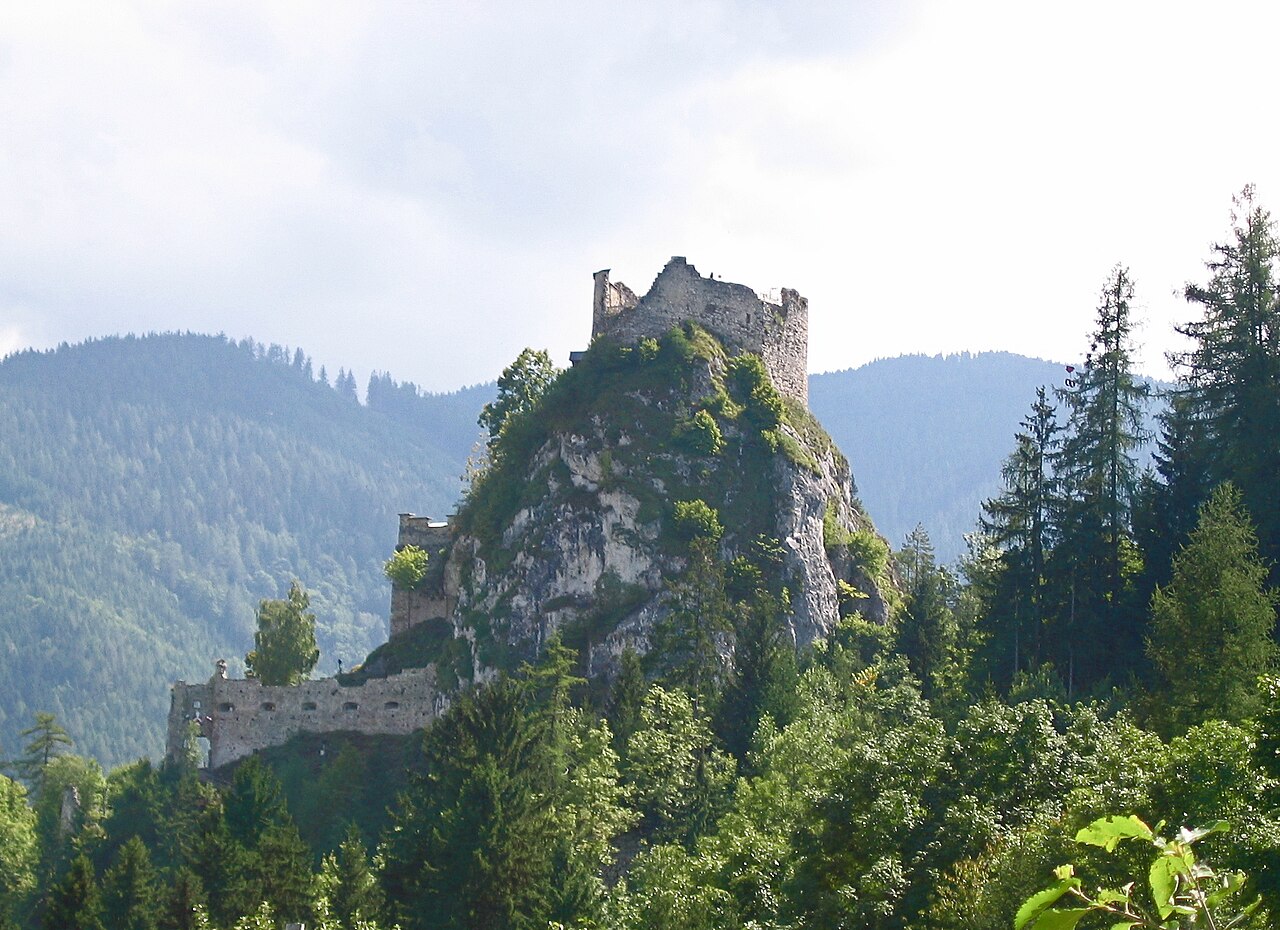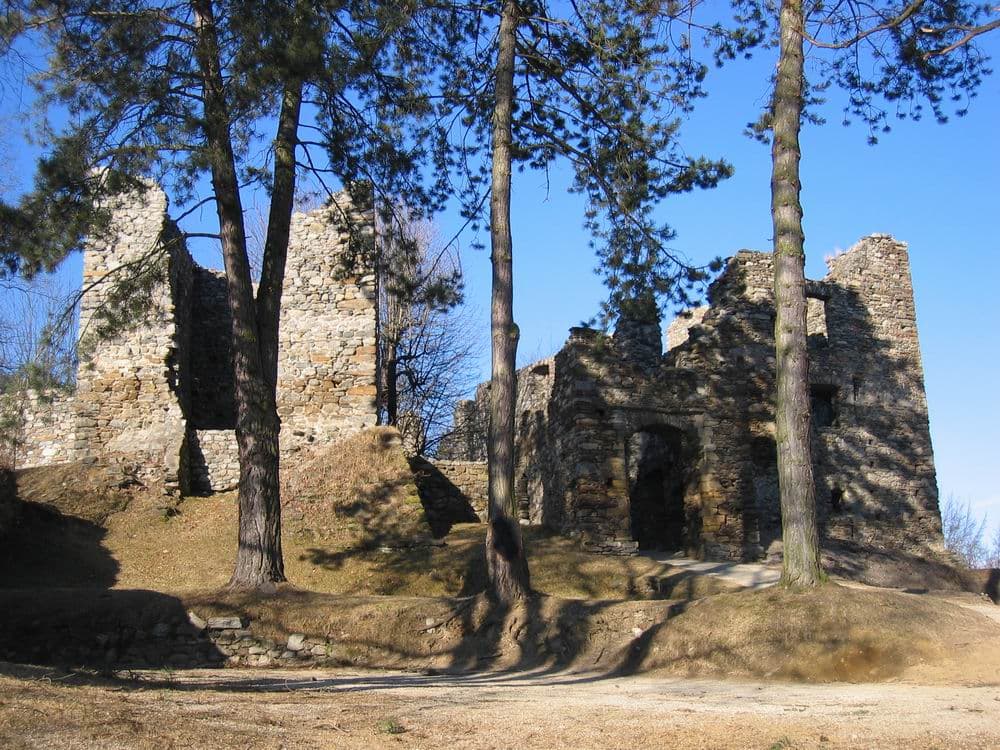
Burgruine Gomarn
Burgruine Gomarn is a medieval castle ruin situated in the region of Carinthia, Austria. This site represents the remains of a once strategically important fortress that played a role in the local defense and territorial control during the High Medieval period. Though now in a state of ruins, it offers valuable insights into medieval fortification techniques and the historical landscape of Carinthia.
Historical context and significance
The castle's origins likely date back to the 12th or 13th century, a time when many fortifications were constructed across the region to secure trade routes and assert noble power. While specific historical records about Burgruine Gomarn are limited, its location in Carinthia suggests it was part of a network of castles protecting the Duchy of Carinthia's borders and important communication lines.
Carinthia, historically a duchy within the Holy Roman Empire, was a contested area due to its strategic position in the Eastern Alps. Castles like Gomarn served as military strongholds, administrative centers, and symbols of feudal authority. Over time, changes in political power and military technology likely led to its decline and eventual abandonment.
Architectural features and layout
As a hill castle typical of the medieval period, Burgruine Gomarn was constructed on elevated terrain to maximize defensive advantages. The ruins indicate the presence of a fortified keep or donjon, surrounded by defensive walls that would have included battlements and possibly a moat or ditch, common features for fortifications of this era.
The remaining stonework suggests robust construction using local materials, with thick walls designed to withstand siege tactics of the time. The castle's layout likely included a central courtyard, living quarters, storage rooms, and defensive towers positioned to cover all approaches.
Defensive elements
The castle's elevated position provided natural defense, supplemented by man-made fortifications. Arrow slits and narrow windows would have allowed defenders to repel attackers while minimizing exposure. The entrance was probably protected by a gatehouse and possibly a drawbridge, enhancing security against invaders.
Preservation and current condition
Today, Burgruine Gomarn stands as an archaeological ruin, with significant portions of its walls and structural elements collapsed or eroded over centuries. The site has not undergone extensive restoration, preserving its authentic ruined state which offers valuable opportunities for archaeological study and historical interpretation.
Visitors to the site can observe the remnants of the castle's defensive structures and appreciate the strategic location that once made it a formidable stronghold. The ruin's condition reflects the passage of time and changing military needs that rendered many such castles obsolete.
Visiting Burgruine Gomarn
While the castle is not fully restored or developed as a major tourist attraction, it remains accessible to visitors interested in medieval history and castle architecture. The site provides a quiet, contemplative environment for exploring the remains and understanding the region's feudal past.
Visitors should be prepared for uneven terrain and limited facilities, as the castle is primarily an archaeological site rather than a fully maintained heritage site. It is advisable to wear appropriate footwear and check local access conditions before visiting.
Nearby attractions
The Carinthia region offers numerous other historical sites, natural parks, and cultural landmarks. Exploring nearby towns and castles can enrich the understanding of the area's medieval heritage and scenic Alpine environment.
Architectural and historical importance
Burgruine Gomarn exemplifies the typical medieval hill castle that served both defensive and administrative functions in the Alpine region. Its remains contribute to the broader understanding of castle construction techniques, feudal society, and regional history during the Middle Ages.
Frequently asked questions (FAQ)
- How do I get to Burgruine Gomarn?
- Burgruine Gomarn is located in Carinthia, Austria. Visitors typically reach the site by car or local transport to the nearest town, followed by a hike to the hilltop ruins. It is recommended to check local maps and guides for the best route.
- What should I expect when visiting the ruins?
- Visitors can expect to see the remains of medieval defensive walls, foundations, and some structural elements of the castle. The terrain is uneven and the site is largely unrestored, so appropriate footwear and caution are advised.
- When was Burgruine Gomarn built?
- Burgruine Gomarn was likely constructed in the 12th or 13th century during the High Medieval period, a time of extensive castle-building in Carinthia.
- Is there an entrance fee to visit Burgruine Gomarn?
- There is typically no entrance fee to visit Burgruine Gomarn, as it is an archaeological ruin open to the public. However, visitors should verify current conditions locally.
- Can I visit Burgruine Gomarn year-round?
- The site is generally accessible year-round, but weather conditions in the Alpine region can affect access. Spring to early autumn is the best time for visiting due to milder weather and safer terrain.
Photo gallery

Information
Loading map...
Visitor reviews
No reviews yet. Been here? Write the first review and help other travelers!
Write the first reviewVisited this castle? Share your experience
Your review helps other travelers and adds first-hand knowledge to our encyclopedia.