Burgos Museum
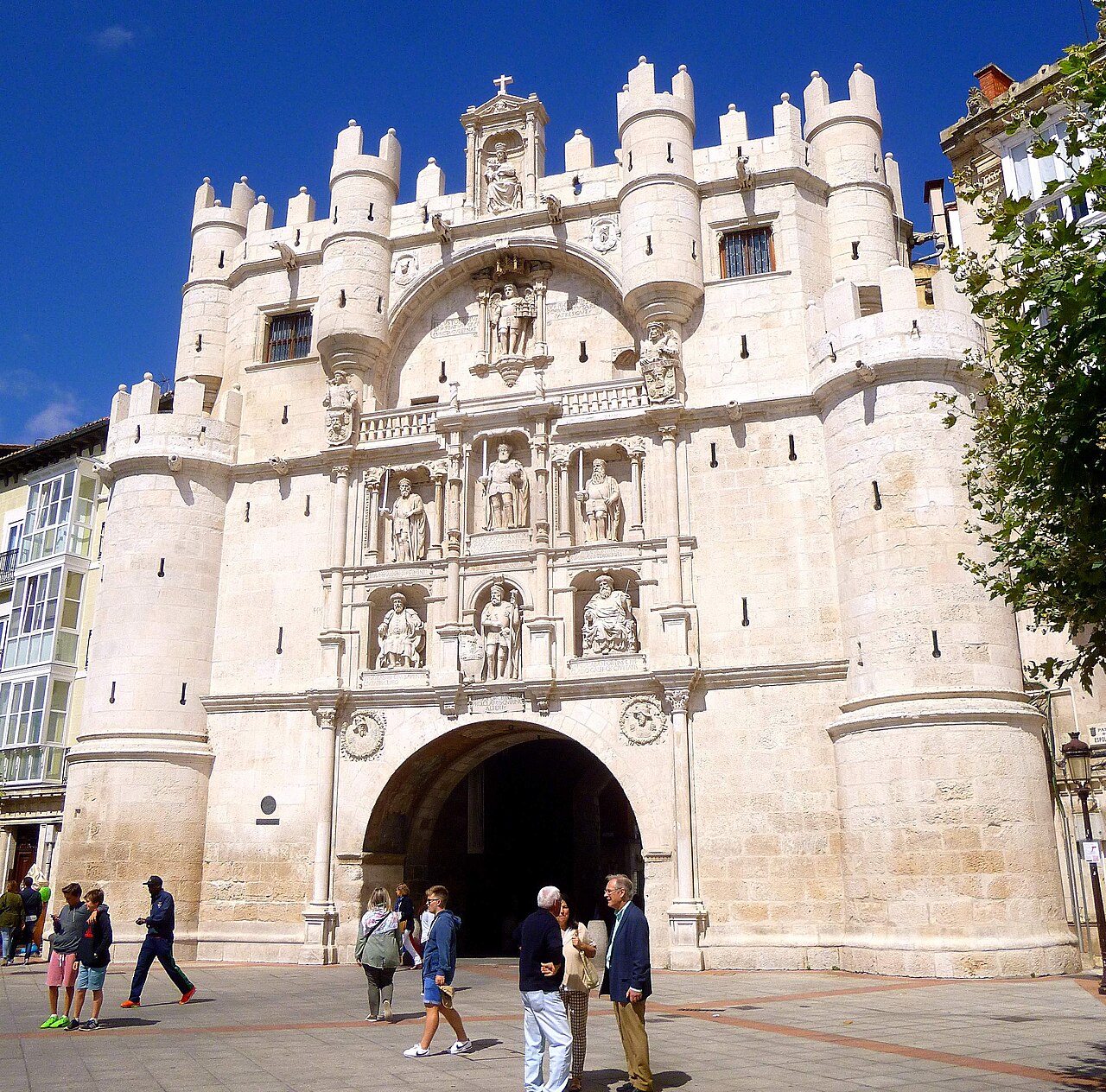
Burgos Museum is a prominent cultural institution located in the historic city of Burgos, Spain, within the autonomous community of Castile-León. Established in the mid-19th century, the museum offers visitors a comprehensive journey through the region's historical and cultural evolution. It is housed primarily in two significant Renaissance buildings: the Casa de Miranda and the Casa de Angulo, each hosting distinct collections that highlight different aspects of Burgos’ rich heritage.
Architectural setting and historical background
The Casa de Miranda is a Renaissance palace that provides an atmospheric setting for the museum's prehistory and archaeology sections. This building itself is an important example of Renaissance architecture in Burgos, featuring characteristic stone façades and ornamental details typical of the 16th century. The museum was founded in 1846, a period marked by growing interest in preserving Spain's cultural patrimony and archaeological heritage.
Archaeological collections and regional significance
The archaeological exhibits at Burgos Museum include a wide range of artifacts from significant prehistoric and historical sites in the province. Among the most notable are items from the Atapuerca caves, a UNESCO World Heritage site renowned for its early human fossils and evidence of prehistoric life dating back over a million years. The museum also displays objects from the Ojo Guareña cave system, one of the largest karst complexes in Spain, which has provided important archaeological and paleontological finds.
Additional collections include artifacts from the Iron Age necropolises at Miraveche, Ubierna, and Villanueva de Teba, illustrating the region's ancient funerary practices and societal structures. The museum also houses Roman relics from the nearby ancient city of Clunia, which was a significant Roman settlement and administrative center in Hispania.
Fine arts section in casa de angulo
The Casa de Angulo hosts the museum's fine arts collection, which spans several centuries and artistic styles. This section includes works from the Mozarabic period through to contemporary times, reflecting the diverse cultural influences that have shaped the region. Among the highlights are the Romanesque frontal from the church of Santo Domingo de Silos, an exquisite example of medieval religious art, and the tomb of Juan de Padilla sculpted by the renowned Renaissance artist Gil de Siloé.
The collection also features paintings and sculptures from the 15th and 16th centuries, showcasing the transition from Gothic to Renaissance art in Castile. Baroque artworks are well represented, illustrating the artistic developments of the 17th century. The museum’s fine arts section provides valuable insight into the evolution of artistic expression in Burgos and the broader Castilian region.
Visitor experience and educational value
Visitors to Burgos Museum can explore a variety of exhibits that combine archaeological findings with fine arts, offering a well-rounded perspective on the region's history. The museum's layout across two historic palaces allows guests to appreciate not only the collections but also the architectural heritage of Burgos. Educational programs and guided tours often accompany the exhibits, enhancing understanding of the artifacts and their historical contexts.
The museum plays an important role in preserving and showcasing the cultural legacy of Castile-León, making it a key destination for those interested in Spanish history, archaeology, and art. Its collections provide a tangible connection to the past, from prehistoric times through the medieval period to the early modern era.
Frequently asked questions (FAQ)
- How do I get to Burgos Museum?
- Burgos Museum is conveniently located in the heart of Burgos, Spain. You can reach the museum by public transport, including buses and taxis, or enjoy a scenic walk from nearby attractions such as the Burgos Cathedral.
- What is the historical significance of Burgos Museum?
- Burgos Museum, established in 1933, showcases the rich history and culture of the region, from prehistoric times through the Middle Ages. The museum houses an array of archaeological artifacts, fine arts, and ethnographic collections that highlight Burgos' importance throughout history.
- When was Burgos Museum built?
- Burgos Museum was officially opened to the public in 1933, although its collections have been growing since the late 19th century. The museum itself was designed by the architect Carlos Velasco and has undergone various renovations to enhance its facilities.
- Can I take photographs inside the museum?
- Yes, photography is allowed inside Burgos Museum, but be sure to respect the guidelines provided by the staff. Some temporary exhibitions may have restrictions, so it's always best to check the specific rules upon entry.
- Why is the architecture of Burgos Museum noteworthy?
- The architecture of Burgos Museum is a blend of modern design and traditional elements, reflecting the city’s historical context. The building features spacious galleries that enhance the display of its extensive collections while maintaining an inviting atmosphere for visitors.
- Is it possible to access Burgos Museum with a wheelchair?
- Yes, Burgos Museum is wheelchair accessible, ensuring that all visitors can enjoy the exhibits. Ramps and elevators are available throughout the museum to provide a comfortable experience for those with mobility challenges.
- What are the best times to visit Burgos Museum?
- The best times to visit Burgos Museum are during weekdays, particularly in the morning, as it tends to be less crowded. Additionally, visiting during the off-peak season, such as late fall or winter, can offer a more relaxed experience.
- What are the ticket prices for Burgos Museum?
- Ticket prices for Burgos Museum are very reasonable, with discounts available for students, seniors, and large groups. Children under a certain age may enter for free, making it an affordable option for family outings.
- What are the opening hours of Burgos Museum?
- Burgos Museum typically opens from 10 AM to 7 PM, with extended hours during the summer months. It is advisable to check the official website for any changes in hours or holiday schedules before your visit.
- What nearby attractions can I visit after Burgos Museum?
- After visiting Burgos Museum, you can explore other nearby attractions such as the stunning Burgos Cathedral, the historic Plaza Mayor, and the picturesque Paseo del Espolón. Each of these sites offers a unique glimpse into the rich cultural heritage of Burgos.
Information
Website
Visit websiteSources & official resources
Verify the information above using these authoritative references.
Loading map...
Visitor reviews
No reviews yet. Been here? Write the first review and help other travelers!
Write the first reviewVisited this castle? Share your experience
Your review helps other travelers and adds first-hand knowledge to our encyclopedia.