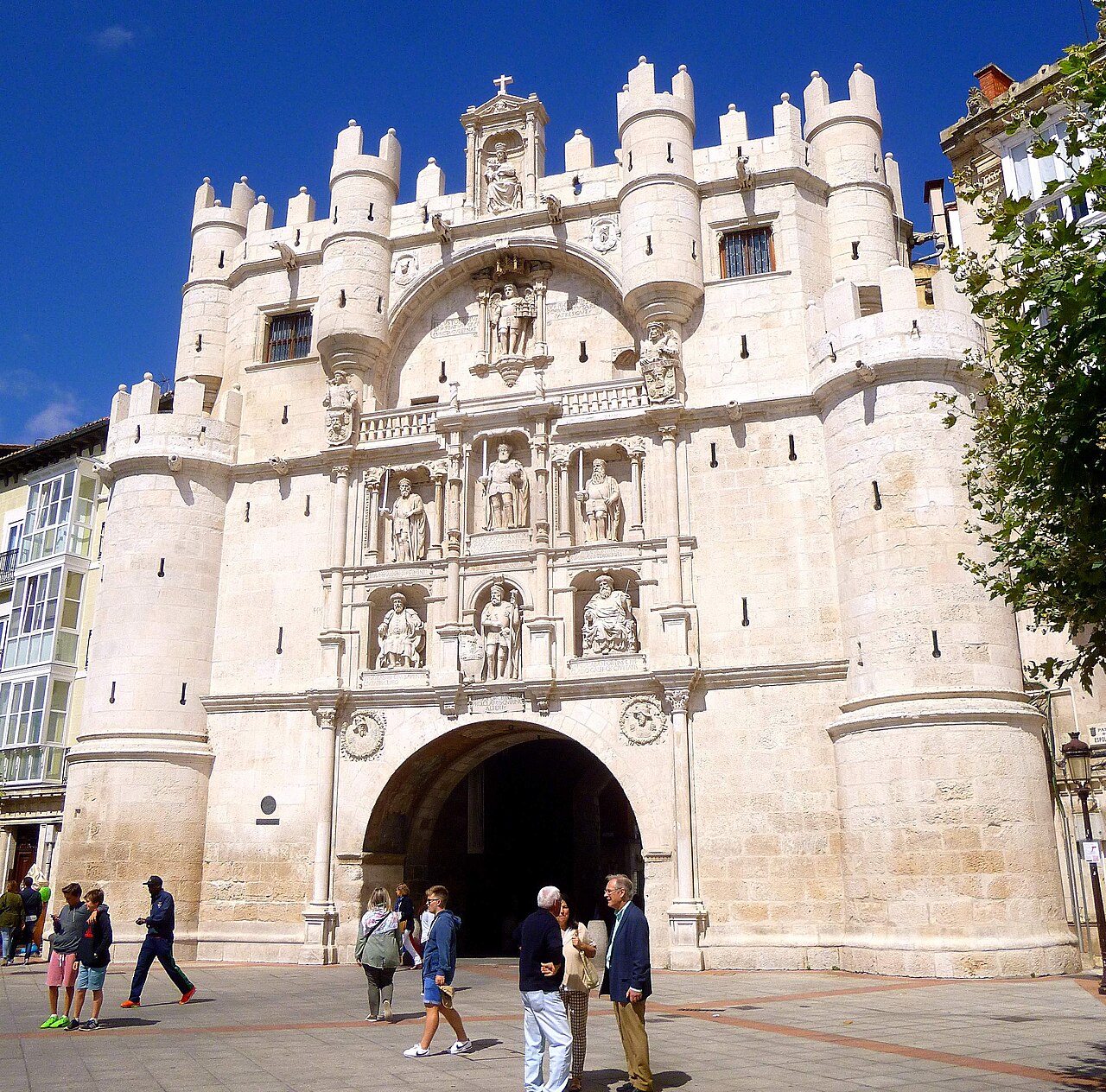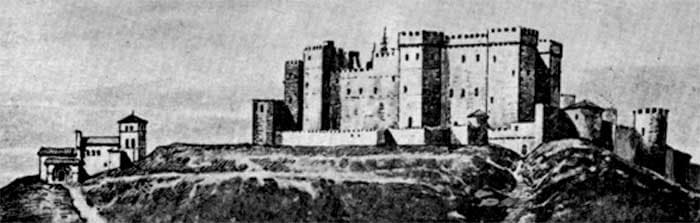
Burgos Castle stands majestically on the hill of San Miguel, approximately 75 meters above the city of Burgos, Spain. This ancient fortress is a testament to centuries of military, political, and architectural evolution, reflecting the complex history of the Castilian plateau. Its origins trace back to the 9th century, with archaeological evidence suggesting even earlier Roman and Visigothic foundations. The castle's strategic location made it a key defensive stronghold throughout the Middle Ages and beyond.
The early origins and foundation
Excavations have revealed that the site of Burgos Castle was initially occupied during the Roman period, with some of the oldest masonry attributed to that era. The Visigoths later fortified the hill, establishing a defensive presence that would be expanded in the centuries to come. The fortress as known today began to take shape around 865 AD, during a turbulent period marked by Muslim incursions into the Castilian plateau under the leadership of Al-Mundhir. The fortress played a crucial role in the Christian Reconquista efforts.
In 884 AD, Count Diego Rodríguez Porcelos, under the orders of Asturian King Alfonso III, initiated the repopulation and fortification of Burgos. This marked the foundation of the city and the construction of the first significant defensive tower on the site. Count Diego Rodríguez Porcelos was recognized for his military prowess, particularly in battles such as the Battle of Briviesca and the defense of Pancorbo, which underscored the strategic importance of Burgos.
Medieval transformations and architectural evolution
During the High Middle Ages, the castle underwent extensive expansions and modifications. The reign of Alfonso VIII of Castile saw the first major transformation of the fortress, incorporating the distinctive Mudéjar architectural style. This style, characterized by the blending of Christian and Islamic artistic elements, is evident in the decorative brickwork and ornamental features added during this period.
In the 15th century, under the reign of King Henry IV of Castile, the castle was further transformed from a purely military fortress into a more palatial residence. This phase included the addition of ceremonial halls, private chambers, and a chapel, reflecting the changing functions of the castle as both a defensive structure and a royal domicile. The castle also served as a state prison, holding notable prisoners such as García II of Galicia and Alfonso VI of León. A grim episode in its history occurred in 1277 when Infante Frederick of Castile was executed within its walls by order of Alfonso X.
Sieges and military significance
Burgos Castle was a focal point during several key military conflicts. During the War of the Castilian Succession (1474–1476), it was besieged by forces loyal to Ferdinand the Catholic, who aimed to disrupt its defenses by cutting off its water supply. Later, in the Peninsular War, the castle endured a siege by Anglo-Portuguese troops led by the Duke of Wellington in 1812.
The castle's military role evolved in the 16th century when it became the site of Spain's first artillery training school. It also housed a significant gunpowder production facility, capable of producing approximately 20 quintals daily by 1542. These developments highlight the castle's adaptation to changing military technologies and strategies.
Destruction and decline
The castle suffered significant damage from a fire in the 1730s, which destroyed many of its wooden interiors and coffered ceilings. During the Napoleonic Wars, French forces occupied the fortress and reinforced its defenses. However, in June 1813, as the French retreated, they detonated explosives that devastated much of the castle, killing over 200 soldiers and causing collateral damage to nearby structures, including the city's cathedral.
Despite its ruinous state, the castle saw intermittent military use during the 19th century, including during the Carlist Wars. In the 20th century, it served as a site for anti-aircraft defense during the Spanish Civil War. Additionally, it played a role in the 19th-century optical telegraph system, known as the Line of Castile, functioning as position 27 on the communication route between Madrid and Irún.
Archaeological discoveries and preservation efforts
Starting in 1985, extensive archaeological excavations uncovered significant features of the castle, especially its underground structures. Among the most remarkable is the Cueva del Moro, a deep well dating from the 12th and 13th centuries. This well is a cylindrical shaft measuring between 61.5 and 62.5 meters deep, constructed from finely cut limestone blocks. It features six narrow vertical openings called spindles, which allowed water to be accessed safely from within the fortress. Visitors today can descend the spiral stone staircase with 335 steps, illuminated by intermittent skylights.
Other excavated remains include portions of the South Gate with its semicircular towers, the main gate with a vaulted defensive passage, fragments of the Tower of Homage, and sections of the castle's bailey or courtyard. These elements provide valuable insight into the castle's defensive design and residential functions.
Between 1996 and 2003, an archaeological museum was established within the castle grounds, designed by architects Marian Álvarez-Buylla and Joaquín Ibáñez Montoya. The museum features a protective pavilion that allows visitors to view the archaeological remains without compromising their preservation. The castle grounds have been developed into a green public space, with streets named after poets, enhancing the cultural significance of the site.
Architectural features and significance
Burgos Castle exemplifies a hill castle with a complex history of architectural styles, including Roman, Visigothic, Mudéjar, and later medieval influences. Its defensive structures, such as the fortified walls, towers, gates, and underground water systems, reflect advanced military engineering adapted over centuries.
The castle's evolution from a military fortress to a royal palace and then to a military training center illustrates the changing nature of fortifications in response to political, technological, and social developments. Despite its current status as ruins, the site remains a vital cultural and historical landmark, attracting visitors interested in medieval architecture, military history, and Spanish heritage.
Visitor experience today
Visitors to Burgos Castle can explore the extensive ruins and the archaeological museum that interprets the site's layered history. The underground tunnels and the Cueva del Moro well offer a unique glimpse into the castle's water management and defensive strategies. Guided tours provide detailed narratives about the castle's role in regional history, its architectural transformations, and its significance during key historical events.
The castle's elevated position also offers panoramic views over the city of Burgos and the surrounding landscape, enhancing its appeal as a cultural and tourist destination.
Frequently asked questions (FAQ)
- How do I get to Burgos Castle?
- Burgos Castle is located in the city of Burgos, Spain, and can be easily accessed by foot from the city center. Visitors can also use public transportation or taxis for convenient access. There are well-marked paths leading to the castle, making it a straightforward journey.
- What is the historical significance of Burgos Castle?
- Burgos Castle dates back to the 9th century and played a crucial role in the defense of the city during various conflicts, including the Reconquista. The castle has witnessed significant historical events and has served as a military stronghold over the centuries. Today, it stands as a symbol of Burgos' rich heritage and history.
- When was Burgos Castle built?
- The exact date of construction of Burgos Castle is not clearly documented, but it is believed to have been established in the late 9th century. The castle has undergone numerous renovations and restorations throughout its history, reflecting various architectural styles that evolved over the centuries. This rich timeline adds to its historical allure.
- Can I explore the interiors of Burgos Castle?
- Yes, visitors can explore certain areas of Burgos Castle, including its towers and fortifications. While some parts may be restricted, there are guided tours available that provide insights into the castle's history and architecture. Be sure to check for any specific areas that may be closed to the public.
- Why is Burgos Castle a popular tourist attraction?
- Burgos Castle is popular for its stunning panoramic views of the city and surrounding landscapes, as well as its rich historical significance. The impressive architecture and well-preserved structures attract history enthusiasts and casual visitors alike. Additionally, the castle's location makes it a great starting point for exploring the beautiful city of Burgos.
- Is it possible to visit Burgos Castle year-round?
- Yes, Burgos Castle is open for visitors year-round, although opening hours may vary by season. It is advisable to check the official website or local tourist information for the most current hours and any seasonal changes. Visiting in spring and fall offers mild weather, making for a pleasant experience.
- What are the ticket prices for Burgos Castle?
- Ticket prices for Burgos Castle are generally affordable, with discounts available for students and seniors. Children under a certain age may enter for free. It's a good idea to check the official website prior to your visit for the latest pricing information and any special offers.
- What is the best time to visit Burgos Castle?
- The best time to visit Burgos Castle is during the spring (April to June) and fall (September to October) when the weather is mild and pleasant. These seasons also see fewer tourists, allowing for a more enjoyable experience. Summer can be quite crowded, while winter may bring colder temperatures.
- Are there any nearby attractions to visit after Burgos Castle?
- Yes, after visiting Burgos Castle, you can explore several nearby attractions, including the stunning Burgos Cathedral, a UNESCO World Heritage Site, and the Museum of Human Evolution. The picturesque city center is also filled with charming streets, shops, and restaurants, making it easy to spend a full day enjoying the area.
Photo gallery

Public domain
Information
Website
Visit websiteSources & official resources
Verify the information above using these authoritative references.
Loading map...
Visitor reviews
No reviews yet. Been here? Write the first review and help other travelers!
Write the first reviewVisited this castle? Share your experience
Your review helps other travelers and adds first-hand knowledge to our encyclopedia.