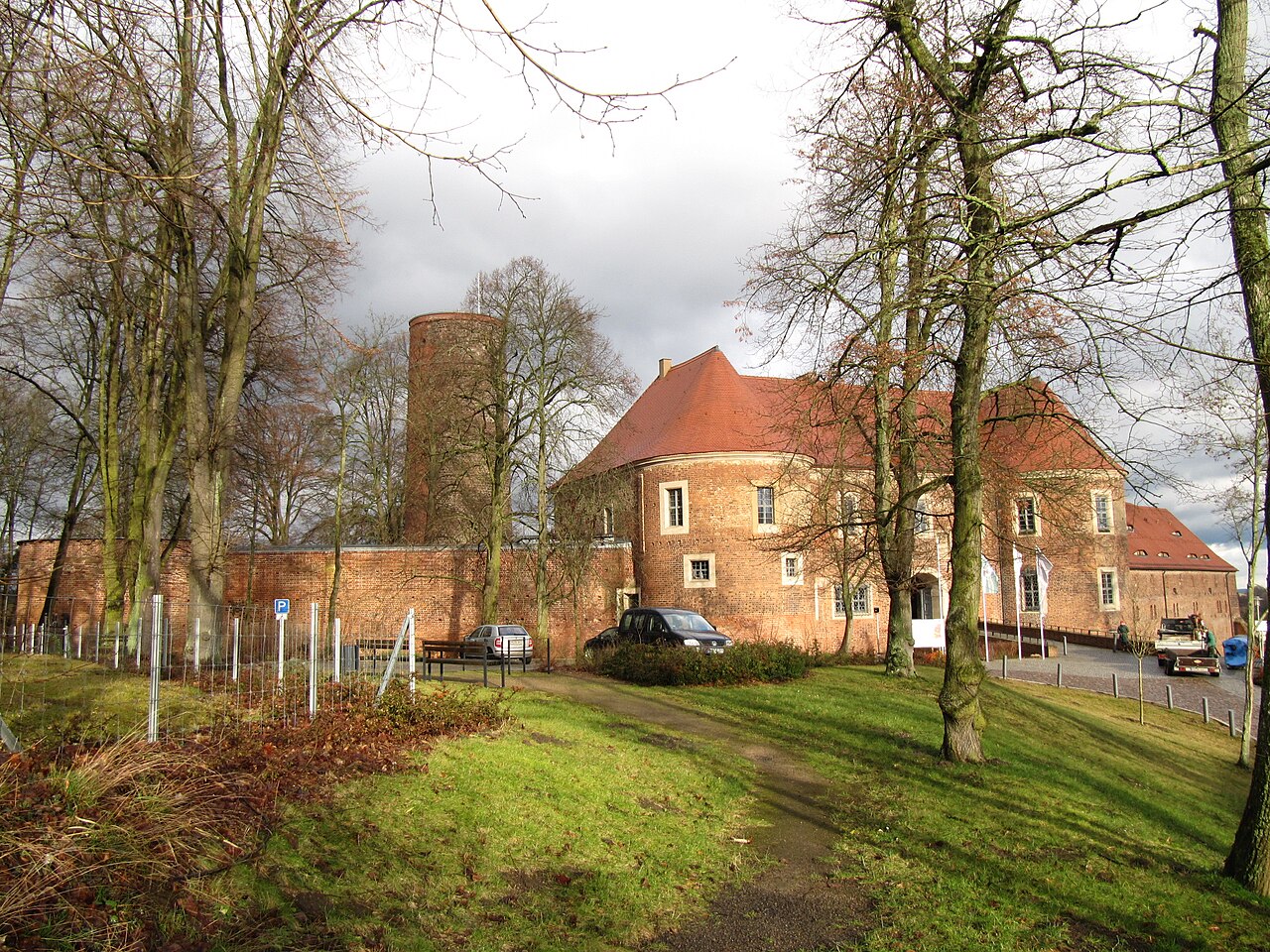
Burg Ziesar
Burg Ziesar stands as a remarkable example of a medieval hill castle with a rich history deeply intertwined with the ecclesiastical power of the bishops of Brandenburg. Situated in the town of Ziesar in the Brandenburg region of Germany, this castle has evolved from a strategic episcopal residence into a cultural monument showcasing architectural styles from the High Medieval period through the Baroque era. Its enduring presence reflects centuries of religious, political, and social transformations within the region.
The origins of Burg Ziesar trace back to the mid-10th century, with its first documented mention in 948 when Emperor Otto I granted the bishopric of Brandenburg control over Ziesar and its surrounding lands. This grant marked the beginning of the bishops' long-standing association with the area. However, the Slavic uprising of 983 forced the bishops into exile for nearly two centuries, delaying the castle's development until the reconquest by Albert the Bear in 1157. After this pivotal event, Ziesar reemerged as a significant episcopal seat.
The construction and episcopal significance
Around 1213, under Bishop Balduin, the castle's initial brick fortifications were constructed on the marshy terrain south of Ziesar, marking a transition from a mere territorial holding to a fortified episcopal residence. The use of brick at this time was a notable architectural choice, reflecting the influence of northern German building traditions. Subsequent expansions, particularly from 1327 under Bishop Ludwig Schenk von Neindorf, transformed Burg Ziesar into the bishops' principal residence and administrative center. This period saw the castle's fortifications and residential quarters enhanced, emphasizing both defense and comfort.
The mid-15th century renovations led by Bishop Dietrich IV between 1459 and 1472 introduced significant palatial elements to the castle, reshaping the residential buildings to resemble more refined palace-like structures. The consecration of the castle chapel dedicated to St. Peter and Paul in 1470 further underscored the site's religious importance. The chapel itself is a fine example of Gothic brick architecture, featuring a stepped gable, pointed arches, and richly decorated portals with symbolic motifs.
Architectural features and symbolism
One of the castle's most distinctive features is the 35-meter-high keep (Burgfried), constructed from fieldstones. This tower not only served defensive purposes but also symbolized the bishops' ecclesiastical authority. The addition of the unique "bishop's mitre" watch chamber atop the keep around 1535 by Bishop Matthias von Jagow is a rare architectural emblem of episcopal power. The keep's entrance, narrow windows, and original battlements remain well-preserved, offering visitors a tangible connection to the castle's medieval past.
The palas, or main residential building, adjacent to the keep and chapel, rises three stories and showcases a blend of architectural periods. Its courtyard facade reveals windows from various eras, including segmental-arched and pointed-arched designs, while the outer facade was remodeled in the Baroque style in 1728, featuring yellow plaster and ornate risalits. This combination of medieval and Baroque elements illustrates the castle's architectural evolution over centuries.
Additional structures include a two-story wing with traditional half-timbered gables and bat dormers, a former administrative building now serving local government functions, and the Storchenturm, a 15th-century brick defensive tower that remains as the last vestige of the outer bailey. The castle complex is surrounded by courtyards and gardens, with some buildings partially preserved or restored to reflect their historical significance.
Religious and cultural transformations
The castle chapel's history mirrors the religious shifts in Brandenburg. After the Protestant Reformation introduced by Elector Joachim II in 1539, the castle's ecclesiastical role diminished, and it was secularized by 1560. Yet, the chapel found renewed purpose in the late 17th century when it served the Calvinist Huguenot refugees who settled in Brandenburg following the Edict of Potsdam in 1685. During this period, the Huguenots whitewashed medieval murals in the chapel, inadvertently preserving them for modern restoration efforts.
The chapel ceased regular religious use in 1830 following the Prussian church union but was revived in the 20th century as an active Catholic parish church affiliated with Genthin. Restoration efforts in the early 21st century uncovered the medieval frescoes beneath the whitewash, revealing intricate tracery, rose motifs, and fish-scale patterns that enrich our understanding of medieval ecclesiastical art.
Modern history and preservation
In the 19th century, Burg Ziesar transitioned into private ownership, leading to the demolition of several outer bailey buildings. The acquisition by Paul Schneider in 1917 marked a phase of agricultural use. Following World War II, the castle served various community functions, including housing refugees and operating as a boarding school until 1993. Post-reunification restoration initiatives have stabilized and revitalized the castle, preserving its architectural heritage and opening it to the public.
Today, Burg Ziesar hosts a museum dedicated to Brandenburg's medieval church and cultural history, emphasizing themes such as Christianization and state formation. The castle also houses an extensive theological and cultural library, supporting scholarly research. Visitors can explore the castle's historic courtyards, ascend the keep for panoramic views, and experience the rich tapestry of architectural styles and historical narratives embodied in this unique hill castle.
Architectural details and materials
The castle's construction features a blend of fieldstones and bricks, with some walls left unplastered to reveal the original masonry techniques. The interplay of exposed stonework and plastered facades offers insight into the castle's layered history. Decorative elements such as the chapel's stepped gable, the keep's mitre-shaped watch chamber, and the palas' Baroque risalits contribute to the site's visual and historical richness.
Visitor experience
Visitors to Burg Ziesar can enjoy a comprehensive experience that includes exploring the medieval and Baroque architecture, viewing the restored chapel murals, and ascending the keep for sweeping views of the Brandenburg landscape. The castle's museum provides educational exhibits on the region's ecclesiastical history, making it a valuable destination for those interested in medieval history, architecture, and religious heritage.
Frequently asked questions (FAQ)
- What is the historical significance of Burg Ziesar?
- Burg Ziesar is a medieval castle that dates back to the 11th century, playing a significant role in the region's history. It served as a fortress and residence for local nobility, reflecting the architectural styles and defensive needs of its time.
- When was Burg Ziesar built?
- Construction of Burg Ziesar began around the year 1000 AD, making it one of the oldest castles in the region. Over the centuries, it has undergone several modifications and restorations, showcasing a blend of different architectural styles.
- What are the opening hours of Burg Ziesar?
- Burg Ziesar is typically open to visitors from April to October, Wednesday to Sunday, from 10 AM to 6 PM. During the off-peak months, opening hours may vary, so it’s advisable to check the official website before planning your visit.
- Can I take guided tours of Burg Ziesar?
- Yes, guided tours are available at Burg Ziesar, providing visitors with in-depth insights into the castle's history and architecture. These tours are led by knowledgeable guides who can answer questions and share fascinating stories about the castle's past.
- Is Burg Ziesar accessible for visitors with mobility challenges?
- Burg Ziesar has made efforts to accommodate visitors with mobility challenges, offering accessible routes and facilities. However, some areas of the castle may still present challenges due to its historical structure, so it’s best to contact the site for specific accessibility information.
- What is the best time to visit Burg Ziesar?
- The best time to visit Burg Ziesar is during the spring and early autumn months when the weather is pleasant for exploring the grounds. Additionally, there are often special events and activities during these times that enhance the visitor experience.
- What are the ticket prices for visiting Burg Ziesar?
- Ticket prices for Burg Ziesar are typically affordable, with discounts available for students and seniors. Children under a certain age may be granted free admission, but it's recommended to check the official website for the most current pricing information.
- Are there any nearby attractions to visit while at Burg Ziesar?
- Yes, there are several nearby attractions, including the beautiful town of Ziesar and the surrounding natural landscapes, perfect for hiking and enjoying the outdoors. Additionally, nearby historical sites and museums can enrich your visit to the area.
Information
Website
Visit websiteSources & official resources
Verify the information above using these authoritative references.
Loading map...
Visitor reviews
No reviews yet. Been here? Write the first review and help other travelers!
Write the first reviewVisited this castle? Share your experience
Your review helps other travelers and adds first-hand knowledge to our encyclopedia.