Burg Lahneck
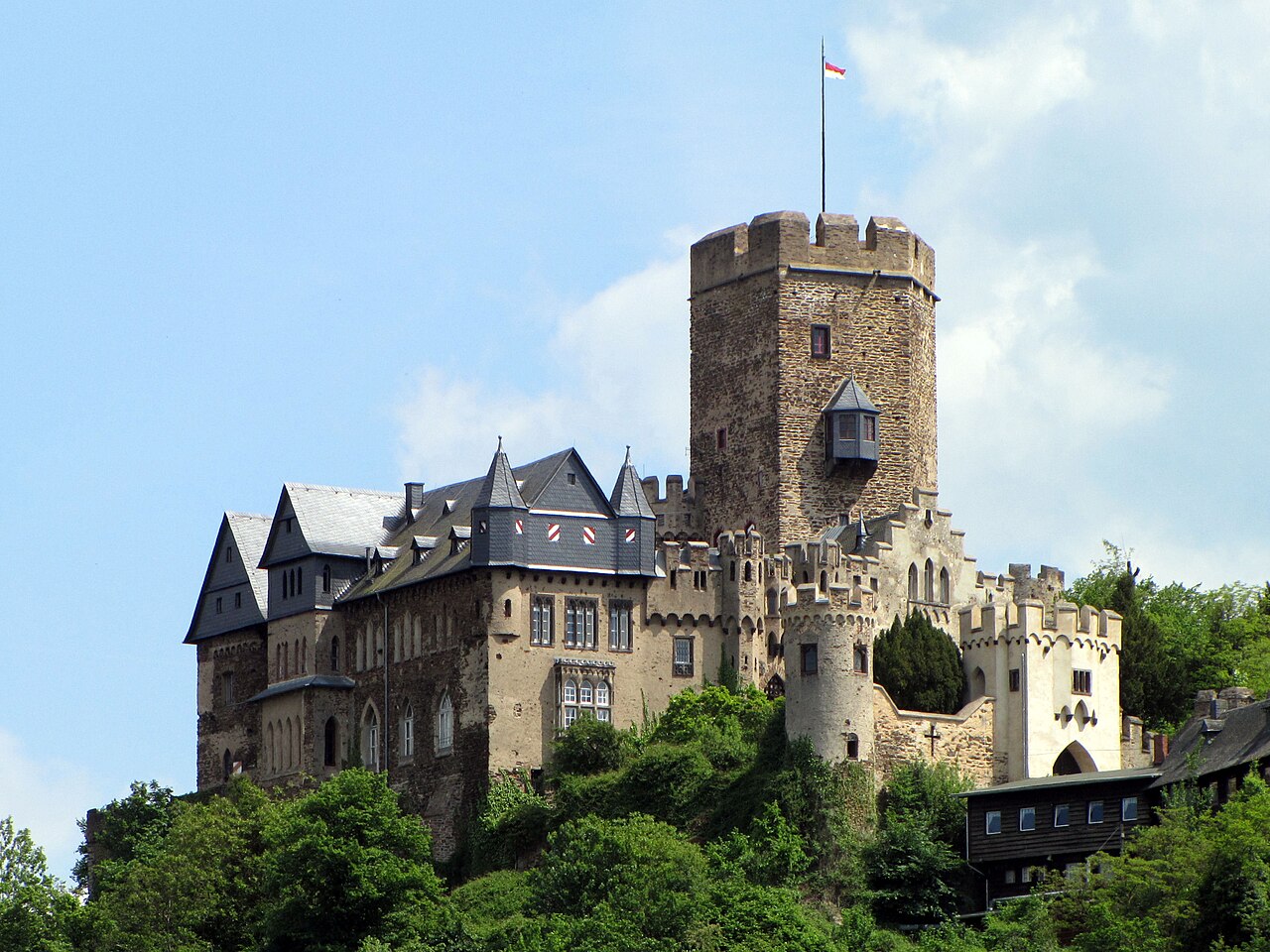
Burg Lahneck stands prominently at the strategic confluence of the Lahn and Rhine rivers in Lahnstein, Germany. Constructed in 1226 by Siegfried III of Eppstein, this bastioned fortress was originally designed to protect the town of Oberlahnstein and a valuable nearby silver mine. Over the centuries, it has witnessed a rich tapestry of historical events, including sieges, political conspiracies, and tragic tales that have inspired notable cultural figures such as the German poet Johann Wolfgang von Goethe.
Architectural design and strategic importance
The fortress's location at the junction of two major rivers provided a natural defensive advantage, allowing control over important trade and military routes. The castle's design reflects the evolution of medieval military architecture, incorporating bastions that enhanced its defensive capabilities against artillery and siege tactics emerging in the late medieval period. The thick walls, fortified towers, and strategically placed battlements exemplify the military engineering of the 13th century, adapted to the castle's unique topography.
Historical events and political intrigue
Siege by king albert i of habsburg
In 1309, Burg Lahneck became a focal point of political conflict when King Albert I of Habsburg laid siege to the castle. The then-burgrave, Friedrich Schilling of Lahnstein, was implicated in a conspiracy against the king. Albert's forces successfully stormed the fortress, leading to Schilling's execution within the castle grounds. This event underscores the castle's role as both a military stronghold and a seat of regional power struggles during the High Medieval period.
The legend of the knights templar
Burg Lahneck is also entwined with the dramatic legend of the Knights Templar. Following Pope Clement V's 1312 edict to disband the order, it is said that the last twelve Templar knights made a desperate last stand within the castle's walls. They reportedly perished fighting the overwhelming forces led by Mainz Archbishop Peter of Aspelt. While this tale blends history and myth, it contributes to the castle's enduring mystique and cultural significance.
Cultural significance and legacy
The castle's tumultuous history and striking location have made it a subject of artistic inspiration. Notably, Johann Wolfgang von Goethe drew inspiration from Burg Lahneck, reflecting its place in German literary and cultural heritage. Today, the castle remains a symbol of medieval fortification ingenuity and the complex history of the Rhineland region.
Current condition and visitor experience
Burg Lahneck is currently well preserved, allowing visitors to explore its imposing walls, towers, and courtyards. The castle offers insights into medieval defensive architecture and the historical narratives that shaped it. Its panoramic views over the Rhine and Lahn rivers enhance the visitor experience, making it a popular destination for those interested in history, architecture, and scenic beauty.
Access and tourism
Visitors to Burg Lahneck can enjoy guided tours that detail its architectural features and historical episodes. The castle's accessibility from the town of Lahnstein makes it an attractive day trip for travelers exploring the Rhineland. Seasonal events and exhibitions often highlight the castle's rich heritage, further engaging the public with its storied past.
Frequently asked questions (FAQ)
- What is the historical significance of Burg Lahneck?
- Burg Lahneck is a medieval castle that dates back to the 13th century, serving as a strategic fortification along the Lahn River. Its historical importance lies in its role in protecting trade routes and its association with various noble families throughout the centuries.
- When was Burg Lahneck built?
- Burg Lahneck was constructed around the year 1250. It was built by the Counts of Nassau to secure their territories and control the river trade, which was vital for economic prosperity during the Middle Ages.
- Can I visit Burg Lahneck?
- Yes, Burg Lahneck is open to visitors who wish to explore its rich history and stunning architecture. Guided tours are available, offering insights into the castle's past and its significance in the region.
- What are the opening hours for Burg Lahneck?
- Burg Lahneck typically opens to visitors from 10:00 AM to 5:00 PM, but hours may vary depending on the season. It is advisable to check the official website or contact the castle directly for the most current information before your visit.
- Is it possible to access Burg Lahneck for individuals with mobility issues?
- Burg Lahneck has some accessibility challenges due to its historic architecture, including uneven pathways and stairs. However, efforts have been made to accommodate visitors with mobility issues, and it is recommended to inquire ahead for specific assistance options.
- What are the ticket prices for visiting Burg Lahneck?
- Ticket prices for Burg Lahneck are generally affordable, with discounts available for children, students, and seniors. It is recommended to check the castle’s official website for the latest pricing information and any special offers.
- When is the best time to visit Burg Lahneck?
- The best time to visit Burg Lahneck is during the spring and early fall when the weather is pleasant and the surrounding landscape is beautiful. Additionally, these seasons often feature fewer crowds, allowing for a more enjoyable experience.
- What nearby attractions can I explore after visiting Burg Lahneck?
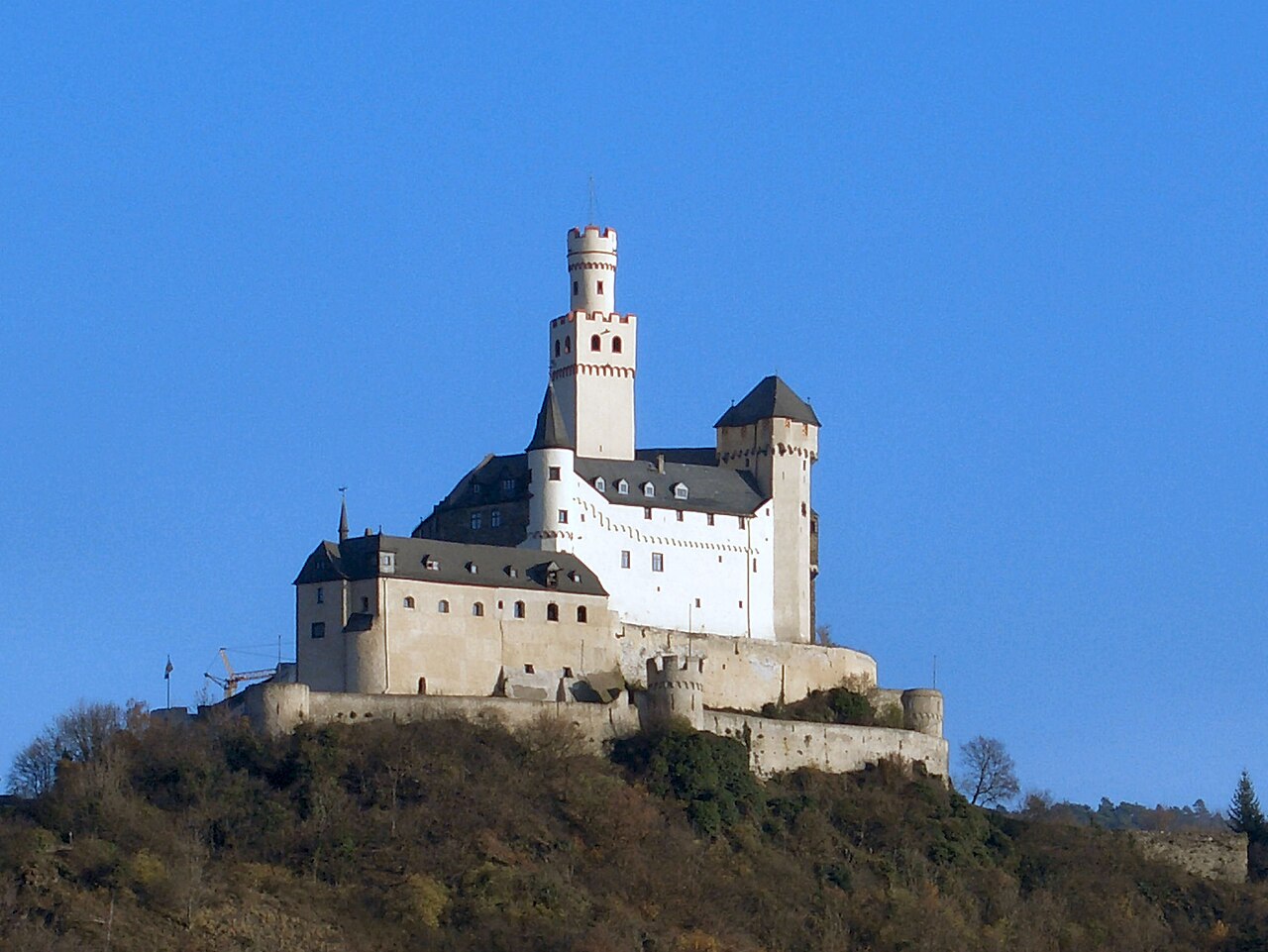
- After visiting Burg Lahneck, you can explore the charming town of Lahnstein and enjoy a walk along the Lahn River. Other nearby attractions include the historic city of Koblenz, where the Moselle and Rhine rivers meet, and the picturesque Marksburg Castle, which is not far from Lahnstein.
Information
Website
Visit websiteSources & official resources
Verify the information above using these authoritative references.
Loading map...
Visitor reviews
No reviews yet. Been here? Write the first review and help other travelers!
Write the first reviewVisited this castle? Share your experience
Your review helps other travelers and adds first-hand knowledge to our encyclopedia.