Büraburg
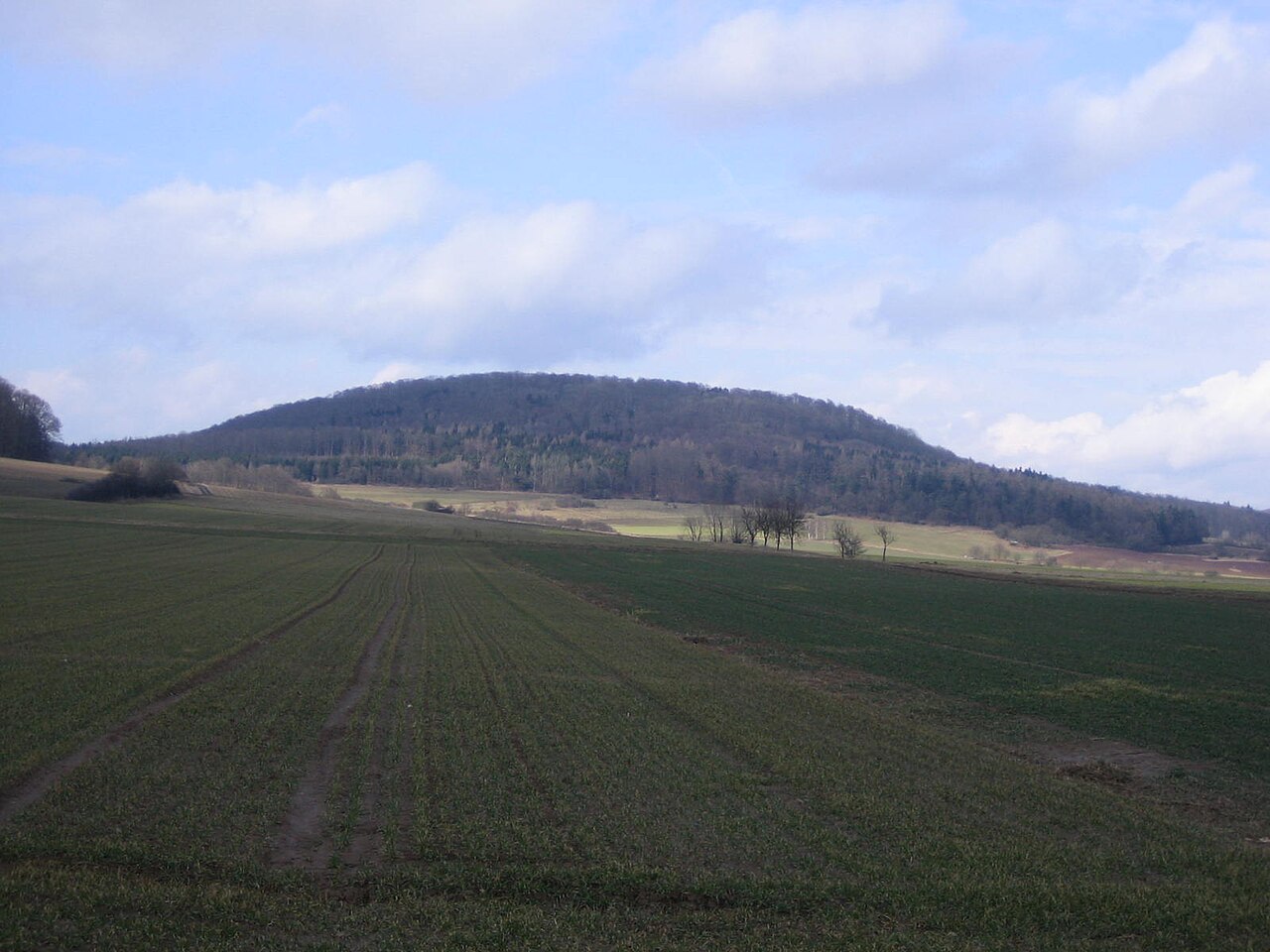
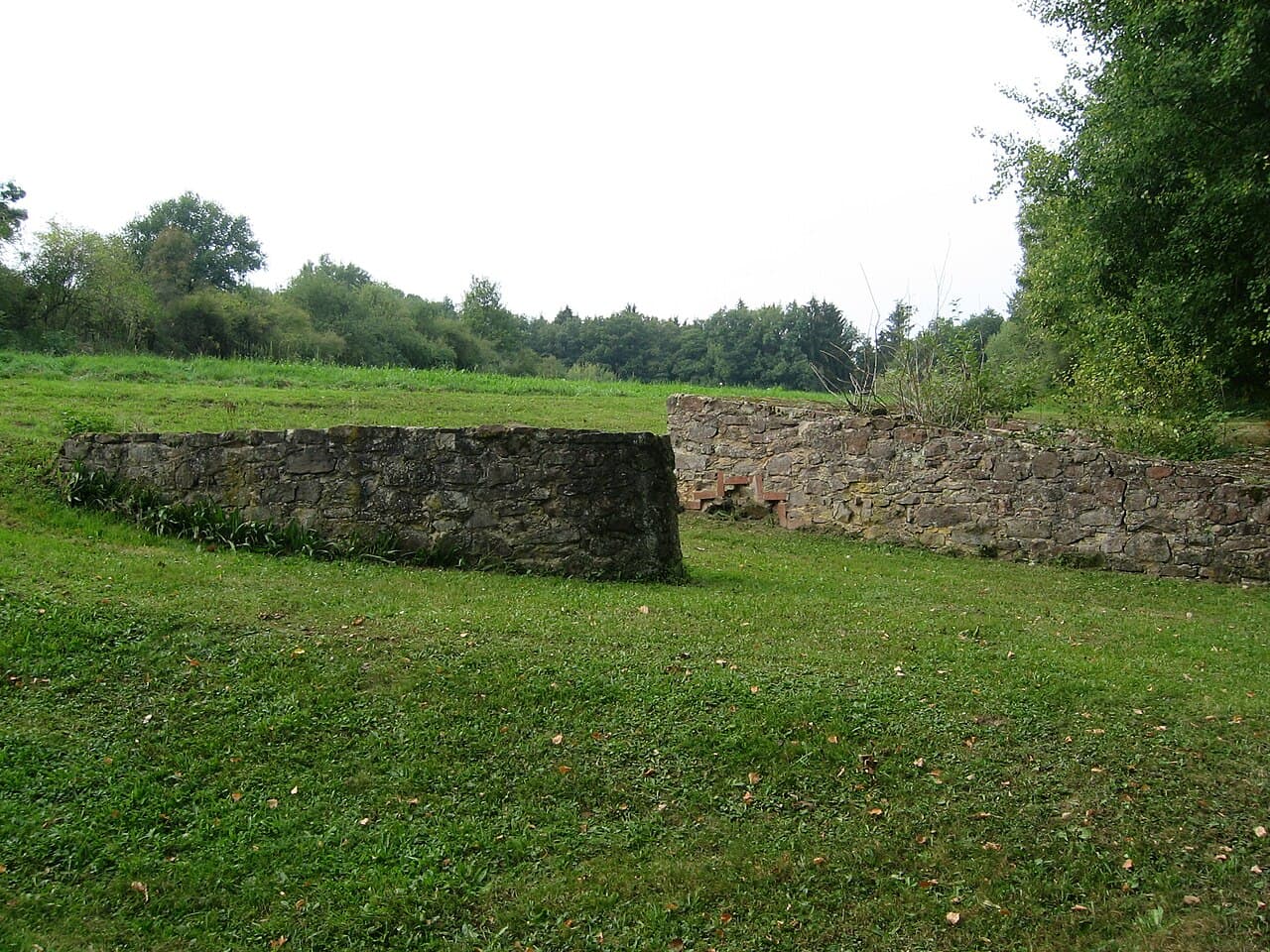
Büraburg castle stands as an important early medieval hill castle ruin located on the Büraberg hill overlooking the Eder river near the town of Fritzlar in northern Hesse, Germany. Today, only the foundation walls of the fortress remain, alongside a small church dedicated to St. Brigida, marking the site’s long-standing religious significance.
Historical background and frankish occupation
The site of Büraburg has a history that dates back to at least the 7th century, when a Christian monastery was established on the hill. Around circa 690 AD, the Franks took control of the hill and fortified it, transforming it into a strategic hill castle with a mounted garrison. This fortification served as a military and administrative center in the region during the early medieval period.
The Franks played a crucial role in supporting the missionary work of Saint Boniface, a key figure in the Christianization of the Germanic peoples. Saint Boniface famously felled the Donar Oak near Geismar, a sacred pagan site, as part of his efforts to establish Christian dominance. Following this, he established a bishopric at Büraburg, though this ecclesiastical seat was relatively short-lived.
Architectural features and fortifications
As a hill castle, Büraburg was strategically positioned to command views over the surrounding landscape, particularly the Eder river valley. The fortifications included substantial stone foundation walls which are still visible today, outlining the castle’s perimeter. The castle likely featured defensive structures typical of the period, such as ramparts and wooden palisades, although these have not survived.
The presence of a mounted garrison indicates the castle’s role as a military stronghold capable of rapid response and patrol across the region. The castle’s design would have balanced both residential and defensive needs, housing Frankish soldiers and possibly serving as a local administrative center.
Religious significance and the church of st. brigida
The site’s religious importance is underscored by the early establishment of a Christian monastery and the later foundation of a bishopric. The surviving church dedicated to St. Brigida is a notable feature of the site today, reflecting the long-standing Christian heritage of the location. St. Brigida, an Irish saint, was venerated widely in medieval Europe, and the church’s dedication points to cultural and religious connections beyond the immediate region.
The church structure, while modest, serves as a tangible link to the spiritual life that once flourished on Büraberg hill. Archaeological findings suggest that the church and the castle coexisted, with the religious community likely playing a role in the castle’s daily life and governance.
Archaeological research and preservation status
Today, Büraburg is classified as archaeological ruins, with only the foundation walls and the church of St. Brigida remaining intact. Archaeological excavations have revealed important insights into the castle’s layout, construction techniques, and historical phases of occupation.
The site’s preservation as ruins offers valuable opportunities for study of early medieval fortifications and the Frankish presence in Hesse. Conservation efforts focus on maintaining the structural remains and protecting the site from further deterioration, allowing visitors to explore this significant historical landmark.
Visitor information and cultural heritage
Büraburg’s location near Fritzlar makes it accessible to those interested in early medieval history and castle architecture. While the ruins are modest, the site offers a unique glimpse into the Frankish era and the Christianization of Germany. Interpretive signage and guided tours help visitors understand the castle’s historical context and architectural features.
The castle and church remain important cultural heritage sites in Hesse, reflecting the region’s transition from paganism to Christianity and the establishment of Frankish power. Büraburg continues to attract historians, archaeologists, and tourists who seek to connect with Germany’s early medieval past.
Frequently asked questions (FAQ)
- When was Büraburg castle built and by whom?
- Büraburg castle was established in the 7th century and fortified by the Franks around 690 AD as a strategic hill fortress.
- What is the historical significance of Büraburg castle?
- Büraburg played a key role in the early Christianization of Germany, supporting Saint Boniface’s missionary work and hosting a short-lived bishopric.
- What remains of Büraburg castle today?
- Today, only the foundation walls of Büraburg castle and a church dedicated to St. Brigida remain as archaeological ruins.
- Can visitors access Büraburg castle ruins?
- Yes, the castle ruins near Fritzlar are accessible to visitors and provide insight into early medieval Frankish fortifications.
- Why is the church of St. Brigida important at Büraburg?
- The church of St. Brigida reflects the site’s religious heritage and its connection to early medieval Christian communities in the region.
Photo gallery

Information
Loading map...
Visitor reviews
No reviews yet. Been here? Write the first review and help other travelers!
Write the first reviewVisited this castle? Share your experience
Your review helps other travelers and adds first-hand knowledge to our encyclopedia.