Bunce Island
Bunce Island is a historically significant site located about twenty miles up the Sierra Leone River from Freetown. This small island was home to a British slave trading castle that operated from approximately 1670 until 1808. It served as a crucial hub in the transatlantic slave trade, particularly for the trafficking of enslaved Africans from the African Rice Coast to the Americas. Over its operational years, it is estimated that around 50,000 enslaved people were forcibly transported through Bunce Island, many destined for plantations in South Carolina and Georgia, where their expertise in rice cultivation was highly valued.
Historical significance and role in the transatlantic slave trade
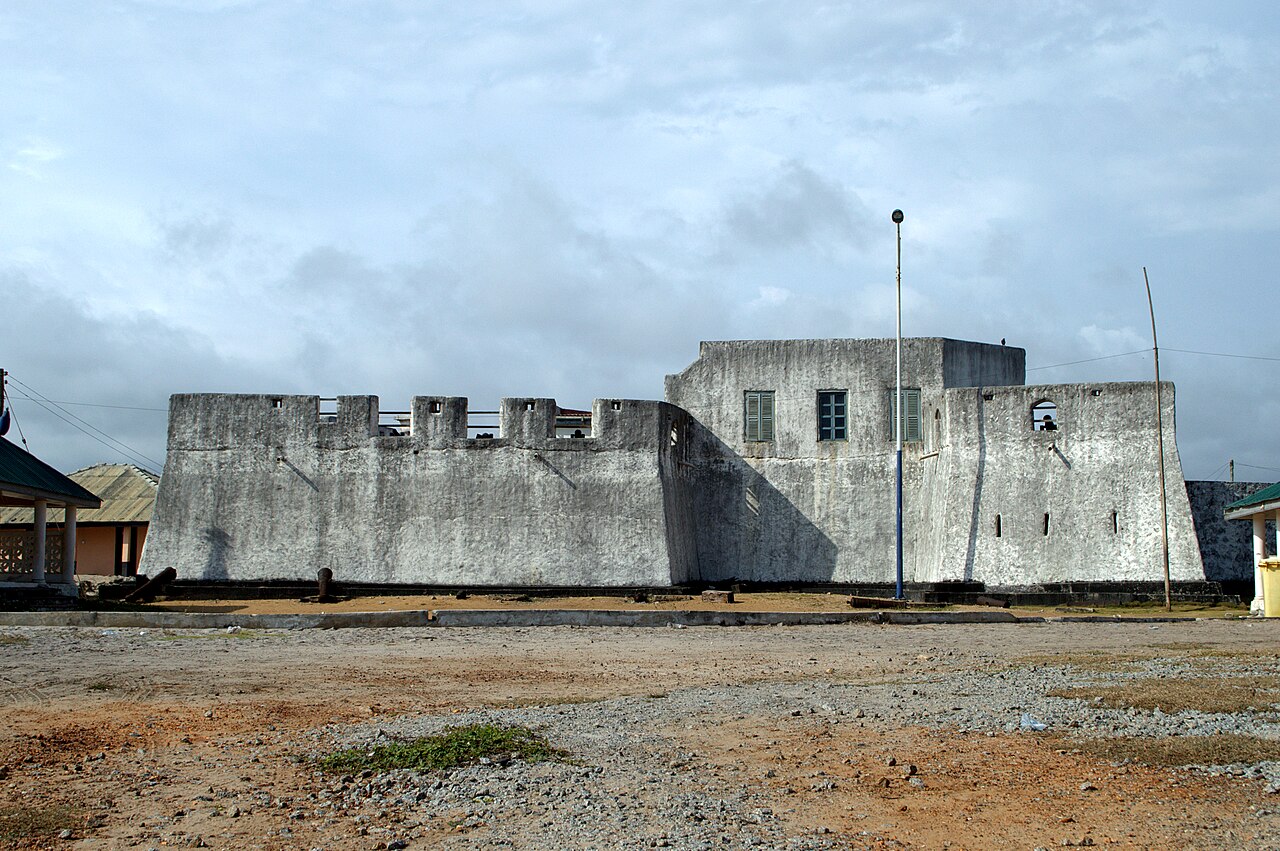
Bunce Island's castle was one of the most important British slave trading posts on the West African coast. It was strategically positioned to control river access and facilitate the capture, holding, and shipment of enslaved Africans. The castle complex included slave yards, watchtowers, a prison, a factory house where goods were stored and traded, and dormitories for European traders and staff. The castle's fortifications also included a second-story level and several 18th-century cannons that were used to defend the site from attacks.
The enslaved individuals were held in harsh conditions in the slave yards before being loaded onto ships bound for the Americas. The castle's location on an island provided a natural defensive advantage while also enabling control over riverine trade routes.
Military engagements and attacks
The castle was repeatedly targeted during periods of conflict. Notably, during the American Revolutionary War, the allied French forces attacked and damaged Bunce Island in 1779. This attack was part of broader hostilities involving European powers vying for control over colonial territories and trade routes.
In addition to the French assault, the castle suffered damage from earlier attacks by pirates, including the infamous Black Bart. Despite these repeated assaults, the British rebuilt and maintained the castle, underscoring its importance to their economic interests in the region.
Post-slavery era and current condition
Following the British abolition of the slave trade in 1807, Bunce Island's castle ceased its role as a slave trading post. It was briefly repurposed as a trading post, a plantation, and a sawmill before being abandoned around 1840. Since then, the site has fallen into ruin, with dense vegetation overtaking much of the island.
Today, visitors to Bunce Island can observe the deteriorating ruins of the castle, including remnants of the second-story level, the fortress walls, slave yards, watchtowers, the prison, the factory house, dormitories, and several 18th-century cannons. There is also a graveyard on the island, marking the resting place of some of those who lived and died there.
Architectural features and layout
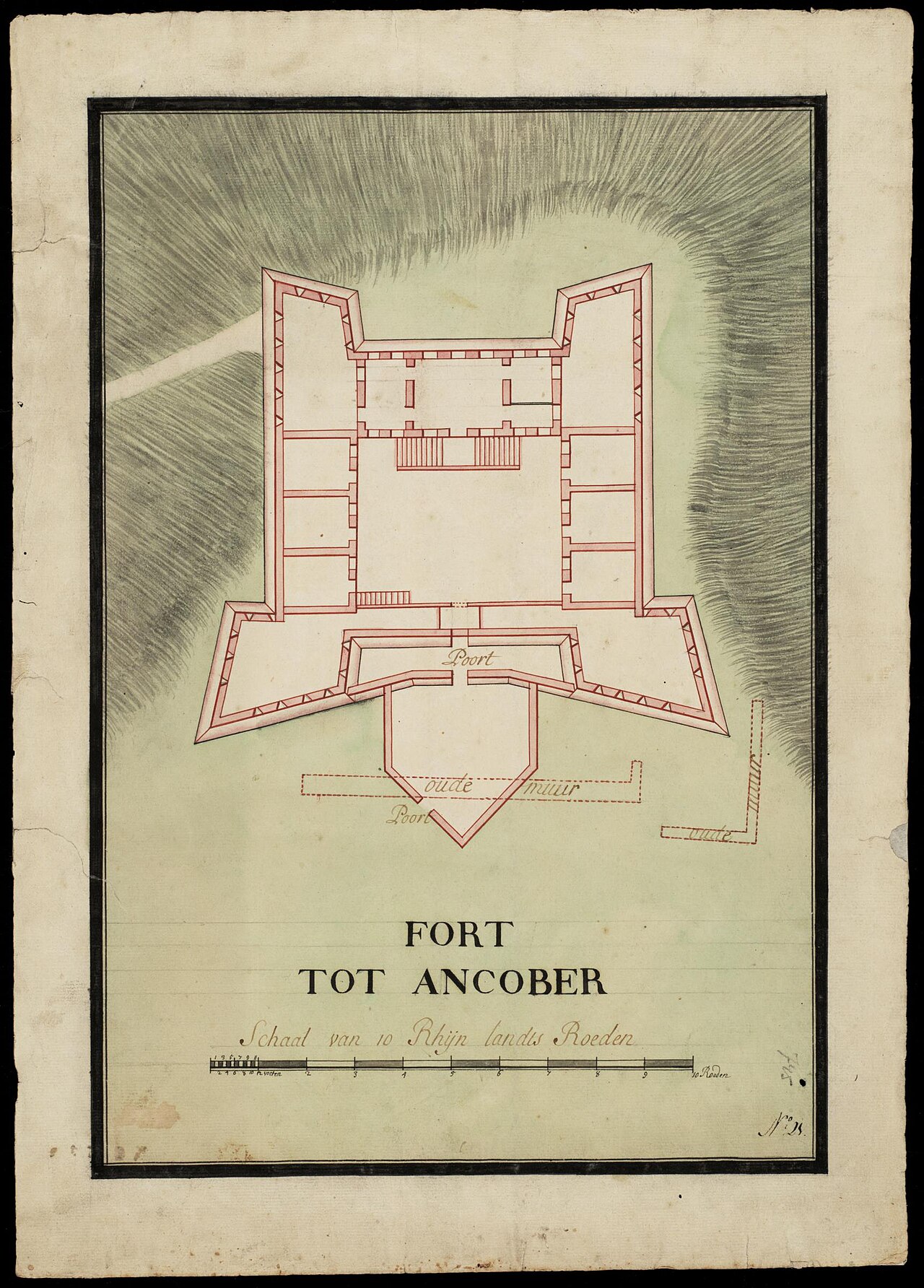
The castle was designed as a fortified complex to serve both commercial and defensive purposes. Its construction included thick stone walls and bastions to withstand attacks. The presence of multiple watchtowers allowed for surveillance of the river and surrounding areas, while the slave yards were enclosed spaces where enslaved people were confined under brutal conditions.
The factory house served as a warehouse and trading center where goods such as textiles, firearms, and alcohol were exchanged for enslaved people. The dormitories housed European traders and staff who managed the operations. The castle's layout reflects the grim realities of the transatlantic slave trade and the economic priorities of the British Empire during the late 17th to early 19th centuries.
Legacy and cultural importance
Bunce Island stands as a powerful reminder of the transatlantic slave trade's human cost and the economic forces that shaped the Atlantic world. It is a site of memory and reflection, attracting historians, descendants of enslaved Africans, and visitors interested in understanding this dark chapter of history.
The island's ruins have been the focus of preservation efforts to protect its cultural heritage and educate the public about the atrocities committed there. Bunce Island's story is integral to the broader narrative of African diaspora history and the struggle for human rights and dignity.
Frequently asked questions (FAQ)
- How do I get to Bunce Island?
- Bunce Island is accessible by boat from the mainland of Sierra Leone, with regular trips operating from Freetown. It is advisable to check local schedules and weather conditions before planning your visit.
- What is the historical significance of Bunce Island?
- Bunce Island served as a major slave trading post during the transatlantic slave trade in the 18th century. It is an important site that reflects the dark history of slavery and the impact it had on Sierra Leone and the wider world.
- When was Bunce Island built?
- Bunce Island was established in the late 17th century, with the construction of its fortifications and trading facilities beginning around 1670. The island was active until the abolition of the slave trade in the 19th century.
- Can I take guided tours of Bunce Island?
- Yes, guided tours are available and highly recommended for a comprehensive understanding of the island's history and architecture. Local guides provide insightful narratives about the significance of the various structures and the stories of those who lived there.
- Why is Bunce Island a popular destination for visitors?
- Bunce Island attracts visitors due to its rich history and haunting beauty, offering a poignant glimpse into the past. Its significance as a former slave trading post makes it an important educational site for those interested in history and human rights.
- Is it possible to visit Bunce Island year-round?
- Yes, Bunce Island is open to visitors throughout the year, but the best time to visit is during the dry season, from November to April. This period offers more stable weather conditions and easier boat access.
- What are the opening hours for Bunce Island?
- Bunce Island does not have fixed opening hours, as access depends on boat schedules and local conditions. It is advisable to plan your visit in advance and confirm the timings with local tour operators.
- What are the ticket prices for visiting Bunce Island?
- Ticket prices for Bunce Island vary depending on the tour operator and the inclusions in the package. Typically, prices range from $10 to $30 per person, which may cover the boat ride and guided tour.
- Are there any nearby attractions to visit after Bunce Island?
- Yes, after visiting Bunce Island, you can explore the nearby beaches of Freetown or visit the Sierra Leone National Museum for further insight into the country's culture and history. The stunning natural beauty of the surrounding area also offers opportunities for hiking and wildlife viewing.
Information
Website
Visit websiteSources & official resources
Verify the information above using these authoritative references.
Loading map...
Visitor reviews
No reviews yet. Been here? Write the first review and help other travelers!
Write the first reviewVisited this castle? Share your experience
Your review helps other travelers and adds first-hand knowledge to our encyclopedia.