Fortaleza de São José da Amura
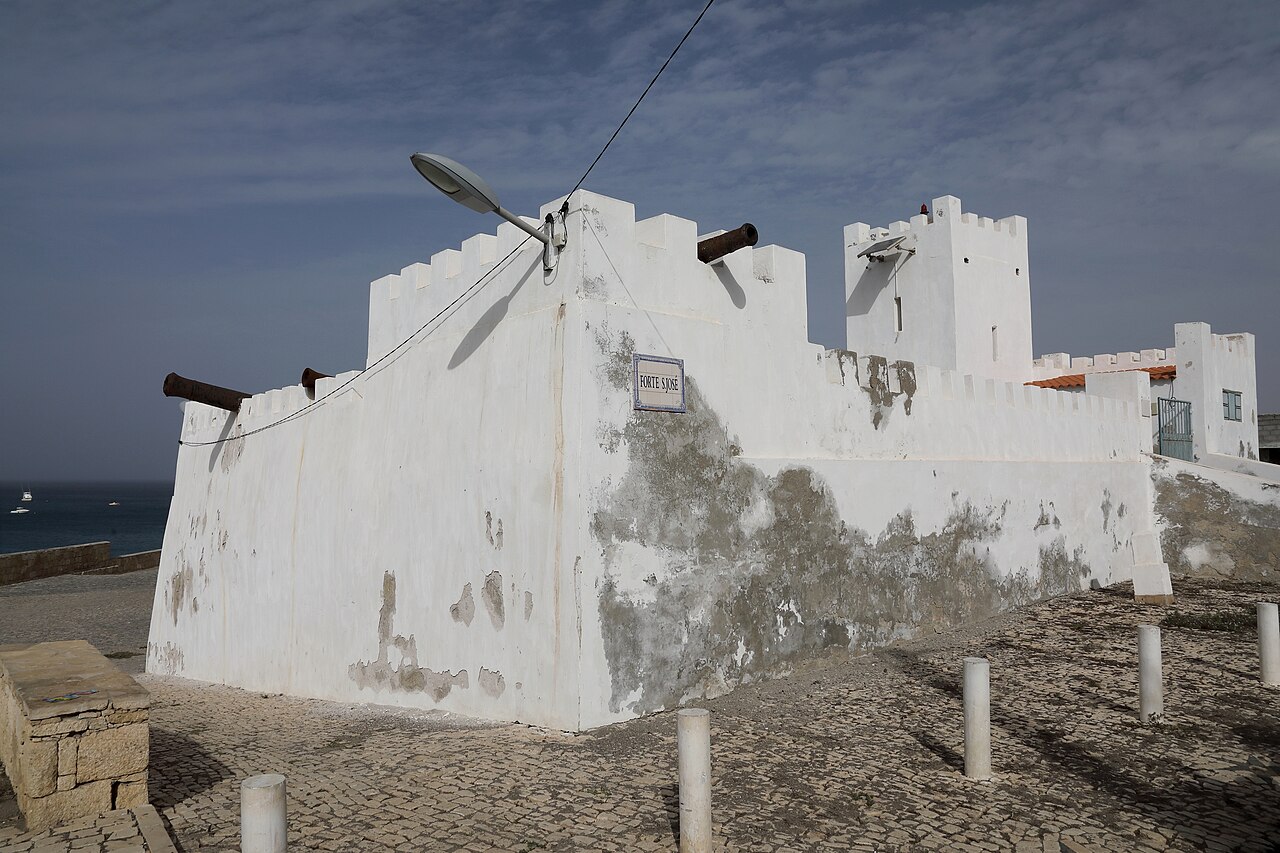
Fortaleza de São José da Amura, commonly known as Amura Fort, is a prominent bastioned fortress situated in the city of Bissau, the capital of Guinea-Bissau in West Africa. This fortification holds significant historical and architectural value as a vestige of Portuguese colonial military presence in the region. Constructed during the colonial period, the fortress exemplifies the strategic military architecture employed by the Portuguese to secure their interests along the West African coast.
Historical context and construction
The fort was built in the 17th or 18th century, a period marked by intense European competition for control over trade routes and territories in West Africa. As a bastioned fortress, its design reflects the influence of the trace italienne style, characterized by angular bastions designed to withstand artillery attacks and provide overlapping fields of fire. The fort played a crucial role in protecting the harbor of Bissau and served as a military and administrative center during Portuguese rule.
Architectural features and layout
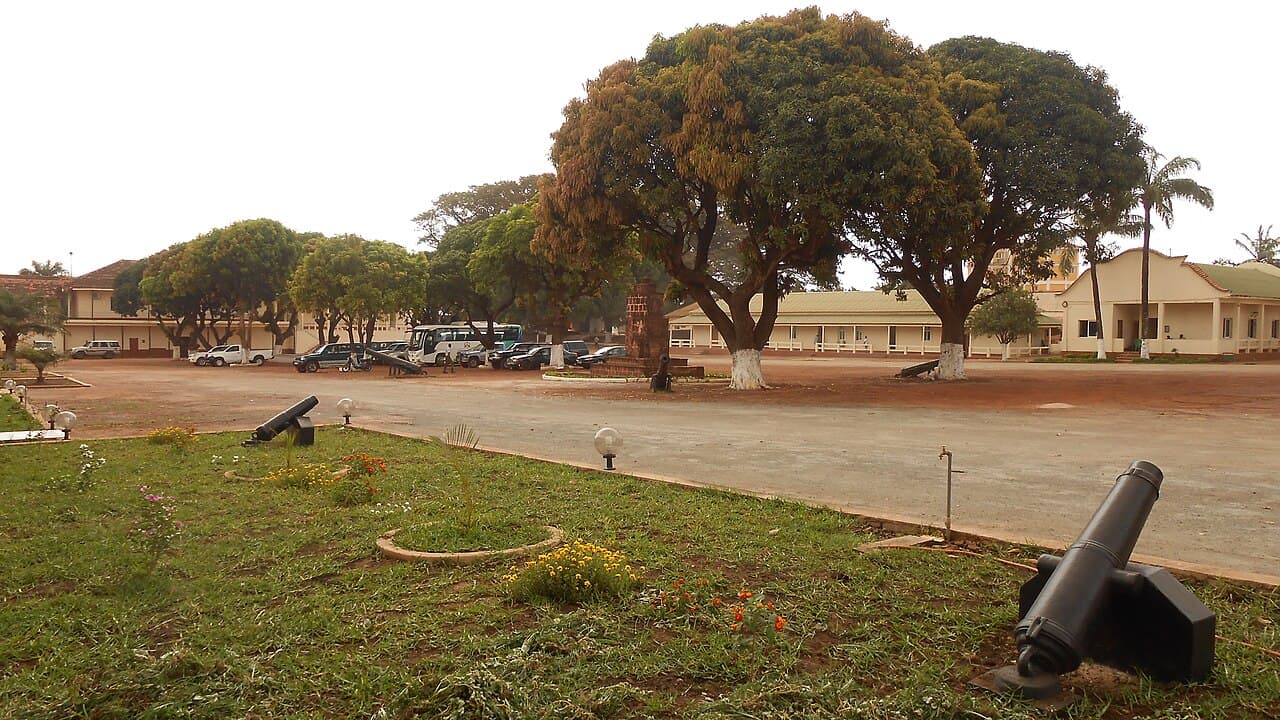
Fortaleza de São José da Amura features robust stone walls with bastions at the corners, allowing defenders to cover all approaches with cannon fire. The fortress is surrounded by a moat, enhancing its defensive capabilities. Inside, the layout includes barracks, storage facilities, and command quarters, arranged around a central courtyard. The design emphasizes both defense and functionality, typical of bastioned fortresses constructed in colonial contexts.
Bastions and defensive elements
The bastions are the most distinctive elements of the fort, projecting outward from the main walls to eliminate blind spots. These angular structures were designed to absorb and deflect cannon fire, a significant advancement over medieval castle designs. The walls are thick and constructed from locally sourced stone and mortar, ensuring durability against both siege weaponry and tropical weather conditions.
Interior structures
Within the fort, the barracks provided housing for soldiers stationed at the fort, while storage rooms held ammunition and supplies necessary for prolonged defense. The commander's quarters were strategically located to oversee both the courtyard and the fort's defenses. The central courtyard served as a muster point and facilitated communication among the garrison.
Role in regional history
Throughout its history, Fortaleza de São José da Amura was integral to Portuguese efforts to control trade and maintain security in the Bissau region. It served not only as a military stronghold but also as a symbol of colonial authority. The fort witnessed various conflicts and shifts in control as European powers vied for dominance in West Africa. Its presence influenced the development of Bissau as a strategic port city.
Preservation and current status
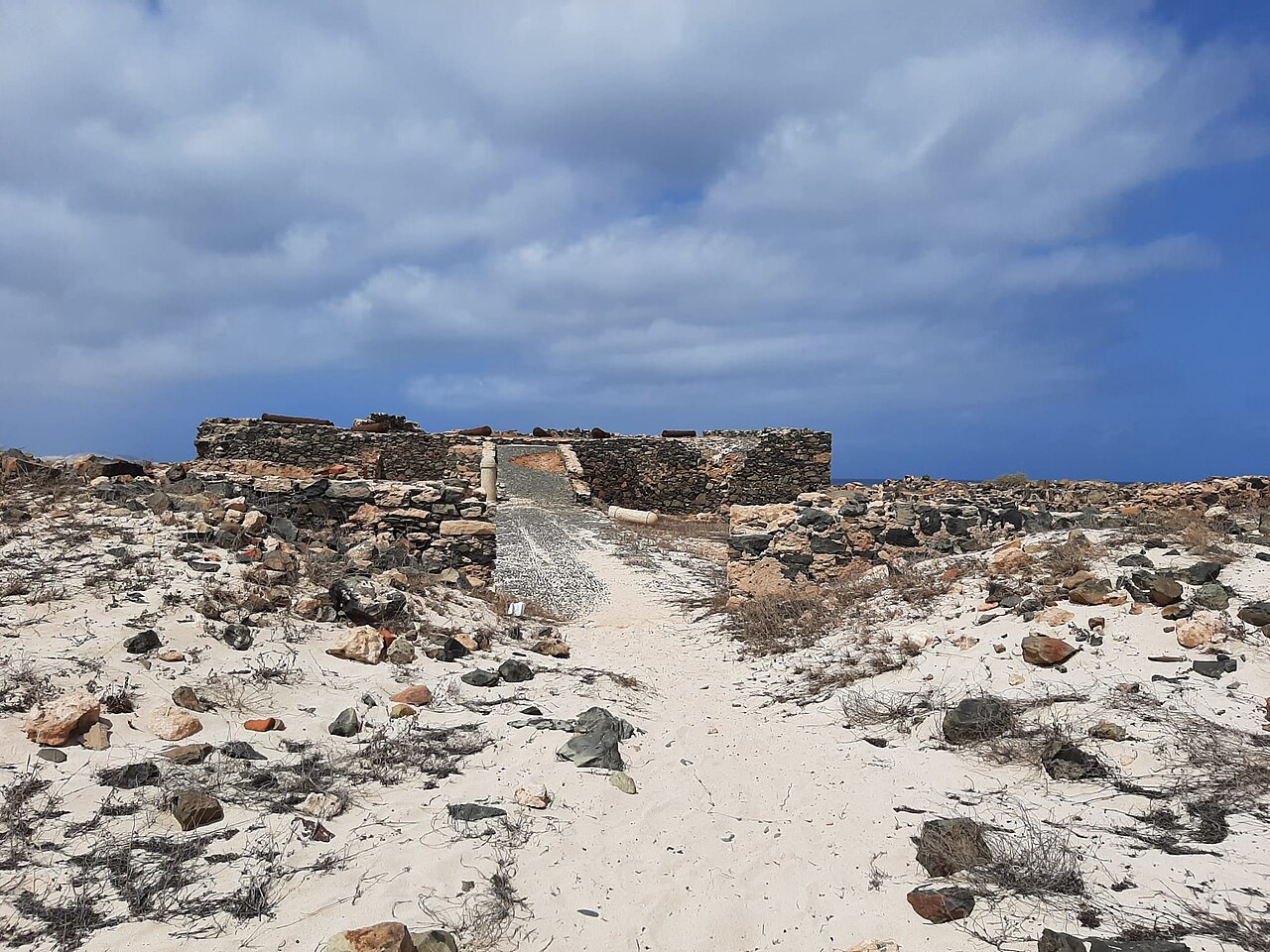
Today, the fort is recognized as a significant cultural and historical landmark in Guinea-Bissau. While some sections have suffered from the effects of time and tropical climate, it remains a well-preserved example of bastioned fortress architecture. Efforts have been made to maintain and restore parts of the structure to preserve its historical integrity and promote cultural heritage tourism.
Visitor information
The fort is accessible to visitors interested in colonial history and military architecture. Its location in Bissau makes it a key point of interest for tourists exploring the city and the wider region. Interpretive signage and guided tours provide insights into the fort's construction, historical significance, and architectural features.
Frequently asked questions (FAQ)
- What is the historical significance of Fortaleza de São José da Amura?
- Fortaleza de São José da Amura is a key historical site in Bissau, built in the 18th century by the Portuguese to defend against attacks from rival European powers and local tribes. The fortress symbolizes colonial history and has been a crucial part of the defense strategy in the region, showcasing the military architecture of its time.
- When was Fortaleza de São José da Amura built?
- Construction of the fortress began in 1687 and was completed in 1740. It served as a military stronghold throughout the colonial era, providing insights into the military history of Guinea-Bissau.
- Can I visit Fortaleza de São José da Amura?
- Yes, visitors are welcome to explore the fortress. It offers a glimpse into the region's history, and guided tours are often available to enhance the experience.
- What are the opening hours for Fortaleza de São José da Amura?
- Fortaleza de São José da Amura is typically open to visitors from 9 AM to 5 PM, Tuesday through Sunday. However, it's recommended to check for any changes in hours before your visit.
- Is it possible to access Fortaleza de São José da Amura with public transport?
- Yes, the fortress is accessible via public transportation within Bissau. Local buses and taxis frequently service the area, making it easy for visitors to reach this historical landmark.
- What is the best time to visit Fortaleza de São José da Amura?
- The best time to visit is during the dry season, from November to April, when the weather is more pleasant and conducive for exploring. This period offers clearer skies and cooler temperatures, ideal for sightseeing.
- Are there any nearby attractions to see while visiting Fortaleza de São José da Amura?
- Yes, nearby attractions include the National Museum of Guinea-Bissau and the vibrant local markets. Exploring these sites can provide a richer understanding of the culture and history of the region.
- What are the ticket prices for visiting Fortaleza de São José da Amura?
- Entrance fees for Fortaleza de São José da Amura are generally affordable, allowing visitors to appreciate its historical value without a significant expense. It's advisable to check the latest prices at the entrance or on the official tourism websites.
Photo gallery

Information
Loading map...
Visitor reviews
No reviews yet. Been here? Write the first review and help other travelers!
Write the first reviewVisited this castle? Share your experience
Your review helps other travelers and adds first-hand knowledge to our encyclopedia.