Alameda Castle
Alameda Castle stands as a rare and remarkable example of 15th-century military architecture in Madrid, Spain. Originally constructed in the late medieval period, this hill castle has witnessed centuries of transformation, from a fortified stronghold to a Renaissance palace, and finally to a cultural museum. Its strategic location atop a small hill in the Barajas district provided a commanding view of the surrounding territory, underscoring its historical military significance. Today, the castle is not only a preserved architectural monument but also a site of profound archaeological importance, revealing human settlement layers dating back to prehistoric times.
Medieval origins and strategic importance
The origins of Alameda Castle trace back to the late 14th or early 15th century, linked closely to the Zapata family, who held the seigniory encompassing the villages of Barajas and La Alameda. The castle's initial construction likely commenced around 1431, commissioned by Diego Hurtado de Mendoza, a prominent noble asserting his authority in the region. Situated within a repopulated village established in the 13th century, the castle's elevated position on a small hill made it a vital defensive and administrative center during the late Middle Ages.
The fortress played a notable role during the Castilian succession disputes, particularly after the Battle of Toro in 1476. It served as a refuge for supporters of Queen Juana la Beltraneja, highlighting its importance in regional power struggles. The castle's ownership passed to the Mendoza family and later intertwined with Madrid's noble circles through royal dowries, cementing its status as a symbol of aristocratic influence.
Renaissance transformation and noble residence
In the latter half of the 16th century, the castle underwent significant modifications under Francisco Zapata y Cisneros, the first Count of Barajas and lord of La Alameda. Around 1575, the fortress was transformed from a purely military installation into a luxurious Renaissance palace. This conversion included the addition of new residential wings on the eastern and southern sides, reflecting the period's architectural shift towards comfort and aesthetic appeal.
The construction of a prominent keep tower during this phase symbolized both defensive strength and noble prestige. The original defensive moat was replaced by ornamental gardens, marking a transition from martial utility to residential elegance. The castle's architectural style embraced Renaissance ideals, with enlarged windows and refined masonry work enhancing the living spaces.
Throughout this period, Alameda Castle hosted notable historical figures such as Fernando Álvarez de Toledo, Duke of Alba, in 1580, and Queen Margaret of Austria in 1599. The castle also witnessed darker episodes, including the death of the third Duke of Osuna during a brief captivity in the early 17th century, underscoring its complex role in aristocratic and political affairs.
Decline, damage, and military reuse
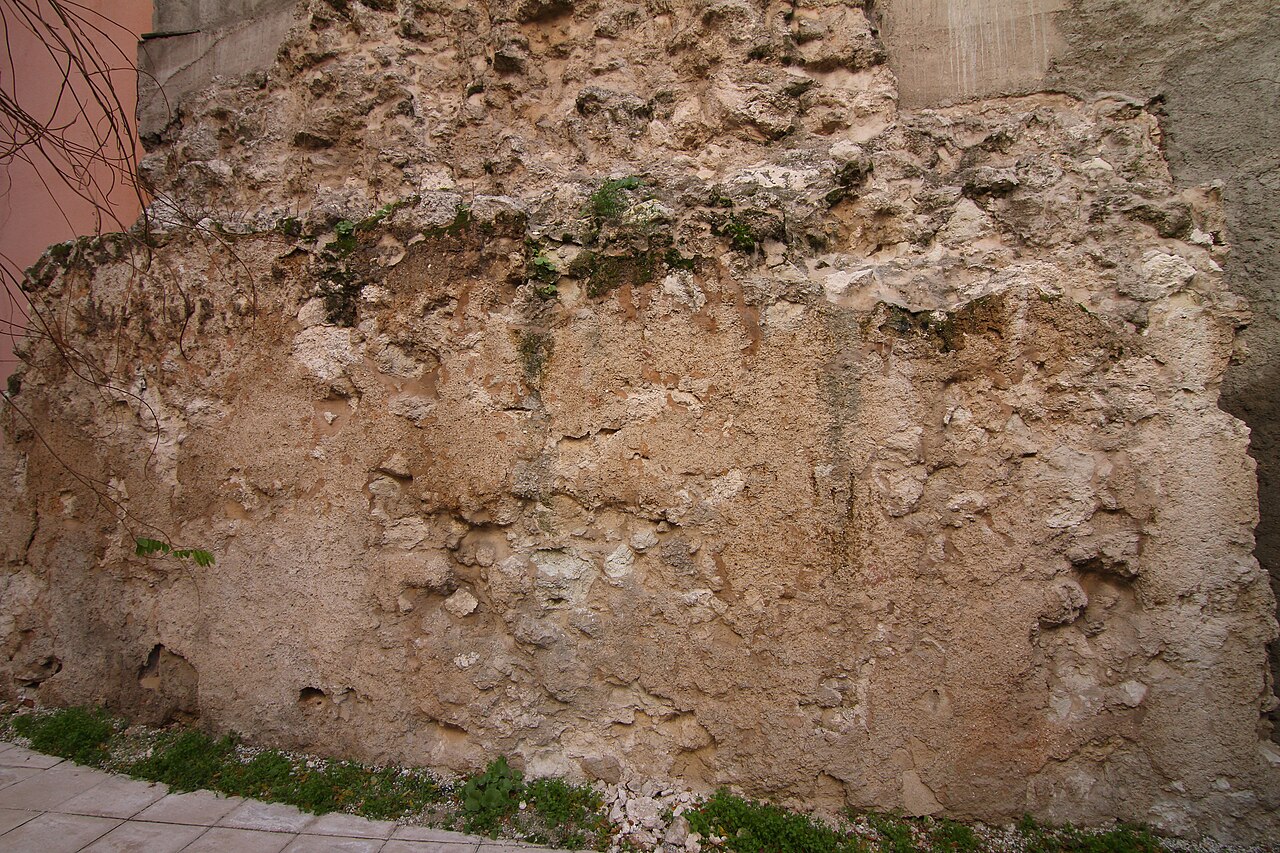
The castle suffered a major setback following a devastating fire in 1697, which led to its abandonment as a noble residence. During the 18th and 19th centuries, the ruins were extensively quarried for building materials, contributing to the castle's deterioration. Stones from the site were repurposed for local construction projects, including the nearby pantheon of the Fernán Núñez family, further eroding the historic fabric.
Despite its decline, the site resumed a military function during the Spanish Civil War in the 20th century. A machine gun nest and rifle cache were established near the castle as part of Republican defensive lines. These additions highlight the castle's enduring strategic relevance even in modern conflicts.
Archaeological significance and preservation efforts
Archaeological excavations beginning in 1996 uncovered a rich stratigraphy beneath the castle, revealing continuous human occupation from the Bronze Age through Roman times. These findings emphasize the site's long-standing importance as a settlement and cultural landmark.
Restoration efforts in the late 20th century, particularly between 1988 and 1989 under architect Pedro Herrero Pintó, stabilized the castle's remains and prepared it for public access. Since 2010, Alameda Castle has operated as a museum managed by the Madrid City Council, offering visitors insights into its layered history and architectural evolution.
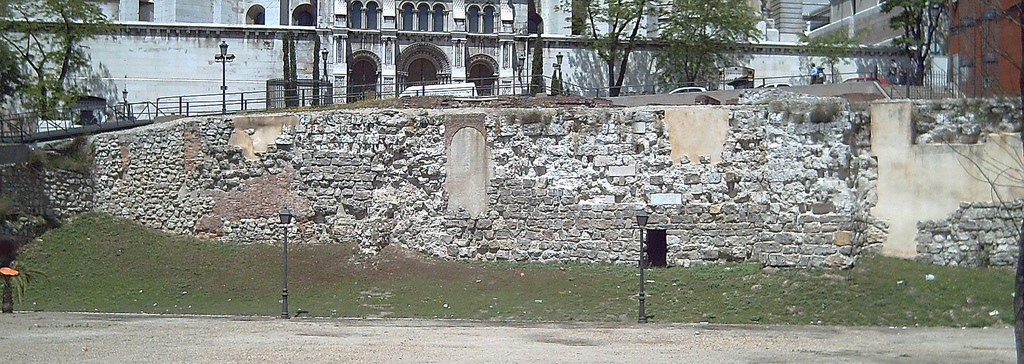
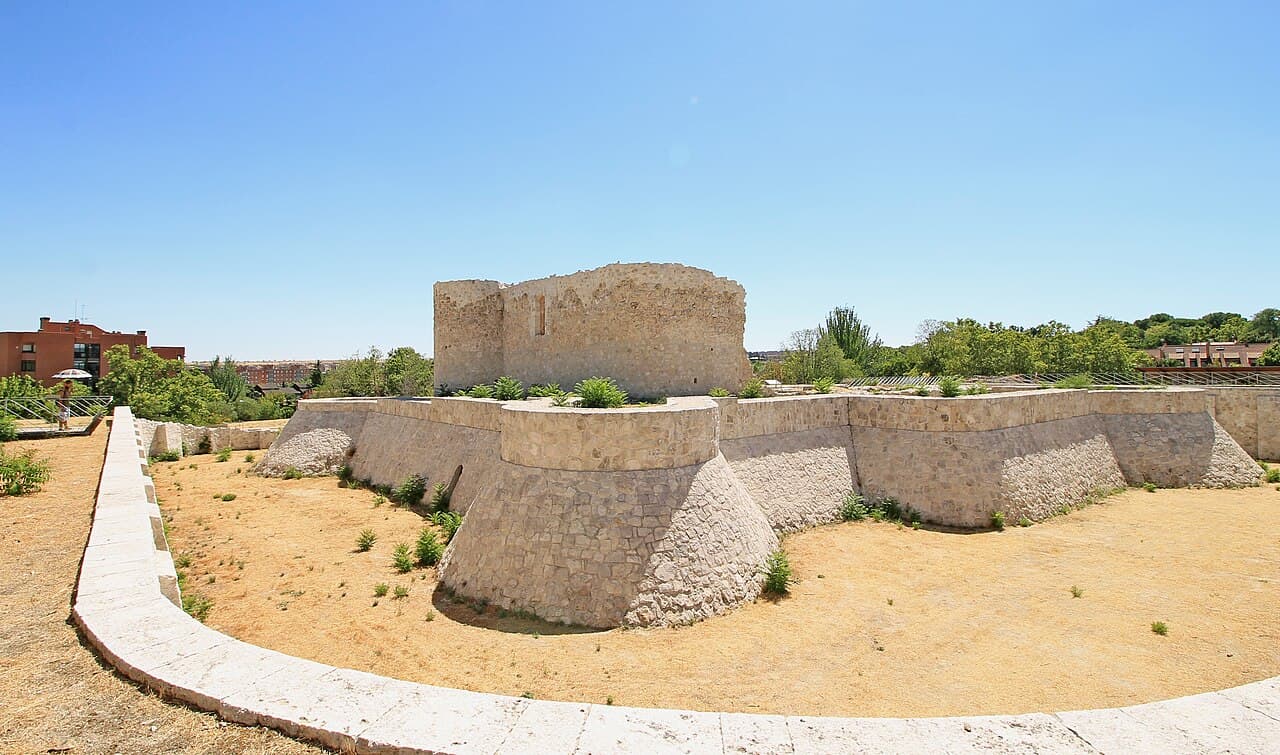
The castle's structure features a roughly rectangular plan with rounded corners, encompassing about 200 square meters. It includes two surviving towers: a quadrangular keep tower on the northeastern corner and a cylindrical tower on the southeastern side. The surrounding barbican and moat, though partially preserved, reflect the site's original defensive design.
The ensemble also includes ancillary historical elements such as the Guard House, a Civil War rifle cache, and the Fernán Núñez family pantheon, which remains in use. These features contribute to the site's comprehensive historical narrative, spanning from prehistoric times to modern heritage conservation.
Architectural features and design elements
Alameda Castle's architectural design illustrates the evolution of military and residential architecture from the late medieval period through the Renaissance. The original limestone masonry walls, with their robust construction and rounded corners, exemplify defensive strategies of the era. The juxtaposition of the square keep and cylindrical tower demonstrates varied approaches to fortification and surveillance.
During the Renaissance transformation, the castle's residential qualities were enhanced with larger windows and expanded living quarters, aligning with contemporary noble tastes. The replacement of the defensive moat with gardens signifies a shift towards a more peaceful and aesthetic environment.
Today, the castle's partially restored condition allows visitors to appreciate these architectural layers and the craftsmanship of different historical periods. The site stands as a testament to the adaptive reuse of medieval fortifications in response to changing social and political contexts.
Cultural heritage and visitor experience
Recognized as a Bien de Interés Cultural, Alameda Castle is protected as a significant cultural heritage site in Spain. Its museum function provides educational opportunities about medieval and Renaissance history, military architecture, and archaeological research.
Visitors can explore the castle's courtyard, towers, and surrounding grounds, gaining a comprehensive understanding of its historical roles. The proximity of prehistoric remains and later historical structures enriches the visitor experience, offering a unique glimpse into the region's continuous human presence.
The castle's location in Madrid's Barajas district makes it accessible to both locals and tourists interested in Spain's medieval past and architectural heritage. It stands as one of the few surviving medieval fortifications within the city's boundaries, contributing to Madrid's diverse historical landscape.
Photo gallery

Information
Website
Visit websiteSources & official resources
Verify the information above using these authoritative references.
Loading map...
Visitor reviews
No reviews yet. Been here? Write the first review and help other travelers!
Write the first reviewVisited this castle? Share your experience
Your review helps other travelers and adds first-hand knowledge to our encyclopedia.