Brüggen Castle
Brüggen Castle, locally known as Burg Brüggen, is a significant historic water castle located in the town of Brüggen, northwest of Mönchengladbach in the North Rhine-Westphalia region of Germany. This castle stands out for its strategic position guarding a ford over the River Schwalm and its role as the most important fortress in the northern part of the Duchy of Jülich.
The castle's origins date back to the 13th century, when it was initially constructed by the Counts of Kessel. The earliest recorded mention of Brüggen Castle is from 1289. Early on, it served a vital military function, controlling access across the river and protecting the surrounding region.
Medieval origins and architectural evolution
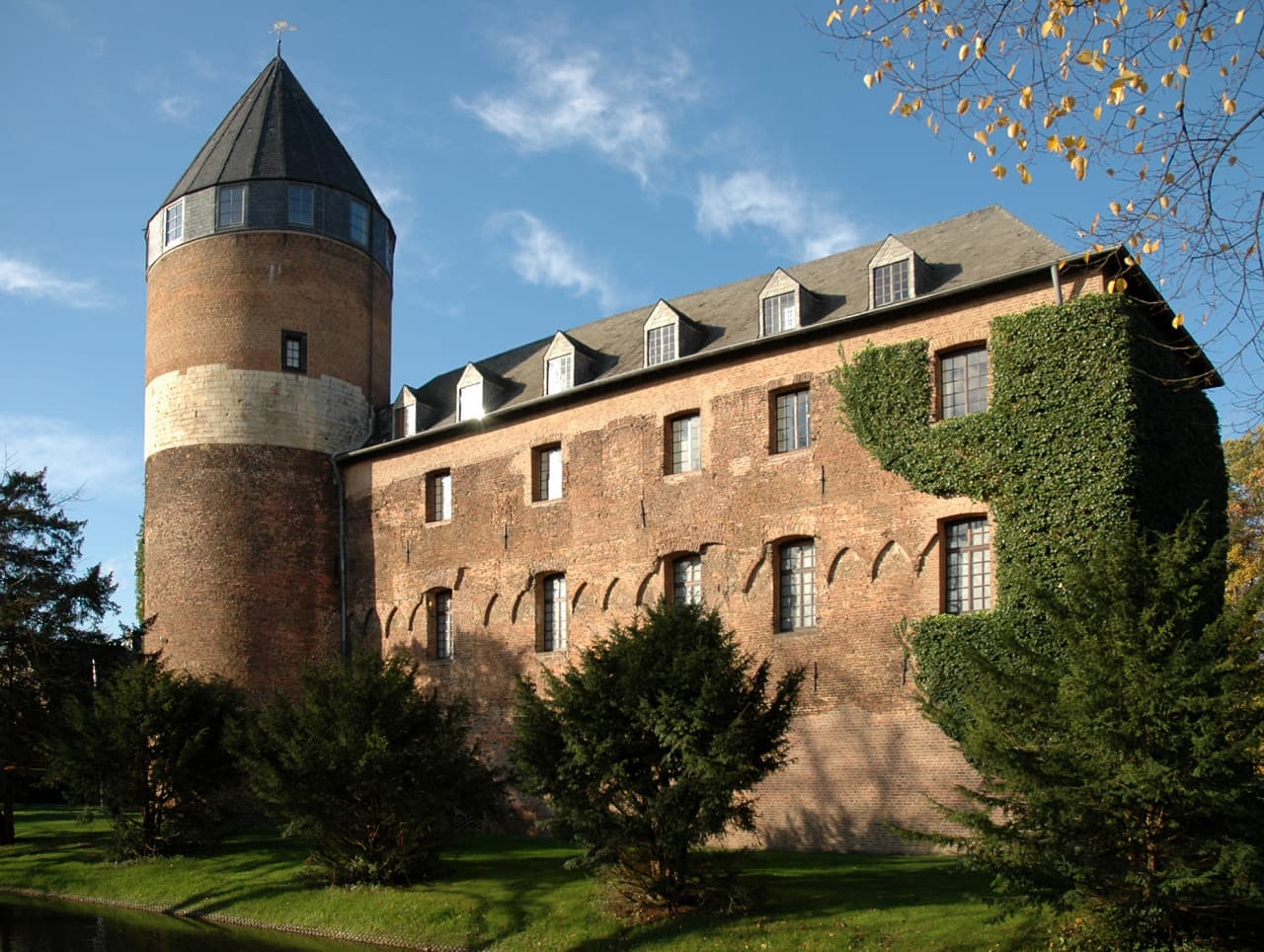
In 1306, the castle passed by inheritance to the Counts of Jülich, who undertook significant enhancements. By the mid-14th century, around 1350, it was transformed into a landesburg—a regional fortress—featuring a rectangular layout with four corner towers. This quadrangular design, primarily constructed of brick, was typical of the period and region, combining both defensive strength and residential functions.
The castle's fortifications were tested multiple times during the turbulent late medieval period. In 1473, troops under Charles the Bold, Duke of Burgundy, captured and plundered the castle. The following year, it suffered another assault by forces from the Duchy of Guelders. These attacks left the fortress badly damaged, necessitating repairs and leading to its pledge to the Counts of Moers. Ownership reverted to the Dukes of Jülich in 1494.
Renaissance adaptations and military significance
Between 1561 and 1577, Brüggen Castle underwent substantial enlargement and modernization to adapt to the evolving demands of warfare, particularly the advent of gunpowder artillery. These modifications included strengthening the walls and updating defensive structures to withstand cannon fire, reflecting Renaissance military architectural principles.
During the 17th century, the castle and town endured further conflict, notably attacks by Croatian soldiers during the Thirty Years' War and an assault by Brandenburg troops in 1651. Later, in 1758 during the Seven Years' War, the fortress was seized by the Duke of Braunschweig, illustrating its ongoing strategic importance in regional power struggles.
Changes in ownership and preservation
The latter part of the 18th century brought significant changes. In 1770, parts of the castle's earthworks were removed, reflecting changing military needs and perhaps the decline of the castle's defensive role. Following the French occupation in 1794, Brüggen Castle was confiscated and sold by the French authorities to a private individual, Johann Ludwig Dortans, in 1801.
Subsequently, in 1815, the castle was auctioned to Johann Heinrich Printzen. The property remained in private hands, and in 1934 it was acquired by the Stroetges family, who still own it today. In 1974, the family leased the castle to local authorities, facilitating its use as a museum and tourist information center.
Architectural features and current use
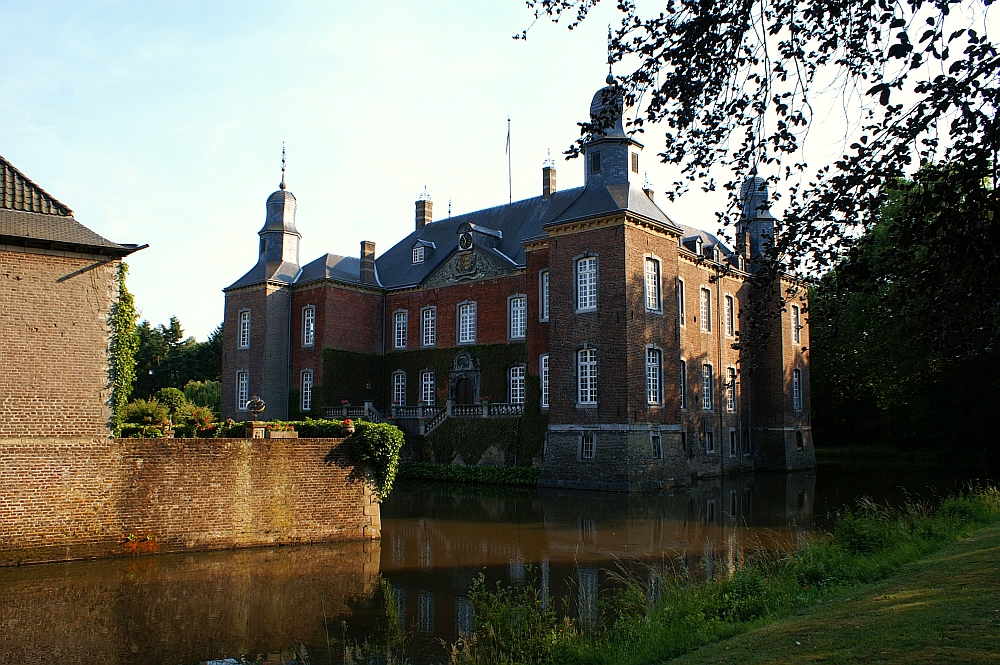
Brüggen Castle is characterized by its quadrangular brick construction, surrounded by a water-filled moat, a defining feature of water castles designed for enhanced defense. The castle includes four corner towers and robust curtain walls, typical of medieval fortifications adapted through the Renaissance period.
Today, the castle houses a hunting and natural history museum, offering visitors insights into the region's cultural and natural heritage. The museum's exhibits complement the castle's historic ambiance, making it a popular destination for tourists interested in medieval architecture and local history.
Historical significance and cultural heritage
As the most important castle in the northern Duchy of Jülich, Brüggen Castle played a crucial role in regional defense and administration for centuries. Its evolution from a medieval fortress to a Renaissance stronghold reflects broader trends in military architecture and regional politics.
The castle's survival through numerous conflicts, changes in ownership, and adaptations to new military technologies exemplifies the dynamic history of fortifications in the Rhineland area. Its preservation and current function as a museum ensure that this heritage remains accessible to the public.
Visitor experience and accessibility
Visitors to Brüggen Castle can explore its well-preserved exterior and the museum housed within its walls. The castle's location near the River Schwalm and its picturesque moat contribute to its charm. Access is facilitated by the local authorities, who manage the site as a cultural attraction.
The castle offers educational opportunities about medieval and Renaissance fortifications, regional history, and natural history, making it a valuable resource for both casual visitors and scholars.
Frequently asked questions (FAQ)
- What is the historical significance of Brüggen Castle?
- Brüggen Castle, built in the 15th century, is an important example of medieval architecture in Germany. It served as a residence for noble families and played a key role in the region's history, showcasing the power and influence of its occupants during the Middle Ages.
- When was Brüggen Castle built?
- Construction of Brüggen Castle began in 1450 and was completed in the late 15th century. The castle has undergone various renovations over the centuries, preserving its historical character while adapting to modern needs.
- Is it possible to visit Brüggen Castle?
- Yes, Brüggen Castle is open to visitors, offering guided tours that delve into its rich history and architecture. Visitors can explore the castle grounds and learn about its significance in the context of German heritage.
- What are the opening hours for Brüggen Castle?
- Brüggen Castle is typically open to the public from 10 AM to 5 PM, Tuesday through Sunday. It is advisable to check the official website for any seasonal changes in hours or special events.
- Can I buy tickets online for Brüggen Castle?
- Yes, tickets for Brüggen Castle can be purchased online through the official website, allowing visitors to skip the lines. This is particularly convenient during peak tourist seasons when the castle attracts many visitors.
- What is the best time to visit Brüggen Castle?
- The best time to visit Brüggen Castle is during the spring and early autumn months when the weather is pleasant, and the gardens are in full bloom. Additionally, visiting during weekdays can help avoid larger crowds.
- How accessible is Brüggen Castle for visitors with mobility challenges?
- Brüggen Castle has made efforts to improve accessibility for all visitors, including ramps and designated pathways. However, certain historic areas may still present challenges, so it is recommended to inquire in advance regarding specific needs.
- What nearby attractions can I visit while at Brüggen Castle?
- Visitors to Brüggen Castle can also explore the picturesque village of Brüggen, with its charming streets and shops. Nearby, the historic town of Viersen and the scenic landscapes of the Lower Rhine region are also worth a visit.
- What architectural features are notable in Brüggen Castle?
- Brüggen Castle features a mix of Gothic and Renaissance architectural styles, characterized by its impressive towers and fortified walls. The castle's moat and well-preserved interior give visitors a glimpse into medieval life and defensive strategies.
Photo gallery

Information
Sources & official resources
Verify the information above using these authoritative references.
Loading map...
Visitor reviews
No reviews yet. Been here? Write the first review and help other travelers!
Write the first reviewVisited this castle? Share your experience
Your review helps other travelers and adds first-hand knowledge to our encyclopedia.