Brštanik — Croatia castle

Brštanik

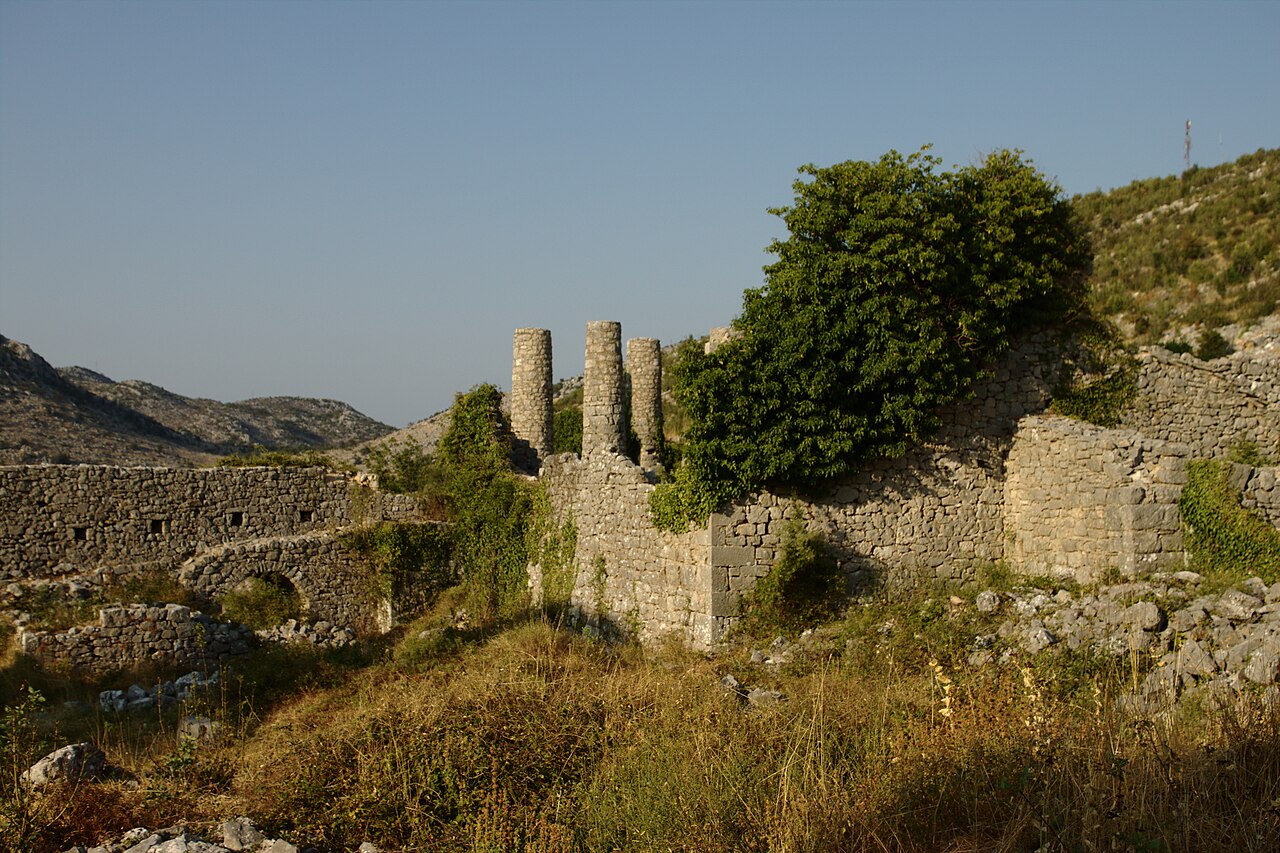
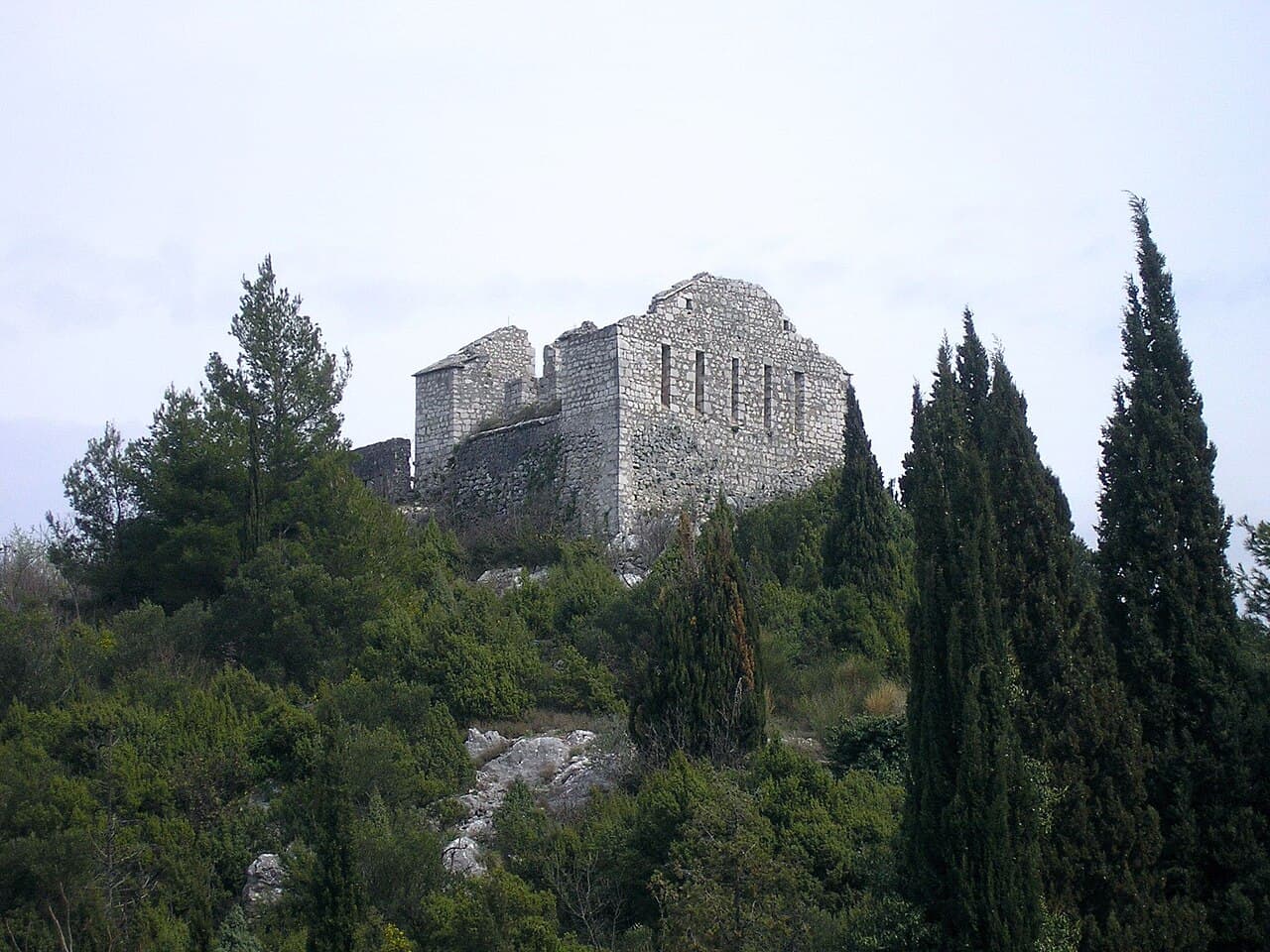
Brštanik castle ruins in Croatia
High Medieval (11th–13th c.)
Ruins

Brštanik castle is a notable example of high medieval fortifications located in Croatia. Though its exact city location remains unspecified, the castle's ruins offer valuable insight into the defensive architecture of the 13th century. As an archaeological site, Brštanik represents the remnants of a once strategically significant stronghold, reflecting the military and feudal history of the region during the High Middle Ages.

Historical context and significance

The castle was constructed in the 13th century, a period marked by the consolidation of feudal power and frequent territorial conflicts in Croatia and the broader Central European region. Castles built during this era served both as military fortresses and administrative centers for local lords. Brštanik likely played a role in controlling surrounding lands and protecting trade routes or settlements nearby.

Due to its current status as ruins, detailed historical records about Brštanik are limited. However, its existence contributes to understanding the distribution and characteristics of medieval Croatian castles, particularly those that did not survive intact through subsequent centuries of warfare and political change.

Architectural features and layout

Though only ruins remain, the site of Brštanik castle reveals typical elements of high medieval castle design. The remains suggest a stone-built fortress with defensive walls and possibly a central keep or tower, common in castles of the 13th century. The layout would have included a courtyard enclosed by curtain walls, with towers positioned for surveillance and defense.

Given its classification as an archaeological site, excavations have likely uncovered foundations and fragments of walls that help reconstruct the castle's original structure. The use of local stone materials and medieval construction techniques can be inferred from the ruins.

Preservation and current condition

Brštanik castle is currently in a state of ruins, with only partial remains of walls and structural elements visible. This condition reflects centuries of exposure to natural elements, possible destruction during conflicts, and lack of continuous maintenance. The site is valuable for archaeological study and offers visitors a glimpse into medieval fortification styles.

Efforts to preserve the ruins focus on stabilizing existing structures to prevent further deterioration. As an archaeological site, it may be protected under Croatian heritage laws, ensuring its conservation for historical and educational purposes.

Visiting Brštanik castle ruins

While specific visitor information is scarce due to the unknown precise location, archaeological ruins like Brštanik typically attract historians, archaeologists, and tourists interested in medieval architecture and Croatian history. Visitors should prepare for limited facilities and accessibility challenges common to such sites.

Exploring the ruins provides an opportunity to appreciate the craftsmanship and strategic design of medieval fortresses, as well as to connect with Croatia's feudal past.

Brštanik castle in the context of Croatian medieval castles

Brštanik is part of a broader network of medieval castles scattered across Croatia, many of which date from the same period. These castles were integral to the defense and administration of territories during turbulent times marked by invasions, dynastic struggles, and the rise of regional powers.

Compared to better-preserved castles, Brštanik offers a more archaeological perspective, highlighting the challenges of preserving medieval heritage and the importance of ongoing research to uncover Croatia's historical landscape.

Frequently asked questions (FAQ)

How do I get to Brštanik Castle?
Brštanik Castle is located in Croatia, easily accessible by car or public transport. If you're driving, you can follow the main roads from nearby cities like Zagreb or Rijeka, and ample parking is available near the castle.
What is the historical significance of Brštanik Castle?
Brštanik Castle dates back to the 15th century and played a vital role in the region's defense against invasions. Its rich history is reflected in its architecture and the stories of the noble families that inhabited it.
When was Brštanik Castle built?
Construction of Brštanik Castle began in the late 15th century, with its strategic location intended to protect the surrounding areas. Over the centuries, it underwent several renovations, preserving its historical charm.
Can I take guided tours of Brštanik Castle?
Yes, guided tours are available and provide an in-depth look at the castle's history and architecture. It is recommended to book in advance, especially during peak tourist seasons, to ensure a spot.
Why is Brštanik Castle a popular tourist attraction?
Brštanik Castle attracts visitors due to its stunning architecture, picturesque surroundings, and fascinating history. It offers a unique glimpse into medieval life and is a perfect spot for photography and exploration.
Is it possible to visit Brštanik Castle with children?
Absolutely! Brštanik Castle is family-friendly, with plenty of open space for children to explore. The tours can also be tailored to be engaging for younger visitors, making it an educational experience.
What are the opening hours for Brštanik Castle?
Brštanik Castle is typically open for visitors from 9 AM to 6 PM, but hours may vary during the off-peak season. It’s advisable to check the official website or contact the castle for the most up-to-date information before your visit.
What are the ticket prices for Brštanik Castle?
Ticket prices for Brštanik Castle are quite reasonable, with discounts often available for students and seniors. Children under a certain age may enter for free, making it an affordable destination for families.
When is the best time to visit Brštanik Castle?
The best time to visit Brštanik Castle is during the late spring or early autumn when the weather is pleasant and the crowds are smaller. Visiting during this time allows you to enjoy the beautiful natural scenery that surrounds the castle.
Are there any nearby attractions to visit along with Brštanik Castle?
Yes, there are several nearby attractions including beautiful hiking trails and other historical sites. A visit to the local villages can also enrich your experience with traditional Croatian culture and cuisine.

Photo gallery

Brštanik
Click to view

Photo by Ma▀▄Ga•CC BY 3.0

1 photo • Click any image to view in full screen

Information

Archaeological Site / Ruins

Loading map...

Visitor reviews

No reviews yet. Been here? Write the first review and help other travelers!

Write the first review

Visited this castle? Share your experience

Your review helps other travelers and adds first-hand knowledge to our encyclopedia.
Write a review

(5/5)

0/2000 characters

Your review will be visible after admin approval

Nearby castles

19.4 km
Počitelj Castle — Bosnia and Herzegovina castle

Počitelj Castle

Čapljina, Bosnia and Herzegovina

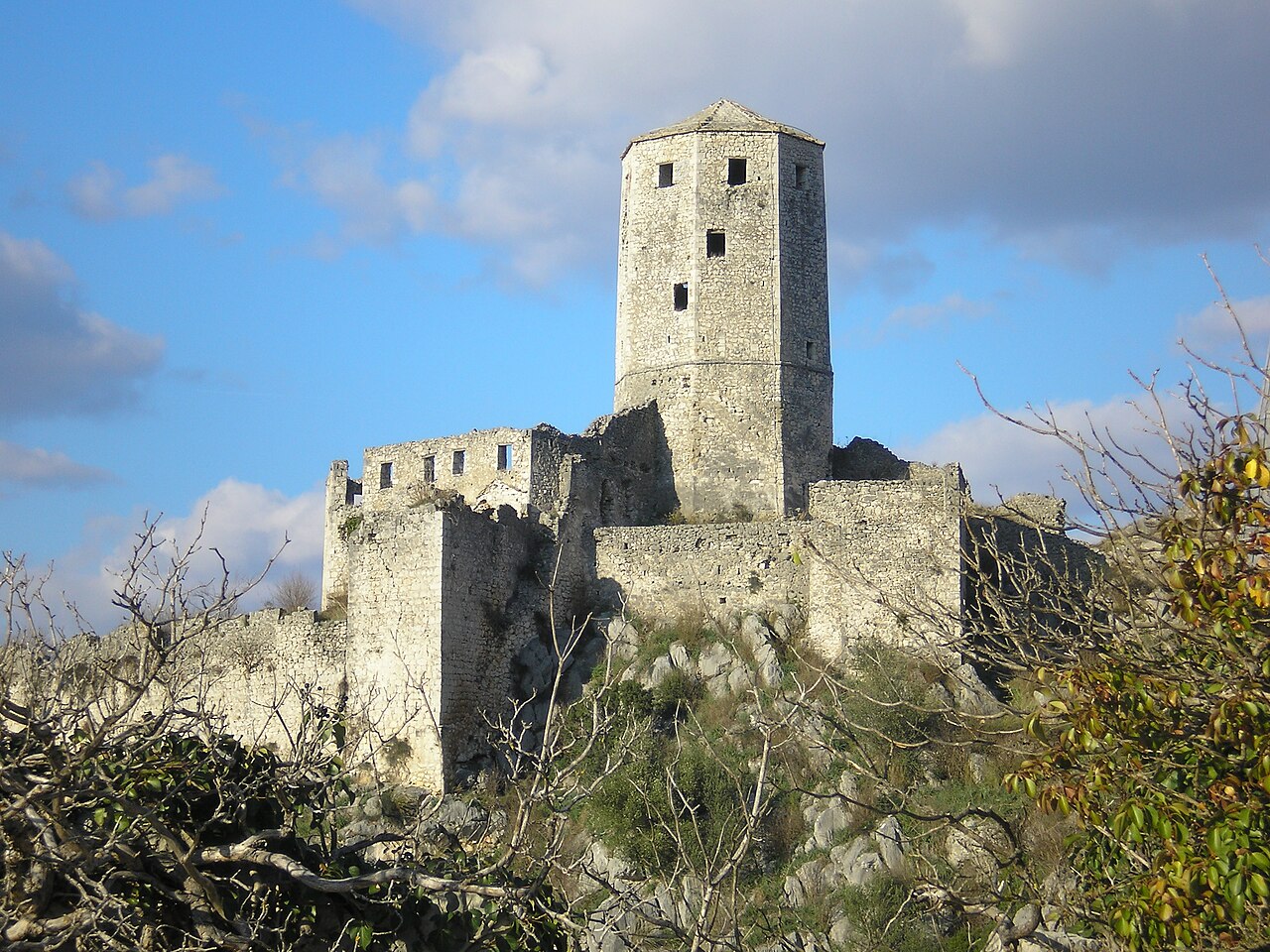
Počitelj Castle stands as a significant medieval fortress and Ottoman heritage site in the town of Počitelj, near Čapljina in Bosnia and Herzegovina. Founded in 1383 by King Stjepan Tvrtko I of Bosnia, this castle played a crucial role in controlling the vital merchant route connecting the Bosnian interior with the Adriatic coast. Situated strategically on a karstic rock overlooking the Neretva river valley, the fortress was both a military stronghold and an administrative center for the surrounding region known as Dubrava župa. Historical significance and strategic location During the Late Medieval period, Počitelj was the westernmost point of the Bosnian kingdom's governance, granting it major strategic importance. The castle and its fortified town were established to secure the trade route passing through Drijeva trg, a key trading post, ensuring control over commerce between inland Bosnia and the Adriatic Sea. This made Počitelj a vital hub for economic and military activities. Over time, the fortress evolved as political powers shifted. After the Ottoman conquest of Bosnia in the 15th century, Počitelj became a prominent Ottoman settlement. The Ottomans expanded the fortifications and developed urban infrastructure, including residential buildings, a hammam (bathhouse), and a mosque, reflecting the cultural and architectural influences of the empire. Architectural features and evolution Medieval fortifications The original medieval fortress, built under King Tvrtko I, was designed primarily for defense. It features thick stone walls, bastions, and a compact layout adapted to the rocky terrain. The castle's design reflects typical Late Medieval military architecture, emphasizing strong fortifications to withstand sieges and attacks. Ottoman additions and urban development The Ottoman period brought significant architectural changes. The fortress complex expanded to include civilian structures such as , a mosque, and a bathhouse. The Ottomans also enhanced the fortress's defensive capabilities by adding bastioned walls and towers, blending medieval military architecture with Ottoman styles. One of the most notable features is the Gavran-captain tower (Gavran-kapetanova kula), which dominates the fortress skyline. This tower is perched on a karstic rock high above the Neretva river, serving both as a lookout and a symbol of the fortress's enduring military significance. Preservation and current status Today, Počitelj Castle is recognized as a cultural and historical monument of great importance in Bosnia and Herzegovina. The site preserves the layered history of medieval Bosnian and Ottoman architecture, offering visitors panoramic views of the surrounding landscape. The castle's stone-built structures remain largely intact, showcasing the craftsmanship and defensive ingenuity of both periods. Efforts have been made to maintain and restore parts of the fortress and the historic walled town it overlooks. Počitelj continues to attract scholars, tourists, and heritage enthusiasts interested in the complex history of the Balkans and the architectural fusion present at this site. Visiting Počitelj Castle The castle is accessible to visitors who wish to explore its historic walls, towers, and the surrounding town. Walking through the fortress offers a tangible connection to the medieval and Ottoman eras, with opportunities to observe architectural details such as battlements, gates, and courtyards. The elevated position provides sweeping views of the Neretva river valley and the nearby landscape. Visitors can also explore the remnants of the Ottoman settlement within the fortress complex, including the mosque and bathhouse ruins, which highlight the cultural diversity and historical layers of Počitelj.

Late Medieval (14th–15th c.)
Details
20.4 km

Hutovo Castle

Neum, Bosnia and Herzegovina

Hutovo fortress, also known locally as Hadžibegov Grad, is a significant Renaissance-era castle situated in the municipality of Neum, Bosnia and Herzegovina. This fortress commands a strategic position atop a hill overlooking the Prešjeci pass, an important route historically used by salt caravans from Ston traveling inland. Its location below Žaba mountain and southwest of the village of Hutovo highlights its role in controlling passage through this narrow corridor between the Adriatic coast and the Bosnian interior.The fortress dates back to the 16th century, during the Renaissance period, when fortifications in this region were adapted to the evolving needs of warfare, particularly the introduction of firearms. The name Hadžibegov Grad derives from its last known lord, Hadžibeg Rizvanbegović, a notable local figure whose stewardship marked the final phase of the fortress's active use.Architectural design and defensive featuresHutovo fortress is distinguished by its irregular pentagonal layout, a design that maximizes defensive coverage. The fortress encompasses an enclosed area of relatively flat terrain, with walls stretching approximately 70 meters from east to west. The eastern section is about 50 meters wide, tapering to 30 meters in the west. This shape allowed defenders to cover every angle effectively, a crucial feature given the fortress's role in guarding a vital mountain pass.The fortress is reinforced by nine towers, strategically positioned at each corner of the pentagon and at additional points along the walls. These towers are robust and tall, designed to provide vantage points for soldiers equipped with firearms. The walls themselves are thick and solid, constructed to resist artillery and small arms fire, reflecting the military architectural advancements of the Renaissance era.Adaptations for firearm defenseUnlike earlier medieval castles designed primarily for defense against melee and siege engines, Hutovo fortress incorporates architectural features that accommodate firearms. The positioning of towers and the thickness of the walls were carefully planned so that defenders could cover all approaches with gunfire, eliminating blind spots and enhancing the fortress's defensive capabilities.Historical context and significanceThe fortress played a pivotal role in controlling the Prešjeci pass, a key transit route for valuable commodities such as salt. The salt caravans traveling from the coastal town of Ston to inland regions frequently passed beneath this stronghold, making it a critical point for monitoring and taxing trade during the Ottoman period in Bosnia and Herzegovina.Hadžibeg Rizvanbegović, the last lord of the fortress, was a prominent figure in the region, and his name became synonymous with the castle itself. The fortress stands as a testament to the military and administrative organization of the area during the Renaissance and Ottoman periods.Preservation and revitalization effortsBy the 20th century, Hutovo fortress had fallen into disuse and partial ruin. Recognizing its cultural and historical value, the National Museum of Bosnia and Herzegovina initiated revitalization efforts in 1969. These efforts aimed to stabilize the remaining structures and preserve the fortress as a heritage site.Archaeological work at the site uncovered several important artifacts, including three inscribed slabs. These slabs are now housed in the Country House Museum's lapidary in Hutovo, providing valuable insights into the fortress's history and the people who inhabited it.Visiting Hutovo fortress todayVisitors to Hutovo fortress can explore the remains of the imposing walls and towers, gaining a sense of the fortress's scale and strategic importance. Its location offers scenic views of the surrounding landscape, including the nearby Hutovo Blato nature reserve and the rugged terrain of Žaba mountain.The fortress's accessibility along the narrow road connecting Hutovo Blato to Neum makes it a noteworthy destination for those interested in Renaissance military architecture and Bosnian heritage. While the fortress is partially preserved, it remains a compelling example of a Renaissance pentagonal fortress adapted for early firearm defense.

Renaissance (15th–17th c.)
Details
20.9 km
Hutovo Fortress — Bosnia and Herzegovina castle

Hutovo Fortress

Neum, Bosnia and Herzegovina

Hutovo fortress, also known as Hadžibegov Grad or Hutovski Grad, is a notable 16th-century bastioned fortress located in the municipality of Neum, near the village of Hutovo in Bosnia and Herzegovina. This fortress exemplifies the Renaissance military architecture that was prevalent during its time of construction, reflecting the strategic defensive needs of the region during the Ottoman period. Historical context and significance The fortress was constructed in the 16th century, a period marked by frequent military conflicts and territorial disputes in the Balkans. It served as a defensive stronghold against incursions and played a vital role in controlling the surrounding area. The name Hadžibegov Grad indicates its association with a local Ottoman noble, the Hajji Bey, who likely commissioned or managed the fortress during its operational period. Situated near the Adriatic coast, the fortress was strategically positioned to oversee important land routes and protect nearby settlements. Its location in the municipality of Neum places it within a historically contested zone, where Ottoman and Venetian influences often clashed. Architectural features and design Hutovo fortress is classified as a bastioned fortress, a style that emerged in the Renaissance era to counter the development of artillery and gunpowder weaponry. This type of fortress features angled bastions projecting outward from the main walls, allowing defenders to cover adjacent walls with overlapping fields of fire and reducing blind spots. The fortress's walls are constructed from local stone, thick and robust to withstand cannon fire. The bastions are designed with a polygonal shape typical of Renaissance military engineering, enhancing defensive capabilities. The layout likely includes a central courtyard, surrounded by walls and bastions, with gates providing controlled access. Additional features may include embrasures for cannons, defensive ditches or moats, and internal chambers for garrison quarters, storage, and command posts. Although details about the exact internal arrangements are limited, the fortress's design reflects the practical military architecture of its time. Current condition and preservation Today, Hutovo fortress remains a significant historical monument, although its condition varies. It is considered partially preserved, with some sections of the walls and bastions still intact, while other parts have suffered from neglect and natural decay. Efforts to maintain and restore the fortress have been sporadic, reflecting challenges common to many heritage sites in the region. The fortress is accessible to visitors interested in exploring Bosnia and Herzegovina's medieval and Renaissance military heritage. Its location near the village of Hutovo and the municipality of Neum makes it a point of interest for cultural tourism and historical studies. Hutovo fortress in the context of Bosnian fortifications Within Bosnia and Herzegovina, Hutovo fortress represents a typical example of Ottoman-era fortifications adapted to Renaissance military innovations. It complements other regional fortresses that illustrate the evolution of defensive architecture in response to changing warfare technologies and geopolitical pressures. The fortress contributes to understanding the complex history of the region, where local rulers, Ottoman authorities, and neighboring powers vied for control. Its bastioned design marks a transition from medieval fortresses to early modern military constructions, highlighting the adaptation of European architectural concepts in the Balkans.

Renaissance (15th–17th c.)
Details