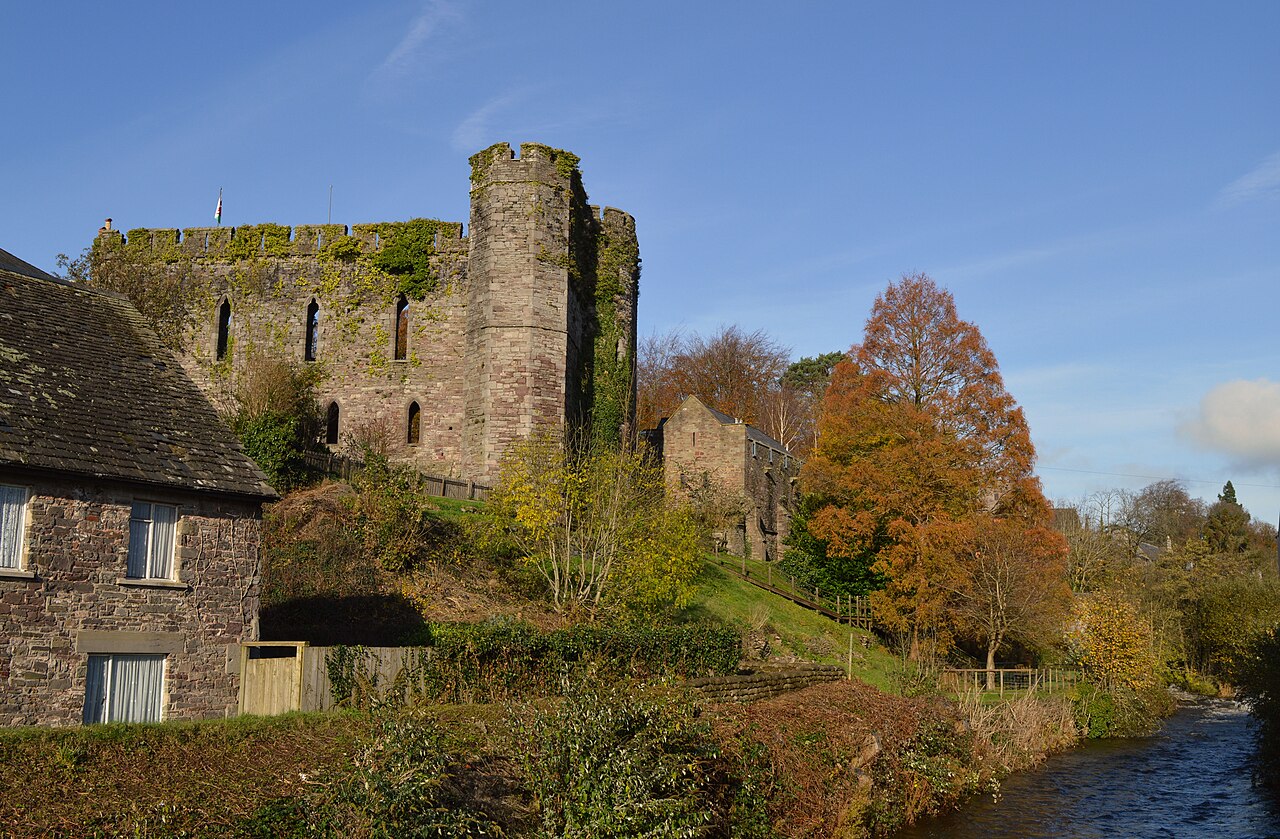
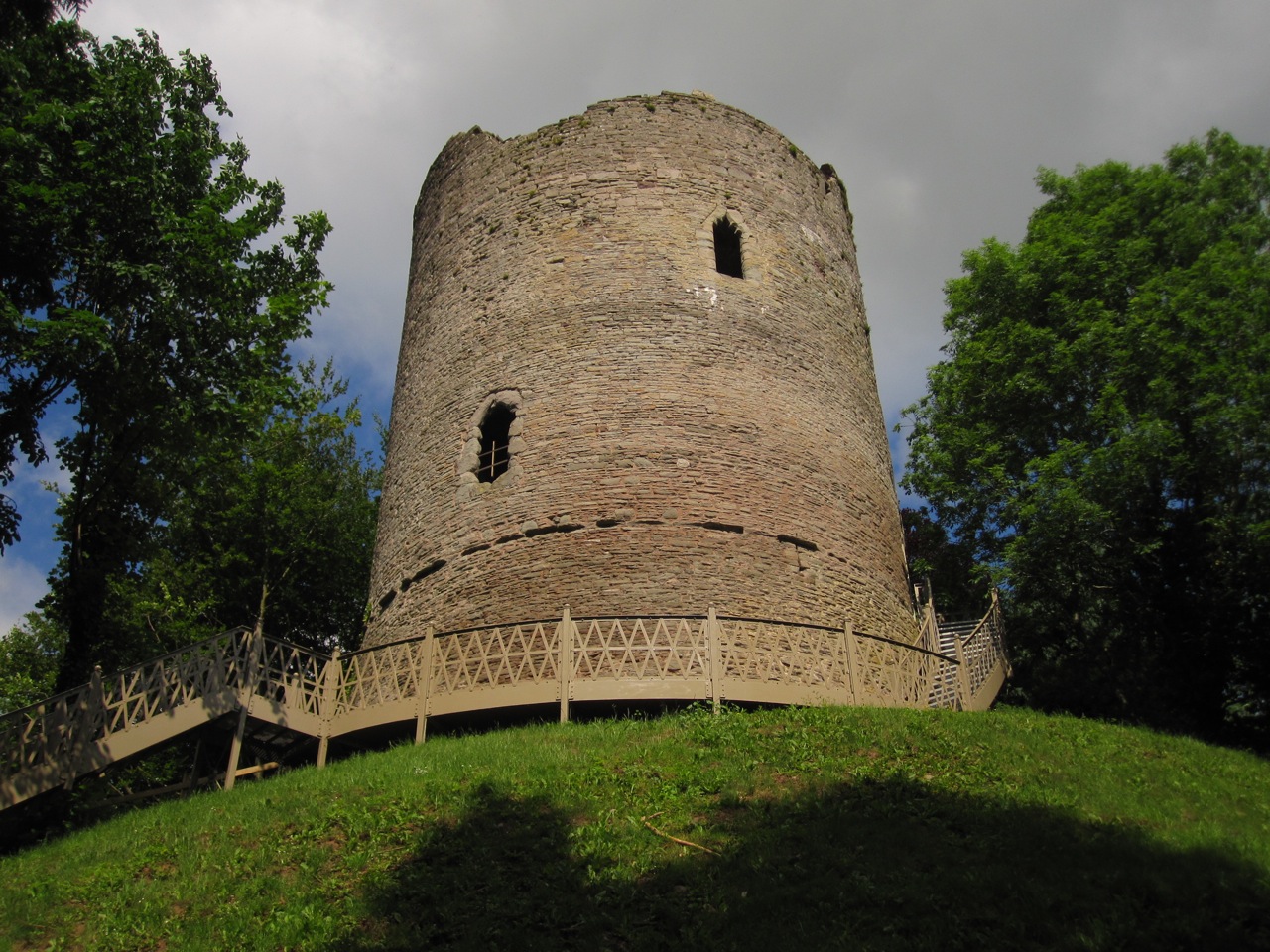
Brecon Gaer Roman Fort
Brecon Gaer Roman Fort, located in the rural landscape of Powys, Wales, represents one of the most significant Roman military sites in the region. Established around AD 75, this fort was a critical part of the Roman Empire's defensive network in western Britain, strategically positioned at the junction of two important Roman roads. Its location allowed for effective control and communication across the surrounding territory, serving as a hub for military operations and regional administration during the Roman occupation.
Historical context and strategic importance
During the 1st century AD, the Roman Empire expanded into Wales, facing resistance from native tribes. The construction of Brecon Gaer was part of a broader campaign to establish Roman authority and secure supply and communication lines. The fort was garrisoned by the Vettonian Spanish Cavalry Regiment, an elite unit known for its cavalry skills, which underscores the site's military significance.
The fort's placement at the crossroads of two major Roman roads facilitated rapid troop movements and logistical support. This connectivity was vital for maintaining Roman control over the region and for responding to local uprisings or external threats.
Architectural features and layout
Brecon Gaer was a substantial fortification, featuring strong defensive structures typical of Roman military architecture. The site included a large enclosure surrounded by robust walls, which still survive up to 8 feet (2.4 meters) high in some sections. These walls incorporated several defensive towers designed to provide vantage points for surveillance and defense against attacks.
The fort's gateways were significant architectural elements, with two large entrances controlling access. These gateways were fortified to withstand sieges and regulate movement in and out of the fort.
Within the fort, archaeological evidence reveals the presence of key Roman military buildings, such as a guardhouse, granary, and a heated bathhouse. The granary was essential for storing food supplies, ensuring the garrison could sustain itself during extended campaigns. The bathhouse reflects the Roman emphasis on hygiene and social life within military installations.
Archaeological remains and preservation
Today, Brecon Gaer Roman Fort exists as a partially preserved archaeological site. While much of the original structure has been lost or reduced over time, the surviving walls, towers, and gateways provide valuable insights into Roman military engineering and daily life at the fort. The remains are set within farmland, offering a tranquil contrast to the site's former strategic importance.
Ongoing archaeological studies continue to uncover details about the fort's construction phases, garrison composition, and its role within the wider Roman frontier system in Wales.
Visiting Brecon Gaer Roman Fort
The site is accessible to visitors interested in Roman history and archaeology. While there are no extensive visitor facilities on-site, the remains can be explored on foot, allowing visitors to appreciate the scale and layout of the fort. Informational signage helps contextualize the ruins within the broader history of Roman Britain.
Its rural setting offers an opportunity to experience the landscape much as it would have appeared during Roman times, providing a tangible connection to the past.
Frequently asked questions (FAQ)
- When was Brecon Gaer Roman Fort built?
- Brecon Gaer Roman Fort was established around AD 75 during the Roman expansion into Wales.
- What remains can be seen at Brecon Gaer today?
- Visitors can see sections of defensive walls up to 8 feet high, remains of towers, two large gateways, and foundations of Roman military buildings like a granary and bathhouse.
- Who garrisoned Brecon Gaer Roman Fort?
- The fort was manned by the Vettonian Spanish Cavalry Regiment, an elite Roman cavalry unit stationed in the region.
- Is Brecon Gaer accessible to the public?
- Yes, the site is open for visitors to explore on foot, though facilities are limited and it is primarily an archaeological ruin.
- What was the strategic importance of Brecon Gaer?
- Its location at the junction of two major Roman roads made it a key military and logistical base for controlling the surrounding area in Roman Wales.
Information
Loading map...
Visitor reviews
No reviews yet. Been here? Write the first review and help other travelers!
Write the first reviewVisited this castle? Share your experience
Your review helps other travelers and adds first-hand knowledge to our encyclopedia.