Boy's Tower
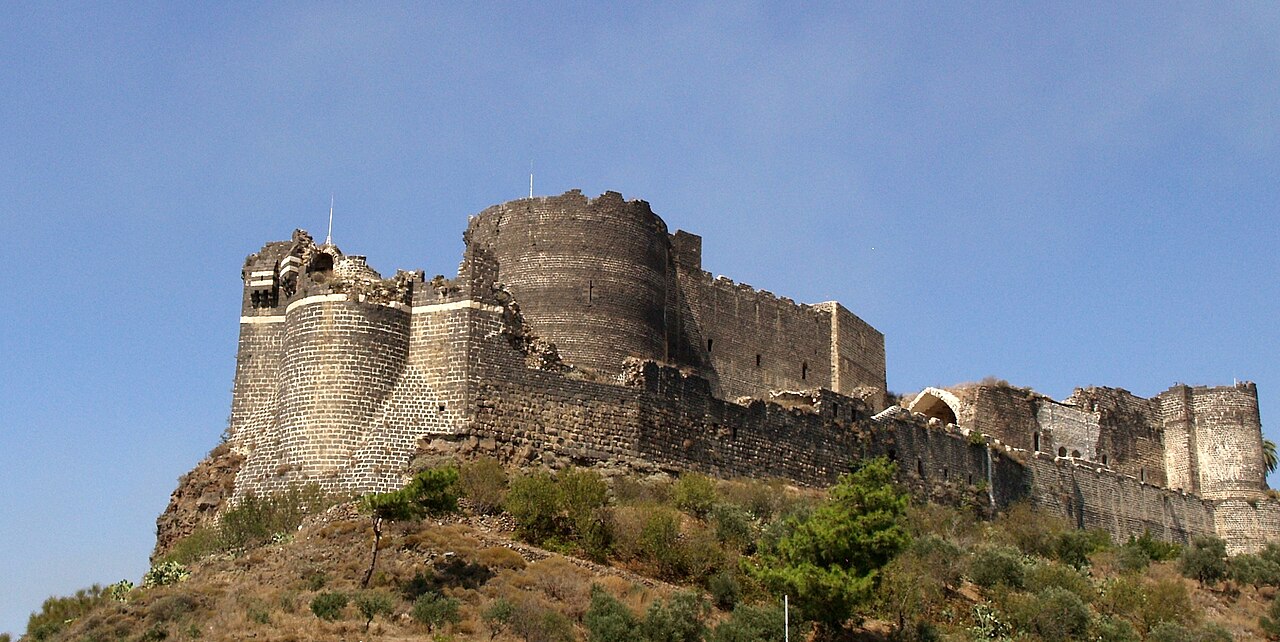
Boy's Tower, locally known as Burj Al-Sabi, is a significant medieval fortress located on a strategic hill overlooking the coastal highway M1 between Baniyas and Tartus in the Dar'a region of the Syrian Arab Republic. This tower played a crucial role in the defense network of the nearby Margat Castle, one of the most formidable Crusader fortresses in the Levant. Constructed primarily in the 13th century, the tower exemplifies the military architecture typical of the High Medieval period in this region.
The tower was built as a three-storey rectangular keep using durable basalt masonry, a material abundant in the area and prized for its strength and resilience. Its primary function was to serve as a watchtower and a defensive outpost guarding the approaches to Margat Castle from the coast. Positioned to protect the small port of Margat and to control the vital coastal road leading to Tartus, the tower was an integral part of a larger defensive system.
Architectural features and strategic importance
The Boy's Tower was not a standalone structure but part of a fortified perimeter that included a defensive wall extending from Margat Castle down towards the seafront. Historical records from 1233 mention a gate near the tower in this wall, which allowed travelers to pass and where tolls were collected from merchants. Notably, members of the Knights Templar could pass through this gate without paying tolls, reflecting the military and economic significance of the site.
The tower's design as a keep suggests it was built to withstand sieges and provide a secure refuge for its garrison. The basalt walls would have been thick and resistant to battering, while the height of the tower provided excellent visibility over the surrounding landscape and the coastal road. This vantage point was essential for early warning of approaching enemies or pirates threatening the port and trade routes.
Legend and possible underground connections
Local tradition holds that a secret tunnel once connected Boy's Tower directly to Margat Castle. Such a passage would have been a strategic asset, allowing the transfer of supplies and reinforcements during times of siege or attack. While no archaeological evidence has conclusively confirmed this tunnel's existence, the legend underscores the interconnectedness of the fortifications in this region during the Crusader period.
Historical context and role in the Crusader defense network
During the late 12th and early 13th centuries, the coastal region of Syria was a contested frontier between Crusader states and Muslim forces. Margat Castle, also known as Marqab, was one of the largest and most heavily fortified Crusader castles in the Levant. Boy's Tower functioned as a forward defensive position, helping to secure the approaches to Margat and maintain control over key maritime and overland routes.
The tower's association with the Knights Templar indicates its importance within the Crusader military hierarchy. The Templars were known for their skill in fortification and defense, and their ability to move freely through the gate near the tower suggests they maintained operational control of the area. The collection of tolls at the gate also highlights the economic dimension of the tower's role, regulating trade and movement along the coast.
Current condition and preservation efforts
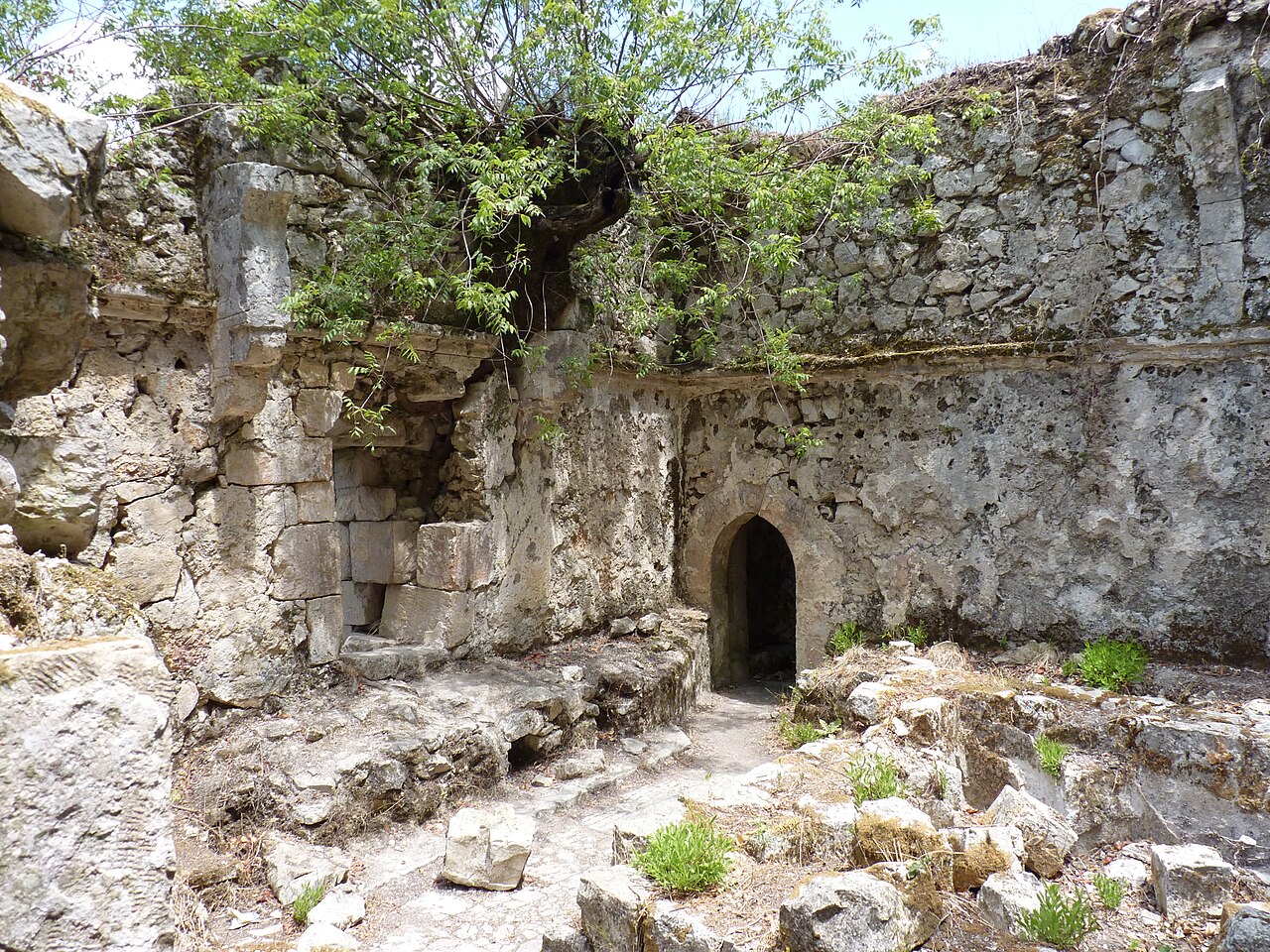
Today, Boy's Tower remains a prominent landmark visible from the coastal highway, although it is not as extensively studied or restored as Margat Castle itself. The tower appears to be partially preserved, with its basalt walls still standing but likely suffering from the effects of time and conflict in the region. Recent observations suggest that restoration or conservation work may be underway to stabilize the structure and prevent further deterioration.
Access to the tower is limited, and it is unclear whether it is officially open to visitors. Its remote location and the ongoing challenges in the region have restricted detailed archaeological investigation and tourism development. Nonetheless, Boy's Tower remains a valuable piece of the medieval military landscape of Syria, offering insights into the defensive strategies employed by the Crusaders along the eastern Mediterranean coast.
Architectural and cultural significance
Boy's Tower exemplifies the characteristics of a High Medieval basalt keep designed for both defensive and administrative functions. Its construction reflects the adaptation of Crusader military architecture to local materials and terrain. The tower's role in controlling trade routes and coastal access underscores the intertwined nature of military and economic concerns during the Crusader period.
As part of the broader network of fortifications in the Dar'a region, including Margat Castle, Boy's Tower contributes to our understanding of the geopolitical dynamics of the Crusader states and their interactions with neighboring powers. Its preservation is important for cultural heritage and for appreciating the complexity of medieval fortification systems in the eastern Mediterranean.
Frequently asked questions (FAQ)
- What is the historical significance of Boy's Tower?
- Boy's Tower is an important historical site in the Syrian Arab Republic that dates back to the medieval period. It served as a strategic military fortress, reflecting the architectural and defensive techniques of its time. The castle played a key role in regional conflicts and has become a symbol of the area's rich history.
- When was Boy's Tower built?
- Boy's Tower was constructed during the 12th century, likely around the time of the Crusades. Its design and construction were influenced by the military needs of the era, showcasing the blend of local and foreign architectural styles. Over the centuries, it has undergone various restorations to preserve its structure.
- What are the opening hours for Boy's Tower?
- Boy's Tower is typically open to visitors from 9 AM to 5 PM, but hours may vary depending on the season. It is advisable to check local listings or contact the site directly for any updates regarding hours of operation. Visiting earlier in the day can provide a quieter experience.
- Can I access Boy's Tower easily?
- Accessibility to Boy's Tower can vary depending on the current local conditions and infrastructure. While the site is generally open to visitors, it's recommended to check for any travel advisories or accessibility options before planning your visit. Local guides can assist in navigating the area.
- What is the best time to visit Boy's Tower?
- The best time to visit Boy's Tower is during the spring and fall months when the weather is mild and pleasant. Summer can be quite hot, making exploration uncomfortable. Additionally, visiting during these seasons allows you to enjoy the surrounding landscapes in full bloom.
- Are there nearby attractions to visit while at Boy's Tower?
- Yes, there are several nearby attractions worth exploring, including ancient ruins and local markets. The surrounding region is rich in history, offering visitors a chance to experience more of Syria’s cultural heritage. Guided tours can often include multiple sites for a comprehensive experience.
- Is it possible to purchase tickets online for Boy's Tower?
- Currently, tickets for Boy's Tower are typically purchased on-site, but it's wise to check if online ticketing options have become available. This can help avoid long lines and ensure a smoother entry. Always verify the payment methods accepted at the location.
- What are the ticket prices for visiting Boy's Tower?
- Ticket prices for Boy's Tower are usually quite affordable, with discounts often available for students and seniors. It's best to confirm the latest pricing information prior to your visit, as prices may vary based on special events or exhibitions. Local currency is typically required for entry fees.
Information
Loading map...
Visitor reviews
No reviews yet. Been here? Write the first review and help other travelers!
Write the first reviewVisited this castle? Share your experience
Your review helps other travelers and adds first-hand knowledge to our encyclopedia.