Aleika Castle
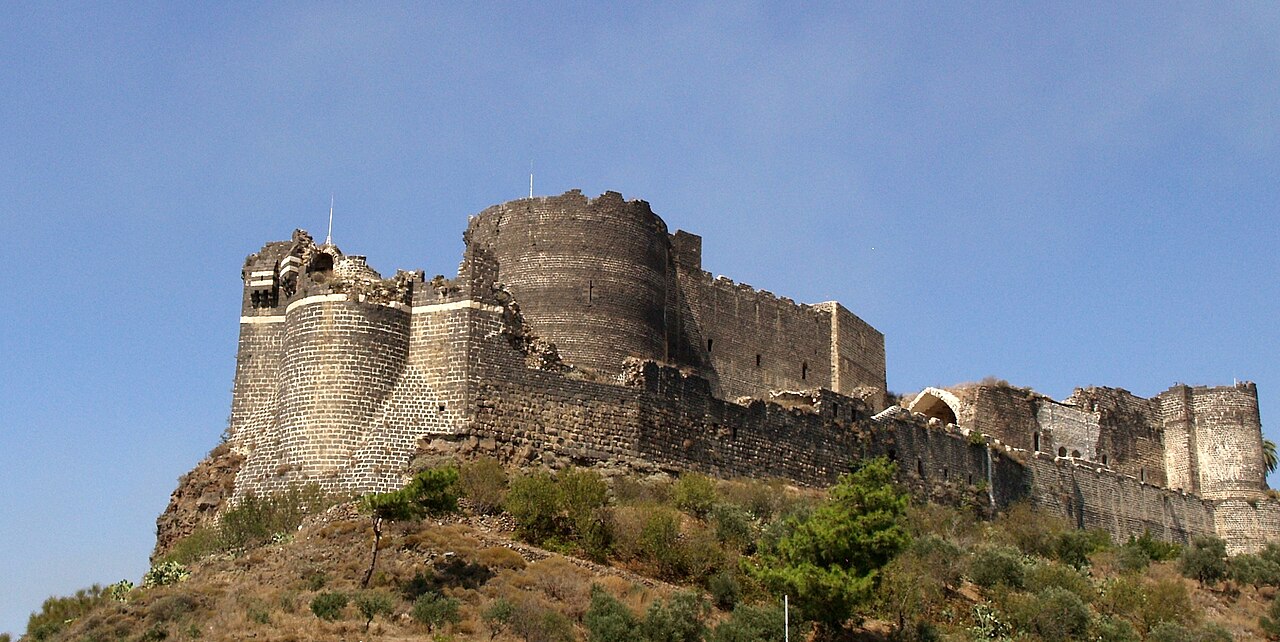
Aleika Castle, also known as Aliqa Castle (Arabic: قلعة العليقة), stands as a notable example of medieval military architecture in the Syrian Arab Republic. Situated in the village of Aliqa, approximately 85 kilometers from the coastal city of Tartus, this hill castle occupies a strategic position overlooking the surrounding landscape, which was crucial for controlling local routes during the 12th century.
Architectural design and fortifications
The castle is distinguished by its concentric defensive structures, a design featuring two main layers of fortifications arranged one inside the other. This layout was a common military architectural strategy in the medieval period, enhancing the castle's defensive capabilities by forcing attackers to breach multiple walls. The outer walls encompass a larger area, while the inner keep or citadel provided a last line of defense.
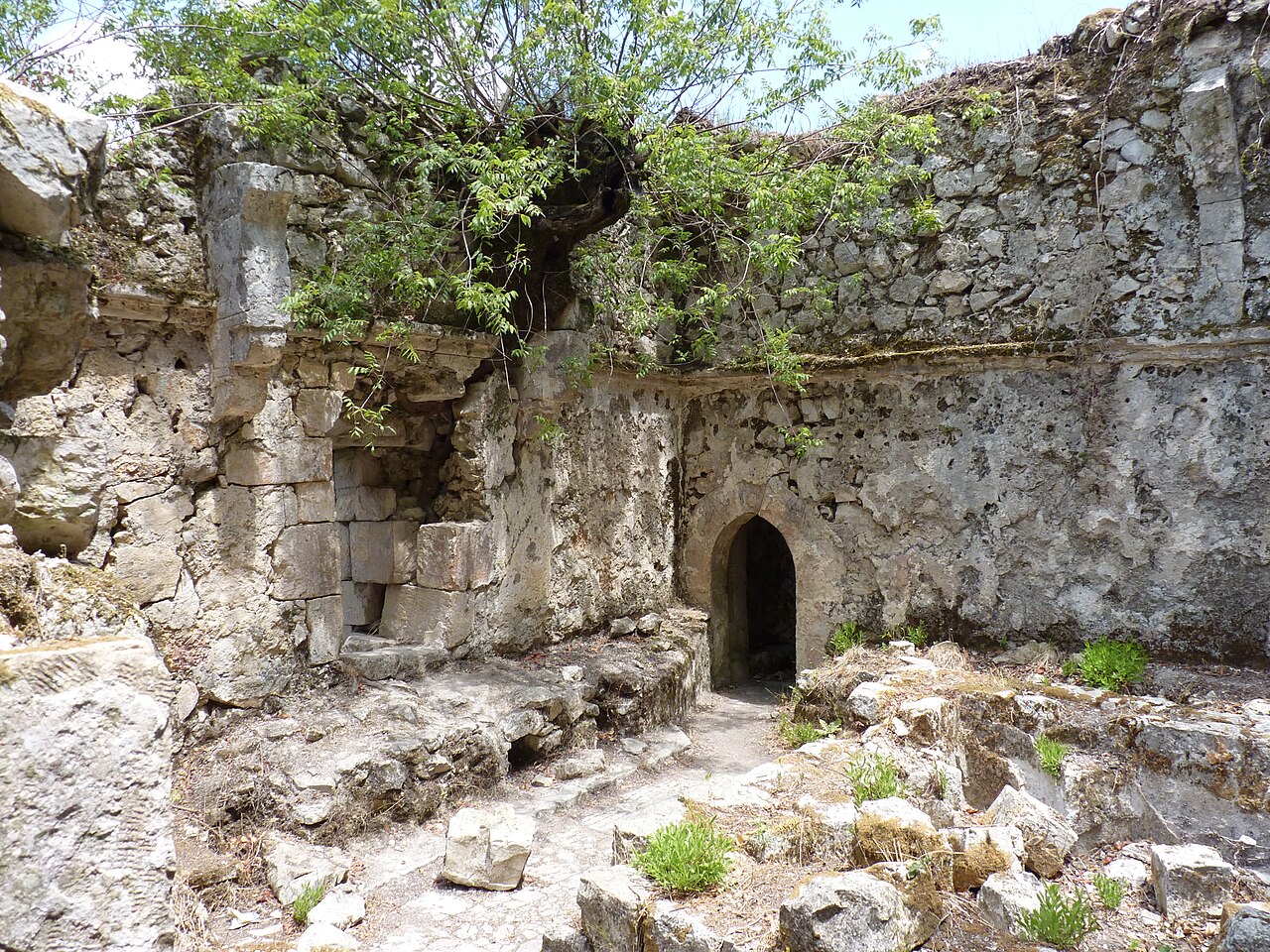
The use of concentric fortifications at Aleika indicates a sophisticated understanding of siege warfare prevalent during the time. The castle's walls are constructed from local stone, with surviving sections showing evidence of robust masonry work aimed at resisting battering and scaling attempts. Although much of the structure is in a state of ruin, key elements such as towers and gatehouses can still be discerned, offering insight into its original formidable design.
Historical context and significance
During the 12th century, Aleika Castle was under the control of the Syrian Nizari Isma'ili community, a branch of Isma'ili Shia Islam known for their fortified strongholds across the Levant. The castle served as a critical defensive and administrative center during a period marked by frequent conflict, including the Crusades.
Evidence of the castle's involvement in the Crusader conflicts is found in the cemetery stones bearing Latin inscriptions discovered within the site. These inscriptions confirm that battles occurred in and around Aleika, highlighting its role as a contested fortress between Muslim and Crusader forces. The presence of Latin inscriptions suggests that Crusader knights or soldiers were buried nearby, indicating the castle's strategic importance in the military campaigns of the era.
The archives of the Syrian Tourism Ministry mention the Mamluk Sultan Baibars, who reigned in the 13th century and was known for his campaigns against Crusader states. Baibars' connection to Aleika Castle underscores the site's continued military relevance beyond the Nizari Isma'ili period, as it likely fell under Mamluk control during their efforts to consolidate power in the region.
Archaeological findings and preservation status
Aleika Castle today is classified as a hill castle and is partially preserved, with many sections in ruins due to centuries of conflict and natural decay. Archaeological investigations have uncovered various artifacts, including the aforementioned Latin-inscribed cemetery stones, which provide valuable historical data about the castle’s occupants and the conflicts it witnessed.
The site’s preservation is challenged by its remote location and limited conservation efforts. However, it remains an important cultural heritage site that offers insight into the medieval military architecture of the Levant and the complex history of the Crusades and Islamic dynasties in Syria.
Location and accessibility
Located near the village of Aliqa in Syria’s coastal region, the castle's position atop a hill provided commanding views of the surrounding terrain, essential for early warning and defense. While the exact street address is not documented, the castle is accessible from Tartus, a major city on the Mediterranean coast, making it a potential site for historical tourism once conditions allow.
Legacy and cultural importance
Aleika Castle represents the intersection of diverse cultural and military influences in medieval Syria. Its architectural features reflect the defensive innovations of the time, while its history embodies the turbulent era of the Crusades and the shifting control between Muslim and Crusader forces. The castle remains a symbol of the region's layered past and a subject of interest for historians and archaeologists studying the Levantine medieval period.
Frequently asked questions (FAQ)
- How do I get to Aleika Castle from Tartus?
- Aleika Castle is located about 85 km from Tartus. Visitors can reach the castle by road, traveling east from Tartus toward the village of Aliqa. Local guidance is recommended due to limited signage and infrastructure.
- What historical periods does Aleika Castle represent?
- Aleika Castle primarily reflects the 12th-century High Medieval period, associated with the Nizari Isma'ili control and the Crusades. It also has connections to the later Mamluk period under Sultan Baibars.
- Can I see Crusader-era artifacts at Aleika Castle?
- Yes, cemetery stones with Latin inscriptions have been found at Aleika Castle, indicating Crusader presence. These artifacts provide tangible links to the castle’s role during the Crusades.
- Is Aleika Castle accessible to visitors today?
- The castle is partially preserved and in ruins, with limited visitor facilities. Access may be challenging due to its remote location and current conditions in the region.
- Why is Aleika Castle historically significant?
- Aleika Castle is significant for its role as a Nizari Isma'ili stronghold during the Crusades and its architectural example of concentric fortifications in medieval Syria.
Photo gallery

Information
Loading map...
Visitor reviews
No reviews yet. Been here? Write the first review and help other travelers!
Write the first reviewVisited this castle? Share your experience
Your review helps other travelers and adds first-hand knowledge to our encyclopedia.